Ontario Fishing License Age Requirements
Navigating the specific rules and regulations around fishing in Ontario can sometimes feel like trying to untangle a particularly stubborn knot in your fishing line – especially when it comes to who needs a license and who doesn't. Many enthusiastic anglers, from seasoned veterans to excited youngsters, often wonder at what age they can hit the water without paperwork, or when it's time to invest in that official document. This comprehensive guide is here to clear up all that confusion, outlining the precise age requirements for fishing licenses in Ontario so you can cast your line with confidence and peace of mind.
Understanding the Baseline: Who Needs an Ontario Fishing License?
Before we dive into the specific age exemptions, it's crucial to understand the fundamental rule: generally, if you're going to fish in Ontario, you need a license. This isn't just a suggestion; it's a legal requirement designed to help manage Ontario's rich fisheries, fund conservation efforts, and collect vital data on angling pressure. Ignoring this fundamental principle can lead to significant fines and penalties, which nobody wants after a relaxing day on the water.
Resident Anglers: The General Rule
For most Ontario residents, the expectation is that if you're over a certain age and want to participate in recreational fishing, you'll need an Ontario fishing license and an accompanying Outdoors Card. The Outdoors Card acts as your primary identification for all your fishing and hunting licenses, and it's something you typically purchase first, with your actual fishing license then linked to it. It’s important to remember that this card has its own validity period, usually three years, and must be renewed separately from your annual fishing license. Think of it like your library card for the great outdoors – you need it to check out the "books" (licenses). Without it, you can't even get started with buying your actual fishing permit.
When you're ready to purchase, whether it's an Ontario resident sport fishing license cost 2026 or an Ontario resident conservation fishing license cost 2026, you'll first need that valid Outdoors Card. The sport license allows you higher catch limits and possession, while the conservation license promotes catch-and-release and smaller limits, aligning with stricter conservation ethics. Many anglers opt for the conservation license, especially when fishing for species like walleye on Lake Erie or muskie on Georgian Bay, where responsible angling is paramount.
Non-Resident and Canadian Non-Resident Anglers
The rules become a bit more nuanced for those visiting Ontario to fish. If you're a Canadian resident from outside Ontario, say from Quebec or Manitoba, you are still considered a "non-resident" for licensing purposes, albeit with slightly different pricing than international visitors. You will also need a valid Outdoors Card and an appropriate fishing license. The Ontario Canadian resident (outside Ontario) fishing license cost will be different from what an Ontario resident pays, but less than what an international visitor would pay.
For international visitors, often from the United States, the process is similar: obtain an Outdoors Card (which will be linked to your non-resident status) and then purchase either a sport or conservation fishing license. There are specific costs for an Ontario non-resident sport fishing license cost 2026, and these are typically higher than for Canadian non-residents. It's vital for all non-residents to understand these distinctions, as misrepresenting your residency status could lead to serious legal issues. Before you plan your trip, make sure to check the specific requirements outlined in the Ontario Fishing License Guide for 2026.
Youth Fishing License Exemptions: Fishing for Free
Ontario genuinely encourages young people to get involved in fishing, understanding that it's a fantastic way to connect with nature, learn patience, and create lasting memories. To facilitate this, there are significant age exemptions for younger anglers, meaning many kids and teenagers don't need a fishing license at all.
Anglers Under 18 Years Old
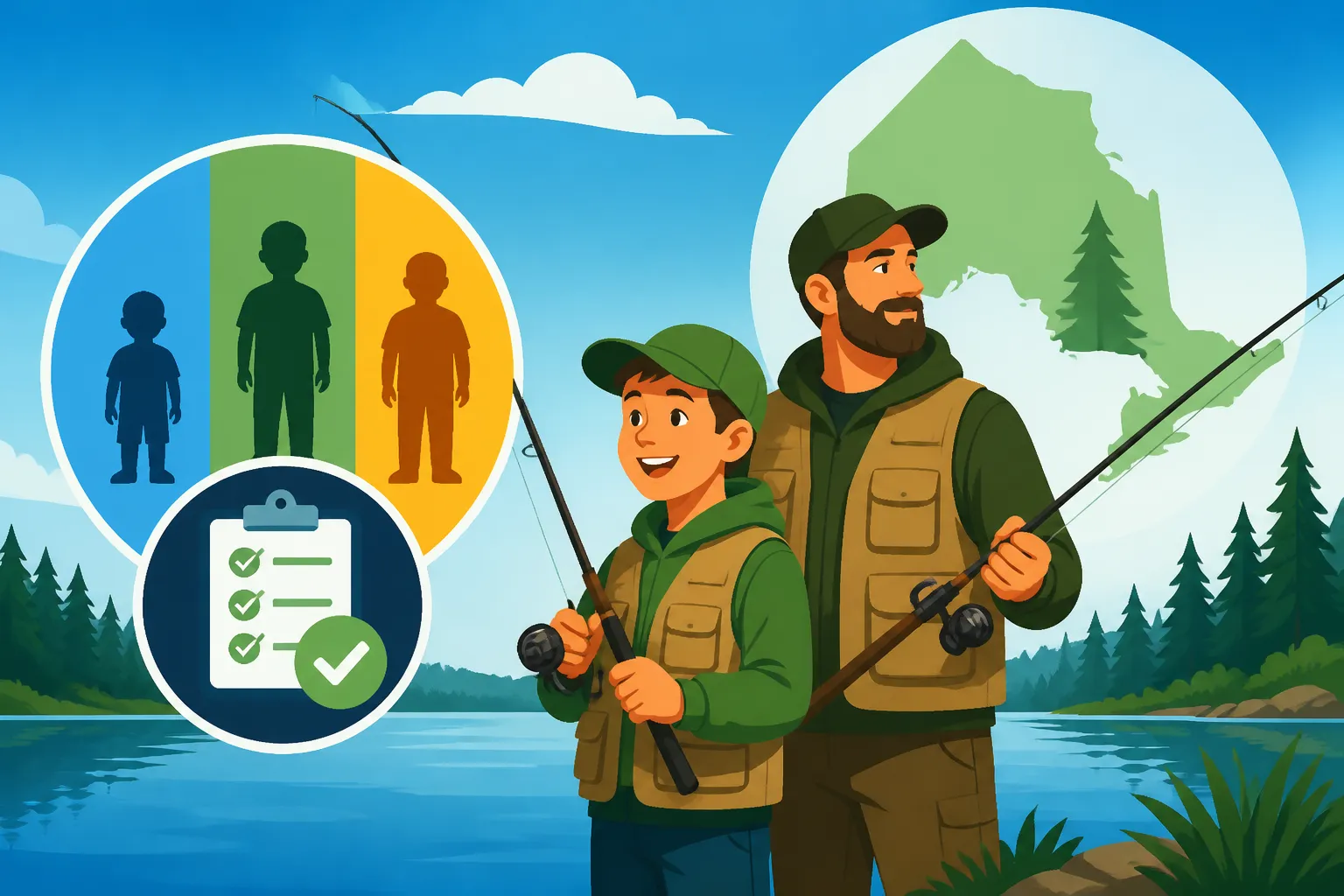
The most straightforward exemption is for youth. If you are under 18 years of age, you do not need an Outdoors Card or a fishing license to fish in Ontario. This is a wonderful opportunity for families to introduce their children to the joys of angling without the added bureaucratic step or expense. Imagine a sunny afternoon on Lake Simcoe, your niece or nephew excitedly reeling in their first yellow perch – all completely legal without any paperwork for them!
However, there's an important caveat regarding catch limits and possession rules. While they don't need a license, they must still follow the catch and possession limits of any licensed angler they are fishing with. If they are fishing alone, they must adhere to the conservation license limits. This ensures that while they enjoy the freedom of license-free fishing, they are still contributing to the sustainable management of Ontario's fish populations. The Ontario Youth Fishing License Exemption Under 18 rules are pretty clear on this point.
Special Considerations for Young Anglers
Even with the exemption, equipping young anglers properly can make all the difference. Many parents look for appropriate gear on platforms like Amazon, from child-sized rods and reels to comfortable life jackets that meet Canadian safety standards. Teaching them about responsible angling, such as how to properly handle fish for release or how to identify different species, goes hand-in-hand with the exemption. For instance, when fishing for panfish, an ultralight setup with small hooks and light line found on Amazon can greatly enhance their experience.
It's also worth noting that certain programs, like the "TackleShare" program, offer free loaner fishing equipment to youth in various locations across Ontario, further reducing barriers to participation. These initiatives complement the age exemptions by making fishing truly accessible for the next generation. Always remember that even if kids are exempt from a license, all other Ontario Fishing Regulations Explained still apply to them. This includes respecting open seasons, closed waters, and specific gear restrictions in certain areas.
Senior Fishing License Exemptions: Continuing the Tradition
Ontario also recognizes the contributions of its senior residents and provides exemptions for those aged 65 and older, allowing them to continue enjoying the province's fishing opportunities without purchasing a license. This is a common practice across many jurisdictions to encourage lifelong participation in outdoor activities.
Anglers 65 Years and Older
If you are an Ontario resident and 65 years of age or older, you are exempt from needing an Outdoors Card and a fishing license. This means you can fish freely in Ontario waters, provided you carry a piece of government-issued identification that clearly states your name and date of birth. This ID serves as proof of your age and residency should you be asked by a Conservation Officer. This exemption is explicitly detailed in the Ontario Senior Fishing License Exemption at 65 guidelines.
This is a fantastic benefit for those who have spent a lifetime enjoying Ontario's natural beauty and continue to do so. Many seniors frequent local hotspots, whether it’s a quiet pier on Lake Huron or a favourite river bend for brook trout. The freedom from having to renew licenses or worry about associated costs means more time spent on the water, which is what fishing is all about.
Respecting Catch Limits and Conservation
Just like with youth, the senior exemption comes with a responsibility. While licensed-free, senior anglers must abide by the conservation catch and possession limits, unless they are fishing with a licensed angler who holds a sport fishing license, in which case they can follow the sport limits of that licensed individual. This is a crucial distinction. If you're out there solo, or with another license-exempt individual, those conservation limits are your guide.
This structure helps to maintain healthy fish populations. For example, if you're targeting smallmouth bass, you'll need to know the daily and possession limits for a conservation license in your specific Fisheries Management Zone (FMZ). You can find this information readily in the annual Reading the Ontario Fishing Regulations Summary. Planning your gear can also be part of the experience. Many seniors find lightweight, easy-to-handle fishing rods and reels on Amazon that make their time on the water more enjoyable. From ergonomic reel handles to comfortable folding chairs, there's a world of senior-friendly fishing gear out there.
Special Circumstances and Other Exemptions
While the under-18 and 65+ exemptions cover a large portion of the population, Ontario also offers specific exemptions and considerations for other groups and special events, ensuring that fishing remains accessible and inclusive.
Anglers with Disabilities and Indigenous Peoples
Ontario offers specific considerations for anglers with disabilities. Residents of Ontario with a disability who meet certain criteria may be eligible for a discounted or free fishing license, often requiring documentation of their disability. This is part of the province's commitment to ensuring that everyone has the opportunity to experience fishing. Information on the Ontario fishing license for disabled residents can be found through the Ministry of Natural Resources and Forestry (MNRF).
Furthermore, Indigenous peoples of Ontario, specifically Status Indians, Métis, and Inuit, have Aboriginal and treaty rights that allow them to fish for food, social, or ceremonial purposes without a provincial fishing license. These rights are recognized under Canadian law and are distinct from recreational fishing licenses. However, these rights do not necessarily extend to recreational fishing beyond sustenance; if an Indigenous person chooses to fish recreationally outside of their Aboriginal or treaty rights, they may still need to adhere to the provincial licensing requirements.
Family Fishing Weekends
One of the most exciting exemptions for everyone is during Ontario's Family Fishing Weekends. These designated periods, which usually occur a few times a year (e.g., in February for ice fishing, and in July), allow all Canadian residents to fish license-free. Yes, you read that right – any Canadian resident, regardless of age, can fish without a license during these specific dates. It's a fantastic initiative to encourage families and individuals who might not usually fish to try it out.
During these weekends, all other fishing regulations, such as catch limits, season dates, and size restrictions, still apply. It's just the license requirement that's waived. These weekends are a perfect opportunity to explore fishing as a hobby, try out different lakes, or introduce friends to the sport. You can always check the dates for Ontario Family Fishing Weekend Dates on the provincial government website. It's an excellent chance to gather the family, pack a picnic, and hit the water without the initial barrier of purchasing a license. You can even grab some basic fishing kits from Amazon beforehand to be fully prepared!
The Outdoors Card: Your Key to Licensing
Even with exemptions, understanding the Outdoors Card is essential for most anglers. It's not just a piece of plastic; it's the fundamental building block of Ontario's licensing system, tying all your fishing and hunting activities to a single, unique identifier.
What is the Outdoors Card and Why Do You Need It?
The Ontario Outdoors Card, Explained is a plastic identification card, roughly the size of a credit card, issued by the Ministry of Natural Resources and Forestry (MNRF). It's required for anyone who wants to purchase an Ontario hunting or fishing license, unless they fall under one of the specific age or status exemptions discussed earlier. When you buy a fishing license, it's digitally associated with your Outdoors Card number. You don't get a separate paper license for each purchase; rather, the card acts as your proof that you hold a valid license.
This system simplifies things immensely. Instead of carrying multiple paper documents, you just need your Outdoors Card. It allows the MNRF to track license purchases, manage customer profiles, and ensure compliance with regulations more efficiently. The Outdoors Card itself has a validity period, typically three calendar years, after which it needs to be renewed. You'll purchase your fishing license separately, which can be annual or a one-day option.
Linking Licenses and Carrying Your Card
Once you purchase your fishing license, it's electronically linked to your Outdoors Card. You might receive a receipt with your license details, and it's always a good idea to keep this with you, especially if you've purchased a license recently and haven't updated your physical card. However, the Outdoors Card is the primary document you'll need to present to a Conservation Officer upon request. Digital copies, like a screenshot on your phone, are now widely accepted, making it convenient to carry your fishing credentials. For details on Printing or Carrying a Digital Fishing License in Ontario, refer to the MNRF guidelines.
It's crucial to understand that simply having an Outdoors Card isn't enough; you must also have a valid fishing license linked to it, unless you are exempt. Think of the Outdoors Card as your car keys, and the fishing license as your driver's license – you need both to legally drive (or fish)!
Consequences of Fishing Without a Proper License or Exemption
Nobody wants their peaceful fishing trip to turn into a legal headache, but unfortunately, not understanding or adhering to Ontario's fishing license age requirements and other regulations can lead to unpleasant consequences. It's not just about the monetary fine; it's about the potential for further complications.
Fines and Legal Ramifications
The most immediate consequence of fishing without a valid license, or without meeting an exemption, is a fine. These fines can be substantial and can quickly turn a fun day into a costly mistake. For instance, the fine for Fishing Without a License in Ontario: Penalties is significant, and can escalate further if combined with other infractions like possessing too many fish or using illegal gear.
Beyond the initial fine, there can be other legal ramifications. Repeat offenders might face higher penalties, including court appearances, community service, or even potential seizure of fishing equipment. While a first offense might seem minor, it's a breach of provincial law designed to protect natural resources. Conservation Officers are trained to enforce these regulations diligently, and ignorance of the law is generally not considered a valid excuse.
Impact on Future Fishing Privileges
A less immediate, but potentially more impactful consequence, is how a conviction for fishing without a license could affect your future fishing privileges. Depending on the severity and frequency of the offense, the MNRF has the authority to suspend or revoke your Outdoors Card and fishing privileges for a period. This means you could be legally prohibited from purchasing a fishing license and participating in angling in Ontario for a year, or even longer.
Imagine being an avid angler, eager to hit your favourite lake during the prime walleye season, only to find you can't buy a license because of a past infraction. It’s a harsh reality that emphasizes the importance of understanding and following the rules. It's always better to take a few minutes to confirm your status and, if needed, purchase the correct license, whether it’s an Ontario 1-day resident fishing license cost for a quick trip or a full annual permit, than to risk facing these kinds of penalties. Websites like Amazon even offer laminated copies of regulations or small waterproof guides that can be useful to have on hand to avoid any misunderstandings while out on the water.
Table: Ontario Fishing License Age Requirements at a Glance
To simplify everything, here's a quick summary of the age requirements for an Ontario fishing license:
| Age Group | Ontario Resident Required? | Outdoors Card Required? | Fishing License Required? | Catch Limits to Follow | Notes |
|---|---|---|---|---|---|
| Under 18 | No | No | No | Conservation* | Must follow conservation limits if fishing alone. If with a licensed angler, follow their limits. |
| 18 to 64 | Yes | Yes | Yes | Sport or Conservation | Requires valid Outdoors Card and fishing license. |
| 65 and Older | Yes | No | No | Conservation* | Must carry government-issued ID. Follow conservation limits if fishing alone. |
| Non-Resident (Under 18) | No | No | No | Conservation* | Must follow conservation limits if fishing alone. If with a licensed angler, follow their limits. |
| Non-Resident (18-64) | No | Yes | Yes | Sport or Conservation | Requires valid Outdoors Card and fishing license. |
| Non-Resident (65 and Older) | No | Yes | Yes | Sport or Conservation | This is often a point of confusion; non-residents aged 65+ do require a license. |
| Family Fishing Weekends | Yes (Canadian Residents) | No | No | Conservation | Applies to all Canadian residents for specific dates only. |
Note: If fishing with a licensed angler who holds a Sport Fishing License, license-exempt individuals (under 18 or 65+ Ontario residents) can follow the Sport Fishing limits of the accompanying licensed angler. Otherwise, Conservation limits apply.
Navigating the Rules: Key Takeaways
Understanding the specific age requirements for fishing licenses in Ontario is pretty straightforward once you break it down, but it's often the small details that trip people up. The biggest takeaway is that while many exemptions exist, especially for youth and senior residents, they all come with the expectation of respecting catch limits and other regulations.
For most adults between 18 and 64, an Outdoors Card and a valid fishing license are non-negotiable. For non-residents, even if you’re a senior, the license requirement generally applies, though your specific Ontario fishing license residency requirements will dictate the cost. The province makes it easy to purchase these through their online system or authorized vendors.
Always consult the official Ontario fishing regulations, which are updated annually, before heading out. Whether you’re planning a family outing during one of the Ontario family fishing weekend dates for 2026 or a solo adventure into remote Northern Ontario, being informed is your best catch. This way, you can focus on the pure joy of fishing, knowing you're doing your part to protect Ontario's incredible natural heritage.
Disclaimer
The information provided in this guide is for general informational purposes only and does not constitute legal advice. While we strive to keep the information up-to-date and accurate, regulations can change. Always consult the official Ontario Ministry of Natural Resources and Forestry (MNRF) website or the current Ontario Fishing Regulations Summary for the most precise and legally binding information before engaging in any fishing activities.