Do Ontario Residents Under 18 Need a Fishing License?
It’s a common question that pops up in conversations among parents, guardians, and even young aspiring anglers themselves: "Do I actually need a fishing license if I'm under 18 in Ontario?" The confusion is totally understandable, especially with all the different rules and regulations out there. This guide is here to clear up that mystery, detailing the specific requirements and exemptions for young Ontario residents who are eager to cast a line.
Understanding Ontario's Fishing License Requirements for Youth
Navigating the world of fishing regulations can feel a bit like trying to untangle a really stubborn knot in your fishing line – frustrating, right? But when it comes to young anglers in Ontario, the good news is often simpler than you might expect. It's crucial for every fishing family to know these rules inside and out, not just to avoid potential fines, but to foster responsible angling habits from a young age.
The General Rule: Youth Under 18 are Exempt
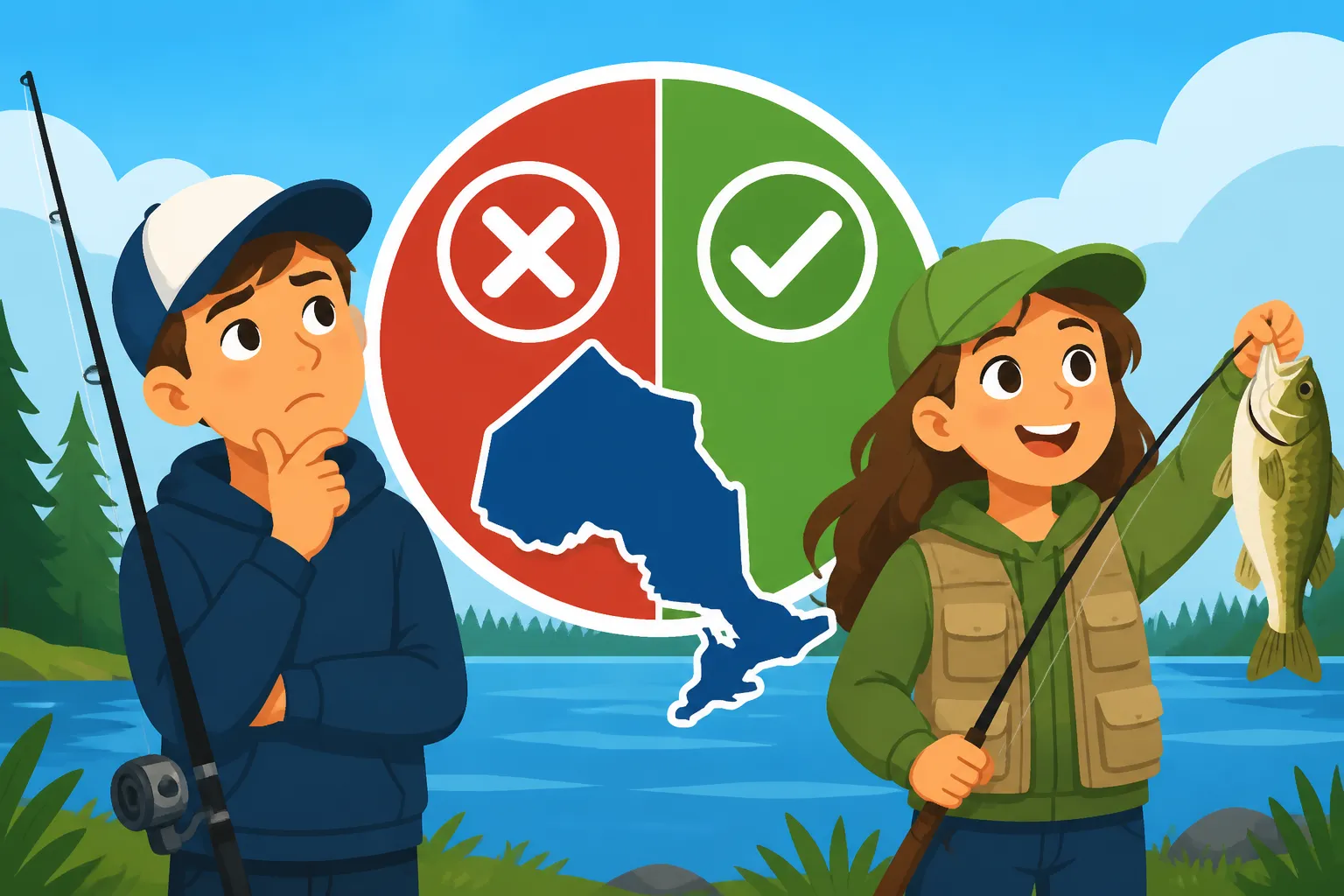
Let's cut right to the chase: if you are an Ontario resident and you are under the age of 18, you generally do not need to purchase an Ontario fishing license. This is a fantastic initiative by the province to encourage young people to get outdoors, connect with nature, and discover the joy of fishing without an extra financial or bureaucratic hurdle. It means that kids and teens can grab a rod and reel and head to their favourite fishing spot, provided they meet a few important conditions.
This exemption applies whether they're fishing from the shore, a dock, or from a boat. It's designed to make fishing accessible and enjoyable for the younger generation, promoting a lifelong love for the sport. However, this doesn't mean it's a free-for-all. While the license itself isn't required, all other fishing regulations still apply, which is a crucial point many people miss. They still need to know their limits, literally!
Key Conditions and Responsibilities for Young Anglers
While the license itself is waived for those under 18, young anglers are still very much part of the regulated fishing environment in Ontario. This is where things can get a little nuanced, and it’s super important for guardians to understand. The primary responsibility for knowing and following the rules often falls to the accompanying adult, but it’s also a fantastic opportunity to teach younger fishers about conservation and respectful angling.
If a young angler is fishing by themselves, they must adhere to the limits set out for a Conservation fishing license. This means the reduced catch and possession limits and size restrictions that are designed to protect fish populations. They can't just keep whatever they catch; they have to follow the specific rules for the species, water body, and time of year. If they are fishing with a licensed adult, their catch and possession limits are included within the limits of the adult's license. This means the total number of fish kept by everyone fishing under that adult’s license (including the kids) cannot exceed the adult’s daily catch and possession limits. This shared limit system ensures that even with multiple people fishing, the total harvest remains within sustainable levels. Understanding Ontario Bag and Possession Limits by Species is vital here.
How Youth Fishing Connects with Adult Licenses
The fishing experience for youth in Ontario is often tied to the licenses held by the adults who accompany them. This connection is designed to make it easy for families to go fishing together while ensuring that all provincial regulations are still upheld. It’s a thoughtful way to promote family time on the water.
Fishing with a Licensed Adult: The Easiest Path
For many young anglers, their first experiences on the water are alongside a parent, grandparent, or another guardian. This is by far the simplest way for a resident under 18 to enjoy fishing in Ontario. When a young person is accompanied by an adult who holds a valid Ontario fishing license, the youth's catch is counted as part of the adult's daily catch and possession limit. This means that if the adult has a Sport fishing license, the young angler can contribute to that higher limit. If the adult holds a Conservation fishing license, then the younger angler's catch must also adhere to those more restrictive limits.
For example, if an adult has a Sport license that allows for a possession limit of six walleye in a particular zone, and they are fishing with two children under 18, the entire group can collectively keep six walleye. The children don't get their own separate limits on top of the adult's. This system underscores the idea of shared responsibility and collective adherence to regulations. It's a great opportunity for adults to teach kids about ethical fishing practices, catch and release, and identifying species, using the Reading the Ontario Fishing Regulations Summary as a guide.
When a Young Angler Fishes Independently
While often accompanied by an adult, it's not uncommon for older youth, perhaps teenagers, to want to venture out on their own, especially if they live near a prime fishing spot. Even though they don't need to purchase a license themselves, the moment they fish without a licensed adult present, the onus is entirely on them (and their guardians) to know and follow the rules as if they held a Conservation fishing license. This distinction is incredibly important and often overlooked.
Imagine a 16-year-old living on Lake Simcoe who wants to go ice fishing for perch with their friends. Since no licensed adult is with them, they must adhere to the Conservation limits for yellow perch on Lake Simcoe, which are typically lower than Sport limits. This also means they need to be aware of Ontario Yellow Perch Limit on Lake Erie and Simcoe and other species-specific regulations. They can't claim ignorance of the rules just because they don't have a physical license. In essence, the exemption removes the cost and physical document requirement, but not the responsibility of understanding and adhering to the province's fisheries management goals.
The Outdoors Card and Youth Anglers
Many people associate fishing licenses with the requirement of an Outdoors Card. It’s a valid connection, as the Outdoors Card is generally a prerequisite for purchasing any fishing or hunting license in Ontario. However, for those under 18, this rule also has a specific exemption.
No Outdoors Card Needed for Under 18s
Just like they don't need a fishing license, Ontario residents under 18 years old are also exempt from needing an Ontario Outdoors Card, Explained. This simplifies the process even further, removing another administrative step for young people getting into the sport. An Outdoors Card acts as a sort of identification document for anglers and hunters in Ontario; it's valid for three calendar years and is required to purchase a fishing license. Since youth don't need to purchase a license, they don't need the card either.
This is excellent news for families introducing children to fishing. You don't have to worry about buying an Outdoors Card for your 10-year-old before you can take them out on the water. This exemption is part of the broader effort to make fishing as accessible as possible for the province’s youth, fostering early participation in outdoor activities. The focus remains on the experience, rather than paperwork.
Advantages of Getting an Outdoors Card Later
While not required, it’s a good idea to start thinking about the Outdoors Card as a young angler approaches their 18th birthday. Once they turn 18, they will be considered an adult and will need both an Outdoors Card and a valid fishing license to continue fishing in Ontario. Getting familiar with the process can be helpful. They'll need to purchase an Outdoors Card, which then allows them to buy either a Sport or Conservation fishing license.
For a smooth transition into adult angling, many young adults purchase their Outdoors Card and first fishing license shortly after their 18th birthday. This allows them to fish legally and independently. Plus, holding an Outdoors Card makes the process of purchasing subsequent licenses easier, whether online through the Fish ON-Line system or at a ServiceOntario location. It’s also worth noting that the Outdoors Card is distinct from the actual fishing license; one allows you to buy the other. You can learn more about How Much Does an Ontario Fishing License Cost when the time comes.
Practical Tips for Young Anglers and Their Guardians
Getting out on the water with young anglers is one of the most rewarding experiences you can have. It’s not just about catching fish; it’s about making memories, learning new skills, and connecting with the natural world. To make these trips as enjoyable and safe as possible, a little preparation goes a long way.
Learning the Rules Together
Even though kids are exempt from needing a license, that doesn't mean they're exempt from the rules. In fact, it's an incredible opportunity to teach them about conservation, respect for wildlife, and sustainable practices. Make learning the fishing regulations a family activity! Sit down together and go through the Ontario Fishing Regulations Explained or specifically the summary for the Fisheries Management Zone you plan to visit. Ontario is divided into many different zones, and each can have slightly different rules for season dates, limits, and special regulations. For instance, knowing the Ontario Walleye Opener Dates by Zone is essential if you're targeting that species.
Talking about slot limits, catch and release techniques, and identifying different species instills a sense of responsibility. Explain why these rules exist – to protect fish populations for future generations, including their own! This collaborative learning not only ensures compliance but also fosters a deeper appreciation for the environment and the sport itself.
Essential Gear for Young Anglers
Getting the right gear for young anglers is paramount to making their experience fun and comfortable, rather than frustrating. You don't need to break the bank, but investing in age-appropriate equipment can make a huge difference in their success and enjoyment. For beginners, a simple spinning rod and reel combo, often referred to as a "spincast" setup, is ideal. These are usually easy for small hands to operate and are quite forgiving when it comes to casting.
When selecting tackle, think simplicity and effectiveness. A small tackle box filled with basic hooks, sinkers, bobbers, and a few easy-to-use lures (like small spinners or jigs) is perfect. You can find excellent starter kits and individual pieces of gear on platforms like Amazon, offering a wide variety of options for every budget. Don't forget safety gear! Even if not legally required in all situations, ensuring every young angler wears a properly fitted personal flotation device (PFD) is crucial. Check out Life Jacket Requirements for Ontario Boaters to understand the regulations fully. For those looking for recommendations, guides on Best Fishing Rods for Ontario Lakes or Best Tackle for Ontario Walleye can offer some excellent starting points for more serious setups.
| Requirement/Item | Under 18 (Ontario Resident) | 18 and Over (Ontario Resident) |
|---|---|---|
| Fishing License | No | Yes |
| Outdoors Card | No | Yes |
| Follow Regulations | Yes (Conservation Limits if unescorted, or adult's limits if escorted) | Yes (based on Sport/Conservation license) |
| Purchase Cost | Free | Required (license + Outdoors Card fee) |
| Valid ID Required | No | Yes (Outdoors Card acts as ID) |
Disclaimer
The information provided in this guide is intended for general informational purposes only and does not constitute legal advice. Fishing regulations in Ontario can be complex and are subject to change. Always consult the official Ontario Fishing Regulations Summary for the most current and precise information before heading out on the water.