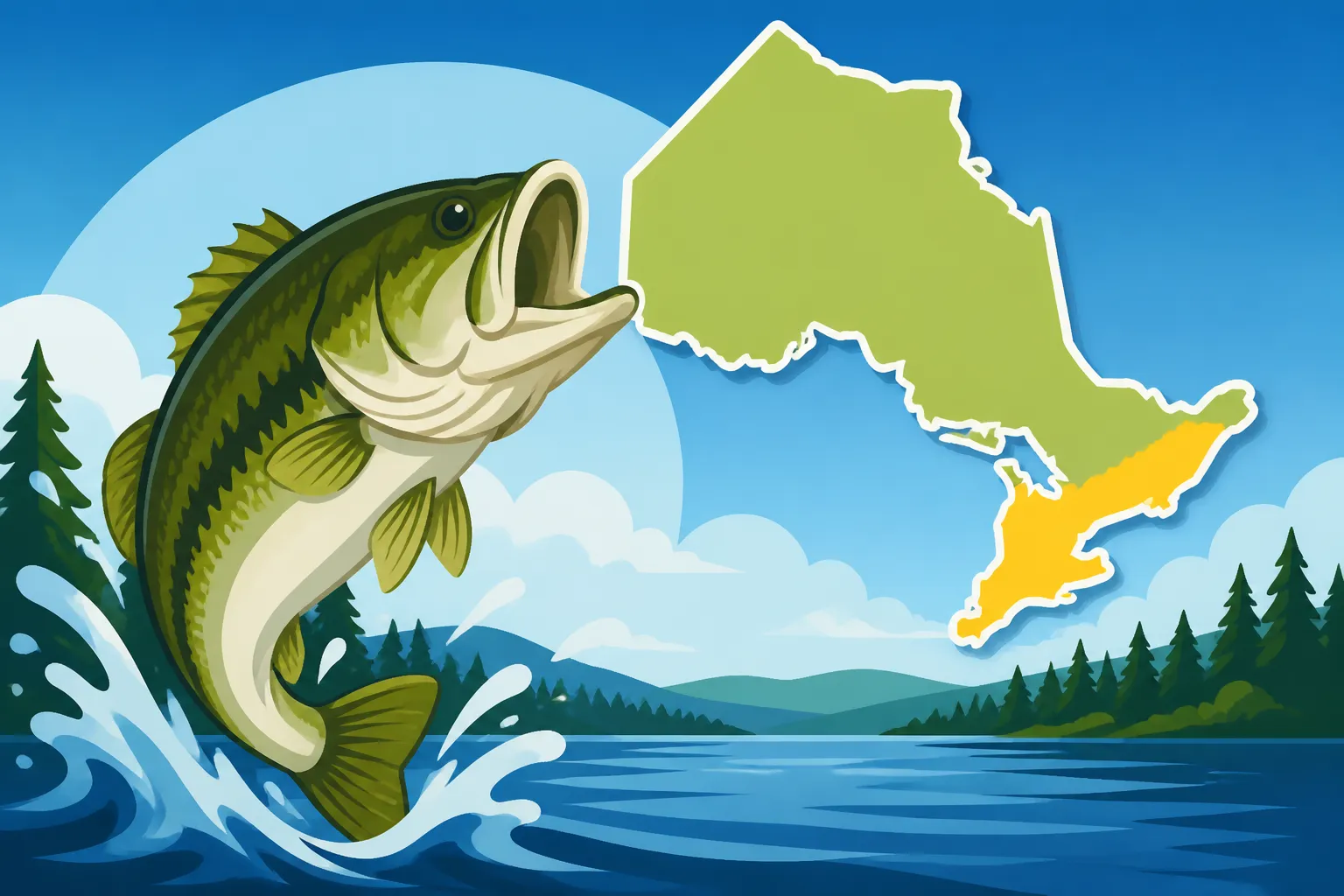
Ontario bass opener date for FMZ 18 in 2026
There’s a unique thrill, and let’s be honest, a fair bit of anxiety, that comes with anticipating the bass opener in Ontario. Many anglers find themselves scrambling at the last minute, trying to confirm the exact dates and regulations for their specific fishing management zone. This comprehensive guide is here to clear up any confusion about the 2026 bass opener for Fishing Management Zone 18 (FMZ 18), ensuring you’re well-prepared and legally compliant for a fantastic start to the season.
Understanding Fishing Management Zone 18 (FMZ 18)
Before we dive into the specifics of the bass opener, it’s absolutely crucial to understand what FMZ 18 entails. Ontario is a vast province, and its diverse aquatic ecosystems require different management approaches. That's why the Ministry of Natural Resources and Forestry (MNRF) divides the province into 20 distinct Ontario Fisheries Management Zones, Explained. Each zone has its own set of rules, including season dates, catch limits, and special regulations, all tailored to protect and sustain local fish populations.
Geographical Overview of FMZ 18
FMZ 18 is a truly iconic fishing region, often referred to as the "Southern Shield." It encompasses a huge swathe of Central and Eastern Ontario, including much of the popular Muskoka and Haliburton Highlands areas, as well as significant portions of Algonquin Provincial Park. Think of the quintessential Canadian Shield landscape: countless freshwater lakes, flowing rivers, granite outcrops, and dense mixed forests.
This zone is home to a myriad of species, but for bass anglers, it’s a paradise. Key bodies of water like Lake Muskoka, Lake Rosseau, Lake Joseph, and numerous smaller, pristine lakes and rivers fall within its boundaries. If you're planning to fish in cottage country or the wilder reaches of Algonquin, chances are you'll be in FMZ 18. Knowing you’re in this zone is the first step to adhering to the correct regulations, and you can always consult the official Ontario Fish ON-Line Interactive Zone Map, Explained for precise boundaries.
Why Zones Matter for Bass Seasons
The concept of fishing zones isn't just bureaucratic red tape; it's a vital conservation strategy. Different regions of Ontario experience different climatic conditions, which directly influence fish spawning cycles and overall population health. Bass, particularly, are highly sensitive to water temperature for their reproductive success.
For instance, a lake in Southern Ontario (like those in FMZ 20) might warm up much earlier in the spring than a lake further north in FMZ 18. If the bass season opened provincially on a single date, it could lead to premature fishing pressure on bass that are still spawning in colder, northern waters. This would severely impact future generations of bass. By setting staggered opening dates across zones, the MNRF ensures that bass have adequate time to complete their spawning rituals undisturbed, safeguarding the health of the fishery for years to come. This careful consideration is part of the broader Ontario Fishing Regulations Explained designed to maintain sustainable angling opportunities.
Ontario Bass Opener Dates for FMZ 18 in 2026
Alright, let's get down to the dates you've been waiting for! While specific 2026 dates are officially released closer to the fishing season in the annual Ontario Fishing Regulations Summary, we can confidently predict them based on historical patterns and the current regulatory framework. The MNRF tends to maintain consistent opening dates year after year unless there are significant ecological changes or management reviews.
Smallmouth Bass Opening Dates in FMZ 18
For smallmouth bass in FMZ 18, the opener typically falls on the fourth Saturday in June. If this pattern holds for 2026, you can expect the smallmouth bass season to open around June 27th, 2026.
This specific timing is no accident. Smallmouth bass, known for their aggressive fights and preference for rocky structures, typically spawn a bit later than largemouth bass in the colder, deeper lakes and rivers characteristic of FMZ 18. The "fourth Saturday in June" ensures that the majority of smallmouth have completed their spawning, and the fry have had a chance to disperse from the nests, making them less vulnerable to angling pressure. The excitement on this day is palpable! Anglers often head out before dawn, eager to cast their lines into familiar waters, hoping to connect with those hard-fighting bronzebacks. Many an early morning has been spent on Lake Muskoka, watching the sun rise as the first smallmouth of the season hits a topwater lure. For more detailed information on species-specific openings across the province, check out the Ontario Bass Opener Dates by Zone.
Largemouth Bass Opening Dates in FMZ 18
Similarly, for largemouth bass in FMZ 18, the season also typically opens on the fourth Saturday in June, aligning with the smallmouth opener. This means that for 2026, you can anticipate the largemouth bass season to open around June 27th, 2026.
While both species open on the same day in FMZ 18, their preferred habitats differ. Largemouth bass thrive in warmer, weedier, and shallower waters. This simultaneous opening simplifies things for anglers who might be targeting both species, or for those fishing a lake that holds both. Early season largemouth can be found lurking in emerging lily pads, around downed trees, or in shallow bays that warm up quickly. Topwater frogs or weedless jigs can be incredibly effective right at the start of the season.
Why Bass Season Dates Are Critical
Adhering to these season dates isn't just a suggestion; it's a fundamental aspect of responsible angling and vital for the long-term health of our fisheries. Fishing for bass, or any species, outside of its designated open season is illegal and carries significant penalties. This includes fines, seizure of equipment, and even loss of fishing privileges.
The primary reason for these closed seasons is to protect spawning fish. Bass, particularly males, guard their nests diligently, fanning eggs and protecting fry from predators. When an angler catches a nesting male, even if released, it can leave the nest vulnerable for a critical period, drastically reducing the survival rate of the young. By respecting these closed seasons, we're actively participating in conservation efforts, ensuring that future generations of anglers can enjoy the same vibrant bass fisheries we do today. Always make it a habit to consult the latest Reading the Ontario Fishing Regulations Summary before each season.
Preparing for the 2026 Bass Opener in FMZ 18
With the dates etched into your calendar, it's time to shift focus to preparation. The early bass season in FMZ 18 can be incredibly rewarding, but it also presents unique challenges. Water temperatures are still on the cooler side compared to mid-summer, and bass might be in different stages of post-spawn recovery, requiring specific approaches.
Essential Gear and Tackle for Early Season Bass
Having the right gear makes all the difference, especially when bass might be a bit lethargic in cooler waters. For early season bass in FMZ 18, versatility is key.
- Rods and Reels: Medium-heavy spinning or baitcasting setups are ideal. A 6'6" to 7' medium-heavy fast-action rod offers enough backbone for powerful hooksets and handling larger fish, while still being sensitive enough to detect subtle bites. Pair this with a reliable spinning reel (size 2500-3000) or a baitcasting reel with a gear ratio around 7.1:1 for quick line retrieval. You can find excellent options on online marketplaces like Amazon, from brands like Shimano, Daiwa, or St. Croix.
- Line: Consider 10-15 lb fluorocarbon or braided line with a fluorocarbon leader (10-12 lb). Fluorocarbon is virtually invisible underwater and offers excellent sensitivity, which is crucial for those finicky early season bites. Braided line provides superior strength and casting distance, making it a great choice for heavier cover, especially when chasing largemouth.
- Lures:
- Jigs: Black and blue jigs (1/4 to 3/8 oz) with a matching creature bait trailer are deadly for largemouth near cover or smallmouth on rocky points.
- Jerkbaits: Suspending jerkbaits are phenomenal for smallmouth in clear water. Their ability to hang motionless in the water column can trigger strikes from hesitant bass. Brands like Rapala or Lucky Craft offer great jerkbait options.
- Spinnerbaits/Chatterbaits: These can be effective in stained water or around sparse cover, offering flash and vibration to attract bass. Chartreuse and white are classic colours.
- Soft Plastics: Wacky-rigged Senkos, Ned Rigs, and shaky head worms are go-to finesse presentations when bass are finicky. Natural colours like green pumpkin or watermelon tend to work best.
- Don't forget a well-organized Best Tackle Box Setup for Ontario Anglers to keep all your treasures sorted!
Understanding Regulations Beyond Just Dates
While the opener date is critical, it's just one piece of the regulatory puzzle. Ontario Bag and Possession Limits by Species are equally important. For FMZ 18, smallmouth and largemouth bass often have specific daily catch and possession limits, as well as potential size restrictions. For example, some zones or specific lakes within FMZ 18 might have slot limits, such as the Ontario Smallmouth Bass Slot Limits, where fish within a certain size range must be immediately released.
These regulations are put in place to ensure a healthy fish population structure, protecting crucial breeding stock and allowing younger fish to grow. Always consult the most current Ontario Fishing Regulations Summary booklet or the Fish ON-Line app for any specific rules pertaining to the exact body of water you intend to fish. A general rule of thumb: when in doubt, release the fish. It's better to be safe than sorry and to prioritize conservation.
Tactics for Success on Opening Day in FMZ 18
Opening day is often a mix of excitement and challenge. Weather can be unpredictable, water temperatures might still be fluctuating, and bass might not be in their typical summer patterns. Having a solid game plan can greatly increase your chances of success.
Locating Early Season Bass
Right after the opener in FMZ 18, bass are often in a transitional phase. They’re moving out of their deeper wintering grounds but might not yet be fully committed to their shallow summer haunts, especially if the water is still cool.
- Shallow, Warming Bays: Focus on north-facing bays or shallow flats that receive a lot of sunlight. These areas will warm up faster, attracting baitfish and, consequently, hungry bass. Look for emerging weeds or dark bottom structures that absorb heat.
- Transition Areas: Bass will often stage in transition zones between deep and shallow water. Points, humps, and the edges of weed lines where the bottom drops off are prime locations. Consider casting parallel to these breaks.
- Wood and Rock Cover: Look for submerged timber, fallen trees, or large rock piles, especially those with proximity to deeper water. Bass will use these as ambush points and for protection. Many of the Best Fishing Lakes in Ontario within FMZ 18, like those in the Haliburton Highlands, are renowned for their rocky structures.
- River Systems: If you're fishing rivers within FMZ 18, target slower-moving eddies, current breaks, and areas downstream of rapids where bass can conserve energy and ambush prey. The Best Fishing Rivers in Ontario in this zone offer excellent opportunities.
Remember, patience is key. Bass might be less aggressive, so slower presentations are often more effective. This is covered in detail in guides like How to Catch Smallmouth Bass in Ontario and Largemouth Bass Fishing in Ontario.
Recommended Baits and Techniques
Given the cooler water and potentially post-spawn conditions, finesse and slow-moving presentations often outshine power fishing on opening day.
- Jigging and Slow Rolling: A black and blue jig or a football jig tipped with a soft plastic craw can be deadly when slowly dragged or hopped along the bottom, mimicking a crayfish. This works well on rocky points and humps.
- Suspending Jerkbaits: Cast a suspending jerkbait and use a "twitch-twitch-pause" retrieve. The longer the pause, the better, especially in cold water. Let it sit for several seconds; sometimes, that's what it takes to tempt a sluggish bass. Rapala X-Raps or Lucky Craft Pointer 78s are reliable choices available on Amazon.
- Wacky Rigged Senkos/Stickbaits: Weightless, wacky-rigged stickbaits offer a tantalizing slow fall that bass find irresistible. Cast them to visible cover or shallow flats and let them sink slowly. The subtle shimmy as they fall is often enough.
- Ned Rigs: A small mushroom-head jig with a short, buoyant worm is a fantastic finesse option, especially for smallmouth in clear, cold water. It stands upright on the bottom, mimicking a feeding baitfish or crustacean.
- Kayak Fishing: For accessing those shallow, hard-to-reach bays and weed lines, a fishing kayak can be invaluable. Consider exploring some of the Best Kayak Fishing Spots in Ontario within FMZ 18 for a unique perspective.
Table: Typical FMZ 18 Bass Opener & Key Regulations
| Species | Typical 2026 Opener (FMZ 18) | Daily Catch Limit (Sport/Conservation) | Possession Limit (Sport/Conservation) | Size Restrictions (FMZ 18) | General Habitat |
|---|---|---|---|---|---|
| Smallmouth Bass | Fourth Saturday in June | 6 / 2 | 6 / 2 | Varies by water (check summary) | Rocky points, shoals, deeper clear water |
| Largemouth Bass | Fourth Saturday in June | 6 / 2 | 6 / 2 | Varies by water (check summary) | Weedy bays, shallow cover, submerged timber |
| Expected Date | June 27, 2026 | Always check current regulations summary |
Note: The dates and limits presented are based on historical patterns and general Ontario regulations. Always consult the official 2026 Ontario Fishing Regulations Summary for the most accurate and up-to-date information before heading out.
Disclaimer
The information provided in this guide is for general informational purposes only and is based on typical regulatory patterns and common angling practices. Fishing regulations, including season dates, bag limits, and size restrictions, are subject to change by the Ontario Ministry of Natural Resources and Forestry (MNRF). It is the sole responsibility of the angler to consult the most current and official Ontario Fishing Regulations Summary and any local amendments or special regulations before engaging in any fishing activity. Failure to do so may result in fines or penalties. Always prioritize safe boating practices and adhere to all boating laws in Ontario.