Ontario Pleasure Craft Operator Card cost
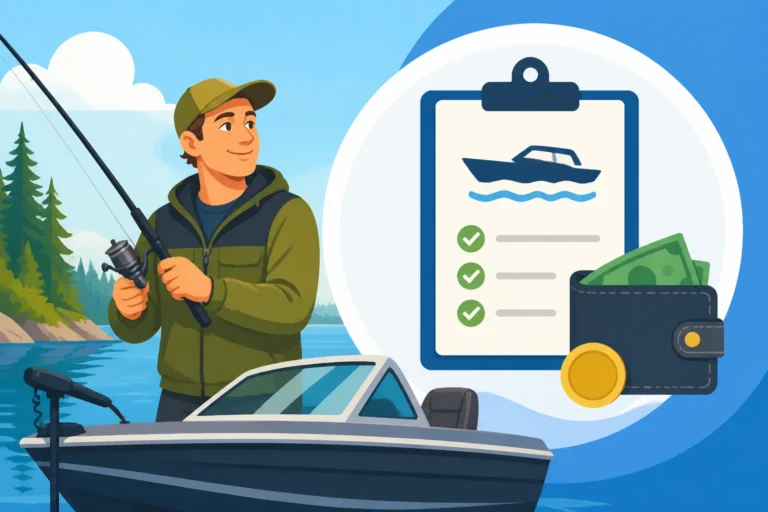
Navigating the regulations for boating in Ontario can feel like trying to untangle a fishing line after a big bite – a bit confusing and, frankly, a little frustrating. You're probably wondering how much it's actually going to set you back to get that all-important Pleasure Craft Operator Card (PCOC), and what exactly goes into that price tag. This guide is here to demystify the costs, break down your options, and help you get safely and legally on the water without any unexpected financial surprises.
Understanding the Pleasure Craft Operator Card
Before we dive into the nitty-gritty of costs, let's clear up exactly what the PCOC is and why it's such an essential piece of paper for anyone planning to enjoy Ontario's magnificent waterways. It's more than just a formality; it's a testament to your understanding of basic boating safety.
More Than Just a Boating License
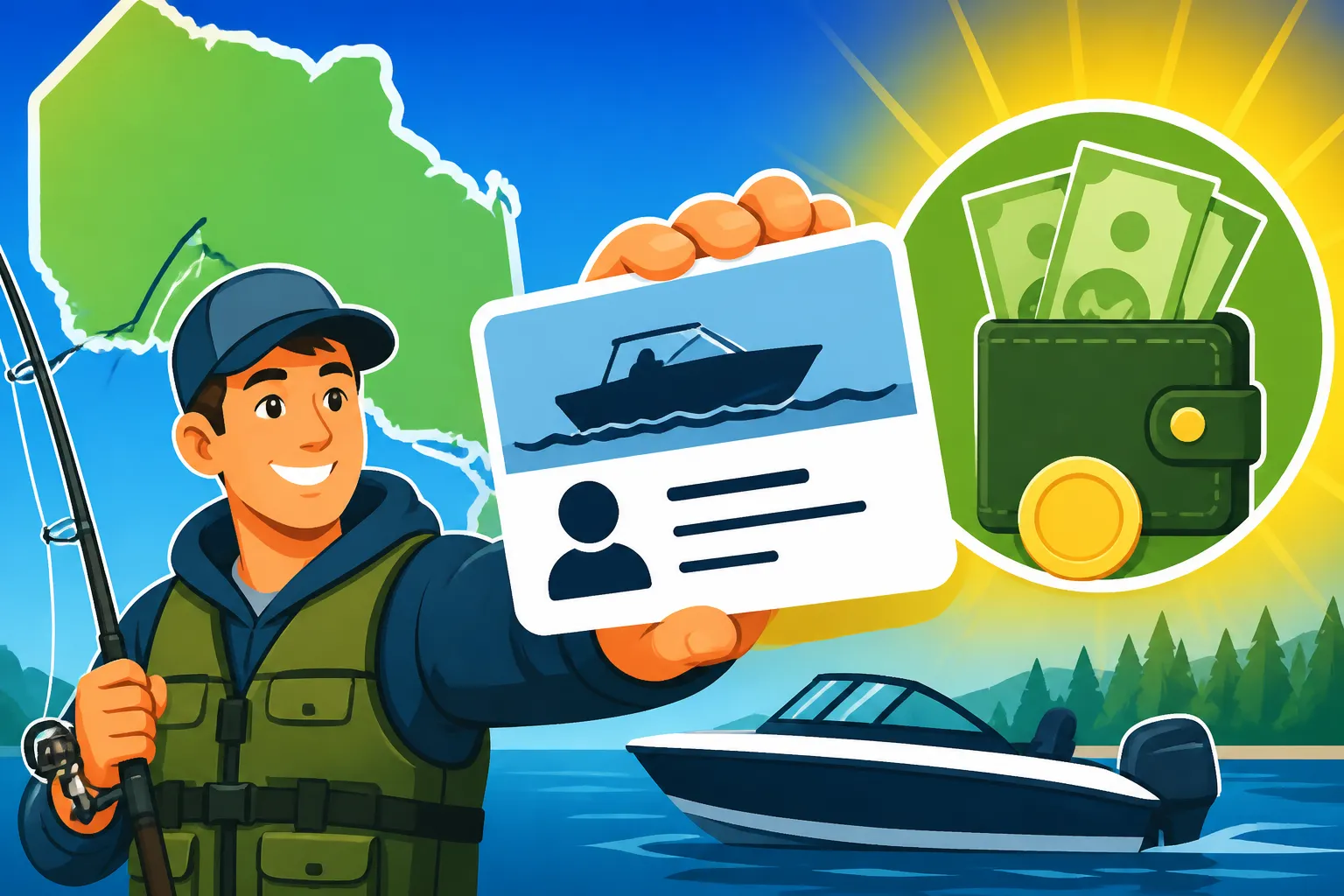
Think of the PCOC not as a provincial driver's license for a car, but as a federal certificate of competency. It's proof that you've passed an accredited course and demonstrated knowledge of safe boating practices, navigation rules, and emergency procedures. This isn't an Ontario-specific requirement; it's a Canada-wide regulation established by Transport Canada. So, whether you're planning to cruise on Lake Superior, fish for walleye on Lake Nipissing, or simply take the kids tubing on a small inland lake in cottage country, this card is your ticket to legal operation. It helps ensure everyone on the water understands the rules of the road, which ultimately makes boating safer for all of us.
Who Needs a PCOC?
This is a common question, and the answer is fairly straightforward for most recreational boaters. Anyone who operates a motorized pleasure craft in Canada, regardless of age, engine horsepower, or length of the boat, needs to carry proof of competency. This includes everything from a small fishing boat with a trolling motor to a large cruiser. There are very few exceptions. For example, you typically don't need one for non-motorized vessels like canoes or kayaks, or if you're operating a boat under the direct supervision of someone who already holds a PCOC. Also, if you’re visiting from another country and staying for less than 45 consecutive days, you might be exempt if you have a valid equivalent from your home country.
However, for most residents and visitors who want to take the helm, getting this card is a must. Imagine you've rented a pontoon boat for a family day on the water in the Kawartha Lakes. Without a PCOC, you could face significant fines, spoiling what should be a memorable outing. Make sure you understand all the specifics laid out in the Ontario Boating Laws for Anglers to avoid any issues.
Understanding the Costs: Exam Fees vs. Course Packages
When it comes to the actual cost of your PCOC, it's not a single fixed price tag. Your final expenditure will largely depend on how you choose to prepare for and take the required exam. There are a few pathways, each with its own associated cost structure.
The Bare Bones Exam Fee
If you're already a seasoned boater, perhaps you've spent years on the water with a family member who had their PCOC, or you simply prefer to learn through self-study with a book. In this scenario, you might just need to pay for the proctored exam itself. This is typically the cheapest route, as you're not paying for any instructional materials or online course access.
For just the exam, you can expect to pay anywhere from $30 to $60 CAD. Keep in mind this assumes you've done all your homework and are confident you can pass the Transport Canada-accredited exam without any guided instruction. It’s a great option for someone who might have taken a course years ago in another province and just needs the official Canadian certification now that they’re living in Ontario. Just make sure the provider offers a stand-alone exam option, as many prefer to bundle it with their course material.
Online Course and Exam Bundles
This is by far the most popular and recommended route for most aspiring boaters, especially if it's your first time getting certified. Online providers offer comprehensive courses that cover all the necessary material in an interactive, easy-to-digest format, culminating in the official exam. These bundles combine the learning materials with the exam fee into one convenient price.
You'll find these packages ranging from approximately $49 to $80 CAD. The price often includes access to online study guides, practice quizzes, and the final exam itself. Many providers also offer a "free re-test" policy, which can be a huge stress reliever if you don't pass on your first attempt. It's definitely worth checking out options like Ace Boater, BoaterExam.com, or MyBoatCard.com, all of which are Transport Canada-accredited. While you can find supplemental study guides on platforms like Amazon, remember that the actual course and exam must be completed through an officially recognized provider to receive your PCOC. These online courses are designed to prepare you thoroughly, ensuring you understand not just the rules, but also the reasoning behind them, making you a safer boater from the get-go. This is crucial for navigating any body of water, from the Great Lakes to smaller rivers. For specific details on what this card entails, you can refer to our guide on the Ontario Pleasure Craft Operator Card Requirement.
In-Person Course Options
While online courses have become the norm, some individuals prefer a more traditional, in-person learning environment. These courses are often offered by organizations like the Canadian Power and Sail Squadrons, local marinas, or community colleges. The advantage here is direct interaction with an instructor, the ability to ask questions in real-time, and often a more hands-on approach to certain safety elements.
Due to the overhead of classroom space, instructors, and materials, in-person courses tend to be a bit more expensive than their online counterparts. You might expect to pay anywhere from $90 to $150 CAD for a full in-person course and exam. This option can be particularly beneficial for those who struggle with self-paced online learning or prefer the camaraderie of a group setting. For instance, if you're a hands-on learner planning to operate a boat on unfamiliar waters like Lake of the Woods, the ability to discuss specific scenarios with an experienced instructor can be invaluable. It's a commitment of time and money, but for many, the quality of instruction and the immediate feedback make it a worthwhile investment in their boating education.
Factors Influencing the PCOC Price
The price of your Pleasure Craft Operator Card isn't just about choosing online versus in-person; there are several other subtle factors that can influence how much you ultimately pay. Being aware of these can help you make a more informed decision and potentially save some money.
Provider Reputation and Package Inclusions
Not all PCOC providers are created equal, even if they are all Transport Canada-accredited. Some well-established providers might charge a slightly higher fee, which often reflects the quality of their instructional materials, the user-friendliness of their online platform, and their customer support. A more expensive package might include things like a professionally printed, durable plastic card instead of just a paper printout, a more extensive library of practice questions, or even a guarantee of free re-takes on the exam if you don't pass the first time.
Consider the value proposition: is it worth paying a few extra dollars for a course that is clearly laid out, easy to understand, and offers excellent support if you encounter issues? For many, the peace of mind that comes from a reputable provider, such as those consistently recommended by Canadian Power and Sail Squadrons, is well worth the slight premium. Always check what's included in the "package" beyond just the exam access. Also, remember that your PCOC is for life; unlike your Ontario annual fishing license expiration date, it doesn't expire, making this a truly one-time investment.
Promotional Deals and Seasonal Discounts
Just like with many other online services, PCOC providers often run special promotions or seasonal discounts. You might find better deals during the off-season, such as in late fall or winter, when fewer people are thinking about boating. Planning ahead and keeping an eye out for these sales can result in significant savings.
For example, if you know you'll need your PCOC for next summer's fishing adventures on Lake Erie, doing some research and purchasing your course in January or February might save you 10-20% compared to buying it last-minute in June. It's always a good idea to sign up for newsletters from a few accredited providers or check their websites periodically. You might even find bundled deals that include other boating accessories or safety equipment, similar to how you'd look for deals on outdoor gear on platforms like Amazon. These small efforts can add up, especially if you're getting multiple family members certified for those summer cottage trips.
Group Rates and Family Discounts
If you're part of a family or group of friends all needing to get their PCOC, some providers offer discounts for multiple registrations. This can be a fantastic way to collectively reduce the cost per person. Imagine a scenario where you and your siblings are all planning to use the family cottage boat on Lake Muskoka this summer. Instead of everyone paying individually, a family package could offer a noticeable saving.
It pays to inquire directly with your chosen provider about any group or family rates they might have. They often aren't prominently advertised, but a quick email or phone call could reveal options. This not only makes it more affordable but also encourages everyone to get properly certified, ensuring safer boating for the whole crew. Remember, ensuring everyone on board understands safety, including wearing appropriate life jackets, is paramount. You can find more information on these requirements in our article on Ontario Life Jacket Requirements for Boaters.
Where to Get Your PCOC and What to Look For
So, you're ready to take the plunge and get your Pleasure Craft Operator Card. But with several providers out there, how do you choose the right one, and what should you be looking for beyond just the price? It's about ensuring you get a legitimate certification and a positive learning experience.
Navigating Certified Online Providers
The vast majority of people get their PCOC through online courses, which offer flexibility and convenience. When choosing an online provider, the absolute most critical factor is ensuring they are Transport Canada-accredited. This isn't just a suggestion; it's a legal requirement. If a provider isn't accredited, their course and exam won't be recognized, and you'll have wasted your time and money. Always look for the Transport Canada logo and a clear statement of accreditation on their website.
Beyond accreditation, consider the following:
- User Experience: Is the website easy to navigate? Are the course materials engaging, with clear explanations, videos, and interactive elements? A well-designed course will make learning much more effective.
- Practice Tests: Do they offer ample practice quizzes and a final mock exam? These are invaluable for gauging your readiness for the actual test.
- Customer Support: What kind of support do they offer if you have questions about the material or encounter technical issues? A responsive customer service team can make a big difference.
- Reviews: Check independent reviews. Platforms like Google or even comments sections on boating forums can offer insights into other users' experiences. You can even check product reviews on Amazon for related boating books or safety equipment, which sometimes leads to discussions about various PCOC providers.
The process typically involves signing up, completing the self-paced online course material, and then taking a proctored online exam. Once passed, your certificate is issued!
Understanding the "Re-take" Policy
This is one of those hidden value points that can make a big difference in the overall "cost" of your PCOC. Many reputable online providers offer a free re-take policy if you don't pass the exam on your first attempt. This can alleviate a lot of pressure and save you from having to pay an additional exam fee.
Imagine you've studied hard, but on exam day, you're a bit nervous and miss a few questions, falling just short of the passing grade. If your provider offers a free re-take, you can review the material, learn from your mistakes, and try again without any extra financial burden. This policy alone can make a slightly more expensive course bundle a better value than a cheaper one that charges for every re-attempt. Always confirm the re-take policy before you commit to a course. It's a crucial detail that can save you future frustration and money, especially when you consider the Ontario minimum fine for no Pleasure Craft Operator Card.
Physical Card vs. Temporary Printout
After passing your exam, you'll typically receive immediate proof of competency, usually in the form of a temporary digital certificate that you can print out. This printout is legally valid immediately, meaning you can get out on the water right away! However, many people prefer to have a durable, wallet-sized plastic card.
Some providers include the physical plastic card as part of their standard course package and mail it to you free of charge. Others might charge a small additional fee (e.g., $5-$15) if you want the physical card mailed to you. In some cases, there might be an option for expedited shipping at an extra cost if you need the card quickly.
It's a matter of personal preference and convenience. While the paper printout is perfectly legal, a plastic card is more durable and easier to carry in your wallet alongside your Printing or Carrying a Digital Fishing License in Ontario. Just be aware of any extra charges for the physical card or expedited shipping when you compare providers.
Potential Hidden Costs and What to Avoid
While the PCOC is generally a straightforward purchase, there are a few pitfalls and additional considerations that can lead to unexpected costs if you're not careful. Being savvy about these can save you both money and headaches.
Watch Out for Unaccredited Courses
This is probably the most critical "hidden cost" to avoid. The internet is a vast place, and unfortunately, there might be websites offering what appear to be PCOC courses at suspiciously low prices. The catch? They might not be accredited by Transport Canada. If a course isn't accredited, completing it means absolutely nothing in the eyes of the law. You will not receive a valid PCOC, and any money you spent will be entirely wasted.
Always double-check a provider's accreditation status. Look for clear statements on their website confirming they are Transport Canada-approved. Don't be fooled by promises of instant cards without an exam, or courses that seem too cheap to be true. It's far better to pay a legitimate provider for a certified course than to throw money away on a scam and still be without your required card. This mistake can cost you double: the money lost on the fake course, and then the money you'll still need to spend on a real one.
Expedited Shipping for Physical Cards
While the temporary printout of your PCOC is valid immediately after you pass, many boaters prefer to carry the durable, wallet-sized plastic card. If you're in a rush and need that physical card in hand for a trip, some providers offer expedited shipping services. This, however, comes with an additional cost, which can sometimes be quite significant depending on the speed and your location.
To avoid this extra expense, plan ahead! Take your PCOC course and exam well in advance of your boating season. This allows ample time for the standard (often free) shipping of your physical card. If you're planning a trip to a remote fishing lodge in Northern Ontario, for instance, getting your card sorted out weeks beforehand means you won't be scrambling or paying extra for rushed delivery. It's all part of being prepared, which also includes having your Ontario required boat safety equipment checklist in order.
The Cost of Complacency: Fines for Not Having a PCOC
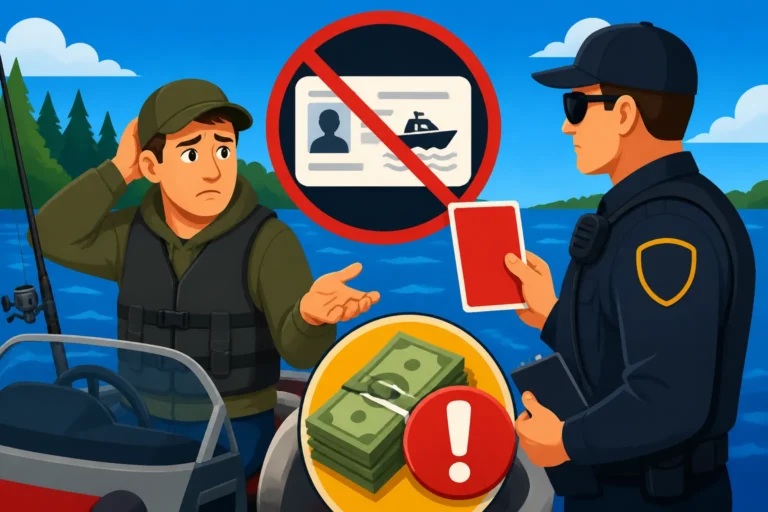
This isn't a cost of getting the PCOC, but it's a very real and significant cost of not having it. Operating a motorized pleasure craft in Ontario (and anywhere else in Canada) without carrying proof of competency can lead to substantial fines. Law enforcement, including the Ontario Provincial Police (OPP) and the Canadian Coast Guard, actively patrol waterways and enforce these regulations.
Fines for not having a PCOC can range from approximately $250 to $350 CAD, and sometimes even more depending on the specific circumstances and location. This doesn't include potential additional fines if you're found to be operating unsafely or without other required safety equipment. Compared to the relatively low cost of obtaining the PCOC (typically under $100), paying a fine is a much more expensive lesson. It's akin to the penalties for Fishing Without a License in Ontario: Penalties – an unnecessary expense that could easily be avoided. Investing in your PCOC upfront is a small price to pay for legal compliance, peace of mind, and ultimately, safer boating.
Keeping Your PCOC Valid and Safe Boating Practices
Once you've successfully passed your exam and received your Pleasure Craft Operator Card, you're officially ready to hit the water! But there are still a few things to keep in mind to ensure your certification remains valuable and that you continue to be a responsible, safe boater.
Lifetime Validity and No Renewal Fees
One of the best features of the PCOC is that, unlike many other licenses or certifications, it's valid for life! Once you've earned it, you never have to renew it, and there are no ongoing renewal fees. This is a significant advantage, making it a true one-time investment in your boating education and legal compliance. You won't have to worry about expiry dates like you do with an Ontario annual fishing license expiration date. Just keep your card in a safe place, or at least have access to a digital copy, and you're good to go indefinitely. This lifetime validity underscores the value of the initial cost – it's an investment that pays off forever on the water.
Beyond the Card: Continuous Learning
While the PCOC certifies your basic knowledge, safe boating is an ongoing journey of learning and experience. The card is a great starting point, but it doesn't cover everything. Conditions on the water can change rapidly, and being prepared means staying informed.
Consider taking advanced boating courses offered by organizations like the Canadian Power and Sail Squadrons. These courses delve deeper into topics such as navigation, marine first aid, weather forecasting, engine maintenance, and advanced boat handling. Even if you've been boating for years, there's always something new to learn, especially if you're venturing into more complex waters like the North Channel of Lake Huron or the bustling boat traffic of Lake Simcoe. Resources are also available online, some free, some paid, that help keep your knowledge sharp. Remember, a responsible boater is always a learning boater, constantly honing their skills to ensure the safety of themselves, their passengers, and everyone else enjoying Ontario's beautiful aquatic landscapes. Always stay updated on general Ontario Boating Laws for Anglers as they can be subject to change.
| PCOC Provider Type | Typical Price Range (CAD) | Key Features | Best For |
|---|---|---|---|
| Standalone Exam | $30 – $60 | No course materials, just the exam. | Experienced boaters or those who self-study. |
| Online Course & Exam Bundle | $49 – $80 | Full online course, practice tests, exam. Often includes free re-take. | Most first-time boaters; flexible learning. |
| In-Person Course | $90 – $150 | Classroom instruction, direct Q&A, comprehensive. | Hands-on learners, those preferring group settings. |
Disclaimer
The information provided in this guide is for general informational purposes only and does not constitute legal advice. While we strive to keep the information up-to-date and correct, boating regulations can change. It is always the responsibility of the individual boater to consult the official Transport Canada regulations and provincial guidelines to ensure full compliance. Pricing examples are estimates and may vary by provider and region.