Ontario whitefish limit
It can be incredibly frustrating to head out for a day of fishing, hoping to bring home some delicious whitefish, only to second-guess yourself about the legal limits. Nobody wants to accidentally break the rules and face a penalty, especially when you're just trying to enjoy the outdoors. This comprehensive guide is here to untangle the complexities of Ontario's whitefish limits, helping you understand the regulations, navigate the specifics of different zones, and ensure your next fishing trip is both rewarding and compliant.
Understanding the General Whitefish Limits in Ontario
When it comes to fishing in Ontario, understanding the rules, especially catch limits, is paramount. Whitefish are a popular species, known for their flaky, delicate meat, making them a prize for many anglers. However, their populations, like all fish, need careful management to ensure sustainability for years to come. This is precisely why the Ministry of Natural Resources and Forestry (MNRF) sets specific daily catch and possession limits. These aren't just arbitrary numbers; they're based on scientific data about whitefish populations in various parts of the province.
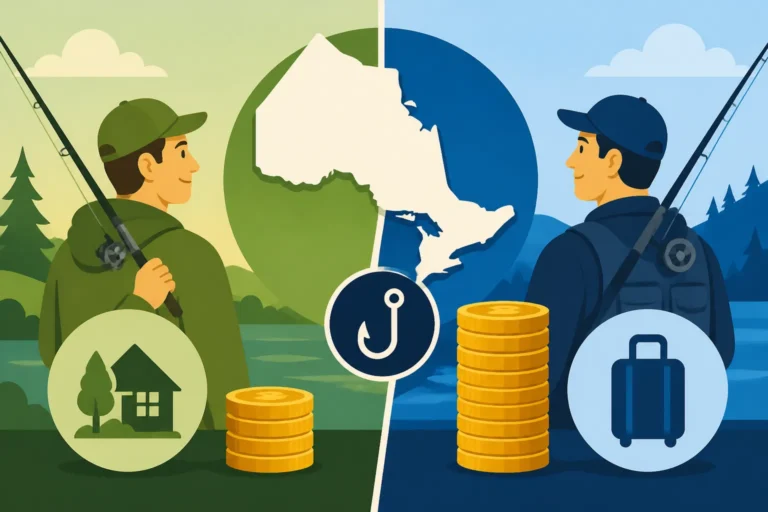
The general approach to whitefish limits, as with most species in Ontario, distinguishes between a Sport Fishing License and a Conservation Fishing License. This is a critical distinction that many anglers, especially those new to the province or returning after a long break, sometimes overlook. A Sport license generally allows for a higher daily catch and possession limit, catering to those who want to keep more fish for consumption or sharing. A Conservation license, on the other hand, is designed for anglers who prioritize conservation, allowing for a reduced limit, often half of the Sport limit, and typically at a lower cost. Knowing which type of license you hold is the very first step in determining your personal whitefish limit. You can learn more about this by checking out the guide on Ontario Sport vs Conservation Fishing License.
Daily Catch Versus Possession Limits
It's easy to confuse "daily catch limit" with "possession limit," but they're two distinct concepts in Ontario's fishing regulations. The daily catch limit refers to the maximum number of whitefish you are allowed to catch and keep in a single day, regardless of how many you might have released. Once you've reached your daily limit for whitefish, you must stop fishing for that species for the remainder of the day, even if you plan to release subsequent catches. This is a common point of confusion; many believe "catch and release" doesn't count towards the limit, but for keeping fish, it absolutely does.
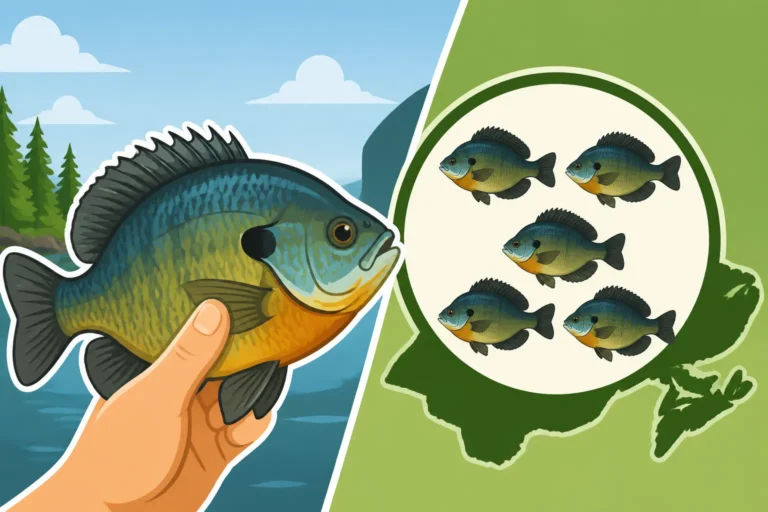
The possession limit, however, refers to the total number of whitefish you are allowed to have in your possession at any given time, whether they are fresh, frozen, or otherwise processed. This includes fish at your campsite, in your cooler, in your vehicle, or even stored at home. Your possession limit cannot exceed your daily limit unless otherwise specified in the regulations for a particular species or zone. For whitefish, it typically mirrors the daily limit. So, if your daily limit is 5 whitefish, you cannot have more than 5 whitefish anywhere in your possession from that fishing trip. This is designed to prevent anglers from stockpiling fish over multiple days, which could put undue pressure on local populations. It's a system that truly aims to balance angler enjoyment with ecological responsibility.
Whitefish Species Identification and Common Confusion
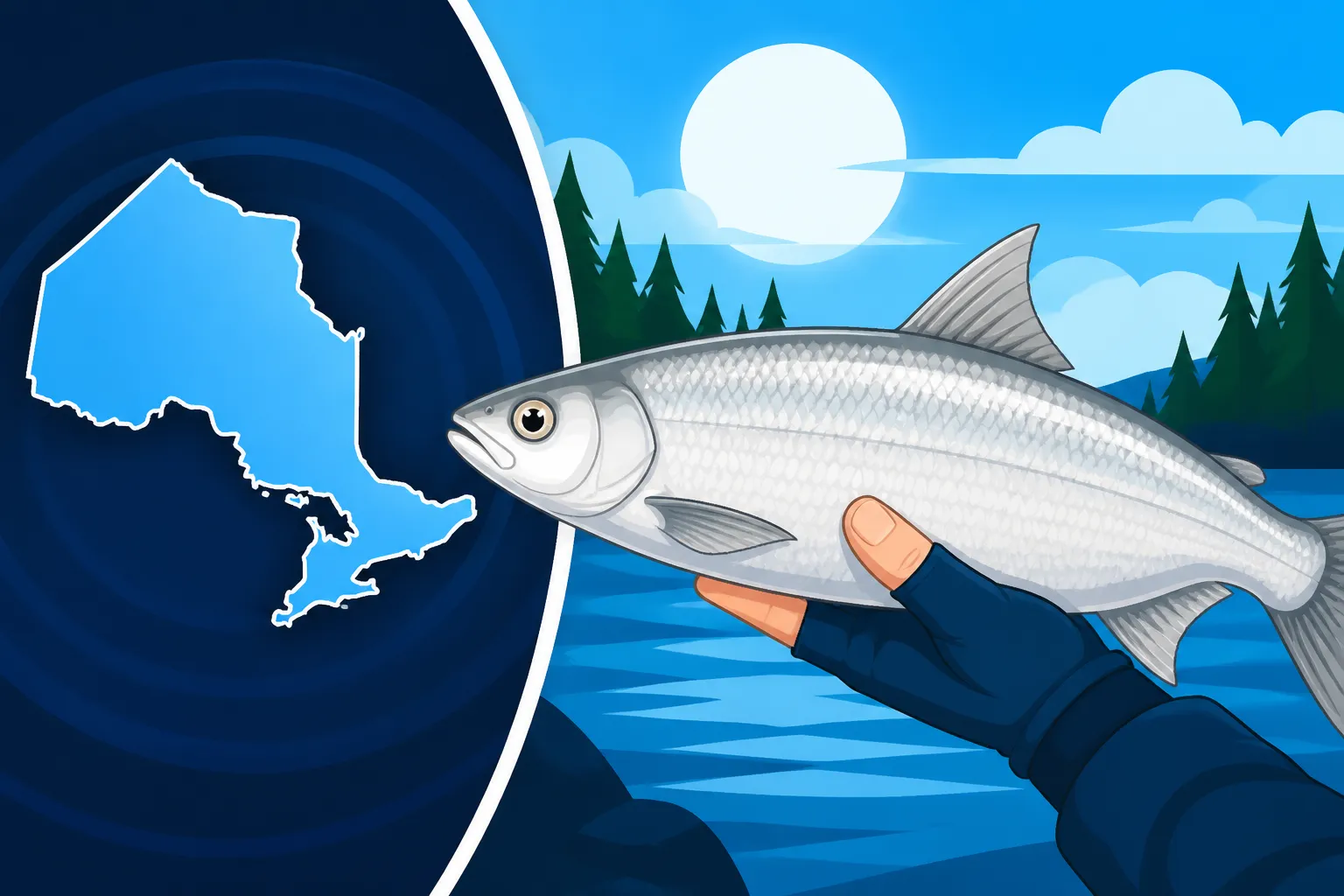
Before you even start worrying about the numbers, it's essential to be absolutely certain you've actually caught a whitefish! Ontario waters are home to several species that can sometimes be confused with true whitefish, especially by less experienced anglers. Lake Whitefish, the most common "whitefish" targeted, have a distinctly small mouth, a somewhat compressed body, and typically a silvery appearance. However, round whitefish are also present in some areas, though less commonly targeted by recreational anglers, and they have a more cylindrical body.
The main confusion often arises with ciscoes, also known as lake herring, which are another member of the whitefish family. Ciscoes tend to be more slender, often with larger eyes and a slightly different fin structure than the lake whitefish. While both are excellent eating fish, their regulations might differ, or they might be included under a general "other fish species" category, making accurate identification crucial. If you're unsure, a good resource is a reliable fish identification guide or even a quick search for images on your phone (if you have service!) to compare markings. Familiarizing yourself with what whitefish look like and where they live can really help prevent any accidental misidentification and subsequent regulatory issues.
Navigating Fisheries Management Zones for Whitefish Limits
Ontario is a vast province, and its fisheries are managed through a system of Fisheries Management Zones (FMZs). These zones are essentially geographical areas, each with its own specific set of fishing regulations tailored to the unique ecosystems and fish populations within them. What's allowed in one FMZ for whitefish might be entirely different in another, making it crucial to know which zone you're fishing in and to consult its specific rules. This is where many anglers can get tripped up, thinking a provincial general rule applies everywhere.
The whitefish limit, like many other species, is often standardized across many FMZs, but there are always exceptions. For instance, some zones might have a lower overall limit for whitefish, or specific lakes within a zone might have even more restrictive special regulations. This dynamic approach ensures that areas with thriving whitefish populations can sustain a higher harvest, while more vulnerable or recovering populations receive greater protection. Understanding the specifics of your chosen fishing location is not just a suggestion; it's a legal requirement to avoid penalties. You can find a detailed breakdown of these areas in Ontario Fisheries Management Zones, Explained.
How to Access Zone-Specific Regulations
The single most important tool for any angler in Ontario is the annual Ontario Fishing Regulations Summary. This document, available both online and in print at many license vendors, is your bible for all things regulatory. It breaks down the entire province into its FMZs and then lists the specific rules for each zone, including whitefish limits, season dates, and any special regulations for particular water bodies. It can feel like a lot to take in, but understanding Reading the Ontario Fishing Regulations Summary is an essential skill.
To find the whitefish limit for your specific fishing spot, you'll need to:
- Identify Your FMZ: Use the maps provided in the regulations summary or the interactive Fish ON-Line map to pinpoint which FMZ your lake or river falls into. The How to use the Fish ON-Line interactive zone map is an incredibly helpful digital tool for this.
- Locate Whitefish Regulations: Once you know your FMZ, navigate to that section in the summary. Look for the "Whitefish" entry.
- Check License Type: Confirm the limit based on whether you hold a Sport or Conservation Fishing License.
- Look for Exceptions: Always check for "Special Regulations" for specific lakes or rivers within that FMZ. Sometimes a particular lake might have a "no-kill" rule, or a reduced limit, even if the general zone limit is higher.
It's a good practice to download the PDF version of the regulations onto your phone or tablet, or even print out the relevant pages, especially if you're heading to an area with spotty cell service. That way, you have instant access to the definitive rules right on the water.
Variations in Whitefish Limits by Zone and License Type
While I can't give exact, always-current numbers here (as they can change annually), I can illustrate the types of variations you might encounter. For instance, in a generally productive FMZ for whitefish, the Sport limit might be quite generous, perhaps 5 or 6 whitefish per day/possession. For the same zone, the Conservation limit would then likely be half of that, say 2 or 3.
However, consider an FMZ where whitefish populations are stressed, or where specific conservation efforts are underway. In such a zone, the Sport limit might drop significantly, perhaps to 2 or 3 whitefish, with the Conservation limit being just 1. Some highly sensitive areas might even have a catch-and-release only rule for whitefish during certain periods or for the entire season. This highlights the importance of always checking the current regulations. Never assume the limit is the same as last year or the same as the lake you fished last week.
Here's a simplified example of how limits might look, but remember to always consult the official Ontario Fishing Regulations Summary for the most up-to-date and accurate information for your specific zone and year:
| License Type | Example General FMZ Limit (Daily/Possession) | Example Sensitive FMZ Limit (Daily/Possession) |
|---|---|---|
| Sport Fishing | 6 | 3 |
| Conservation Fishing | 3 | 1 |
This table is purely illustrative to show the potential difference between license types and zone conditions. Always double-check!
Practical Tips for Staying Compliant
Nobody wants to have their fishing trip interrupted by a Conservation Officer, especially if it's over an honest mistake. Staying compliant with whitefish limits, and all fishing regulations, is about being prepared and mindful. It's not just about avoiding fines, which can be hefty (you can read more about Fishing Without a License in Ontario: Penalties as an example of serious consequences), but also about being a responsible angler who contributes to the health of Ontario's fisheries.
One of the easiest ways to prevent over-possession is to keep a running tally of your kept fish. If you're fishing with others, make sure everyone in your party is aware of their individual limits and that you're not collectively exceeding a boat or group limit if that's a factor.
Measuring and Counting Your Catch Accurately
While whitefish don't typically have minimum or maximum size restrictions (slot limits) as commonly as bass or walleye, it's still crucial to accurately count your catch. Sometimes, especially with younger anglers, the excitement of catching fish can lead to miscounting. Before you place a fish in your cooler or livewell to keep, always perform a quick count. If you're on the cusp of your limit, it’s always better to be conservative.
For general measurements of other species, having a reliable measuring device is key. You can find simple, waterproof measuring tapes on Amazon that you can stick directly to your boat or tackle box. Even a flexible tape measure from your household supplies, kept in a sealed plastic bag, can work in a pinch. Accurate measurement, when required for other species, ensures you're only keeping legal-sized fish. For whitefish, it's mainly about the number.
Proper Storage and Transportation
Once you've decided to keep your whitefish, how you store and transport them matters. The regulations stipulate that any fish you keep must be readily identifiable. This means that if you've filleted your whitefish, there usually needs to be a patch of skin with the dorsal fin still attached to each fillet to allow for species identification and measurement (if applicable). This rule exists so that conservation officers can verify that the fish you possess are indeed legal to keep and within the limits for that species.
Always check the current regulations summary for specific filleting and identification rules. Some zones or species might have slightly different requirements. For storage, a good cooler with plenty of ice is essential, not just for compliance but for food safety and the quality of your catch. Many anglers invest in quality coolers, which are widely available at outdoor retailers and even on Amazon, to ensure their fish stay fresh and identifiable until they reach home.
The Importance of Your Outdoors Card
Beyond just your fishing license, the Ontario Outdoors Card, Explained is a fundamental requirement for anyone 18 years of age or older who wants to fish in Ontario. It's a plastic card with a unique identification number that acts as your angler profile within the provincial system. Your actual fishing license (Sport or Conservation) is then printed on paper and associated with this card.
You need to carry both your Outdoors Card and your valid fishing license with you whenever you are fishing. Think of the Outdoors Card as your fishing ID, and the license as the permission slip for the current season. This system makes it easier for you to renew your license annually and for the MNRF to manage angler data. Ensure both are current before you head out. You can learn more about where and how to buy a license in Where and How to Buy an Ontario Fishing License.
Ethical Angling and Conservation for Whitefish
Adhering to whitefish limits is just one part of being a responsible angler. The broader picture involves ethical angling practices that contribute to the long-term health of our aquatic ecosystems. Ontario is blessed with incredible natural beauty and abundant fish populations, and it's up to all of us to ensure these resources remain vibrant for future generations.
The Role of Catch and Release for Whitefish
While whitefish are commonly harvested for their culinary value, there might be times you find yourself exceeding your personal comfort level for keeping fish, or perhaps you're simply practicing catch and release. If you choose to release whitefish, it's crucial to do so in a way that maximizes their survival.
Here are some best practices for catch and release:
- Minimize Handling: Touch the fish as little as possible.
- Wet Hands: Always wet your hands before touching a fish to protect its slime coat, which is vital for disease prevention.
- Use Barbless Hooks: Barbless hooks make removal much easier and less damaging. You can crimp the barbs on regular hooks with a pair of pliers, easily found on Amazon or at any tackle shop.
- Quick Release: Have your camera ready (if you want a photo) and release the fish quickly.
- Revive Gently: If a fish seems sluggish, hold it gently in the water, facing into the current, until it swims away under its own power. Avoid dragging it backwards through the water.
While there isn't a specific Ontario Catch and Release Only Waters designation generally for whitefish, employing these techniques whenever you decide to release a fish is simply good practice.
Contributing to Healthy Whitefish Populations
Every angler, by following regulations and practicing ethical fishing, plays a direct role in maintaining healthy whitefish populations. These regulations are not put in place to hinder your fun, but to protect the resource. Overfishing, even by a few individuals, can accumulate and negatively impact local fish stocks over time.
By staying informed about the Ontario Bag and Possession Limits by Species, respecting the seasons, and understanding the nuances of your specific fishing zones, you contribute to a sustainable future for whitefish fishing. Remember, a healthy fishery benefits everyone – the fish, the ecosystem, and the anglers who cherish the experience. Whether you're enjoying a fresh whitefish dinner or simply the thrill of the catch and release, responsible angling ensures these opportunities endure.
Disclaimer
Please be aware that fishing regulations in Ontario, including limits for whitefish, can change annually. The information provided in this guide is for general understanding and informational purposes only. It is essential that you consult the most current official Ontario Fishing Regulations Summary published by the Ontario Ministry of Natural Resources and Forestry (MNRF) for the specific year and your exact fishing location before you head out. Failure to do so could result in penalties.