Ontario crappie limit
It can be incredibly confusing to keep track of all the different fishing regulations in Ontario, especially when you're just trying to enjoy a relaxing day on the water chasing delicious panfish like crappie. Many anglers find themselves scratching their heads, wondering if the limits for crappie are the same as for other panfish, or if there's a specific rule they need to be aware of. This comprehensive guide is here to untangle that web of regulations, providing clarity on the Ontario crappie limit so you can fish with confidence and peace of mind.
Understanding Crappie Fishing in Ontario
Crappie are undeniably one of Ontario's most beloved panfish. Their aggressive bites, delicious white meat, and schooling tendencies make them a blast to catch for anglers of all skill levels, from seasoned veterans to excited youngsters on their first fishing trip. There's nothing quite like finding a school of crappie and pulling in fish after fish, creating those lasting memories on the lake. This widespread popularity, however, also means they're subject to careful management to ensure their populations remain healthy and abundant for future generations of anglers.
Why Crappie are So Popular
There's a reason crappie often feature prominently in conversations about fun fishing experiences. They're accessible, often found in good numbers, and relatively easy to entice with simple baits and presentations. Whether you're dropping a tiny jig through an ice hole on Lake Simcoe in the dead of winter or casting a small spinner near weed lines on a warm summer evening, crappie are usually willing biters. Their mild, flaky flesh also makes them a fantastic table fish, perfect for a shore lunch or a family dinner, which adds to their appeal for many who enjoy harvesting their catch. This combination of sporting fun and culinary delight makes them a top target across the province.
Beyond their catchability and taste, crappie often provide an excellent gateway into fishing for beginners. The relatively consistent action can keep spirits high, especially for kids who might otherwise get bored waiting for a bite. Furthermore, they don't require overly specialized or expensive gear, making them an approachable species for anyone looking to get into the sport. Many anglers started their fishing journey by targeting panfish, and crappie often play a starring role in those early, foundational experiences, fostering a lifelong love for the outdoors.
The Importance of Regulation
While the sheer joy of catching crappie is undeniable, it's crucial to remember that these fish, like all others, are a shared resource. The Ontario Ministry of Natural Resources and Forestry (MNRF) implements regulations to ensure the long-term health and sustainability of fish populations across the province. These rules, including daily catch and possession limits, are not designed to hinder your enjoyment but rather to protect the fishery from overexploitation. Without them, even abundant species like crappie could face decline, impacting the delicate ecosystem and the recreational opportunities we all cherish.
These regulations are based on scientific data, population assessments, and habitat evaluations for each Fisheries Management Zone (FMZ). They aim to strike a balance: allowing anglers to enjoy their sport and harvest fish, while also ensuring enough fish remain to reproduce and replenish stocks. Ignoring these limits, even unintentionally, can have cumulative negative impacts on local crappie populations and can also lead to significant penalties for the individual angler. It's truly a collective responsibility to understand and respect these rules to keep our waters vibrant and full of fish.
General Panfish Rules vs. Species-Specific Limits
In Ontario, things can get a little nuanced when it comes to panfish. Often, the regulations summary groups several species under the umbrella term "Panfish," which might include crappie, yellow perch, sunfish (like bluegill and pumpkinseed), and rock bass. These general panfish regulations often apply to most lakes and rivers within a given FMZ. However, it's really important to remember that crappie sometimes have their own specific limits that differ from the general panfish category. This is often the case in waters where crappie populations are particularly strong or where specific management strategies are in place.
So, while you might see a "Panfish" limit of 50 for a Sport fishing license in one zone, it's entirely possible that crappie in that same zone have a separate, lower limit, say 30. This is why a quick assumption can get you into trouble. Always double-check the specific entry for "Crappie" in the official regulations summary for the exact Fisheries Management Zone you plan to fish. You can find out more about the broader Ontario Bag and Possession Limits by Species to get a sense of how varied these limits can be across different fish types.
Ontario Crappie Limits by Fisheries Management Zone (FMZ)
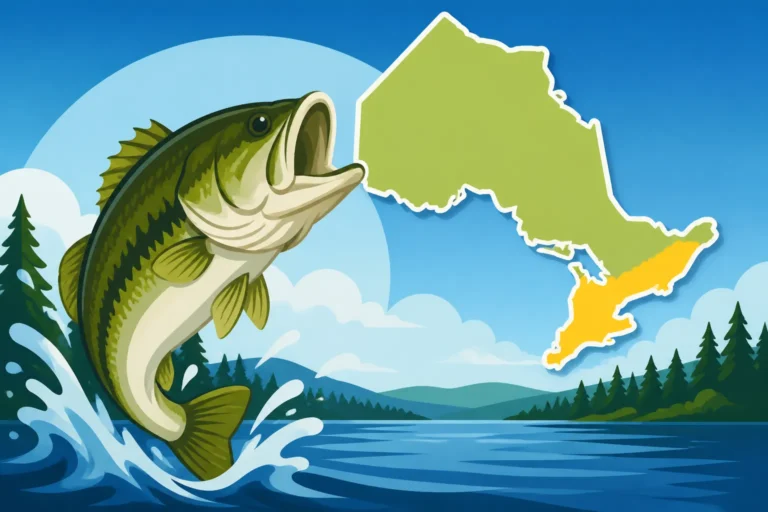
Navigating the province's fishing regulations starts with understanding the geographic divisions. Ontario is carved into 20 distinct Fisheries Management Zones, or FMZs, each with its own set of rules tailored to the specific ecological conditions and fish populations within that area. What's perfectly legal in FMZ 12 up north might be a violation in FMZ 20 down south. This localized approach is critical for effective fisheries management, but it also means anglers need to be diligent about knowing which zone they're in and what that zone's specific rules dictate for crappie.
How FMZs Impact Crappie Limits
The FMZ system is the backbone of Ontario's fishing regulations. Each zone has unique characteristics – different types of lakes and rivers, varying water temperatures, distinct fish species compositions, and different pressures from anglers. Because of these differences, a blanket provincial regulation simply wouldn't work. For crappie, this means that while many zones share similar panfish rules, some will have specific daily catch and possession limits for crappie that might be higher or lower than the general panfish limit, or even different from an adjacent zone. This localized approach ensures that crappie populations are managed sustainably, accounting for local factors that affect their numbers and health.
To illustrate, consider some common FMZs. In southern Ontario, including FMZ 16 (home to popular Lake Simcoe) and FMZ 20 (covering Lake Erie and the Niagara River), the crappie limit for a Sport fishing license is typically 30 and 50 respectively. However, if you're venturing further north into zones like FMZ 12, often found around the Kenora area, the crappie limit is typically 30. These differences underscore the importance of checking the precise rules for your destination. It's not just about knowing you need a license; it's about knowing the specific rules for the specific fish in the specific place you're casting your line. You can explore more about these divisions by looking into Ontario Fisheries Management Zones, Explained.
Sport vs. Conservation Limits for Crappie
Another crucial distinction in Ontario fishing is the type of license you hold: a Sport fishing license or a Conservation fishing license. This isn't just a different piece of paper; it dictates the number of fish you're legally allowed to keep. A Sport fishing license allows for a higher daily catch and possession limit, designed for anglers who want to maximize their harvest within sustainable parameters. A Conservation fishing license, on the other hand, comes with significantly reduced limits – usually about half that of a Sport license – promoting a more catch-and-release focused approach and reducing overall pressure on fish stocks.
For crappie, this distinction is very clear. If the Sport limit for crappie in a given FMZ is, say, 30 fish, then the Conservation limit will almost always be 15. This applies to your "possession limit" as well, which is the total number of fish you can have on your person, in your boat, or at your camp, regardless of when they were caught. Always be sure your cooler doesn't exceed your license's possession limit. Understanding the difference between these two license types is paramount for any angler. You can delve deeper into this topic by reading up on the Ontario Sport vs Conservation Fishing License guide.
Here's a quick look at typical crappie limits for a few popular FMZs:
| Fisheries Management Zone (FMZ) | Crappie Daily Catch Limit (Sport License) | Crappie Daily Catch Limit (Conservation License) | Notes |
|---|---|---|---|
| FMZ 12 (NW Ontario) | 30 | 15 | Applies to many northern lakes. Check specific water bodies. |
| FMZ 16 (Lake Simcoe, etc.) | 30 | 15 | Popular zone for crappie; no specific size limit. |
| FMZ 18 (Eastern Ontario) | 30 | 15 | Covers many productive lakes and rivers in the east. |
| FMZ 20 (Lake Erie, Niagara) | 50 | 25 | Generally higher limits due to vast water bodies. Always confirm for specific Niagara River regulations. |
Note: These limits are illustrative and based on general regulations. Always consult the most current Ontario Fishing Regulations Summary for the precise rules pertaining to your specific fishing location and license type.
Navigating the Ontario Fishing Regulations Summary for Crappie
The official Ontario Fishing Regulations Summary is your bible when you're out on the water. It’s easy to feel overwhelmed by the sheer volume of information contained within its pages, but taking the time to understand how it's structured and where to find the specific crappie regulations is an essential part of responsible angling. Many anglers just glance at it or rely on outdated information, which can inadvertently lead to rule violations.
Where to Find the Official Information
The absolute best and most reliable source for the most up-to-date crappie limits and all other fishing regulations is the official Ontario Fishing Regulations Summary. This document is published annually by the MNRF and is readily available in several formats. You can pick up a physical copy for free at most ServiceOntario locations, bait and tackle shops, and provincial park offices. Having a paper copy with you on the water, especially in areas with spotty cell service, is always a smart move.
Even better, the entire summary is available digitally on the Ontario government website. This online version is often the most current, especially if there have been any in-season amendments. Getting comfortable with finding your specific FMZ and then scrolling down to the "Crappie" entry (or the "Panfish" section if crappie are grouped there) is a skill every Ontario angler should master. Don't forget that you can also find a lot of useful information about Reading the Ontario Fishing Regulations Summary in another one of our helpful guides.
Common Misconceptions and Pitfalls
It's easy to fall into common traps when trying to interpret fishing regulations, and crappie limits are no exception. One major misconception is assuming that all panfish have the same limits across the board. While some zones might group crappie under a general "Panfish" limit, many have specific, often lower, limits for crappie. Always check for a separate entry for "Crappie" first before defaulting to the general panfish rule. Failing to do so can quickly lead to over-possession.
Another common pitfall is not verifying the correct Fisheries Management Zone. Anglers often fish near a zone boundary, or travel between zones, without realizing the rules change. A quick check of a map or a GPS app before you head out, confirming your exact FMZ, can prevent a lot of headaches. Moreover, some anglers forget the distinction between "daily catch" and "possession limit." Your possession limit is the total number of fish you can have, regardless of when they were caught, which includes fish in your livewell, cooler, or even back at your cottage. It's a cumulative total, not just what you caught that day.
Crappie Season Dates and Size Restrictions
Generally speaking, crappie in Ontario do not have a closed season. This means you can typically target them year-round, which is fantastic news for ice anglers who love jigging for them through the hard water, and for open-water enthusiasts who chase them from spring through fall. The continuous open season is a testament to their healthy populations and quick reproductive cycles in many waters. However, as always, it is paramount to consult the specific FMZ rules, as localized exceptions or special regulations can always exist for particular water bodies.
Unlike some other popular sport fish like walleye or lake trout, crappie usually do not have minimum or maximum size restrictions in Ontario. Most regulations simply state a number limit, without dictating length. This means that, within your daily catch and possession limit, you can generally keep crappie of any legal size. This can be a relief for anglers who don't want to carry a measuring board for every fish. Still, always keep an eye on the Ontario Fishing Season Dates by Zone for any changes or specific exceptions that might apply to your chosen fishing spot, as regulations can sometimes be adjusted based on population health.
Best Practices for Sustainable Crappie Fishing
While crappie are generally abundant, responsible angling is still key to ensuring these exciting fish remain plentiful for years to come. Simply adhering to the regulations is a great start, but adopting a mindset of conservation goes a step further, helping to actively contribute to the health of the fishery. It's about more than just following rules; it's about being a steward of our natural resources.
Catch and Release for Larger Crappie
When you're fishing for crappie, you'll often encounter a wide range of sizes. While the regulations might allow you to keep all sizes, consider practicing selective harvest. This means keeping the smaller to medium-sized fish for the table, and gently releasing the larger crappie. Those bigger fish, often referred to as "slabs," are typically the prime breeders in the population. By letting them go, you're allowing them to continue reproducing, contributing to the next generation of crappie and helping to maintain a healthy age structure within the fishery.
Think of it this way: a lake with a good mix of small, medium, and large crappie is much healthier than one where all the large fish are removed, leaving only smaller, less productive spawners. Releasing those trophy-sized crappie back into the water to fight another day ensures the genetic diversity and reproductive potential of the population remain strong. It's a small act that can have a big impact on the overall quality of crappie fishing in your favourite lake.
Proper Handling Techniques
If you decide to release crappie, especially larger ones, handling them correctly is crucial for their survival. Even hardy fish like crappie can be stressed by improper handling, which can lead to delayed mortality. The goal is to minimize their time out of water and avoid causing physical harm. Wet your hands before touching the fish to protect its slime coat, which is a vital defense against infection. Try to support the fish horizontally, especially if it's a larger one, to avoid damaging its internal organs or spine.
If the fish is deeply hooked, consider cutting the line as close to the hook as possible rather than trying to remove the hook, especially if it involves tearing delicate gill tissue. Barbless hooks can also make hook removal much easier and quicker. Get a quick photo if you want one, but prioritize getting the fish back into the water as quickly and gently as possible. Allow it to swim off under its own power. These simple steps ensure your released crappie have the best chance of survival.
Responsible Harvest within Limits
Even with the option of catch and release, there’s absolutely nothing wrong with keeping a legal limit of crappie for a delicious meal. That’s a significant part of the joy of fishing for many of us! The key is to be truly responsible and only harvest what you and your family will realistically eat. There’s no point in keeping a full limit of 30 crappie if only 10 will be consumed before they go bad. Freezers can get full quickly, and wasted fish is a wasted resource.
Before you head out, have a plan for your catch. Will you be cooking them fresh tonight, or are you planning to freeze some for later? Understanding your needs will help you decide how many fish to keep. This mindful approach to harvesting within the legal limits not only prevents waste but also shows respect for the resource and ensures that others can also enjoy the bounty of Ontario's waters. For general information on targeting these tasty fish, check out our guide on Panfish Fishing in Ontario.
Essential Gear for Crappie Anglers
While crappie aren't particularly fussy, having the right gear can significantly enhance your fishing experience and your success rate. You don't need a boatload of expensive equipment, but a few key items will make a world of difference when you're targeting these popular panfish. It's all about matching your tackle to the size and fighting style of the fish you're after.
Light Tackle Setups
For crappie, "light" is the operative word. These fish don't grow to monstrous sizes, so ultra-light or light-action spinning rods are ideal. A rod in the 5 to 6.5-foot range with a fast or moderate-fast action will give you the sensitivity to feel those subtle crappie bites and enough backbone to cast light jigs and handle their gentle fight. Pair this with a small spinning reel (typically a 1000 or 2000 series) spooled with 4 to 6-pound monofilament or fluorocarbon line, or even a very thin braid with a fluorocarbon leader. This delicate setup allows for excellent presentation of small baits and prevents overpowering the fish, which can tear hooks out of their papery mouths.
A good quality light tackle setup doesn't have to break the bank. There are many excellent, affordable options available that provide great performance for crappie fishing. When you're looking for new gear, consider checking out retailers like Amazon, where you can find a wide selection of rods and reels suitable for crappie. Having a balanced setup means you'll feel every tap and enjoy the fight of even a modest-sized crappie. For more specific recommendations, our guide on the Best Tackle for Panfish might give you some great ideas.
Baits and Lures
Crappie are opportunists, and a variety of baits and lures will entice them. Live minnows are a perennial favourite, fished under a bobber or on a small jig head. Small artificial jigs, often called "crappie jigs," are incredibly effective. These typically range from 1/32 to 1/8 ounce and come in various colours like chartreuse, white, pink, or black. You can tip them with a small plastic grub, tube bait, or even a tiny piece of worm. Small spoons and micro crankbaits are also excellent choices, particularly when crappie are actively feeding.
Experimentation is key, as crappie preferences can change from day to day and even hour to hour. Having a selection of jig colours and sizes in your tackle box is a smart move. When you're stocking up, many anglers find a huge variety of these specialized crappie baits and lures on Amazon, making it easy to build a diverse arsenal to cover different conditions and fish moods. Just make sure to match the lure size to the crappie's mouth size – they have surprisingly small mouths!
Important Accessories
Beyond your rod, reel, and lures, a few essential accessories can make your crappie fishing trip smoother and more enjoyable. A good pair of polarized sunglasses will help you spot crappie in clearer water and protect your eyes from the sun's glare. A pair of small fishing pliers or forceps is invaluable for removing hooks quickly and safely, especially if you're practicing catch and release. A measuring tape, while not always needed for crappie due to typical lack of size limits, is a good habit for all species and can be useful for other fish you might encounter.
Perhaps most importantly, especially if you plan to keep your catch, a reliable cooler and plenty of ice are non-negotiable. Keeping your crappie fresh immediately after catching them is vital for preserving their excellent flavour. A stringer is also a classic tool, but ensure it's not overfilled to keep fish alive longer if you're culling or releasing later. You can find all these practical accessories, from tackle boxes to coolers, readily available on Amazon, helping you stay organized and prepared for a successful day of crappie fishing.
Disclaimer
Please be aware that fishing regulations in Ontario can change. While this article aims to provide accurate and up-to-date information, it is your responsibility to consult the most current official Ontario Fishing Regulations Summary before heading out to fish. Always verify the specific rules for your chosen Fisheries Management Zone and the type of fishing license you hold to ensure compliance.