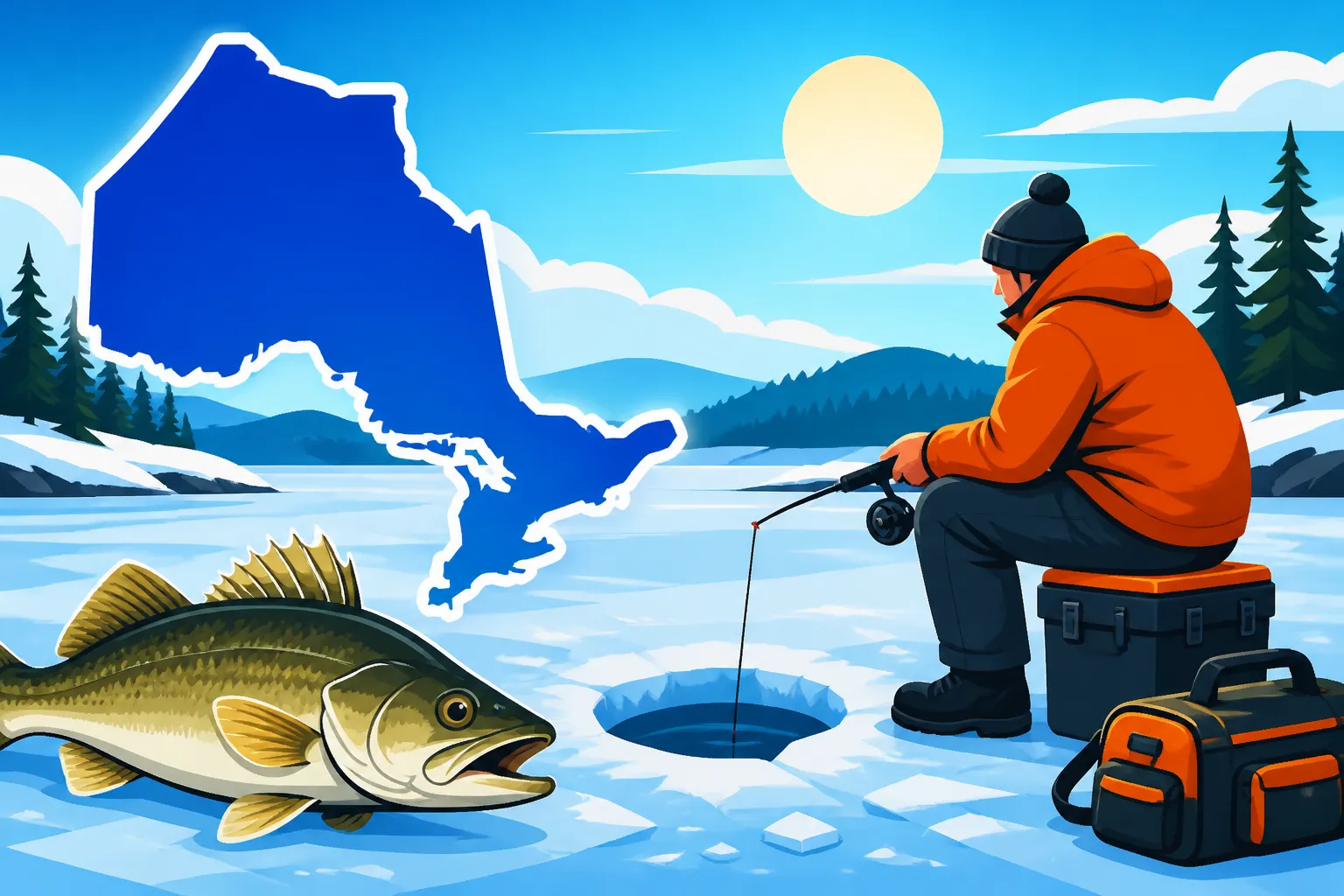
Best Ice Fishing Lakes in Ontario
There’s nothing quite like the crisp, still air of an Ontario winter morning, the vast expanse of frozen water stretching before you, and the anticipation of a tug on your line through a tiny hole in the ice. But let's be real, finding that perfect spot where the fish are biting, the ice is safe, and the scenery is stunning can feel like searching for a needle in a snowdrift. This guide is dedicated to helping you navigate the incredible world of ice fishing in Ontario, pointing you towards the most productive and beloved frozen lakes, ensuring your winter angling adventures are memorable and successful.
What Makes a Great Ice Fishing Lake in Ontario?
When you’re bundling up and heading out onto the ice, not all lakes are created equal. You’re not just looking for a body of water that freezes over; you’re looking for a winter wonderland that consistently offers good fishing, reliable ice, and often, a community that embraces the season. It’s about more than just fish; it’s about the entire experience, from the moment you drill your first hole to the sizzle of fresh-caught fish in the pan.
Accessibility and Ease of Access
One of the biggest frustrations, especially for those new to ice fishing or traveling with family, is trying to figure out how to even get onto the lake. A great ice fishing lake usually has well-maintained access points, ample parking, and often, local services that cater specifically to ice anglers. Think about it: dragging a heavy sled full of gear through deep snow to get to a remote spot isn't everyone's idea of a fun outing, especially on a frigid day.
Lakes that are easy to get to, with roads plowed right to boat launches or designated access points, are incredibly popular for good reason. They cut down on the physical exertion and allow you to focus more on the fishing itself. Some of the most popular spots even have snowmobile trails or plowed paths that lead directly to ice hut villages, making it a breeze to transport your gear or access a pre-booked rental. This ease of access contributes significantly to the overall enjoyment, especially when you're dealing with the challenges of winter weather.
Diverse Species and Consistent Action
Nobody wants to drill a dozen holes and not get a single bite. A truly great ice fishing lake boasts a healthy population of various fish species, offering consistent action throughout the winter months. Whether you’re chasing the thrill of a hard-fighting lake trout, the steady rhythm of perch and crappie bites, or the elusive walleye, the best lakes deliver.
Diversity in species means you can switch tactics if one isn't working, or target different fish throughout the day. Maybe the walleye bite slows down midday, but the yellow perch are still schooling up and providing steady entertainment. This variety keeps things exciting and increases your chances of going home with a successful catch. Lakes with a reputation for consistent catches year after year, thanks to robust fisheries management and healthy ecosystems, tend to draw the crowds, and for good reason – they deliver. For an idea of what fish you might find, check out our guide on Ontario Provincial Fish Records by Species.
Local Amenities and Services
Ice fishing isn't just about the fish; it's also about comfort and convenience. A top-tier ice fishing lake often has a supportive infrastructure around it. This means local bait shops stocked with live minnows and essential tackle, convenience stores for snacks and hot coffee, and perhaps most importantly, reputable ice hut operators and guides.
These services can transform a daunting trip into a smooth, enjoyable experience. Imagine arriving at the lake, and your heated ice hut is already set up over a productive spot, the holes are drilled, and even a bait bucket is waiting for you. Many local towns understand the economic boost that ice fishing brings and invest in services that cater to anglers. These could include local restaurants offering warm meals, motels with angler-friendly policies, or even services like FishingBooker where you can easily find and book local guides who know the lake inside and out. Having these amenities nearby means you spend less time worrying about logistics and more time enjoying the serene beauty and thrill of winter fishing.
Lake Simcoe: Ontario's Ice Fishing Mecca
Without a doubt, Lake Simcoe reigns supreme as one of Ontario's most celebrated ice fishing destinations. Nestled just an hour north of Toronto, its immense popularity is well-deserved, attracting thousands of anglers each winter. It's often referred to as the "ice fishing capital" for a reason, offering an incredible variety of species and a well-established infrastructure that makes winter angling accessible to everyone, from seasoned pros to first-timers.
Species Focus: Perch, Whitefish, and Lake Trout
Lake Simcoe is renowned for its diverse and thriving fish populations, making it a hotspot for multiple species. The true stars of the show for ice anglers here are often the jumbo yellow perch. These feisty panfish grow to impressive sizes in Simcoe, providing consistent action and excellent table fare. Many anglers spend their days jigging for these delicious fish, and it's not uncommon to pull up a cooler full.
Beyond the perch, Lake Simcoe boasts an incredible fishery for whitefish, particularly deep-water ciscoes and lake whitefish. These strong fighters offer a different challenge, often requiring specialized techniques like drop-shotting or subtle jigging in deeper waters. And for those seeking a true trophy, Lake Simcoe's lake trout population is robust. Anglers target these powerful predators with heavier gear, often using larger spoons or live bait, hoping for that exhilarating battle through a hole in the ice. The lake is also home to northern pike and burbot, adding even more variety to the potential catch.
Key Areas and Access Points
Lake Simcoe is a vast body of water, and knowing where to access it can make or break your trip. The eastern and southern shores are particularly popular for ice fishing due to good access and proximity to services. Towns like Orillia, Barrie, Jackson's Point, Innisfil, and Keswick serve as major hubs, with numerous public access points and boat launches that are maintained for winter use.
For perch and crappie, the shallower bays and flats, particularly around areas like Cook's Bay or Kempenfelt Bay (near Barrie), are often productive. For lake trout and whitefish, anglers typically venture further out into deeper sections of the main lake basin. Many ice hut operators have established "villages" on the ice in various locations, providing safe and convenient access for their clients. Before heading out, always check local ice conditions and consult with operators or local bait shops for the most up-to-date information on safe entry and productive areas. Our guide on Best Ice Fishing Access on Lake Simcoe offers more specific details on entry points.
Winter Accommodations and Services
What sets Lake Simcoe apart is its extensive network of services geared specifically towards ice anglers. You’ll find everything from full-service ice hut rentals to guides offering day trips and overnight stays. Many operators like Ice Bungalows, Simcoe Ice Hut Rentals, and Floyd Hutter's Ice Hut Rentals offer heated, comfortable huts, often equipped with propane heaters, seating, and even bunks for overnight trips. They handle the drilling of holes, transportation to and from the huts, and sometimes even provide bait.
For those who prefer to "rough it" a bit more but still appreciate guidance, many independent guides are available through platforms like FishingBooker, offering personalized trips and expert advice. Beyond the ice, the surrounding towns provide ample accommodations, from cozy motels to larger hotels, as well as a variety of dining options. It's truly a destination where you can plan a complete ice fishing getaway, regardless of your experience level or preferred style of angling.
Lake Nipissing: Northern Ontario's Walleye Powerhouse
Venturing further north, Lake Nipissing offers a more rugged, yet equally rewarding, ice fishing experience. While Lake Simcoe draws comparisons to a busy winter village, Lake Nipissing feels more like a vast wilderness playground. It’s particularly famous for its incredible walleye fishery, drawing anglers from across the province and beyond eager to land these coveted golden-sided fish through the ice.
Walleye Hotspots and Patterns
Lake Nipissing is synonymous with walleye, and winter is a prime time to target them. The lake's vast expanse means there are countless humps, reefs, and points where walleye congregate, particularly during the low-light hours of dawn and dusk. Areas like Callander Bay, the South Bay, and the various islands and shoals scattered across the main lake are known hotspots.
Anglers often use a combination of jigging spoons, lipless crankbaits, or dead-sticking a minnow near the bottom to entice these finicky eaters. The key often lies in locating subtle structure and understanding the depth where walleye are actively feeding. Unlike Simcoe’s bustling ice hut villages, Nipissing often sees anglers spreading out more, relying on snowmobiles or ATVs to access prime locations. It's not uncommon to find clusters of portable shelters appearing and disappearing as anglers follow the bite. For specific insights into targeting this species, check out our guide on How to Catch Walleye in Ontario.
Pike and Perch Opportunities
While walleye might be the main draw, Lake Nipissing offers fantastic opportunities for northern pike and yellow perch as well. Pike are ambush predators, often found lurking in shallower, weedy bays or near points where they can ambush unsuspecting baitfish. Tip-ups rigged with large dead bait (like frozen smelt or ciscoes) are a popular and effective method for targeting these toothy giants through the ice.
The perch fishery on Nipissing can also be very productive, especially in shallower areas. While perhaps not as famously "jumbo" as Simcoe's, Nipissing perch are abundant and provide consistent action, especially for those looking for a steady stream of bites. They're often found in similar areas as walleye, so anglers can sometimes enjoy a mixed bag. Many ice anglers will set up multiple lines, using one for walleye or pike and another for panfish, maximizing their chances and keeping the excitement going.
Local Outfitters and Guides
Given the sheer size and often more remote nature of Lake Nipissing, utilizing local knowledge is highly recommended. The communities surrounding the lake, particularly North Bay and Callander, have a strong contingent of dedicated ice fishing outfitters and guides. These professionals offer everything from heated ice hut rentals, often including transportation to and from shore, to guided snowmobile trips to prime fishing grounds.
Many operators have a deep understanding of the lake's ever-changing conditions and fish movements, which can be invaluable, especially if you're visiting for the first time. They often have portable shelters, depth finders, and even Vexilars or other ice fishing electronics available for rent. When planning a trip to Lake Nipissing, especially if you're seeking trophy walleye, connecting with a local outfitter through reputable services can significantly enhance your experience. Consider looking up services in the area to find experienced guides who can put you on the fish, perhaps through a platform like FishingBooker.
Other Top Southern Ontario Ice Fishing Lakes
Beyond the titans of Simcoe and Nipissing, Southern Ontario is dotted with numerous lakes that offer fantastic ice fishing opportunities. These often provide a more laid-back atmosphere, sometimes with different species to target, or simply closer proximity for a quick day trip.
Rice Lake: Panfish Paradise
Located in the Kawartha Lakes region, Rice Lake is a sprawling, shallow lake that transforms into an ice fishing haven each winter. It's particularly famous for its incredible panfish populations, making it a fantastic destination for families and those who love consistent action. Black crappie, bluegill, and sunfish are abundant, often schooling in impressive numbers, providing a steady stream of bites.
Anglers often target these panfish in shallower bays and weed lines, using small jigs tipped with live bait like minnows or maggots, or tiny soft plastics. While the panfish are the main draw, Rice Lake also offers good opportunities for walleye and northern pike, especially in deeper channels or near structured areas. It's a lake where you can spend a comfortable day in a portable hut, enjoying the steady tugs of panfish, or set out tip-ups for a larger predator. Many local resorts and bait shops around places like Bewdley or Hiawatha First Nation offer ice hut rentals and local advice.
Lake Scugog: Crappie Central
Another gem in the Kawartha Lakes system, Lake Scugog is a relatively shallow lake known for its exceptional crappie fishing. During the winter months, anglers flock to its frozen surface to target these delicious panfish. Scugog crappie are often found schooling in deeper holes or near submerged structure like weed beds and fallen trees.
Light tackle is the name of the game here, with small jigs, teardrop lures, and tiny minnows being highly effective. The crappie can be finicky, requiring a subtle touch, but when you hit a school, the action can be non-stop. Besides crappie, Lake Scugog also holds good numbers of largemouth bass (though typically a catch-and-release fishery in winter) and northern pike. Its proximity to the Greater Toronto Area makes it a popular choice for a day trip or a weekend getaway. Numerous local operators provide ice hut services, making it easy to access the best spots.
Lake Couchiching: Diverse Winter Fishery
Just north of Lake Simcoe, and often considered its smaller sibling, Lake Couchiching offers a fantastic, yet often less crowded, ice fishing experience. It's connected to Simcoe by a narrow channel, sharing many of its fish species but sometimes presenting a different challenge due to its shallower nature in many areas. Couchiching is a great place to target yellow perch, black crappie, and northern pike.
The shallower bays and weed beds of Couchiching are prime for perch and crappie, with anglers often setting up in 8-15 feet of water. Pike are also abundant, particularly along the edges of the deeper channels and near existing weed growth. Anglers often use tip-ups with minnows for pike, while jigging with small spoons or plastics works well for the panfish. Lake Couchiching also has a decent walleye population, though they can be a bit more elusive than on Nipissing. Its proximity to Orillia means easy access to bait, tackle, and accommodations, making it a convenient and productive choice for a winter outing.
Exploring Northern Ontario's Ice Fishing Gems
While Southern Ontario boasts highly accessible and popular ice fishing, Northern Ontario offers a more rugged, wilderness-oriented experience with opportunities for truly monumental catches. These lakes are often vast, less crowded, and steeped in natural beauty, providing a true escape for the adventurous angler.
Lake of the Woods: Vast Opportunities
Stretching across the Ontario-Manitoba border and into Minnesota, Lake of the Woods is an immense body of water with over 14,500 islands and 65,000 miles of shoreline. This geological marvel offers incredible ice fishing opportunities, particularly for walleye, northern pike, lake trout, and crappie. Its sheer size means endless possibilities for exploration and finding unpressured fish.
In winter, the lake becomes a labyrinth of frozen bays and channels. Anglers often target walleye in mid-depth areas around islands and reefs, using jigging spoons or set lines. Pike are abundant in shallower, weedy bays, where tip-ups excel. Lake trout can be found in deeper, clearer sections, particularly towards the western parts of the lake. Towns like Kenora and Sioux Narrows act as primary access points, offering guides, ice hut rentals, and various services. A trip to Lake of the Woods is an experience in itself, often requiring snowmobiles or tracked vehicles to navigate its frozen expanse, promising a true wilderness adventure for those willing to venture out. For those looking for deeper analysis of specific areas, check out Lake of the Woods Fishing Guide.
Eagle Lake: Trophy Potential
Located in Northwestern Ontario, Eagle Lake is renowned for its trophy-sized muskellunge, northern pike, and walleye. While its muskie fishery is primarily a warm-water pursuit, its winter ice fishing for walleye and pike is nothing short of phenomenal, with the potential for truly massive fish. The lake's clear, deep waters and abundant forage base contribute to the growth of these impressive predators.
Winter walleye fishing on Eagle Lake often involves targeting deep points, humps, and structural elements using jigging raps or spoons. The pike population is incredibly healthy, with many individuals exceeding the 40-inch mark, making it a prime destination for catch-and-release trophy pike fishing. Tip-ups with large dead bait are the preferred method for these giants. The relative remoteness of Eagle Lake means less pressure than many southern lakes, offering a more serene and wild ice fishing experience. Local lodges and outfitters in areas like Vermilion Bay cater to winter anglers, providing guides and access to the best fishing grounds.
Lake Nipigon and Rainy Lake: Remote Wilderness Experience
For the ultimate Northern Ontario ice fishing adventure, lakes like Nipigon and Rainy Lake offer unparalleled wilderness experiences. Lake Nipigon, a majestic freshwater sea, is famous for its massive brook trout, lake trout, and trophy pike. While accessing its prime fishing grounds can be challenging in winter, the rewards can be legendary. Anglers targeting brook trout often fish shallower bays and river mouths, while lake trout are found in its vast, deep basins. The lake's sheer size and often extreme winter conditions demand careful planning and respect for nature.
Rainy Lake, straddling the US-Canada border near Fort Frances, is another colossal body of water offering incredible ice fishing for walleye, northern pike, and crappie. Its countless islands, bays, and intricate structure provide endless possibilities. Walleye are often found over humps and deep flats, while pike patrol the edges of weed beds. Rainy Lake also holds a strong crappie population in its shallower, more sheltered bays. Both Nipigon and Rainy Lake typically require local guides or extensive knowledge of the area, often accessed by snowmobile or tracked vehicles, providing a truly immersive and unforgettable ice fishing trip into Ontario's wild north. Our Rainy Lake Fishing Guide provides further details.
Safety and Preparation for Ontario Ice Fishing
Ice fishing is an exhilarating winter activity, but the frozen environment demands respect and careful preparation. Safety should always be your number one priority when venturing onto the ice. Ontario winters can be unpredictable, and ice conditions can change rapidly.
Ice Thickness and Conditions
The golden rule of ice fishing is: "No ice is 100% safe." However, minimum ice thickness guidelines are crucial for safe travel. For single-person foot travel, at least 4 inches (10 cm) of clear, new ice is generally recommended. For groups, 6 inches (15 cm) is safer. Snowmobiles and ATVs require even more, typically 8-12 inches (20-30 cm) or more. Never rely solely on visual inspection; always test ice thickness with an auger or spud bar as you venture out.
Pay attention to color changes in the ice – clear, blue ice is strongest, while white or opaque ice (snow ice) is much weaker. Avoid areas near moving water, current, inlets, outlets, or pressure cracks, as these areas often have thinner, unstable ice. Always check local ice reports from bait shops or ice hut operators before heading out, as conditions can vary significantly even on the same lake. It's a good habit to understand How Thick Ice Needs to Be to Fish Safely in Ontario.
Essential Gear and Safety Equipment
Beyond your fishing rod and auger, several pieces of safety equipment are non-negotiable for ice fishing. Ice picks, worn around your neck, are vital for self-rescue if you fall through. A rope (at least 50 feet long) is essential for rescuing others. A floatation suit or PFD (Personal Flotation Device) provides crucial buoyancy and insulation in case of an accidental plunge.
Other must-have gear includes a spud bar (for testing ice thickness), a whistle (to signal for help), a headlamp or flashlight (especially for early morning or late evening fishing), and a fully charged cell phone. If you're using a snowmobile or ATV, ensure it's in good working order, you have enough fuel, and you carry a small survival kit with tools, a first-aid kit, and emergency supplies. Dressing in layers is also key to staying warm and dry, allowing you to adapt to changing temperatures throughout the day. For a complete list of gear, consult our Best Ice Fishing Gear for Ontario guide.
Dressing for Success and Cold Weather Comfort
Staying warm and dry is paramount to enjoying a day on the ice. Layering is the most effective strategy. Start with a moisture-wicking base layer (synthetics or wool, never cotton) to pull sweat away from your body. Add an insulating mid-layer like fleece or down for warmth. Your outer layer should be waterproof and windproof, such as a quality snowsuit or insulated jacket and bib pants.
Don't forget your extremities! Insulated, waterproof boots (like Baffin or Sorel) are crucial for keeping your feet warm and dry. Warm gloves or mittens (preferably waterproof, with a thinner pair for handling fish) and a warm hat that covers your ears are also essential. Chemical hand warmers and foot warmers can provide extra comfort on exceptionally cold days. Bringing a thermos of hot coffee, tea, or soup can also make a huge difference in staying comfortable and energized throughout your time on the ice.
Ice Fishing Species and Techniques
Ontario's diverse fisheries mean a wide array of species can be targeted through the ice, each with its own preferred habitat and effective techniques. Understanding these nuances can significantly improve your success rate.
Targeting Walleye Through the Ice
Walleye are a prized catch for many Ontario ice anglers, known for their delicious fillets and challenging bite. They are often found near structure such as rocky points, humps, and drop-offs, especially during low-light conditions. Effective techniques include jigging spoons (like Williams Wabler, Northland Buck-Shot Rattle Spoon) or lipless crankbaits (such as Rapala Rippin' Rap) tipped with a piece of minnow or an artificial scent.
Another popular and often effective method is "dead-sticking" – setting up a second rod in a holder with a live minnow suspended just off the bottom under a bobber. Walleye often respond to subtle presentations, so paying close attention to your electronics (like a flasher or fish finder) to detect subtle bites is crucial. Remember that walleye can be light biters, sometimes simply "thumping" the bait rather than aggressively pulling it, so a sensitive rod tip is often beneficial. For more specific tactics, check out Best Techniques for Ontario Walleye Opener.
Jigging for Perch and Crappie
Yellow perch and black crappie are fantastic panfish for ice fishing, offering consistent action and making them perfect for beginners and families. They tend to school in shallower to mid-depth areas, often near weed beds, submerged timber, or soft bottom flats. Look for them on your fish finder; once you locate a school, the action can be fast and furious.
Small jigs, often called teardrops or horizontal jigs, tipped with live bait like maggots (spikes) or waxworms, are incredibly effective for both species. Small soft plastics designed for ice fishing also work well. For perch, a popular setup involves a small jigging spoon (like a Swedish Pimple or Acme Kastmaster) fished with a dropper chain and a small hook tipped with bait. Crappie often prefer a slower, more subtle presentation. Vary your retrieve, from slow lifts and drops to tiny jiggles, until you find what triggers a bite.
Ice Fishing for Lake Trout and Pike
For those seeking larger, harder-fighting fish, lake trout and northern pike provide thrilling ice fishing challenges. Lake trout are typically found in deeper, clear, cold-water lakes, often suspended over deep basins or near rocky reefs. Large jigging spoons (like Bay de Noc Swedish Pimple, Luhr Jensen Krokodile), tube jigs, or large swimbaits are effective. Many anglers also use a "dead stick" with a large minnow or sucker suspended off the bottom. These fish fight hard and deep, so heavier line and a good reel are essential. Our guide on Best Techniques for Ice Fishing Lake Trout delves deeper into these tactics.
Northern pike, with their sharp teeth and aggressive strikes, are often targeted in shallower, weedy bays or along drop-offs. Tip-ups are incredibly popular for pike, set with a large minnow or sucker suspended below. Anglers often spread several tip-ups over an area, waiting for the tell-tale flag to pop up. When a flag goes up, approach quietly and let the pike run with the bait for a moment before setting the hook. Be sure to use a steel leader to prevent bite-offs from their razor-sharp teeth.
Planning Your Ontario Ice Fishing Trip
A successful ice fishing trip involves more than just knowing where to drill a hole. Thoughtful planning, especially for a multi-day adventure, can turn a good trip into a great one.
Choosing an Ice Hut Rental or Guide
For many, especially those new to ice fishing or without extensive gear, choosing an ice hut rental or hiring a guide is the best way to experience Ontario's frozen lakes. Ice hut operators provide heated shelters, drill the holes, and often transport you to and from shore. This takes away much of the logistical headache and allows you to focus purely on fishing. They range from basic, comfortable huts for day use to luxurious "ice bungalows" that offer overnight stays with amenities like beds, cooking facilities, and even washrooms.
Guides offer personalized experiences, often taking you to prime spots with their portable shelters and providing expert instruction. They typically supply all the necessary fishing gear, bait, and electronics. This is an excellent option for targeting specific species or learning advanced techniques. Many reputable guides can be found through local bait shops, word-of-mouth, or by searching online platforms such as FishingBooker, which can connect you with experienced local charters and guides. When booking, clarify what's included (bait, tackle, transportation, heat) and what you need to bring. Our guide on Best Ice Hut for Ontario Lakes can help you choose the right rental.
Understanding Ontario Fishing Regulations
Before you even think about dropping a line, it is absolutely essential to familiarize yourself with the Ontario Fishing Regulations Explained. These regulations are in place to manage fish populations and ensure sustainable fishing for everyone. Key aspects include understanding the different Fisheries Management Zones (FMZs), each with its own specific rules. Ontario is divided into 20 FMZs, and regulations like season dates, catch limits (bag and possession limits), and size restrictions can vary significantly from one zone to another, and even for different species within the same zone.
You’ll also need an Ontario fishing license and an Outdoors Card, unless you qualify for an exemption (such as during Family Fishing Weekends or certain age groups). Be aware of the difference between a Sport Fishing License and a Conservation Fishing License, as they have different catch and possession limits. Always carry a copy of the current Ontario Fishing Regulations Summary, either in print or digitally, and refer to it frequently. Ignorance of the rules is not an excuse, and penalties for violations can be significant. Our comprehensive Ontario Fishing License Guide for 2026 is a great resource.
Lodging and Dining Options
Ontario's popular ice fishing destinations offer a wide range of lodging and dining options to suit various preferences and budgets. In larger towns like Barrie, Orillia, or North Bay, you'll find everything from chain hotels and motels to cozy bed and breakfasts. Many of these establishments are accustomed to hosting anglers and may offer amenities like fish cleaning stations or freezer space.
For a more rustic experience, especially in Northern Ontario, lodges and resorts often provide cabins or cottages. These can be ideal for groups or families, offering more space and the ability to self-cater. Some even have direct access to the ice, allowing you to easily venture out from your doorstep. When it comes to dining, you'll find local diners serving hearty breakfast fuel for a day on the ice, along with pubs and restaurants offering warm, comforting meals to cap off a successful fishing day. Don't forget to ask locals for their favourite spots – sometimes the best food is found off the beaten path!
Comparing Top Ice Fishing Lakes
To help you visualize the differences and choose the best lake for your next adventure, here's a quick comparison of some of Ontario's premier ice fishing destinations.
| Lake Name | Primary Species | Best For | Typical Depth Range | Access & Amenities | Key Considerations |
|---|---|---|---|---|---|
| Lake Simcoe | Perch, Whitefish, Lake Trout | High-volume fishing, families, all skill levels | Varies (10-130 ft) | Excellent, many hut operators | Can be crowded, varying ice conditions, popular |
| Lake Nipissing | Walleye, Pike, Perch | Trophy walleye, solitude (further out) | Varies (15-150 ft) | Good, local guides & operators | Large lake, can be windy, need good transportation on ice |
| Rice Lake | Crappie, Bluegill, Pike | Panfish action, beginners, close to GTA | Shallow (5-20 ft) | Good, smaller local operators | Can have less clear ice, excellent panfish |
| Lake Scugog | Crappie, Pike, Largemouth Bass | Crappie specialists, day trips from GTA | Shallow (5-15 ft) | Good, local operators | Limited species diversity, excellent crappie |
| Lake of the Woods | Walleye, Pike, Lake Trout, Crappie | Wilderness adventure, diverse trophy fish | Varies (10-200+ ft) | Good (Kenora/Sioux Narrows) | Vast, requires careful navigation, remote feel |
| Eagle Lake | Walleye, Pike, Lake Trout | Trophy pike & walleye, wilderness | Varies (20-100+ ft) | Good (Vermilion Bay) | More remote, less pressured, big fish potential |
Conclusion
Ontario truly offers an unparalleled ice fishing experience, from the bustling "ice villages" of Lake Simcoe to the vast, wild expanses of Northern Ontario's legendary lakes. Whether you're chasing jumbo perch, elusive walleye, or powerful lake trout, there’s a frozen paradise waiting for you. Remember to prioritize safety, prepare for the elements, and always respect the regulations that keep these fisheries thriving. Embrace the quiet solitude, the thrill of the bite, and the stunning winter landscapes. With a little planning and this guide in hand, your next Ontario ice fishing adventure is sure to be one for the books!
Disclaimer
Please remember that fishing regulations, ice conditions, and local amenities can change. Always consult the most current Ontario Fishing Regulations Summary, check local ice reports, and prioritize safety before venturing onto any frozen water body. The information provided in this guide is for general informational purposes only.