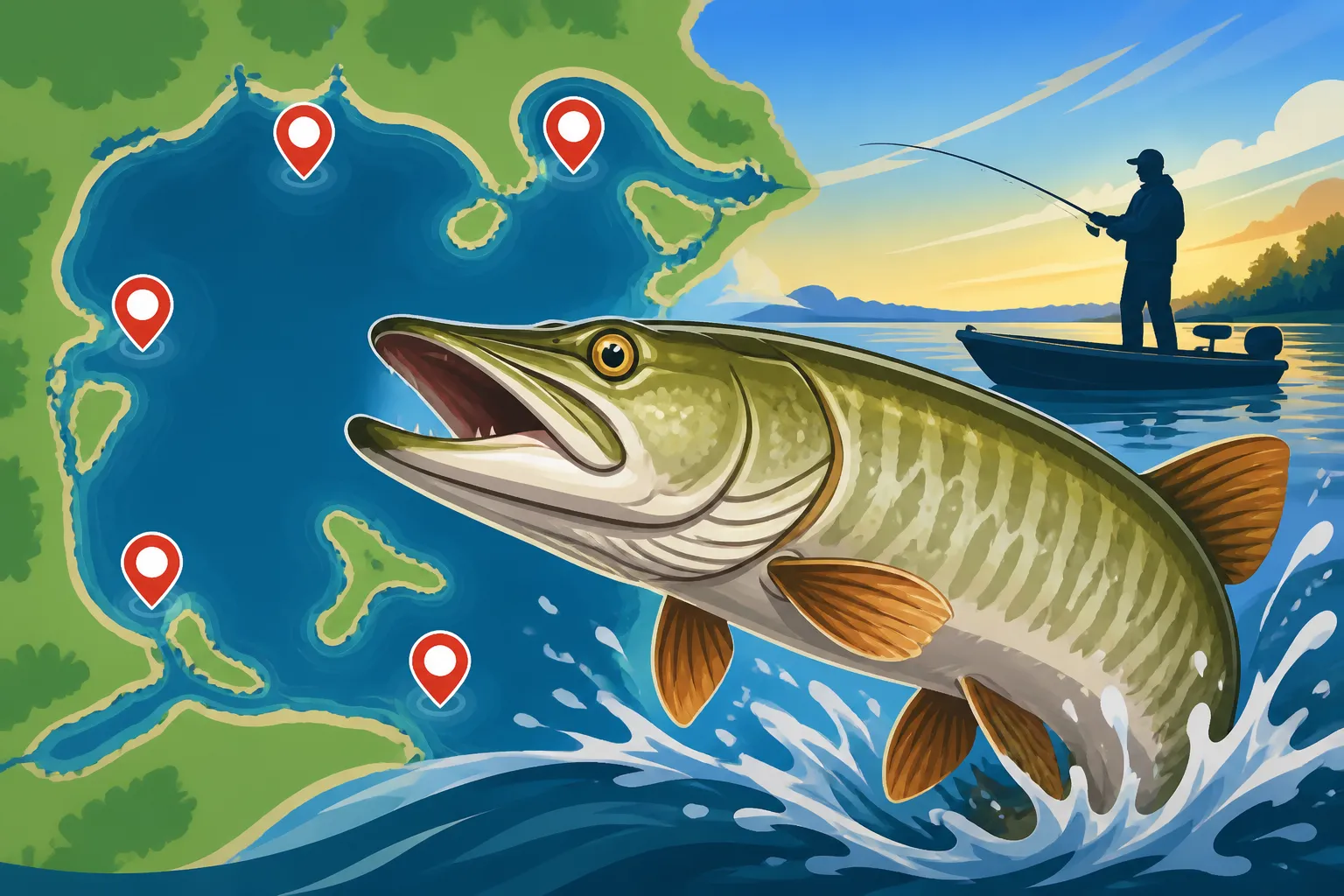
Best muskie spots on Lake St Clair
For any angler who dreams of tangling with a true freshwater giant, the quest for muskie can feel like a lifelong pursuit. These magnificent predators are notoriously elusive, demanding patience, skill, and a deep understanding of their habitat. If you've been yearning to experience the thrill of a muskie fight, Lake St. Clair stands out as one of Ontario's — and North America's — premier destinations, offering some of the best opportunities to encounter these elusive giants.
Understanding Lake St. Clair's Muskie Haven
Lake St. Clair isn't just a lake; it's a muskie factory, famous for producing both high numbers of fish and legitimate trophy specimens. What makes this body of water so exceptional for Esox masquinongy? It's a combination of unique geographical features and a vibrant ecosystem that creates perfect conditions for these apex predators to thrive.
Why Lake St. Clair is a Muskie Paradise
Imagine a relatively shallow, saucer-shaped lake, averaging only about 10 feet deep, but covering an immense 430 square miles between Ontario and Michigan. This shallow nature means the water warms up quickly, fostering an explosion of baitfish like shad, perch, and various minnow species. Muskie are voracious eaters, and a thriving forage base is absolutely essential for them to grow large and numerous. Lake St. Clair provides this in spades.
Beyond the abundant food, the lake features vast expanses of lush, healthy weed beds — particularly Eurasian watermilfoil and various pondweeds. These aquatic jungles are the perfect ambush points for muskie, offering cover, shade, and a constant supply of unsuspecting prey. The extensive network of channels, current breaks, and subtle depth changes throughout the lake also create diverse habitats that muskie utilize throughout the seasons, making it a dynamic and exciting fishery to explore. Many anglers consider it one of the absolute Best Muskie Waters in Ontario.
The Muskie You'll Encounter
When you drop a line in Lake St. Clair, you're not just hoping for a muskie; you're often expecting multiple opportunities. While there's always the chance for a true "fish of a thousand casts," Lake St. Clair consistently ranks as a top muskie fishery because of its high population density. It's not uncommon for experienced anglers to have several follows or even multiple hookups in a single day, especially during peak seasons.
The muskie in Lake St. Clair typically range from solid 30-inch fish all the way up to impressive 50-inch-plus monsters. These fish are robust and powerful, a testament to the lake's rich food supply. Anglers often comment on their incredible fighting ability, making every encounter memorable. Understanding the Muskellunge Growth Rate to Trophy Size helps put into perspective just how productive this fishery is, with many fish reaching substantial sizes faster than in less fertile waters.
Prime Muskie Locations on Lake St. Clair
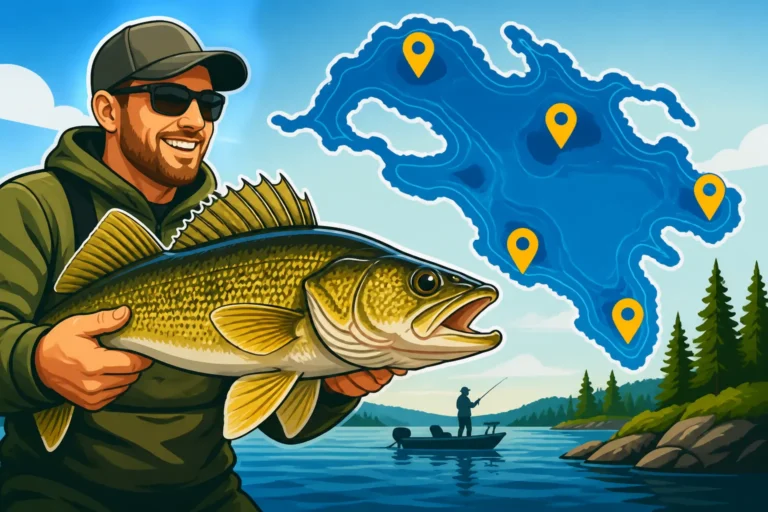
Finding muskie on a lake the size of St. Clair can feel daunting, but thankfully, these fish tend to congregate around specific types of structure and forage areas. Both the Canadian and American sides offer fantastic opportunities, though Canadian anglers will naturally focus on their home waters.
The Canadian Side's Hotspots
On the Ontario side of Lake St. Clair, some areas consistently produce excellent muskie fishing. These spots often share characteristics like extensive weed lines, access to deeper channels, and good baitfish populations.
- Mitchell's Bay: This shallow bay, located on the northeastern shore of Lake St. Clair, is arguably one of the most famous muskie fishing areas in Ontario. It's characterized by immense, dense weed beds, particularly in the shallower sections. The key here is to find the edges of these weed lines, especially where they meet deeper water or subtler channels. Muskie will patrol these edges, ambushing baitfish moving in and out of the cover. Trolling along these contours is a highly effective strategy, but don't overlook casting bucktails or large crankbaits into the pockets and openings within the weeds.
- St. Anne Island Area: To the southwest of Mitchell's Bay, the waters around St. Anne Island and its adjacent channels are another prime muskie hunting ground. The area features a mix of shallower weed flats and slightly deeper channels, offering varied structure. The current can also play a role here, drawing in baitfish and creating predictable ambush points for muskie. Focus on the transition zones between different depths and where weed growth is particularly lush.
- Thames River Mouth & Channels: The mouth of the Thames River, where it spills into Lake St. Clair, and the various connecting channels (like the Little River) can be excellent spots, especially during certain times of the year. The influx of nutrients from the river, combined with the current, attracts baitfish, which in turn draws in muskie. Look for areas where the river current meets the calmer lake waters, creating eddies and current breaks. These can be prime holding areas for muskie.
- Belle River Area: Further east along the Canadian shore, the area around Belle River offers similar opportunities to Mitchell's Bay, with sprawling weed flats and access to deeper areas. Public boat launches like the one in Belle River make access convenient, allowing anglers to explore the extensive shallow flats and their edges for active muskie.
The American Side's Legendary Waters
While focusing on Ontario, it's worth acknowledging the legendary status of the American side of Lake St. Clair for muskie, as many anglers do cross the border (with proper documentation) or simply appreciate the shared fishery. Areas like Anchor Bay and the St. Clair River mouth are particularly famous. Anchor Bay is a huge, relatively shallow bay on the Michigan side, much like Mitchell's Bay, with vast weed beds. The St. Clair River mouth offers strong currents and deeper channels, providing a different type of muskie habitat. When planning trips that might involve crossing international waters, always be mindful of Ontario Boating Laws for Anglers and any specific regulations for border waters.
Key Structural Elements to Target
Regardless of which side of the lake you're fishing, muskie on Lake St. Clair consistently relate to a few key structural elements:
- Weed Edges and Pockets: This is probably the most crucial feature. Muskie love to ambush prey from the cover of thick weeds. Focus on casting or trolling along the defined edges of weed beds, especially where they drop off into slightly deeper water. Also, look for "pockets" or openings within vast weed flats; these can be hotspots for lurking muskie.
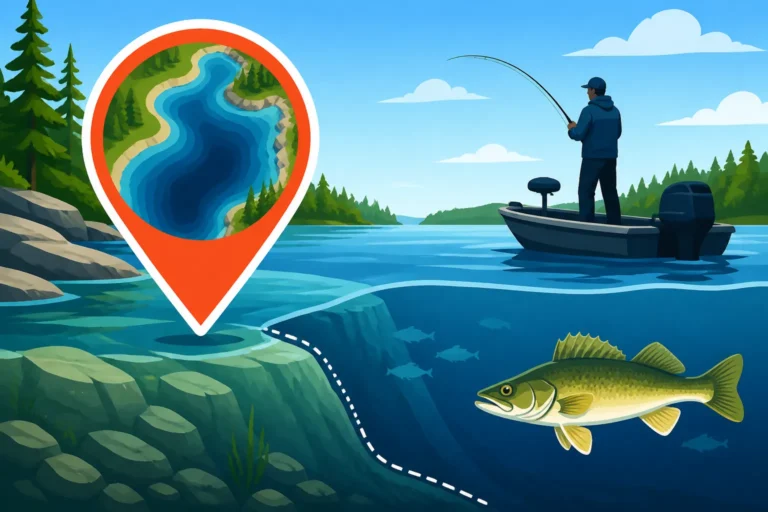
- Channels and Depth Breaks: Even in a shallow lake, subtle changes in depth, like channels or breaks from 8 to 12 feet, can be significant. These act as highways for baitfish and muskie alike. Trolling large crankbaits parallel to these breaks is a common and effective tactic.
- Current Seams and Eddies: Where the Thames River or other channels meet the main lake, currents are created. Muskie will often position themselves in current seams or eddies, where baitfish are swept past them, making for an easy meal. These areas can be particularly productive after heavy rains when river flow is increased.
- Rock Piles or Hard Bottom: While Lake St. Clair is predominantly soft-bottomed, any isolated rock piles, gravel patches, or even subtle changes to a harder bottom can attract baitfish and subsequently muskie. Keep an eye on your sonar for these anomalies.
Strategies for Success in Lake St. Clair's Muskie Territory
Catching muskie isn't just about finding the right spot; it's about understanding their behavior, presenting the right offering, and being prepared for the fight of a lifetime. Lake St. Clair offers incredible opportunities, but success often comes down to strategy.
Best Times and Conditions
Muskie are notorious for being moody, but certain conditions tend to get them more active.
- Seasonal Patterns: The prime muskie season on Lake St. Clair generally kicks off around the Ontario Muskellunge Season Dates and Limits opener, typically in early June, and extends well into the fall. Early season sees muskie often relating to shallower, newly emerging weed growth. Summer fishing can be excellent, especially around the extensive weed flats, but late fall is often considered trophy time. As water temperatures drop, muskie feed aggressively to pack on weight for winter, making them more susceptible to larger baits.
- Time of Day: Dawn and dusk are always excellent times for predator fishing, and muskie are no exception. Low light conditions give them an advantage over their prey. However, on Lake St. Clair, muskie can be caught throughout the day, especially if there's cloud cover, wind, or an approaching weather front.
- Weather and Pressure: Overcast days with a chop on the water are often ideal. The chop breaks up the water's surface, making it harder for muskie to be seen by prey (and vice-versa), encouraging them to hunt more openly. Stable weather patterns following a cold front can be tough, but if you catch them on the leading edge of a front, or during a period of rising barometric pressure, their activity can spike.
Top Baits and Techniques
Lake St. Clair muskie respond well to both casting and trolling, with many anglers combining both approaches throughout the day.
- Trolling: This is arguably the most popular and effective method for covering water and locating active muskie on a large lake like St. Clair.
- Crankbaits: Large, deep-diving crankbaits are a staple. Brands like Musky Mania's Drifter Tackle (e.g., Doc, Hellbender) or Livingston Lures' Titan series are popular choices. Experiment with natural baitfish patterns, but don't shy away from bright, aggressive colors like firetiger or chartreuse, especially in stained water or on overcast days. Trolling speeds typically range from 3-5 mph, but varying your speed with subtle turns can often trigger strikes.
- Inline Spinners/Bucktails: While often cast, larger inline spinners or bucktails can also be trolled, especially in shallower water or over the tops of submerged weeds.
- Casting: When you want to work specific structure or areas thoroughly, casting is key.
- Bucktails: These are classic muskie lures, mimicking fleeing baitfish. Brands like Mepps Musky Killer or Bucher Outdoors' Slopmasters are effective. High-speed retrieves often trigger reaction strikes.
- Glide Baits/Jerkbaits: Baits like a "Salmo Slider" or "Rapala Super Shad Rap" can be incredibly effective, especially when muskie are finicky. These lures have a unique side-to-side swimming action that can be paused and twitched, enticing hesitant fish.
- Soft Plastics: Large soft plastics, often weighted with heavy jig heads, can be worked along weed lines or deeper breaks. Brands like Chaos Tackle's Medussa or Bondy Bait Co.'s Original Bait are well-regarded.
- Consider consulting our guide on the Best Lures for Muskie Fishing in Ontario for more detailed recommendations.
Essential Gear and Safety Considerations
Muskie fishing is a demanding sport that requires specialized equipment and a strong commitment to safety, especially on a large water body like Lake St. Clair.
- Heavy Duty Tackle: You'll need stout rods (heavy or extra-heavy power, 8-9 feet long), robust baitcasting reels with a good drag system (like those highlighted in Best Baitcasting Reels for Muskie Fishing), and heavy braided line (80-100 lb test). A strong fluorocarbon or wire leader is absolutely essential to prevent bite-offs from their razor-sharp teeth.
- Release Tools: Muskie conservation is paramount. A large, rubberized landing net (at least 40 inches in diameter, like those discussed in Best Landing Net for Muskie), long-nosed pliers, and jaw spreaders are non-negotiable for safe and efficient catch and release. Many anglers also carry bolt cutters in case a treble hook is deeply embedded and needs to be cut for the fish's survival.
- Boat Safety: Lake St. Clair can get rough, especially with strong winds. Always check marine forecasts, carry all required safety equipment, and know your boat's limits. Ensure you understand Ontario Boating Laws for Anglers and that all passengers wear appropriate life jackets.
- Finding Expertise: If you're new to muskie fishing or Lake St. Clair, considering a guided trip can be an invaluable investment. Services like FishingBooker can connect you with experienced, local muskie guides who know the lake inside and out and can put you on fish while teaching you the ropes.
Navigating Lake St. Clair: Tips for Anglers
Preparing for a trip to Lake St. Clair involves more than just loading your tackle box; it means understanding the local landscape, regulations, and how to make the most of your time on the water.
Access Points and Launch Ramps
Accessing Lake St. Clair on the Canadian side is relatively straightforward, with several well-maintained public boat launches.
- Mitchell's Bay Marine Park: Located right in Mitchell's Bay, this facility offers excellent launch ramps, ample parking, and often amenities like bait shops and tackle stores. It's a fantastic base for exploring the northern Canadian waters.
- Belle River Marina: Further east, the Belle River provides another excellent public launch point, offering access to the eastern Canadian shores of the lake.
- Wallaceburg: For those looking to fish the Thames River and its connection to Lake St. Clair, launching from Wallaceburg can be a good option, providing easy river access.
Always check current launch conditions and fees before heading out.
Understanding the Regulations
Fishing in Ontario, especially for prized species like muskie, means knowing and adhering to the specific rules. Lake St. Clair falls under Fisheries Management Zone 20 (FMZ 20).
- Ontario Fishing Regulations Summary: Before your trip, always consult the most current Ontario Fishing Regulations Explained summary. It’s a crucial document that outlines everything from season dates and size limits to possession limits and bait restrictions.
- Muskie Specifics: Pay close attention to the Ontario Muskellunge Season Dates and Limits for FMZ 20. Muskie are often catch-and-release only in many areas or have strict slot limits to protect the breeding stock and trophy potential.
- Outdoors Card and License: Remember that anyone aged 18 to 64 (inclusive) requires an Ontario fishing license and an Outdoors Card. You can learn more about the Ontario Outdoors Card, Explained and how to purchase your license.
Hiring a Guide for a Muskie Adventure
For many, the sheer size and complexity of Lake St. Clair can be overwhelming, especially when targeting a challenging fish like the muskie. This is where the value of a professional fishing guide truly shines.
A local guide has spent countless hours on the water, understanding the seasonal movements of muskie, knowing where the baitfish are, and being intimately familiar with the lake's subtle underwater structures that don't always show up clearly on maps. They also typically have top-of-the-line boats and equipment, ensuring you're fishing with the best possible gear. If you're planning a trip to Lake St. Clair and want to maximize your chances of success, consider booking a charter. Websites like FishingBooker are fantastic resources for finding reputable, experienced muskie guides in the Lake St. Clair area, allowing you to compare options and read reviews from other anglers. A good guide can significantly shorten the learning curve, increasing your chances of landing that dream muskie, and also teach you valuable techniques and lake navigation skills.
| Feature | Description (Canadian Side, FMZ 20) | Muskie Strategy |
|---|---|---|
| Average Depth | ~10 feet, generally shallow | Focus on subtle breaks, channel edges, weed lines. |
| Primary Forage | Shad, Perch, Emerald Shiners, Goby | Use lures mimicking these baitfish; bright colors also work. |
| Key Habitat | Extensive weed flats (milfoil, pondweed), channels, current breaks | Target weed edges, pockets, channel transitions, and current seams. |
| Best Seasons | Early Summer (June), Late Summer (August), Fall (September-October) | Trolling in summer; casting/trolling large baits in fall for trophy fish. |
| Popular Tactics | Trolling large crankbaits, casting bucktails, glide baits, soft plastics | Vary retrieve speeds; experiment with depths; use heavy tackle. |
| Regulations | FMZ 20 specific: Check Ontario Muskellunge Season Dates and Limits for specific rules | Strict catch-and-release is common; proper handling tools (net, pliers, jaw spreaders) are mandatory. |
This lake is a true gem for muskie anglers, offering a unique and often rewarding challenge. With the right approach and a little bit of muskie magic, you'll be well on your way to creating unforgettable fishing memories on Lake St. Clair.
Disclaimer
The information provided in this guide is for general informational purposes only and is not intended as legal advice. Fishing regulations in Ontario can change, and it is the angler's responsibility to consult the most current official Ontario Fishing Regulations Summary before heading out on the water. Always prioritize safety and practice responsible angling, including proper catch and release techniques.