Best winter fishing spots in Ontario
Winter in Ontario, while undeniably beautiful, often presents a challenge for anglers: where do you even start when the lakes freeze over and the winds howl? Many of us look out at the vast, frozen expanse and wonder if our fishing rods should simply hibernate until spring. The truth is, some of the most exciting and rewarding fishing experiences in Ontario happen right through the ice, but knowing which spots offer the best action and, crucially, the safest conditions, can feel like a daunting task. This guide is all about cutting through that uncertainty, pinpointing the top winter fishing spots across the province, and helping you plan a successful and memorable ice fishing adventure, no matter your experience level.
Why Ontario's Winter Waters Call to Anglers
There's a special kind of magic that settles over Ontario's lakes when winter truly takes hold. The crowds thin out, the scenery transforms into a breathtaking wonderland, and beneath the ice, many fish species become incredibly active, offering some of the year's most productive angling. It's a unique blend of tranquility and exhilarating action that every angler should experience.
The Allure of Ice Fishing and Winter Species
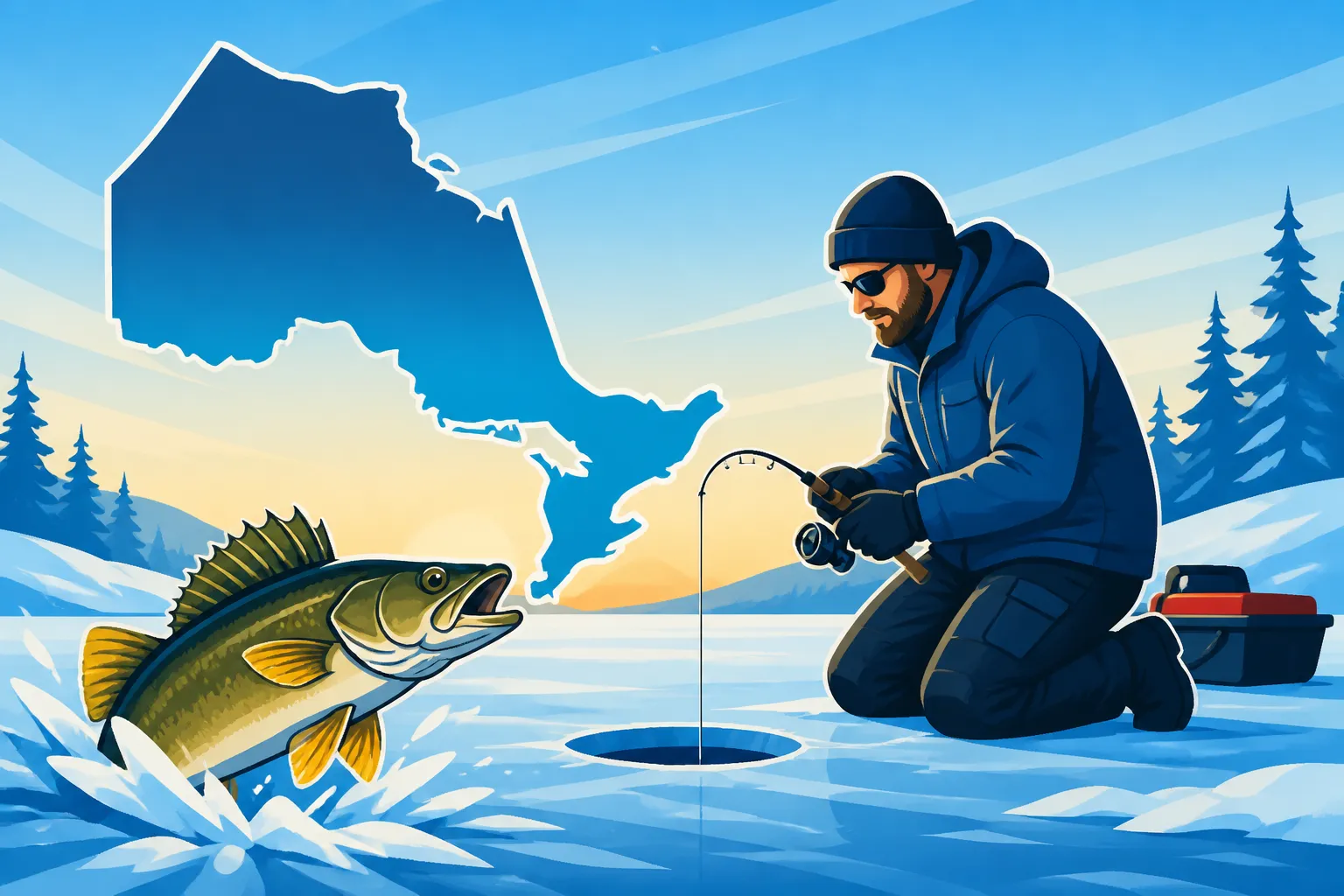
Ice fishing isn't just a way to pass the time; for many, it's a cherished tradition and a highly effective method for targeting some of Ontario's most sought-after game fish. When the ice forms, fish often congregate in specific areas, making them easier to locate and pattern than during the vastness of open water seasons. This can lead to incredible days on the ice, especially for species that thrive in the cold.
Walleye, for example, often go on aggressive feeding sprees in early and late winter. They move onto shallower structures and flats to feed, providing fantastic opportunities for anglers employing jigs and spoons. Lake trout, on the other hand, are often found suspended over deep water or cruising rocky points, and they can be incredibly feisty when hooked through a small hole in the ice. Then there are the panfish – yellow perch and crappie – which school up in huge numbers, offering fast and furious action that's perfect for families and beginners. Catching a bucket full of jumbo perch for a fish fry is a quintessential Ontario winter experience. For a deeper dive into this thrilling pursuit, you might want to check out our comprehensive guide on Ice Fishing in Ontario.
Beyond the Ice: Open Water Winter Opportunities
While ice fishing dominates the winter conversation, it's worth remembering that not all of Ontario's waters freeze solid. Certain rivers and tailwater sections below dams can remain open year-round, offering unique fishing opportunities. These open water stretches, often fed by warmer spring water or churned by current, can be phenomenal for brown trout, rainbow trout (steelhead), and even some aggressive walleye, depending on the location.
The Niagara River, for instance, is famous for its winter steelhead runs, attracting anglers who brave the cold for a chance at these powerful fish. Other major rivers like the Grand River or parts of the Nottawasaga might offer spots where current keeps the water moving, providing access to hungry fish. These spots require a different approach than ice fishing, typically involving heavy layering, good wading boots, and specialized gear for river current, but they offer a fantastic alternative for those who aren't ready to drill a hole. Always prioritize safety and check local conditions and regulations before venturing onto open water in winter.
Navigating Ontario's Premier Ice Fishing Destinations
Ontario is a huge province, and its winter fishing opportunities are just as vast and varied. From the easily accessible, bustling ice fishing towns of Southern Ontario to the wild, remote lakes of the North, there's a perfect spot for every angler.
Southern Ontario's Bustling Ice Fishing Hubs
Southern Ontario might be the most populated part of the province, but it also boasts some of the most popular and productive ice fishing lakes, often supported by fantastic infrastructure like hut rentals and guiding services.
Lake Simcoe: The Jumbo Perch Capital
Lake Simcoe is, without a doubt, Ontario's most iconic ice fishing destination. Just an hour north of Toronto, it's incredibly accessible, which means it can get busy, but for good reason. Simcoe is renowned for its incredible jumbo perch fishery. These aren't your average panfish; Simcoe perch often reach impressive sizes, providing a strong fight and delicious fillets. Anglers flock here to target perch, but the lake also offers fantastic opportunities for lake trout and whitefish in deeper basins, as well as the occasional pike.
Towns like Jackson's Point, Innisfil, and Keswick become hubs of activity, with numerous operators offering heated ice hut rentals, bait, and local advice. It's an ideal spot for beginners or families, as you can often rent a comfortable hut and have a productive day without needing a ton of specialized gear. Just remember that success on Simcoe often depends on moving to find the schools of fish, so portable shelters and flashers are invaluable. Always be aware of the specific Ontario Yellow Perch Limit on Lake Erie and Simcoe before you head out, as limits can vary. For more detailed insights, our guide on Lake Simcoe Ice Fishing is a must-read.
Lake Erie: Walleye and Perch Abundance
While Lake Erie is famous for its summer walleye bite, it also offers fantastic winter opportunities, particularly in its shallow western basin and specific bays like Long Point Bay. The focus here shifts dramatically between species, depending on the area.
Long Point Bay, near Port Rowan, is a legendary spot for yellow perch through the ice. Much like Simcoe, the perch here can be incredibly abundant and often reach respectable sizes. The shallower depths of the bay tend to freeze earlier and more reliably than the main lake, making it a safer bet for ice fishing. Further west, towards Windsor and Leamington, there can be opportunities for incredible walleye action in early and late winter when ice conditions permit. However, Lake Erie's vastness and susceptibility to strong winds mean that ice conditions can be unpredictable and change rapidly, requiring extreme caution. Always consult local ice reports and consider hiring a local guide, many of whom can be found through services like FishingBooker, to ensure safety and success. Our comprehensive Lake Erie Fishing Guide offers more general insights, but always prioritize winter-specific information.
Bay of Quinte: World-Class Walleye
The Bay of Quinte, often hailed as the "Walleye Capital of the World," remains a phenomenal fishery even into the colder months. While much of the peak ice fishing action here happens in early winter, shortly after ice-up, when the walleye are still feeding heavily before becoming more sluggish, late ice can also be productive. Anglers target migrating walleye that move into the bay from Lake Ontario, looking for shallower feeding grounds.
This long, narrow bay offers a variety of structures that hold fish, from rocky points to weed beds and subtle depth changes. Jigging spoons and various lipless crankbaits are popular choices. Due to its size and exposure in some areas, ice conditions on the Bay of Quinte require careful monitoring. Local ice hut operators and guides are common and are your best resource for current conditions and hot spots.
Central Ontario's Diverse Frozen Landscapes
Moving north into Central Ontario, the lakes tend to be larger, wilder, and offer a more diverse range of species, often with fewer crowds than their southern counterparts.
Lake Nipissing: Walleye and Pike Heaven
Lake Nipissing, near North Bay, is a true Canadian gem and a premier ice fishing destination. It's famous for its incredible walleye fishery, often producing good numbers of eater-sized fish and some true trophies. Northern pike are also abundant and aggressive, providing exciting battles, especially on tip-ups. Whitefish and perch round out the catch for many anglers.
The lake is relatively shallow and vast, leading to generally good ice formation. Numerous resorts and outfitters around the lake offer various services, from basic hut rentals to fully guided packages. Popular areas include Callander Bay, South Bay, and the areas around Sturgeon Falls. FishingBooker lists several excellent guides in this region who can provide all the necessary gear and local knowledge. Understanding the Ontario Northern Pike Winter Season in FMZ 20 is crucial, as specific rules apply. For a deeper dive into this renowned fishery, check out our Lake Nipissing Fishing Guide.
Kawartha Lakes: Panfish and Pike Paradise
The Kawartha Lakes region, a chain of interconnected lakes east of Lake Simcoe, offers a more intimate and varied ice fishing experience. Lakes like Rice Lake, Sturgeon Lake, Chemong Lake, and Buckhorn Lake are particularly popular. While they might not boast the trophy potential of Nipissing or the sheer numbers of Simcoe, they are fantastic for consistent panfish action (crappie and yellow perch) and provide excellent opportunities for northern pike and even some bass (though bass are catch-and-release only in winter).
These lakes are often shallower and have numerous bays and weed lines, which are perfect habitat for panfish and pike under the ice. Many local tackle shops and small resorts offer hut rentals and advice. It's a great region for exploring different lakes and finding your own hidden gems, perfect for a relaxed day of fishing with friends or family.
Northern Ontario's Wild Frontiers
For those seeking a more rugged, remote, and often trophy-laden experience, Northern Ontario is where the true wilderness ice fishing adventures begin. The sheer size of the lakes and the less pressured fish populations can lead to truly exceptional catches.
Lake of the Woods: A Trophy Hunter's Dream
Stretching across the Ontario-Manitoba border, Lake of the Woods is an immense body of water, studded with thousands of islands and countless bays. It's an absolute paradise for trophy walleye, northern pike, and especially lake trout. The lake's vastness means there are endless opportunities, from targeting deep-water lakers to shallow-water pike and walleye on expansive flats.
Accessing Lake of the Woods often involves staying at a remote lodge or flying into a secluded outpost, providing a true wilderness experience. The ice season here can be long and stable, but due to the size of the lake, local knowledge is paramount. Many experienced guides, often found through services like FishingBooker, operate here and specialize in winter trips, providing snowmobile transport and heated shelters. If you're looking for that bucket-list ice fishing trip targeting massive fish, this is the place. Our Lake of the Woods Fishing Guide provides more detail on this incredible destination, and if lake trout are your target, definitely read up on Best Techniques for Winter Lake Trout.
Eagle Lake and Rainy Lake: Remote and Rewarding
Similar to Lake of the Woods, but perhaps slightly less known outside of serious angling circles, Eagle Lake and Rainy Lake offer equally incredible Northern Ontario ice fishing experiences. Eagle Lake, located west of Dryden, is particularly renowned for its massive walleye, pike, and lake trout. It's a deep, clear lake with incredible structure, making it a fantastic destination for serious anglers.
Rainy Lake, straddling the US border near Fort Frances, is another giant, offering diverse fishing for walleye, pike, lake trout, and even some smallmouth bass (catch and release). Both lakes provide that remote, quiet fishing experience where you're more likely to see a moose than another angler. Local resorts and outfitters are crucial here, often providing all-inclusive packages that simplify the logistics of fishing in such vast, wild country.
Essential Gear, Safety, and Regulations for Winter Angling
No matter where you choose to ice fish in Ontario, a successful and safe trip hinges on proper preparation. Ignoring critical safety measures or heading out without the right gear can quickly turn an exciting day into a dangerous one.
Prioritizing Ice Safety and Preparation
This cannot be stressed enough: ice safety is paramount. Winter conditions can be incredibly unforgiving, and ice thickness can vary dramatically, even on the same lake, due to currents, springs, and fluctuating temperatures. Always check local ice conditions before heading out, and never assume ice is safe. A minimum of 4 inches of clear, hard ice is generally recommended for walking, but 5-7 inches is better, and much more is needed for snowmobiles (at least 8 inches) or vehicles (12-15 inches).
Always go with a buddy, tell someone where you're going and when you expect to return, and carry essential safety gear: ice picks, a throw rope, and a fully charged cell phone. Dress in layers to manage your body temperature, and wear a PFD (personal flotation device) or an ice fishing suit with built-in flotation, especially during early or late ice. For a comprehensive breakdown of ice thickness guidelines, make sure to read How thick ice needs to be to fish safely in Ontario.
Must-Have Gear for a Comfortable and Productive Trip
Beyond safety gear, the right equipment will make your winter fishing experience much more enjoyable and effective.
Here's a quick rundown of essentials:
| Item | Purpose | Notes |
|---|---|---|
| Ice Auger | Drilling holes through the ice | Manual, power (gas/propane), or electric (ION, StrikeMaster) |
| Ice Fishing Rod/Reel | Specialized short rods for jigging | Sensitive tips for detecting subtle bites |
| Tip-Ups | Set-and-forget devices for passive fishing (pike/walleye) | Allows you to fish multiple lines (check regulations) |
| Ice Hut/Shelter | Protection from wind and cold | Portable (pop-up) or permanent (rented) |
| Heater | Keeping warm inside your shelter | Propane (Mr. Heater, Big Buddy) or wood stove (for permanent huts) |
| Flasher/Fish Finder | Locating fish and monitoring depth/structure | Crucial for understanding what's beneath the ice |
| Sled/Pulk | Transporting gear across the ice | Essential for portable setups |
| Layers of Clothing | Staying warm and dry | Thermal base layers, fleece mid-layers, waterproof/windproof outer shell |
| Insulated Boots | Keeping feet warm | Rated for extreme cold (Baffin, Sorel) |
For a detailed list of what you'll need, our article on Best Ice Fishing Gear for Ontario is an invaluable resource. Remember, if you're renting a hut, some of this gear might be provided, but always confirm beforehand. If you're bringing your own ice hut, be sure to understand the Ontario Ice Hut Registration Rules.
Navigating Ontario's Winter Fishing Regulations
Ontario's fishing regulations are complex and change not only by species but also by Fisheries Management Zone (FMZ) and even specific water bodies. Before any fishing trip, especially in winter, it is absolutely essential to consult the current year's Ontario Fishing Regulations Summary. This document details:
- License Requirements: Make sure your Ontario Fishing License Guide for 2026 is current and appropriate (Sport vs. Conservation).
- Season Dates: While many lakes are open for ice fishing, specific seasons for certain species (like lake trout or pike) can vary.
- Bag and Possession Limits: How many fish you can keep (bag limit) and how many you can have at home (possession limit) varies widely. For example, understanding Ontario Lake Trout Limit and Possession Rules is critical if targeting lakers.
- Size Restrictions: Some species have minimum or maximum size limits, or slot limits.
- Bait Restrictions: Certain waters have bait restrictions (e.g., no live baitfish).
- Ice Hut Regulations: As mentioned, huts often need to be registered and removed by specific dates.
Ignoring these rules can lead to significant fines and penalties. When in doubt, always refer to the official summary or contact the Ministry of Natural Resources and Forestry (MNRF).
Planning Your Winter Fishing Excursion with Ease
Even with all the right gear and knowledge, planning a trip to a new, potentially remote, winter fishing spot can feel overwhelming. Thankfully, Ontario has a robust network of services to help.
Finding the Right Outfitter or Guide
For many, especially those new to ice fishing or visiting a large, unfamiliar lake, hiring a local guide or using an outfitter is the best way to ensure a safe, productive, and enjoyable trip. These professionals provide invaluable local knowledge of current ice conditions, active fishing spots, and effective techniques. They often supply heated huts, bait, gear, and even transportation to remote spots via snowmobile or ATV.
Many reputable guides and outfitters in popular destinations like Lake Simcoe, Lake Nipissing, and Lake of the Woods list their services on platforms like FishingBooker, making it incredibly easy to compare options, read reviews, and book directly. Utilizing a service like FishingBooker can save you a lot of guesswork and help you connect with experienced local pros who know the ice conditions and fish movements inside and out. They are an excellent resource for anyone looking for that extra edge or simply peace of mind when venturing onto the ice.
Respecting the Environment and Fellow Anglers
Winter fishing offers a unique opportunity to experience Ontario's natural beauty in a serene setting. It's crucial that we all do our part to keep it that way. Always pack out everything you pack in – no litter left on the ice. Dispose of bait responsibly. If you're using a permanent ice hut, ensure it's removed by the provincial deadline to avoid fines and environmental damage.
Respect other anglers' space and privacy. Loud noises, bright lights at night, or drilling holes too close to another angler can disturb fish and ruin someone else's peaceful day. By practicing good etiquette and environmental stewardship, we ensure that Ontario's fantastic winter fishing spots remain enjoyable for everyone for years to come.
Disclaimer
The information provided in this guide is for general informational purposes only and does not constitute legal advice. Fishing regulations and ice conditions can change rapidly. Always consult the most current Ontario Fishing Regulations Summary, check local ice conditions, and prioritize safety before venturing out onto the ice.