Where locals fish for walleye on the Bay of Quinte
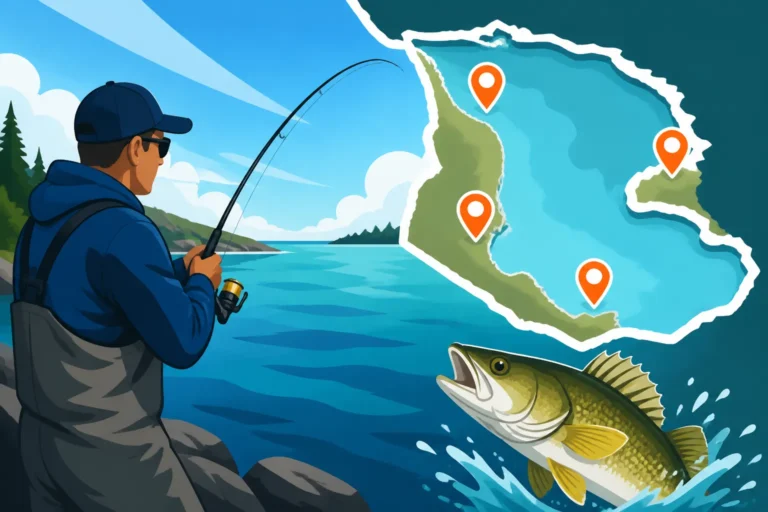
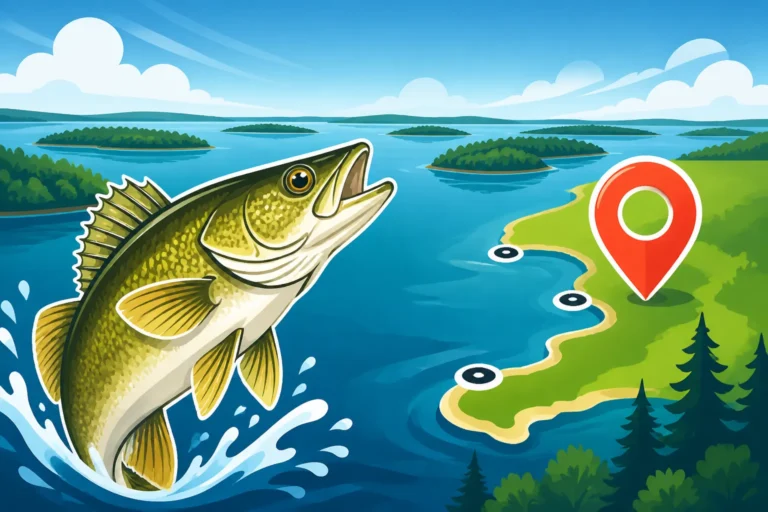
It can feel like a secret society, right? You hear whispers about incredible walleye fishing on the Bay of Quinte, but actually finding those sweet spots where the locals consistently pull in monsters feels like an impossible quest. It’s frustrating to spend hours on the water only to come up empty, knowing others are just around the bend, having the time of their lives. This guide is all about peeling back that curtain and showing you exactly where the experienced anglers on the Bay of Quinte cast their lines for the best walleye action.
Understanding the Bay of Quinte Walleye Phenomenon
The Bay of Quinte isn't just a good walleye fishery; it's often hailed as one of the best in North America, particularly for trophy-sized fish. This isn't by accident. The bay's unique ecosystem, coupled with strong conservation efforts and excellent forage, creates the perfect environment for walleye to thrive and grow to impressive sizes. Understanding why it's so good will help you appreciate where to fish.
The Bay's Unique Walleye Habitat
The Bay of Quinte is a long, narrow bay on the north shore of Lake Ontario, stretching from Trenton in the west to Amherstview in the east, almost creating its own distinct body of water. This sheltered nature protects it from the harsher conditions of the open lake, leading to warmer water temperatures and a rich aquatic environment. The bay is relatively shallow in many areas, with abundant weed beds, rocky points, and submerged structures that provide ideal ambush points and foraging grounds for walleye. Its connection to Lake Ontario through the Adolphus Reach also means it acts as a crucial spawning ground and nursery for the wider population. The influx of baitfish, like alewives and smelt, provides an endless buffet, allowing walleye to pack on serious weight.
Seasonal Walleye Movements on the Bay
Walleye in the Bay of Quinte follow distinct seasonal patterns, and knowing these movements is key to finding them. In spring, after ice-out, they congregate in shallower, warmer waters, often near river mouths (like the Trent River near Trenton) for their spawning ritual. As the water warms through summer, they'll spread out, often holding on deeper edges of weed lines, rock humps, and current seams in the main bay. Come fall, they become incredibly active, feeding aggressively to bulk up for winter, often found transitioning between deeper basins and shallower points. And for those brave enough for hard water, the ice fishing can be phenomenal, with fish often holding over deep flats or along main channel drop-offs. Being aware of these general patterns is the first step in narrowing down your search, especially when you're looking for where the fish are staging for the Ontario Walleye Opener Dates by Zone.
Prime Walleye Haunts for Bay of Quinte Locals
When you talk to serious walleye anglers on the Bay of Quinte, certain areas come up repeatedly. These aren't necessarily secret spots, but rather stretches of water where local knowledge of subtle contours, current, and seasonal patterns gives them a distinct advantage. It's about knowing when to be where.
The Western Basin and Trenton Area
The western end of the Bay, particularly around Trenton and the mouth of the Trent River, is a major hotspot, especially in the spring. This area offers shallower, warmer water earlier in the season, drawing in large numbers of spawning walleye. Locals will target the channels and points within a few kilometers of the Trent River outflow.
As the season progresses, these fish disperse, but the deeper sections and humps west of Trenton still hold good numbers. Look for subtle depth changes, especially where hard bottom meets softer mud. This area is also popular for boat launches, making it easily accessible. Many anglers, especially those booking through services like FishingBooker, will start their trips from marinas in this vicinity because of its consistent productivity. Knowing the Ontario walleye daily limit is crucial here, as catch rates can be very high.
The Big Stretch and Adolphus Reach
Moving eastward, the "Big Stretch" of the Bay, from Trenton past Belleville and toward Picton, covers a vast area with diverse structure. This is where many of the true giants are caught, particularly during the late summer and fall bite. Locals here often focus on the main channel edges, transition areas where deep water quickly rises to shallower flats, and prominent points that extend into the bay.
The Adolphus Reach, which connects the main Bay of Quinte to Lake Ontario, is another critical zone. It's often deeper and experiences more current, attracting baitfish and, consequently, walleye. Tributaries feeding into the Reach, like the Salmon River, can also be productive. Anglers often troll the deep breaks or drift jigs over structure in this area. If you're looking for a guide who truly understands this complex system, checking out local charter listings on platforms like FishingBooker can connect you with someone experienced in these waters. They often know the subtle nuances that make all the difference, providing insight beyond just "Where to Find Walleye in Ontario."
The Eastern Bay and Long Reach
The easternmost section of the Bay, encompassing the Long Reach and extending towards Kingston, offers a different character. While still productive, it can be a bit more subtle, often with more uniform depths. However, this uniformity can lead to large schools of walleye relating to expansive deep flats or very specific humps and depressions.
Local anglers in this area spend time mapping out these contours, often using advanced sonar to identify isolated structure or large baitfish schools. Points of land that pinch the bay, creating subtle current funnels, are also prime targets. Shore access can be more limited here, so a boat is almost essential. This section also benefits from its proximity to other excellent fishing grounds, but the focus remains firmly on the impressive walleye population. Remembering to carry your Ontario Outdoors Card, Explained and understand Ontario Fishing Regulations Explained is always paramount, no matter which part of the bay you're exploring.
Here's a quick overview of key areas and their prime seasons:
| Bay Section | Prime Seasons | Key Features to Target | Common Local Tactics |
|---|---|---|---|
| Western Basin | Spring, Early Summer | River mouths (Trent River), shallow channels, early weed growth, bridge pilings | Jigging, casting crankbaits, slow trolling minnow baits |
| Middle Bay | Summer, Fall, Winter | Main channel edges, deeper humps, rock piles, long points, weed lines (summer) | Trolling crankbaits, jigging blade baits, snap jigging |
| Adolphus Reach | All Seasons (esp. Fall) | Deep breaks, current seams, tributary mouths (Salmon River), steep drop-offs | Trolling, vertical jigging, drift fishing with live bait |
| Eastern Bay | Summer, Fall, Winter | Large deep flats, subtle contour changes, isolated humps, pinch points | Trolling, bottom bouncing, structure jigging |
Local Tactics and Techniques for Bay Walleye
Finding the spots is only half the battle; knowing how to fish them effectively is the other. Bay of Quinte locals have refined their techniques over years, adapting to the specific challenges and opportunities this unique fishery presents.
The Art of Trolling
Trolling is undeniably a cornerstone of Bay of Quinte walleye fishing, especially in the larger, deeper sections during summer and fall. Locals meticulously select their crankbaits based on depth, water clarity, and forage. Brands like Rapala, Reef Runner, and Berkley Flicker Shad are perennial favorites. The key isn't just speed and depth, but understanding the subtle movements of the boat to impart action to the lure.
Anglers often run multiple lines with planer boards to cover a wide swath of water, varying depths with lead core line, snap weights, or downriggers. They pay close attention to boat speed (often 1.5 to 2.5 mph, but it varies), changes in direction, and how the lures are running in relation to the bottom or suspended baitfish. It’s a methodical approach, often requiring patience, but the rewards can be enormous. If you're new to this, a local charter found via FishingBooker can offer invaluable hands-on experience, teaching you the nuances of effective trolling on these waters, much like what's covered in a general guide on How to Catch Walleye in Ontario.
Jigging and Live Bait Presentations
While trolling dominates much of the open water, jigging remains incredibly effective, particularly in areas with more defined structure or when fish are holding tight to the bottom. In spring, vertical jigging with bucktail jigs tipped with a minnow or soft plastic is deadly around spawning areas and river mouths. As fish move deeper, blade baits or heavier jigging spoons can shine when fished vertically over humps or along channel edges.
Live bait, especially minnows or nightcrawlers on a bottom bouncer or a slip bobber rig, is another classic local technique. This is particularly effective when fish are sluggish or in specific transition areas. Knowing how to properly rig and present live bait can significantly increase your catch rate, particularly during periods when the walleye are finicky. Many old-timers swear by the simple effectiveness of a minnow and a jig, often out-fishing more elaborate setups in certain situations. When the fish are less aggressive, a well-presented live bait can often be the deciding factor, especially when paired with tactics like those detailed in Best Techniques for Ontario Walleye Opener.
Understanding Forage and Water Conditions
Beyond specific locations and lures, locals constantly adapt to the prevailing conditions. Water temperature, clarity, wind, and barometric pressure all play a role. However, the most critical factor is often understanding the walleye's primary forage. If the walleye are gorging on schools of alewives, then lures that mimic these silvery baitfish will be most effective. If they're hunting bottom-dwelling gobies (an invasive species that walleye have adapted to eat), then darker, bottom-hugging jigs are the ticket.
Monitoring baitfish schools on your sonar is crucial. Walleye are often found in close proximity to their food source. By observing the density and depth of bait, you can refine your trolling passes or jigging depths. This adaptive approach, constantly matching your presentation to what the fish are eating and how they're behaving, is a hallmark of truly successful Bay of Quinte walleye anglers. It’s also important to be aware of other species present; sometimes, you might even encounter a monster muskie while chasing walleye, so being familiar with Best Lures for Muskie Fishing in Ontario wouldn't hurt!
Adapting to Seasonal Changes for Consistent Success
The Bay of Quinte is a year-round fishery for walleye, but your approach needs to shift dramatically with the seasons. What works in April won't necessarily work in August or January. Locals master these transitions, making them consistently successful.
Spring: The Spawning Run and Post-Spawn Feast
Spring, especially April and May, is a prime time for many locals dueexe the Bay of Quinte. As the ice recedes, walleye move into shallower, warmer waters to spawn. River mouths, particularly the Trent River near Trenton, become major staging areas. Anglers will focus on these areas, often casting jigs tipped with minnows or slow-trolling small crankbaits in the channels and adjacent flats. The fish are often concentrated, making for exciting, high-action fishing.
After spawning, walleye can enter a post-spawn lull, but soon transition into aggressive feeding as they recover. They'll start to spread out into the main bay but will still relate to shallower structures, bays, and the first deeper break lines. This period is excellent for casting jerkbaits or snap jigging soft plastics. The key is to follow their movements from the initial spawning grounds to their immediate post-spawn recovery areas. It's a fantastic time for sheer numbers, though the giants might be a bit more elusive as they recover from the rigors of reproduction. Many local guides listed on FishingBooker specialize in these early season patterns.
Summer: Deep Water and Weed Line Exploration
As summer progresses and water temperatures climb, walleye on the Bay of Quinte move to deeper, cooler water. This is when the classic trolling bite really heats up. Locals will target the main channel, especially the deeper humps, ledges, and breaks in areas like the Adolphus Reach and the main "Big Stretch" of the bay. Look for baitfish suspended over deeper water; walleye won't be far away.
Weed lines also become critical during summer. In areas with extensive weed growth, walleye will often patrol the deep edges, ambushing baitfish. Trolling crankbaits that dive to just above the weed tops, or jigging weedless presentations, can be very effective. Early mornings and late evenings often bring fish shallower to feed, offering opportunities for casting or shallower trolling. Patience and persistent probing of these deeper structures and weed edges are the hallmarks of successful summer walleye fishing. This is also a good time to review how Lake Erie Walleye Fishing tactics might cross over, as some of the deeper water strategies can be similar.
Fall: The Trophy Hunt
Fall is arguably the most anticipated season for trophy walleye on the Bay of Quinte. As water temperatures drop, walleye go on a pre-winter feeding frenzy, packing on weight. This is when the largest fish are caught with impressive regularity. The fish often relate to the same deeper structures as in summer but become incredibly aggressive. Trolling large crankbaits and glide baits becomes incredibly effective, often yielding true giants.
The fish can be found transitioning between deeper basins and shallower feeding flats, particularly during low light conditions. The main channel and prominent points leading into deeper water are prime targets. This is also a great time for jigging heavy spoons or blade baits over deep humps. The fall bite can be intense, with fish often schooling up, meaning when you find them, you can have incredible action. If you're serious about a giant, fall on the Bay of Quinte is your best bet, and consulting a local expert through a service like FishingBooker can significantly increase your chances of landing that fish of a lifetime.
Winter: Ice Fishing Opportunities
For those who embrace the cold, the Bay of Quinte offers an exceptional ice fishing experience for walleye. Once safe ice forms, anglers venture out onto the expansive flats and main channel edges. Many locals use portable ice huts and often target walleye over deeper basins, along drop-offs, or near prominent points.
Jigging spoons, blade baits, and dead sticking a minnow are common tactics. While not as active as the fall bite, the opportunity for large walleye through the ice is very real. Electronic fish finders are almost essential for identifying bottom structure and spotting suspended fish or schools of bait. Always prioritize safety on the ice, checking conditions carefully.
Disclaimer
Fishing conditions and regulations in Ontario are subject to change. Always consult the most current Ontario Fishing Regulations Summary before heading out on the water. This guide provides general information and recommendations, but it is the angler's responsibility to adhere to all local, provincial, and federal laws and regulations. Fishing inherently carries risks; exercise caution and prioritize safety on all fishing excursions.