Best fishing spots in Sandbanks Provincial Park
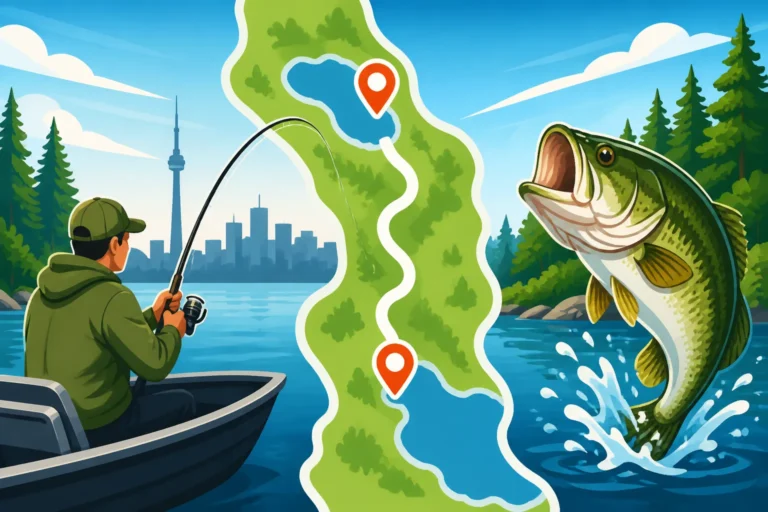
Finding a truly peaceful spot to cast a line in Ontario's popular provincial parks can feel like searching for a needle in a haystack, especially when you're hoping for more than just a quick catch-and-release photo op. Sandbanks Provincial Park, renowned for its stunning beaches and towering dunes, often draws crowds, leaving many anglers wondering if there's any real fishing to be had amidst the summer bustle. But don't despair! This guide will walk you through the often-overlooked angling opportunities within Sandbanks, helping you discover the best spots to find fish and enjoy the tranquil side of this beautiful park.
Understanding Sandbanks Provincial Park's Unique Waters
Sandbanks Provincial Park is a truly special place, nestled on the shores of Lake Ontario in Prince Edward County. What makes it particularly interesting for anglers is its unique geography. We're not just talking about the big lake here; the park is bordered by two large, shallow bays—West Lake and East Lake—which are actually drowned river mouths. This creates a fascinating blend of environments, from the deep, cool waters of Lake Ontario to the warmer, nutrient-rich bays, each hosting different fish species and presenting unique angling challenges and rewards. Many folks think of Sandbanks only for its incredible beaches like Outlet Beach, but these inland lakes are the real hidden gems for fishing.
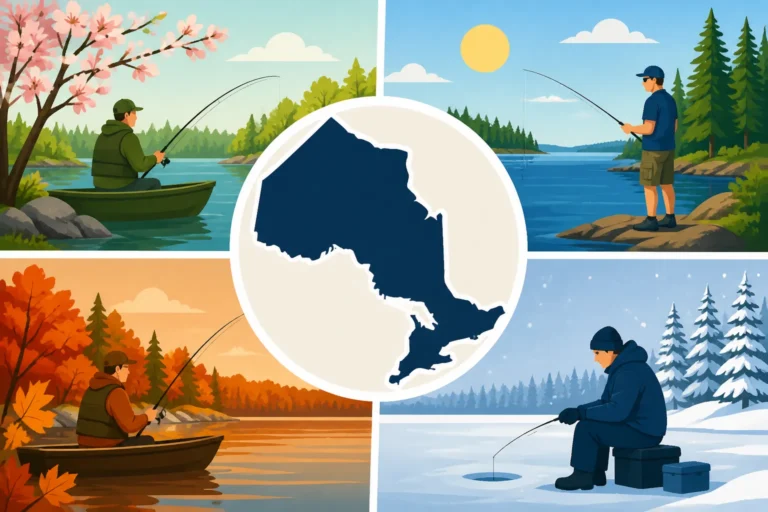
These waters offer a diverse habitat for various species, whether you're looking for warm-water fish or something a bit more challenging. The interaction between the larger Lake Ontario ecosystem and these more sheltered bays means a richer variety of species can thrive. It's not just a summer hotspot; depending on the species you're targeting, you can find good fishing from spring through late fall, and even into winter for some hardy ice anglers on the bays. Understanding the specific characteristics of West Lake and East Lake is key to unlocking the best fishing experiences here.
Prime Fishing Locations Within Sandbanks
While the main draw for many at Sandbanks is the sun and sand, there are several distinct areas that offer fantastic fishing opportunities, each with its own charm and target species. It's not about finding one secret spot, but rather understanding which area best suits the kind of fishing you want to do.
West Lake and Its Connection to Lake Ontario
West Lake is probably the most popular of the two bays for anglers within the park. It’s a large, relatively shallow body of water with a sandy bottom, known for its excellent warm-water fishery. The lake connects to Lake Ontario via the Outlet River, which flows right through the park, and this connection is crucial. This constant flow of water and access for fish moving between the two bodies of water keeps the ecosystem vibrant.
Anglers often have success fishing from shore along the banks of West Lake, especially near the causeway that crosses it, or by launching a small boat, canoe, or kayak from one of the designated access points. Look for areas with weed beds, submerged structures, or drop-offs, as these are prime hiding spots for many species. Some folks even find success casting off the Sandbanks Dunes Beach, right into West Lake, particularly in the quieter mornings or evenings when the swimmers have retreated. For those interested in exploring by boat, using a service like FishingBooker can help you find local guides who know the nuanced currents and honey holes of West Lake, making your trip even more productive.
East Lake and Its Secluded Charm
East Lake, while equally significant, feels a bit more secluded and less trafficked by the general park-goer, making it a wonderful option for those seeking a quieter experience. It’s generally shallower than West Lake in many areas, and its connection to Lake Ontario is less direct, often via smaller channels or marshier areas. This can make access a bit trickier, but it often means less pressure on the fish.
Shore fishing opportunities around East Lake can be found in various spots, especially if you're willing to walk a bit. Kayak and canoe anglers particularly love East Lake because of its calm waters and the ability to navigate into shallower, weedier areas that larger boats can’t reach. These calmer, vegetated zones are ideal for targeting certain species. If you're looking for a peaceful day on the water, paddling around the perimeter of East Lake is hard to beat, allowing you to cast into reeds and lily pads that hold some respectable fish.
The Outlet River and Its Flow
The Outlet River, which links West Lake to Lake Ontario, is a fantastic spot that's often overlooked. It's a narrower channel, but the moving water can concentrate fish, especially during certain times of the year when species are migrating or looking for cooler or warmer waters. Fishing from the shore along the riverbanks, particularly where there are deeper pockets or current breaks, can be very productive.
It's a dynamic environment, so pay attention to the flow. Areas where the current slows down or eddies form are often where fish will hold, waiting for an easy meal to drift by. This spot is also quite accessible for bank anglers, making it a great choice if you don't have a boat. Just be mindful of park regulations, as fishing from some bridges or high-traffic areas might be restricted for safety reasons. Always check the latest park information or signboards.
Species to Target and When to Catch Them
Sandbanks offers a delightful variety of fish species, catering to different angling preferences. Knowing what to expect and when can greatly improve your chances of success.
Walleye: The Coveted Catch
Walleye are a prized catch in many Ontario waters, and Sandbanks is no exception. While perhaps not as famous for walleye as say, the Bay of Quinte Walleye Fishing or Lake Erie, both West Lake and East Lake can hold respectable numbers. Your best bet for walleye is often during the cooler months, particularly in spring shortly after the ice melts, and then again in the fall. During these times, they tend to move into shallower areas to feed.
In summer, walleye often retreat to deeper, cooler waters, making them a bit harder to find in the shallower bays. However, targeting them in the Outlet River, especially at dusk or dawn, can yield results as they move to feed on baitfish. Casting crankbaits or jigging with live bait like minnows can be very effective for these elusive fish. Remember to always consult the Ontario Fishing Season Dates by Zone to ensure you're fishing within legal limits.
Smallmouth and Largemouth Bass: A Brawler's Delight
Both smallmouth and largemouth bass thrive in the Sandbanks environment. West Lake, with its mix of sandy bottoms, weed lines, and some rocky structures, is excellent for smallmouth bass. These hard-fighting fish love to cruise the edges of drop-offs and feed on crayfish and baitfish. Topwater lures, jerkbaits, and tube jigs are often highly effective. If you're looking for a fight, a good smallmouth on a light spinning rod is an absolute blast. You can learn more about how to specifically target these fish in our guide on How to Catch Smallmouth Bass in Ontario.
Largemouth bass, on the other hand, prefer the weedier, shallower, and often warmer waters of East Lake and the more heavily vegetated areas of West Lake. Look for them hiding in lily pads, dense weed beds, and around submerged logs. Spinnerbaits, soft plastic worms, and frogs fished over cover are excellent choices. Bass fishing is generally best from late spring through early fall, peaking in the summer months when the water is warm.
Yellow Perch and Other Panfish: Fun for Everyone
If you're looking for consistent action and a great meal, the panfish, especially yellow perch, are abundant in both West and East Lakes. These feisty little fish are fantastic for beginners and experienced anglers alike, providing steady bites throughout the warmer months and into ice fishing season. West Lake, in particular, is known for its healthy yellow perch population.
Crappie, sunfish, and rock bass are also present and can be caught using small jigs, worms, or even tiny crankbaits. For yellow perch, a small jig tipped with a piece of worm or a minnow imitation is often irresistible. They tend to school, so if you catch one, there are usually more nearby. This makes them perfect for a family outing. Check out our in-depth guide to Yellow Perch Fishing in Ontario for more tips.
Here’s a quick summary table of what you might find and where:
| Species | Primary Location | Best Season | Common Baits/Lures | Notes |
|---|---|---|---|---|
| Walleye | West Lake, Outlet River | Spring, Fall (dawn/dusk) | Crankbaits, jigs, live minnows | Often deeper or in moving water during summer. |
| Smallmouth Bass | West Lake (sandy, rocky) | Summer, Early Fall | Topwater, jerkbaits, tube jigs, crayfish imitations | Strong fighters, target drop-offs. |
| Largemouth Bass | East Lake (weedy), West Lake (vegetated) | Summer | Spinnerbaits, soft plastics, frogs, weedless jigs | Found in heavy cover, lily pads. |
| Yellow Perch | West Lake, East Lake | Spring, Summer, Fall, Winter | Small jigs, worms, minnow imitations | Excellent table fare, often school. |
| Black Crappie | East Lake (weedy) | Spring, Fall | Small jigs, minnows, tiny tubes | Concentrate around submerged brush. |
| Sunfish/Bluegill | Both Lakes | Summer | Worms, small flies, tiny jigs | Great for kids, very active. |
Navigating Regulations and Best Practices
Fishing in a provincial park comes with specific rules and ethical considerations. It’s not just about what you can catch, but how you do it, and making sure you’re preserving the environment for everyone else.
Essential Licenses and Permits
Before you even think about casting a line, ensure you have the proper documentation. Anyone aged 18 to 64 (inclusive) who isn't otherwise exempt needs an Ontario fishing license. This includes both an Ontario Outdoors Card, Explained and a valid fishing license tag. You'll need to decide between a Sport Fishing License (higher limits) or a Conservation Fishing License (reduced limits, promoting conservation). For most casual anglers, the Conservation License is perfectly adequate and encourages responsible fishing. Non-residents have different options, so be sure to check those specific requirements.
The best place to confirm all the current regulations is the official Ontario Fishing Regulations Summary. While this guide provides general advice, specific rules can change, especially regarding catch limits, size restrictions, and season dates for particular zones. Sandbanks Provincial Park is typically in Fisheries Management Zone (FMZ) 20, but always double-check. Ignoring these rules can lead to significant fines, which can certainly put a damper on your peaceful fishing trip. You can find out more details by looking into the Ontario Fishing License Guide for 2026.
Boating Rules and Safety
If you plan to use a boat, canoe, or kayak, there are additional rules to keep in mind. All motorized vessels must comply with Ontario Boating Laws for Anglers, including having appropriate safety equipment like life jackets for every person on board, a whistle, bailing device, and a throw line. Non-motorized vessels also have safety requirements. Remember, safety first! Sandbanks is a popular park, and while the bays can be calm, Lake Ontario itself can whip up quickly, so always be prepared for changing weather conditions.
Additionally, if you're bringing your own boat, check park-specific launch requirements and any associated fees. Some areas may have restrictions on boat types or motor sizes to protect the shallow ecosystems. For those without their own vessel, some local outfitters in Prince Edward County offer rentals, or you might find charter options through platforms like FishingBooker that include all the necessary boat and safety gear.
Practicing Catch and Release and Conservation
Given that Sandbanks is a provincial park and a heavily used recreational area, practicing catch and release, especially for larger fish, is highly encouraged. This helps maintain healthy fish populations for future generations of anglers. If you do plan to keep fish, make sure they adhere strictly to the legal size and possession limits for your specific license type and the FMZ.
Always handle fish with care, minimizing their time out of the water. Use barbless hooks or crimp down barbs on your hooks to make release easier and less traumatic for the fish. Dispose of all fishing line, bait containers, and other trash properly. Leaving anything behind pollutes the environment and harms wildlife. Being a responsible angler means leaving the spot cleaner than you found it. For a deeper dive into the overall rules, consult the Ontario Fishing Regulations Explained.
Planning Your Fishing Trip to Sandbanks
A little planning goes a long way when visiting a popular destination like Sandbanks Provincial Park. Knowing what to expect, especially during peak season, can make your trip much more enjoyable.
Accommodation and Amenities
Sandbanks Provincial Park offers various camping options, from unserviced sites to those with electrical hookups. Booking well in advance is essential, especially for summer and long weekends, as sites fill up incredibly fast. If camping isn't your style, Prince Edward County, where Sandbanks is located, is renowned for its charming bed and breakfasts, cottages, and vacation rentals. Towns like Picton, Bloomfield, and Wellington are just a short drive away and offer a range of accommodations, restaurants, and shops.
Within the park, you’ll find amenities like washrooms, showers, picnic areas, and often a park store for essentials. Cell service can be spotty in some areas, so downloading maps or information beforehand is a good idea. Knowing where to grab a coffee or a quick bite after a morning on the water can make all the difference.
Best Times to Visit for Fishing
While Sandbanks is bustling in July and August, these are not necessarily the best times for fishing, especially if you're looking for solitude. The prime fishing season, depending on the species, often falls outside of peak beach-going season.
- Spring (May-June): This is a fantastic time for walleye and pike as they become more active after the spawn. Bass season typically opens in late June, offering exciting opportunities right off the bat. The park is less crowded, and the weather is generally pleasant.
- Summer (July-August): While busy, early mornings and late evenings can still yield good bass and panfish action, especially in the quieter bays. Targeting deeper structure in West Lake for walleye might be an option.
- Fall (September-October): This is arguably the best time for trophy smallmouth bass and good walleye fishing as fish feed heavily before winter. The crowds thin out significantly, and the fall colours make for a beautiful backdrop.
- Winter (January-March): If the ice is safe, both West Lake and East Lake offer excellent ice fishing for yellow perch, crappie, and even some pike and walleye. Always check ice conditions and local advisories before venturing out.
Ultimately, Sandbanks Provincial Park offers a fantastic opportunity for anglers to combine a family vacation with some productive fishing. With a little research, the right gear, and respect for the regulations, you can certainly find your own little slice of angling heaven amidst the famous dunes.
Disclaimer
The information provided in this guide is for general informational purposes only and is not intended as legal advice. Fishing regulations, license requirements, and park rules in Ontario are subject to change. Always consult the most current official publications from the Ontario Ministry of Natural Resources and Forestry (MNRF) and Sandbanks Provincial Park before planning your fishing trip. Stay safe, be aware of your surroundings, and respect the natural environment.