Best fishing spots in Quetico Provincial Park
Embarking on a fishing trip into Quetico Provincial Park is an experience unlike any other, but knowing where to start, what to expect, and which spots truly shine can feel like searching for a needle in a vast, pristine haystack. Many anglers dream of Quetico's legendary waters but are overwhelmed by the sheer size and wilderness nature of the park, unsure how to plan for a successful and memorable trip. This guide is designed to demystify Quetico's fishing potential, helping you pinpoint the best spots for various species and prepare you for an unforgettable wilderness angling adventure.
Understanding Quetico's Unique Fishing Landscape
Quetico Provincial Park isn't just another place to cast a line; it's a true wilderness experience, a canoe tripper's paradise that also happens to boast some of the finest freshwater fishing in Ontario. This vast, roadless park, spanning over 4,760 square kilometers, is dominated by ancient boreal forests, towering granite cliffs, and a labyrinthine network of interconnected lakes and rivers. Its designation as a wilderness park means motorized vehicles are strictly limited, offering an unparalleled sense of solitude and a unique challenge for anglers willing to put in the paddle strokes.
The park's remoteness is both its greatest allure and its primary hurdle. Access is primarily by canoe, often involving multiple portages over rugged terrain to reach interior lakes. This means that the fish populations within Quetico are largely untouched by heavy angling pressure, leading to healthier, more robust fish and incredible catch rates for those who make the journey. You're not just fishing; you're immersing yourself in an ecosystem where nature truly holds sway, offering a fishing experience that transcends the ordinary.
The Wilderness Experience and Its Challenges
Fishing in Quetico demands a different mindset than your typical day trip to a local lake. Here, you're not just fighting fish; you're engaging with the wild on its own terms. The lack of infrastructure means no tackle shops around the corner, no boat launches on every bay, and no cell service to bail you out of a tough spot. You must be entirely self-sufficient, relying on your planning, gear, and wilderness skills.
Navigating the park's expansive waters, understanding the portage trails, and being prepared for all weather conditions are integral parts of the adventure. It's a place where a small oversight can become a significant problem, but conversely, overcoming these challenges amplifies the reward of each fish caught and every breathtaking sunset witnessed. This raw, untamed environment offers a profound sense of accomplishment, far beyond just filling your stringer.
Navigating Quetico's Remote Waters
The primary mode of travel within Quetico is by canoe, making lightweight gear and efficient packing paramount. For many, a Quetico trip involves several days or even weeks of paddling, portaging, and camping. Understanding the park's entry points – such as Beaverhouse Lake, French Lake, or the popular Saganaga Lake on the U.S. side (which has specific motor restrictions for Canadian-bound trips) – is the first step in planning your route. Each entry point offers access to different sections of the park, leading to varying fishing opportunities and levels of remoteness.
Because motors are generally prohibited on interior lakes, anglers rely on human power to reach their desired fishing grounds. This often means targeting lakes that are a few portages deep, where the chances of encountering other anglers dwindle significantly. The payoff for this effort is often spectacular, with quiet waters, abundant wildlife, and fish that haven't seen a lure in ages. When planning your route, consider how many portages you’re willing to tackle and what species you’re hoping to target, as different lakes are renowned for different fish.
Top Lakes and Target Species in Quetico Provincial Park
Quetico Provincial Park is renowned for its diverse coldwater and coolwater fisheries, primarily offering outstanding opportunities for Walleye, Lake Trout, Northern Pike, and Smallmouth Bass. Each species thrives in different types of habitats within the park, and understanding these preferences is key to locating the best fishing spots. The park is part of Ontario Fisheries Management Zones, Explained, specifically falling within FMZ 5, which dictates specific regulations for these species.
While every lake in Quetico has fish, some stand out for their consistent productivity and reputation for producing quality catches. These premier lakes often require a bit more effort to reach but consistently reward determined anglers. Knowing the Ontario Fishing Season Dates by Zone is crucial, as is checking the Ontario Bag and Possession Limits by Species before you head out.
Walleye Hotspots in Quetico
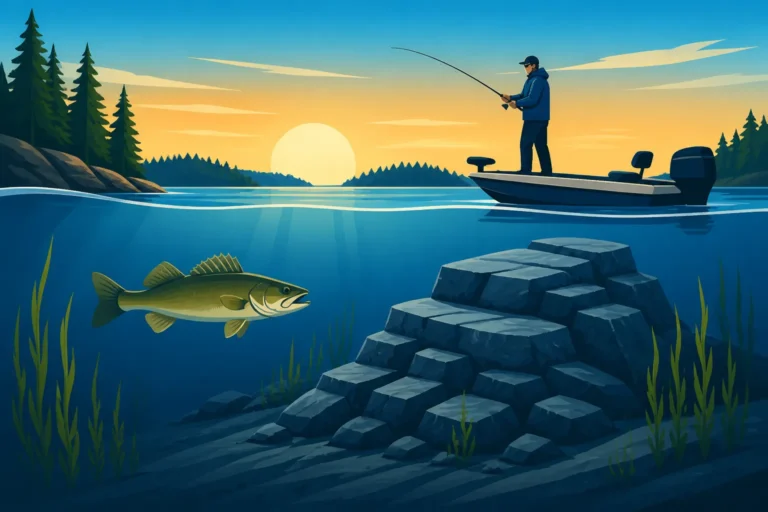
Walleye, known for their delicious fillets and feisty fight, are a prime target for many Quetico anglers. These fish prefer deeper, cooler water in the summer, often congregating around submerged structures, points, and river mouths. Look for rocky humps, underwater reefs, and areas where rivers flow into larger lakes. Lakes with darker, stained water can also be excellent walleye producers, as the reduced light penetration makes them more active during the day.
Some of Quetico's most famous walleye lakes include Lake Kawnipi, known for its extensive network of bays and islands, and Crooked Lake, which forms part of the border with Minnesota. Other notable walleye lakes include Cache Lake, Man Chain, and Pickerel Lake. For those looking to learn more about targeting this species, our guide on How to Catch Walleye in Ontario offers valuable techniques. Jigging with a minnow or a soft plastic, or trolling crankbaits along drop-offs, are highly effective methods here. Early mornings and evenings are often the most productive times, especially during the warmer months, when walleye move into shallower feeding grounds.
Lake Trout Sanctuaries
For anglers seeking the thrill of battling a powerful coldwater predator, Quetico's Lake Trout are a dream come true. These magnificent fish thrive in the park's deep, clear, oxygen-rich lakes. During the summer, they retreat to the thermocline, often suspending over deep water or relating to dramatic underwater structure like deep reefs and sudden drop-offs. Their preference for these pristine environments means they are often found in some of the most remote and scenic lakes.
Lakes like Agnes Lake, with its incredible depths and cold, clear water, are legendary for producing trophy Lake Trout. Saganaga Lake, particularly the deeper Canadian sections, is another excellent choice, though its size requires careful navigation. Other fantastic options include Kashapiwigamog Lake, Sturgeon Lake, and Sue Lake. Trolling spoons or stickbaits at specific depths, or vertical jigging with heavy spoons over deep structure, are standard techniques for these magnificent fish. Understanding the nuances of How to Catch Lake Trout in Ontario will certainly increase your odds.
Northern Pike Havens and Smallmouth Bass Opportunities
Northern Pike are widely distributed throughout Quetico's lakes, often inhabiting shallower bays with weed beds, rocky points, and submerged timber. These aggressive predators offer thrilling action, especially for those who enjoy casting large spoons, spinnerbaits, or topwater lures. The sheer abundance of pike in many Quetico lakes means action is often fast and furious, making them a fantastic target for anglers of all skill levels.
Lakes such as Basswood Lake, with its extensive weed lines and rocky shoreline, offer exceptional pike fishing. French Lake, easily accessible, also holds a healthy population of pike. For detailed strategies, our guide on How to Catch Northern Pike in Ontario can provide excellent insights. Smallmouth Bass, while not as prevalent in all parts of Quetico as pike, offer incredible sport in rocky, clear-water lakes, particularly those with plenty of broken rock, boulders, and steep drop-offs. They are often found in the same areas as pike but prefer cleaner, rockier habitat. Lakes like Agnes and parts of Crooked Lake are known for their smallmouth populations. They readily strike a variety of lures, from crankbaits and jigs to topwater presentations, offering an exciting fight on light tackle.
Here's a quick overview of some top lakes and their primary species in Quetico:
| Lake Name | Primary Target Species | Key Characteristics / Best Spots | Typical Techniques |
|---|---|---|---|
| Agnes Lake | Lake Trout, Smallmouth Bass | Very deep, clear water; rocky structure, sudden drop-offs | Trolling, vertical jigging, casting tubes |
| Kawnipi Lake | Walleye, Northern Pike | Numerous bays, islands, river inflows, rocky points | Jigging, trolling crankbaits, casting spoons |
| Crooked Lake | Walleye, Smallmouth Bass, Pike | Rocky shorelines, flowing current, submerged structure | Jigging, casting jerkbaits, slip bobber |
| Basswood Lake | Northern Pike, Smallmouth Bass | Extensive weed beds, rocky points, shallow bays | Casting spoons, spinnerbaits, topwater, wacky rigs |
| Saganaga Lake | Lake Trout, Walleye, Pike | Immense size, deep basins, rocky reefs, river mouths | Trolling deep divers, jigging, casting large lures |
| Cache Lake | Walleye, Northern Pike | Mix of depths, river channels, rocky points | Jigging, casting soft plastics, slip bobber |
| Pickerel Lake | Walleye, Northern Pike | Islands, shoals, deeper sections with good structure | Trolling, jigging, casting inline spinners |
Planning Your Wilderness Fishing Expedition
A Quetico fishing trip is as much about the journey and the planning as it is about the fishing itself. This isn't a spur-of-the-moment decision; it requires careful consideration of permits, access, transportation, and what time of year will offer the best chances for your target species. The park's wilderness status means you need to be prepared for everything and rely on yourself and your group.
When researching guides or outfitters who specialize in Quetico or the surrounding wilderness, platforms like FishingBooker can sometimes serve as a starting point to locate experienced local operators in the broader region. These outfitters can often provide vital advice, arrange shuttle services to entry points, or even rent high-quality canoes and specialized gear, which can be invaluable for first-timers or those seeking to lighten their load.
Permits, Access, and Logistics
Securing the necessary permits is the absolute first step. You'll need an interior overnight permit (obtained from Ontario Parks) for the dates you plan to be in the park, as well as an Ontario fishing license and an Outdoors Card. For detailed information on these, check out our guides like Ontario Fishing License Guide for 2026, Ontario Outdoors Card, Explained, and Ontario Sport vs Conservation Fishing License. Reservations for entry points are highly recommended, especially during peak season (July and August), and can be made up to five months in advance. Each entry point has a daily quota, so planning ahead is critical to ensure you get the access you want.
Logistics also include planning your route carefully, accounting for portage lengths, lake sizes, and potential headwinds. Many outfitters near entry points, like those around Atikokan or the Boundary Waters Canoe Area Wilderness on the US side, offer services like canoe rentals, food provisioning, and even shuttle services to your chosen access point. They can be a fantastic resource for up-to-date conditions and local knowledge, helping to smooth out the complexities of a remote trip.
Best Times to Visit and How to Get There
The prime fishing season in Quetico typically runs from late May through early October. Each period offers different advantages:
- Late May to Mid-June (Spring): This is often considered prime time for Walleye and Northern Pike, as they are active in shallower waters after ice-out. Lake Trout can also be found closer to the surface before the thermocline fully sets. Bugs can be intense during this period, so be prepared!
- Late June to Mid-August (Summer): Smallmouth Bass fishing heats up, and Lake Trout move deeper, requiring specific trolling or jigging techniques. Walleye can be found on deep structure. This is also the most popular time for general canoe tripping, so expect more company at popular entry points.
- Late August to Early October (Fall): As water temperatures drop, fish become more active, feeding heavily in preparation for winter. This can be fantastic for trophy Northern Pike and Lake Trout, and Walleye fishing can be excellent. Bug pressure is significantly reduced, and the autumn colours are spectacular, though weather can be more unpredictable.
Getting to Quetico usually involves driving to one of the park's designated entry points. The main Canadian access points are near Atikokan, Ontario, including French Lake, Beaverhouse Lake, and Dawson Trail. For those coming from the United States, several entry points in the adjacent Boundary Waters Canoe Area Wilderness (BWCAW) offer access to Quetico via specific international agreements, with the most popular being through Ely or Grand Marais, Minnesota, leading to lakes like Saganaga and Crooked Lake. Remember to bring your passport and be aware of customs requirements if crossing the border.
Essential Gear and Responsible Angling Practices
Packing for a Quetico fishing trip is a delicate balance between bringing what you need and keeping your load light enough for portages. Every item must earn its place in your canoe. Beyond the right gear, adopting responsible angling practices is paramount in maintaining Quetico's pristine environment and robust fisheries for generations to come.
Understanding the Ontario Fishing Regulations Explained is critical. Quetico Provincial Park is generally managed for conservation, with many areas having specific slot limits or catch-and-release-only designations to protect vulnerable populations. Always check the most current regulations summary before you go.
Canoe and Camping Gear Considerations
Your canoe is your primary vehicle, and a lightweight, durable tripping canoe (such as those made by Swift Canoe & Kayak or Wenonah Canoe) is ideal. When considering your paddle, having a spare is always a good idea. Portaging means everything must fit snugly in waterproof packs or barrels. Think lightweight tents, sleeping bags, and cooking gear. A good water filter or purification system is essential, as you'll be relying on lake water.
Navigation is paramount in Quetico's maze of waterways. A high-quality map (such as those from Chrismar or an equivalent waterproof, topographic map) and a compass are non-negotiable, even if you also carry a GPS device. Batteries can die, but traditional navigation tools won't. Rain gear is another absolute must-have; the weather can change rapidly. Don't forget a comprehensive first-aid kit, insect repellent, and sun protection. Given the remote nature of Quetico, a satellite communication device like a Garmin inReach or a Zoleo is also highly recommended for emergencies, as cell service is non-existent.
Fishing Tackle for Quetico's Waters
When it comes to fishing tackle, simplicity and versatility are key. You'll want a selection of lures that can target Walleye, Lake Trout, Northern Pike, and Smallmouth Bass. For Walleye, bring an assortment of jigs (1/8 oz to 1/4 oz) in various colours (chartreuse, white, black, orange), some swimbaits, and medium-diving crankbaits. For Lake Trout, spoons (like a Little Cleo or EGB Dr. Spoon) and deep-diving crankbaits are effective, along with heavy jigs for vertical jigging. Our guide to Best Tackle for Ontario Walleye can provide specific recommendations.
For Northern Pike, larger spoons, spinnerbaits (like those from Mepps or Blue Fox), and topwater lures will get their attention. Smallmouth Bass will hit jigs, tube baits, crankbaits, and topwater poppers. Pack a couple of versatile spinning rods – perhaps a medium-light for walleye and bass, and a medium-heavy for pike and lake trout. A good quality landing net (large enough for pike and lake trout), long-nosed pliers for hook removal, and a jaw spreader for pike are also crucial. Make sure your lines are fresh and you have plenty of spare leader material.
Practicing Catch and Release and Respecting the Environment
Quetico's wilderness designation comes with a strong emphasis on conservation. Many anglers choose to practice catch and release for all but a few fish kept for a shore lunch. When practicing catch and release, handle fish gently, minimize their time out of water, and use single, barbless hooks whenever possible to reduce harm. Guides like Muskie catch and release survival tips offer principles that apply to all species in terms of safe handling.
Beyond fishing, adhering to Leave No Trace principles is non-negotiable. Pack out everything you pack in, including all garbage and food scraps. Use designated campsites or established areas, and keep campfires small and contained. Respect wildlife by observing from a distance and never feeding animals. Quetico is a special place, and it's up to every visitor to ensure its wilderness character and incredible fishing opportunities remain intact for future generations.
Disclaimer
Please note that fishing regulations, park rules, and conditions can change. Always consult the official Ontario Ministry of Natural Resources and Forestry (MNRF) fishing regulations summary and Ontario Parks website for the most current information before planning your trip to Quetico Provincial Park. This guide is for informational purposes only and should not replace official sources.