Best fishing spots in Killarney Provincial Park
Navigating the myriad of lakes and rivers in Ontario to find truly exceptional fishing can be a real challenge, especially when you're dreaming of pristine, untouched waters away from the crowds. Killarney Provincial Park, with its iconic white quartzite hills and impossibly clear lakes, offers just such an escape, but knowing where to cast your line for the best results requires a bit of insider knowledge. This comprehensive guide will take you deep into Killarney's aquatic heart, revealing the top spots and essential tips to help you land your dream catch in this breathtaking wilderness.
The Untamed Allure of Killarney Provincial Park's Waters
Killarney Provincial Park isn't just another park; it's a testament to Ontario's wild beauty, a place where the La Cloche Mountains meet the Georgian Bay. For anglers, this means a unique combination of crystal-clear, deep inland lakes and the vast, diverse waters of Georgian Bay itself. It's a wilderness experience first and foremost, and the fishing here reflects that – challenging, rewarding, and utterly unforgettable.
A Pristine Wilderness Fishing Experience
What sets Killarney apart for fishing isn't just the species you might catch, but the entire journey. You're often paddling through waters so clear you can see the bottom twenty feet down, surrounded by ancient forests and rugged, glacier-scoured landscapes. This isn't about roadside fishing; it's about backcountry adventure, portaging canoes, and earning every cast. The fish in these remote lakes tend to be wild, strong, and unpressured, offering a fight that's truly memorable. The sheer solitude and beauty are as much a part of the catch as the fish itself. It's a chance to disconnect from the everyday hustle and reconnect with nature in its purest form, rod in hand.
Understanding Killarney's Unique Aquatic Landscape
Killarney's geology dictates its aquatic life. The park's interior lakes are often oligotrophic – meaning they are cold, deep, and nutrient-poor due to the surrounding quartzite bedrock. This environment is ideal for cold-water species like lake trout and brook trout. However, some lakes, especially those with more organic input or shallower sections, can support smallmouth bass and northern pike. The park's western and southern edges border the expansive waters of Georgian Bay, which opens up opportunities for different species like walleye, salmon, and larger pike, though accessing these areas requires different planning. Understanding these subtle differences is key to choosing your target species and approach. Killarney Provincial Park primarily falls within Fisheries Management Zone (FMZ) 10 for its interior lakes, while the Georgian Bay shoreline is part of FMZ 14. It's crucial to consult the Ontario Fishing Regulations Explained and the Ontario Fisheries Management Zones, Explained to understand the specific rules that apply to each body of water you plan to fish.
Key Fishing Hotspots and Species Within Killarney
While almost any lake in Killarney could hold fish, a few stand out for their consistent action and the quality of their catches. These are the lakes that seasoned Killarney anglers often return to.
George Lake: Accessible Angling for Bass and Pike
George Lake is perhaps the most accessible lake within Killarney Provincial Park, located right at the park's main campground. This makes it an excellent choice for families, those new to canoe tripping, or anyone looking for a shorter, less strenuous fishing excursion. George Lake offers good opportunities for smallmouth bass and northern pike.
- Smallmouth Bass: You'll find smallmouth bass around the rocky points, submerged structure, and transition areas where the lake bed changes depth. Early mornings and evenings, especially in the warmer months, are prime times. Try casting crankbaits, topwater lures like poppers, or soft plastic baits mimicking crayfish. They put up a fantastic fight and are a joy to catch on light tackle. For more tips on this spirited fish, check out our guide on How to Catch Smallmouth Bass in Ontario.
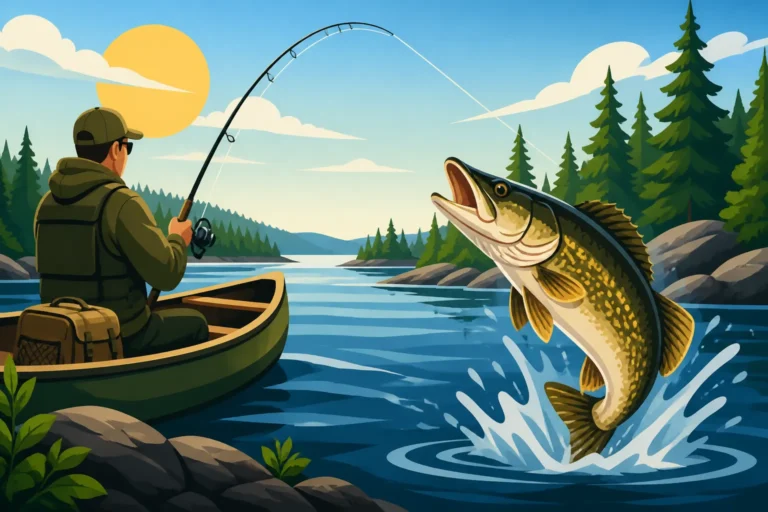
- Northern Pike: Pike tend to lurk in the weed beds and shallower bays, especially near inlets or outlets. Spinnerbaits, spoons, and larger jerkbaits are effective. While George Lake might not produce trophy pike, you can certainly find plenty of active fish to keep things exciting. Remember, they have sharp teeth, so a wire leader is a good idea. Learn more about these toothy critters in our article, How to Catch Northern Pike in Ontario.
George Lake is also a great base for day trips to nearby lakes via short portages, allowing you to sample different waters without relocating your camp.
O.S.A. Lake: A Brook Trout Haven
For many dedicated anglers, the allure of Killarney's backcountry lies in its native brook trout. O.S.A. Lake is one of those special places, renowned for its pristine waters and healthy population of wild brook trout. Accessing O.S.A. Lake typically involves a significant portage, adding to its wilderness appeal and ensuring less fishing pressure.
- Brook Trout: These beautiful fish thrive in the cold, clear, oxygen-rich waters of O.S.A. Lake. They are often found near underwater springs, rocky drop-offs, or where feeder streams enter the lake. Light spinning gear with small inline spinners, tiny spoons, or natural baits like worms can be very effective. Fly anglers will find O.S.A. Lake particularly rewarding, with classic dry flies, nymphs, and small streamers often producing excellent results. The thrill of catching a wild brook trout in such a stunning setting is unparalleled. You can dive deeper into this topic with our guide on Brook Trout in Ontario's Crown Land Lakes.
- Techniques: Given the clear water, a stealthy approach is crucial. Long casts and quiet movements will increase your success. Early morning or late evening often provides the best bite. Always remember to handle these delicate fish with care for a healthy release.
Trout Lake and Its Deepwater Lakers
As its name suggests, Trout Lake is a prime destination for lake trout. This deep, clear, cold-water lake provides the perfect habitat for these powerful fish. Reaching Trout Lake involves a series of portages, making it a true backcountry experience.
- Lake Trout: Killarney's lake trout can grow to impressive sizes, offering a strenuous fight that will test your gear. During the warmer months, they retreat to the cooler, deeper parts of the lake. Trolling with downriggers or weighted lines using large spoons or stickbaits is a popular and effective method. Vertical jigging with heavy spoons or swimbaits over deep structure can also be highly productive. In spring and fall, when water temperatures are cooler, lake trout move into shallower waters, making them more accessible to casting and even fly fishing. For in-depth techniques, explore our guide on How to Catch Lake Trout in Ontario.
- Locating Fish: Use a fish finder if you have a portable one, or look for steep drop-offs, submerged humps, and areas with cold-water upwellings. Lake trout are powerful predators, and hooking into one in Killarney's remote setting is an experience you won't soon forget.
Exploring Other Interior Lakes for Diverse Opportunities
Beyond these highlighted lakes, Killarney offers a wealth of other fishing opportunities. Many smaller, unnamed lakes accessed via even more challenging portages hold hidden gems, often with less pressure.
- Threenarrows Lake: A central hub for many backcountry routes, Threenarrows Lake offers decent fishing for smaller northern pike and smallmouth bass, similar to George Lake. Its numerous bays and islands provide plenty of structure to explore.
- Bell Lake and Carlyle Lake: These lakes are also popular entry points and offer mixed fishing for smallmouth bass and some pike. They are generally less deep and cold than Trout Lake or O.S.A. Lake, meaning they often warm up quicker in the summer.
- Johnny Lake: Another beautiful lake, often accessed via the portage from Carlyle, known for its scenic beauty and offering opportunities for lake trout in its deeper sections.
- Georgian Bay Access: While not strictly "in Killarney Provincial Park" in terms of its interior lakes, many anglers base themselves in Killarney to access the nearby Georgian Bay. The sheltered waters around Philip Edward Island, just south of the park, are fantastic for a variety of species including larger northern pike, smallmouth bass, and even some walleye and salmonoids depending on the time of year. If you're looking for a guided experience for these larger waters, platforms like FishingBooker can sometimes connect you with reputable local operators who know these complex waters intimately and can ensure you have the right gear and knowledge for a safe and successful trip.
Here's a quick overview of some of Killarney's top fishing lakes:
| Lake Name | Primary Species Targeted | Typical Habitat & Fishing Style | Access Level | Best Time of Year |
|---|---|---|---|---|
| George Lake | Smallmouth Bass, Northern Pike | Rocky points, weed beds; casting, trolling with light gear | Easy (campground access) | Spring, Summer, Fall |
| O.S.A. Lake | Brook Trout | Cold, clear; small spinners, fly fishing (dry/nymph/streamer) | Moderate (long portage) | Spring, Fall |
| Trout Lake | Lake Trout | Deep, cold; trolling (spoons/stickbaits), vertical jigging | Moderate (multiple portages) | Spring, Fall |
| Threenarrows Lake | Smallmouth Bass, Northern Pike | Bays, islands, structure; casting, light trolling | Moderate (multiple portages) | Spring, Summer, Fall |
| Bell Lake | Smallmouth Bass, Northern Pike | Mixed structure; casting, light trolling | Easy-Moderate (entry point) | Spring, Summer, Fall |
Navigating Killarney's Fishing Regulations and Ethical Angling
Fishing in Killarney Provincial Park, like anywhere in Ontario, means adhering to specific rules. This is especially true in a protected wilderness area where conservation is paramount. Your enjoyment of the park goes hand-in-hand with ensuring its health for future generations.
Essential Permits, Licenses, and Zone Specifics
Before you even pack your rod, make sure your paperwork is in order. Every angler in Ontario aged 18 to 64 (unless otherwise exempt) needs a valid fishing license and an Outdoors Card. You can learn more about this in our guide on the Ontario Outdoors Card, Explained. For Killarney, you'll be fishing primarily in Fisheries Management Zone (FMZ) 10 for the interior lakes, and potentially FMZ 14 if you venture into Georgian Bay waters from the park. These zones have specific open seasons, catch limits, and size restrictions for different species. It's not uncommon for some remote lakes within the park to have special regulations, such as mandatory catch-and-release, barbless hooks only, or even complete closures to protect vulnerable populations. Always check the current Reading the Ontario Fishing Regulations Summary for the most up-to-date information before your trip. Ignorance of the rules is no excuse, and penalties for non-compliance can be steep, as detailed in Fishing Without a License in Ontario: Penalties.
Beyond your fishing license, you'll also need to acquire a backcountry permit for overnight stays in Killarney Provincial Park. These permits specify your route and campsites, helping the park manage visitor impact and maintain the wilderness experience. Reserve your permits well in advance, especially for popular routes during peak season. You can generally book these through the Ontario Parks reservation system. For those interested in accessing Georgian Bay waters that might connect to the park, or even considering a guided trip for the general area, knowing where to find local experts can be a huge asset. Sometimes, services like FishingBooker can help you locate guides or shuttle operators for the broader Killarney region, ensuring you have the necessary transport and local insights.
Embracing Catch and Release and Conservation Practices
Killarney's pristine environment and relatively unpressured fish populations are a privilege. To maintain this, ethical angling practices are crucial. While you are permitted to keep fish within your Ontario Bag and Possession Limits by Species, many anglers in Killarney choose to practice catch and release, particularly for species like lake trout and brook trout, which can be slower growing in these cold waters.
- Proper Fish Handling: If you do practice catch and release, handle fish minimally and with wet hands. Use a rubberized net to protect their slime coat. Unhook fish quickly while they are still in the water if possible. Avoid dragging them on rocks or dry surfaces.
- Barbless Hooks: Many Killarney anglers voluntarily use barbless hooks (or pinch down the barbs on their existing hooks) to make unhooking easier and reduce harm to the fish. This is often a mandatory regulation in specific special regulation waters.
- Leave No Trace: Pack out everything you pack in, including all garbage, fishing line, and any organic waste like fish guts (dispose of them deep in the woods, away from water and trails, or pack them out). Minimize your impact on campsites and portage trails. The beauty of Killarney is its wildness; let's keep it that way.
Planning Your Killarney Fishing Expedition
A successful fishing trip to Killarney is as much about careful planning as it is about the actual fishing. This wilderness demands respect and preparedness.
Gear Essentials for Wilderness Waters
Your gear list for Killarney will be a bit different than for a day trip to a local pond. Think lightweight, versatile, and durable.
- Canoe or Kayak: A lightweight canoe is often the vessel of choice for Killarney's interior lakes due to the frequent portages. For single anglers or those with less gear, a fishing kayak designed for lakes can also work well. Ensure it's easy to portage. Check out our recommendations for the Best Kayaks for Ontario Fishing.
- Rods and Reels: Pack a couple of versatile setups. A medium-light spinning rod (6-7 feet) is excellent for smallmouth bass and brook trout, paired with 6-8 lb test monofilament or fluorocarbon. For lake trout, you might want a medium-heavy spinning or casting rod with 10-15 lb test, especially if you plan on jigging or light trolling. Don't forget a solid landing net – a long-handled, rubber-meshed net is ideal for safely landing and releasing fish.
- Tackle: Bring a selection of lures appropriate for your target species. For bass, include small crankbaits, jigs, and soft plastics. For pike, consider spinnerbaits, spoons, and topwater lures. For trout, small spoons, inline spinners, and appropriate fly patterns (if fly fishing) are essential. Given the clear water, natural colors often perform well.
- Navigation: A waterproof map of Killarney Provincial Park (such as those from Chrismar or other detailed park maps), a compass, and a GPS device or app are non-negotiable. Cell service is non-existent in much of the park.
- Safety Gear: A complete safety kit for your boat, PFDs (life jackets) for everyone, a first-aid kit, emergency shelter, a reliable water filter or purification tablets, and bear safety essentials (bear spray, bear barrel for food storage) are all vital. Remember that Ontario Boating Laws for Anglers require certain safety equipment on board.
- Rain Gear and Layers: Ontario weather can change quickly. Pack good quality rain gear and clothing that can be layered to adapt to fluctuating temperatures.
When you're packing, remember that every item you bring will likely need to be carried over portages. Consider the weight and bulk of your tackle box and consolidate where possible.
Seasonal Considerations and Trip Planning Tips
The best time to fish in Killarney largely depends on your target species and desired experience.
- Spring (May-June): This is prime time for lake trout and brook trout as they are more active in shallower waters after ice-out. Smallmouth bass season typically opens later in June, depending on the zone. Blackflies and mosquitoes can be intense, so bug repellent is a must. The water is cold, so prepare accordingly.
- Summer (July-August): Warmer weather makes for comfortable camping and paddling. Lake trout will be deep, requiring specific techniques. Smallmouth bass and northern pike fishing can be excellent, particularly in the mornings and evenings. Bug pressure might ease slightly, but still present. This is the busiest time for the park, so book permits well in advance.
- Fall (September-October): Many consider fall the best time to visit Killarney for fishing. The crowds thin out, the fall colours are spectacular, and fishing for lake trout and brook trout picks up again as they move shallower. Pike and bass are also actively feeding. Insects are minimal, but temperatures can drop quickly, especially overnight.
Regardless of the season, a detailed trip plan is essential. Share your itinerary with someone reliable, and stick to your plan. The remote nature of Killarney means self-reliance is key. While guides aren't typically found within the park's interior for fishing, exploring options for guided trips to the Killarney region's outskirts via services like FishingBooker can offer a convenient way to get familiar with the local waters or arrange transport to common access points if you're not planning a full backcountry expedition. They can connect you with experienced outfitters for canoe rentals or shuttle services, making your logistics much smoother.
Remember, Killarney is a true wilderness. Be prepared for anything, respect the environment, and you'll be rewarded with some of the most beautiful scenery and satisfying fishing experiences Ontario has to offer.
Disclaimer
The information provided in this guide is for general informational purposes only and is not intended as legal advice. Fishing regulations in Ontario are subject to change by the Ministry of Natural Resources and Forestry (MNRF). It is the angler's responsibility to consult the most current Ontario Fishing Regulations Summary for the specific Fisheries Management Zone and water body they plan to fish before heading out. Always prioritize safety and environmental conservation during your fishing trips.