Best fly-in lakes accessible only by float plane
For many anglers, the dream of untouched waters, where fish haven't seen a lure in weeks and the only sounds are loons calling across the lake, feels out of reach. We spend our weekends battling crowds at boat launches and casting over spots that have been hammered all season. But what if there was a way to truly escape? This guide is for those who crave the ultimate wilderness experience, delving into the best fly-in lakes in Ontario that are accessible only by float plane, promising an unforgettable journey into pristine fishing grounds.
Why Fly-In Fishing is the Ultimate Ontario Adventure
There's a reason why so many anglers dream of a fly-in trip in Ontario: it's an experience unlike any other. It’s not just about catching fish; it’s about reconnecting with nature in its purest form, far from the hustle and bustle of everyday life. The sheer effort and unique access required to reach these lakes ensure a level of solitude and untouched beauty that's rare to find these days.
Escaping the Crowds and Finding Untouched Waters
Imagine arriving at a lake where you know, for a fact, that you are the only group fishing it for miles around. No competing boats, no noise from shore, just you, your companions, and the wild. This isn't a fantasy; it's the reality of fly-in fishing. By their very definition, these lakes are only reachable by air, meaning road access is non-existent. This geographical isolation preserves the delicate ecosystems, keeping fishing pressure to a minimum. You'll often find yourself casting into waters that look exactly as they did a hundred years ago, teeming with fish that are less wary and more aggressive than their road-accessible counterparts. It’s a chance to truly disconnect and immerse yourself in the wilderness.
The Thrill of the Journey and Unparalleled Scenery
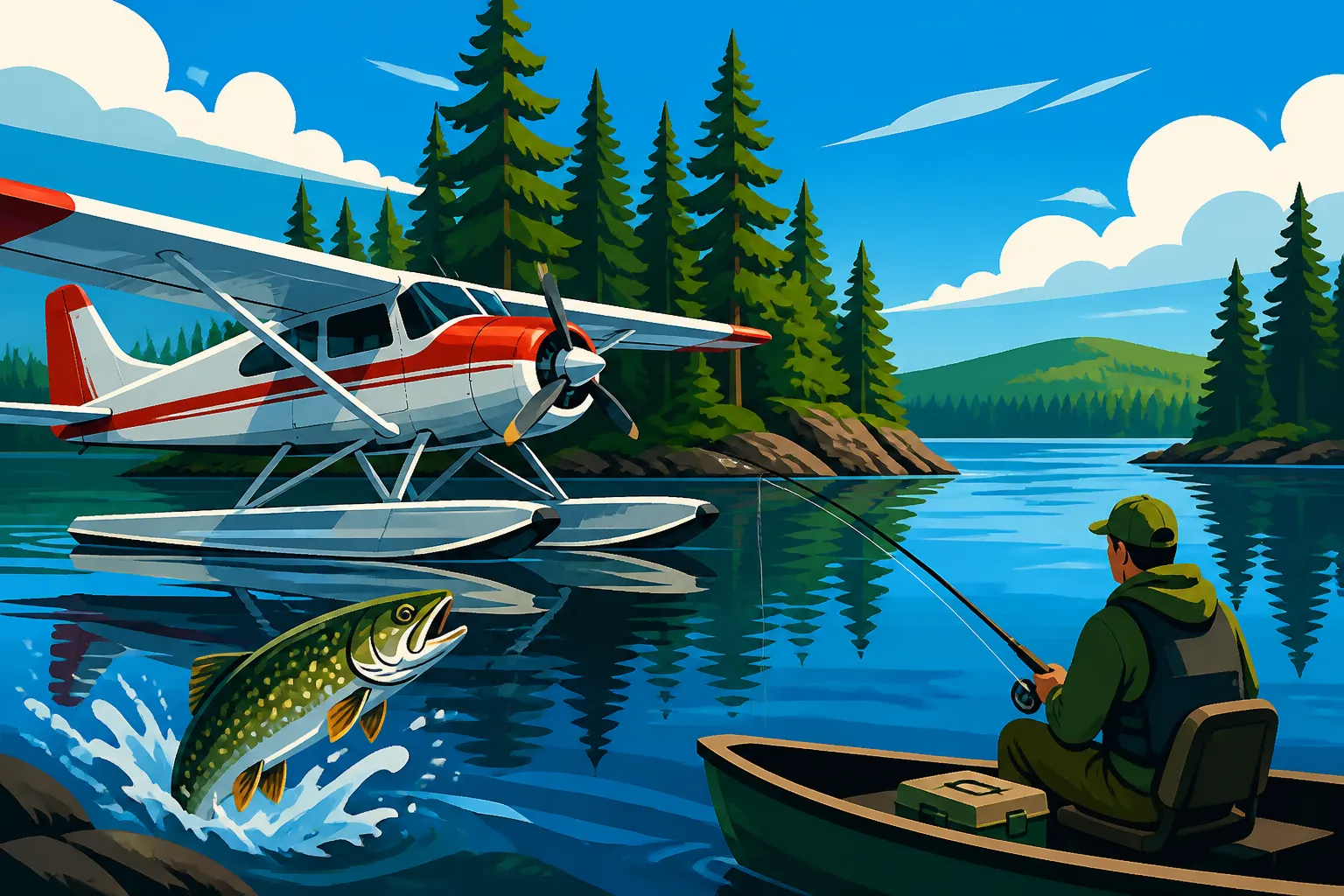
The adventure begins long before you even cast a line. Hopping into a float plane, feeling the pontoons leave the water as you accelerate across the lake, and then soaring over vast expanses of Canadian Shield country is an experience in itself. From above, you'll witness an endless tapestry of forests, rivers, and countless lakes, many of which are only visible from the air. The pilot might point out wildlife or give you a bird's-eye view of your destination, building the anticipation. This aerial perspective provides a unique sense of scale and beauty that you simply can't get from the ground. It transforms a simple fishing trip into an epic journey, making the destination feel even more rewarding when you finally touch down on the glassy waters of your remote lake.
Targeting Trophy Fish in Remote Ecosystems
One of the biggest draws of fly-in lakes is the potential for trophy-sized fish. Because these waters experience minimal fishing pressure, fish populations often grow larger, older, and healthier. Species like Walleye, Northern Pike, and Lake Trout thrive in these undisturbed environments, often reaching sizes that are rare in more accessible lakes. The ecosystem is balanced, with abundant baitfish and healthy habitat. You're not just fishing; you're exploring a robust, wild fishery. Many fly-in operations are also committed to sustainable practices, often implementing strict catch-and-release policies or specific slot limits to ensure these trophy fisheries remain vibrant for generations to come. This focus on conservation means that the fish you encounter are often in prime condition, strong fighters, and a true testament to Ontario's wilderness.
Top Fly-In Regions and Specific Lake Examples in Ontario
Ontario is a massive province, and its remote wilderness stretches far and wide, offering an incredible diversity of fly-in fishing opportunities. While exact lake names are often kept close to the chest by outfitters to maintain their exclusivity and quality, we can certainly highlight key regions and the types of experiences you can expect.
Northwestern Ontario: A Bush Plane Paradise
When most anglers think of fly-in fishing in Ontario, Northwestern Ontario is often the first region that comes to mind. Areas around Ignace, Pickle Lake, and Red Lake are hubs for float plane operations, servicing hundreds of outpost camps and lodges on remote lakes. This vast wilderness is synonymous with incredible Walleye and Northern Pike fishing. Lakes here are often expansive, with complex structures, numerous islands, and abundant weed beds, providing perfect habitat for these predatory species.
For instance, many lakes north of Ignace, such as those accessed via Pine Portage Lodge or Ignace Outposts, are renowned for their incredible Walleye numbers and size. You'll find yourself jigging for walleye on rocky shoals or trolling along expansive weed lines. Similarly, the remote waters around Red Lake, like those offered by Loch Island Lodge or other independent outfitters, are famous for producing monstrous Northern Pike, often in the 40-inch class, lurking in shallow bays or along submerged timber. Lake Trout are also prevalent in deeper, colder lakes throughout this region. If you're looking to book a trip, checking services like FishingBooker can help you find reputable lodges and outfitters in these areas, matching your desired species and budget with available options. This region truly exemplifies the Canadian Shield fishing experience, with rugged beauty and prolific fisheries.
Northeastern Ontario: Hidden Gems Beyond the Beaten Path
While perhaps not as widely known for fly-in operations as the northwest, Northeastern Ontario offers its own unique brand of remote fishing. Areas like Cochrane and Chapleau serve as launch points for float planes heading into vast tracts of Crown land. This region is particularly celebrated for its Speckled Trout (brook trout) fisheries, with many smaller, clear lakes and interconnected river systems holding native populations.
Outfitters operating out of Cochrane, for example, often access pristine lakes and rivers that are "Brook Trout Native Range in Ontario". These waters are typically smaller than the sprawling lakes of the northwest, offering a more intimate fishing experience. Beyond brook trout, some larger fly-in lakes in this region also hold healthy populations of Walleye and Northern Pike, often with less pressure than their western counterparts. Additionally, the southern edges of Northeastern Ontario might offer opportunities for Muskellunge in certain remote systems, providing a chance at one of the province's most challenging and rewarding game fish. When researching, keep an eye out for outfitters that specialize in trout, as they will often have access to these exclusive, crystal-clear lakes.
Central Ontario's Wilderness Fringe: Closer but Still Remote
Even closer to more populated areas, pockets of central Ontario offer fly-in access to surprisingly remote waters. While you won't find the sheer volume of fly-in operations as in the north, there are still opportunities for those seeking a wilderness experience without traveling quite as far. Algonquin Provincial Park, for instance, has interior lakes that, while not strictly fly-in only, require significant canoe portaging, effectively making them "remote" in a similar spirit. However, there are also private lands and lodges on the fringes of wilderness areas like the Haliburton Highlands or the Kawartha Highlands that utilize float planes to access truly secluded lakes.
These waters often target species like Lake Trout, Smallmouth Bass, and even some panfish. The lakes tend to be clearer, deeper, and more oligotrophic (low nutrient) than the fertile walleye factories of the northwest. For instance, some smaller, deep lakes in the northern reaches of the Haliburton Highlands may have outfits that fly you in to target robust Lake Trout populations, known for their powerful fights. These trips might be shorter in duration, perhaps a weekend getaway, offering a taste of the fly-in experience for those with less time or a tighter budget. Remember to review the specific Ontario Fishing Regulations Explained for any area you plan to visit, as rules can vary greatly.
| Region | Primary Species Targeted | Common Fishing Style | Typical Lodge/Outpost Setup | Accessibility (from major cities) |
|---|---|---|---|---|
| Northwestern Ontario | Walleye, Northern Pike, Lake Trout | Jigging, Trolling, Casting | Numerous Outpost Camps, Full-Service Lodges | Remote (via Thunder Bay, Winnipeg) |
| Northeastern Ontario | Brook Trout, Walleye, Northern Pike | Fly Fishing, Light Tackle, Casting | Smaller Outposts, Specialized Trout Camps | Moderately Remote (via Timmins, Sudbury) |
| Central Ontario Fringe | Lake Trout, Smallmouth Bass, Panfish | Trolling, Jigging, Casting | Fewer Outposts, Select Wilderness Lodges | Closer (via Toronto, Ottawa) |
Planning Your Unforgettable Fly-In Fishing Trip
Embarking on a fly-in fishing trip is a dream for many, but it requires careful planning to ensure a smooth and memorable experience. From choosing the right outfitter to packing efficiently, every detail matters when you’re heading into the remote wilderness.
Choosing the Right Outfitter and Package
This is arguably the most critical step. A good outfitter is your lifeline to the wilderness. You’ll want to research extensively, read reviews, and ask for references. Look for operators with a long-standing reputation for safety, excellent customer service, and well-maintained equipment. Many reputable outfitters have decades of experience flying into and managing remote camps. Websites like FishingBooker can be an excellent resource here, as they often list established lodges and outfitters with customer reviews, allowing you to compare options and find one that suits your needs.
When it comes to packages, you typically have two main options:
- Housekeeping Plan: This is the most common for fly-in outposts. You are flown into a cabin equipped with basic amenities (beds, stove, refrigerator, cooking utensils, propane/generator power) and you handle all your own cooking and cleaning. This offers maximum independence and is generally more budget-friendly. Boats and motors are usually provided.
- American Plan (Full Service): Available at larger, more established fly-in lodges, this package includes all meals, accommodations, daily guiding, and often shore lunches. It's a more luxurious experience, perfect for those who want to focus solely on fishing and relaxation. However, these are significantly more expensive.
Consider what level of service you desire and what fits your budget. Ask specific questions about what's included (e.g., fuel, bait, linens, satellite phone access) and what you'll need to bring. Understanding the How Much Does an Ontario Fishing License Cost will also be a key part of your budget planning.
Essential Gear and Packing Considerations
When flying into a remote camp, every pound matters. Float planes have strict weight limits, typically 50-75 lbs per person, including your carry-on items. You'll need to be strategic about what you bring.
- Fishing Gear: Bring reliable rods and reels suitable for the target species. For Walleye and Pike, medium-heavy spinning or baitcasting setups are ideal. For Lake Trout, consider a heavier rod for deeper jigging or trolling. Pack a variety of lures, jigs, and terminal tackle, but don't overdo it. Focus on proven colours and styles for the region. Don't forget a quality landing net; a large, rubberized net is best for Northern Pike or Muskie and crucial for safe catch-and-release practices.
- Clothing: Layers are key. Even in summer, evenings can be cool. Pack quick-drying clothing, rain gear (a good quality rain suit is non-negotiable in Ontario!), waterproof boots, and comfortable camp shoes. A wide-brimmed hat and polarized sunglasses are also essential for sun protection and spotting fish.
- Safety and Comfort: A first-aid kit, insect repellent (lots of it!), sunscreen, a headlamp, and a multi-tool are vital. Many camps provide potable water, but a personal water bottle is always good. Bring your own pillowcase for comfort. Don't forget your valid Ontario Fishing License Guide for 2026 and your Outdoors Card, which you can typically print or carry digitally.
- Food (for Housekeeping): Plan your meals carefully. Dehydrated meals or pre-made mixes can save weight. Non-perishables are best. Coordinate with your group to avoid duplicates.
- Miscellaneous: Camera, extra batteries, a good book, and any personal medications. Pack everything in soft-sided bags or duffels for easier storage in the plane and cabin.
Navigating Logistics and Permits
Beyond the outfitter and your gear, there are a few other logistical elements to nail down.
- Reservations: Book your fly-in trip well in advance, especially if you're targeting peak seasons like the Walleye opener or prime fall fishing. Many camps are booked a year or more out. Using platforms like FishingBooker can help you see availability across different outfitters.
- Fishing Licenses and Outdoors Card: Ensure every angler in your group has a valid Ontario fishing license for the current year and an Ontario Outdoors Card. You can purchase these online through the Fish and Wildlife Licensing Service, at ServiceOntario locations, or authorized license issuers. Be sure you understand the difference between an Ontario Sport vs Conservation Fishing License and choose the one appropriate for your angling goals.
- Regulations: Familiarize yourself with the specific fishing regulations for the Fisheries Management Zone (FMZ) your fly-in lake is located in. The Reading the Ontario Fishing Regulations Summary is essential. Pay close attention to species-specific limits, open seasons, and any special regulations for the particular lake or river you'll be fishing, as many remote lakes have stricter catch limits or are designated "catch-and-release only" to protect their pristine fisheries.
- Travel to the Base Camp: Plan your travel to the float plane base camp. This might involve driving several hours from a major city or flying into a regional airport like Thunder Bay or Timmins and then renting a vehicle. Allow for potential delays due to weather, as float planes operate on visual flight rules and cannot fly in adverse conditions. Having a buffer day on either end of your trip can save a lot of stress.
Responsible Angling and Conservation in Remote Waters
The privilege of fishing in Ontario's remote, fly-in lakes comes with a profound responsibility to protect these pristine environments. These aren't your local, heavily stocked ponds; they are delicate ecosystems that rely on our mindful actions to remain vibrant for future generations.
Practicing Catch and Release for Future Generations
Many fly-in operations, especially those known for trophy fish, strongly encourage or even mandate catch-and-release for certain species or sizes. It's not just a suggestion; it's a critical conservation practice that directly impacts the quality of the fishery. When you target a remote lake, you're often fishing waters where fish might be older, grow slower, and reproduce less frequently than in more fertile, accessible areas. Removing too many large breeding fish can quickly deplete a population.
To ensure high survival rates for released fish:
- Use Barbless Hooks: They make hook removal much easier and cause less damage.
- Minimize Handling: Keep the fish in the water as much as possible. If you must handle it, wet your hands first to protect its slime coat.
- Support the Fish Properly: Support its full body weight, especially for larger fish, to avoid internal organ damage.
- Quick Release: Get a photo if you wish, but prioritize getting the fish back into the water quickly and gently. Revive it if necessary, holding it upright in the water until it swims away strongly.
- Understand Ontario Catch and Release Only Waters: Be aware of any specific designations for your chosen lake.
By embracing catch-and-release, you're not just preserving the fish for others; you're ensuring that the incredible fishing opportunities that drew you to these remote lakes will continue to exist for your next trip, and for countless anglers to come.
Minimizing Your Environmental Footprint
The wild beauty of fly-in lakes is their main draw, and it's our collective duty to keep them that way. This means adhering strictly to "Leave No Trace" principles. What you pack in, you must pack out – and that means everything, including food scraps, fishing line, and any garbage.
- Waste Management: Bring sturdy garbage bags and pack out all your waste. Do not bury or burn anything that won't fully decompose.
- Human Waste: At remote outposts without flush toilets, follow proper human waste disposal guidelines, typically involving digging catholes far from water sources and camps.
- Water Quality: Avoid using harsh soaps or detergents near water. Use biodegradable options if necessary, and dispose of greywater (dishwater) away from the lake.
- Respect Wildlife: Observe wildlife from a distance. Do not feed animals, as this can habituate them to humans and lead to problems. Store food securely to prevent attracting bears and other critters.
- Fire Safety: If campfires are permitted, use existing fire rings. Keep fires small, never leave them unattended, and ensure they are completely extinguished before leaving. Be mindful of fire bans, especially during dry seasons.
Your goal should be to leave the campsite and the lake as if you were never there, preserving its pristine condition for the next visitors and the resident wildlife.
Understanding Special Regulations for Fly-In Lakes
It’s crucial to remember that remote doesn't always mean unregulated. In fact, many of Ontario's most precious remote fisheries, particularly those managed by specific outfitters or in sensitive zones, have special regulations designed to protect them. These can be more stringent than general provincial rules.
- Zone-Specific Regulations: Your fly-in lake will fall within a specific Ontario Fisheries Management Zones, Explained. Always consult the regulations for that exact zone.
- Lake-Specific Rules: Some individual lakes or lake systems may have unique rules regarding species, size limits, or fishing methods. For example, some may be designated "Muskellunge Season Dates and Limits" with specific size restrictions, while others might have reduced Ontario Lake Trout Limit and Possession Rules or even be restricted to artificial lures only.
- Outfitter Guidelines: Your outfitter will often provide specific rules for their camps and lakes, which might be even stricter than government regulations. These are put in place to maintain the quality of their fishery and should be followed without exception.
Always double-check the most current regulations before your trip and confirm any specific rules with your outfitter. Being prepared and respectful of these guidelines is part of being a responsible angler and helps ensure that Ontario's incredible fly-in fishing opportunities endure.
Disclaimer
The information provided in this guide is for general informational purposes only and does not constitute legal or professional advice. Fishing regulations, license requirements, and access protocols in Ontario can change frequently. Always consult the official Ontario Ministry of Natural Resources and Forestry (MNRF) regulations summary, your chosen outfitter, and relevant government websites before planning and embarking on any fishing trip. Adherence to all local, provincial, and federal laws is the responsibility of the angler.