Best public fishing access on Lake Abitibi
Finding good, publicly accessible fishing spots on a vast, remote body of water like Lake Abitibi can feel like searching for a needle in a haystack, especially if you're not a local or don't have access to a private camp. Many anglers arrive eager to fish, only to be frustrated by limited information on where to launch a boat or wet a line without trespassing. This comprehensive guide is designed to meticulously detail the best public fishing access points on the Ontario side of Lake Abitibi, helping you navigate its unique challenges and plan a productive, stress-free fishing adventure.
The Unique Landscape of Lake Abitibi and Its Access Realities
Lake Abitibi isn't your average cottage country lake. It's a true northern gem, straddling the Ontario-Quebec border and surrounded by a rugged, expansive wilderness. Understanding its unique geographical and infrastructural context is the first step to successfully finding your fishing paradise.
A Cross-Border Giant: Understanding Abitibi's Geography
Lake Abitibi is immense, a sprawling network of bays, channels, and open water that can be daunting for the uninitiated. Its substantial size, with an area exceeding 900 square kilometers, means that vast stretches of its shoreline are undeveloped, privately owned by camps, or simply inaccessible by road. While it's shared between two provinces, our focus here is squarely on the Ontario side, which encompasses significant portions of the lake, particularly to the west and south.
The surrounding Boreal forest is beautiful but dense, meaning that getting to the water often requires navigating through thick woods or industrial logging roads rather than paved municipal routes. This wild character is part of Abitibi's allure – offering a remote, untouched fishing experience – but it also presents a very real challenge for finding casual public access. Don't expect manicured park launches every few kilometers; this is frontier fishing, and it demands a bit more planning and effort.
Navigating Limited Infrastructure and Remote Wilderness
Compared to the more populated lakes of Southern Ontario, Lake Abitibi's infrastructure for public recreation, especially fishing access, is quite sparse. You won't find the abundance of provincial parks with large, well-maintained boat ramps and extensive parking areas that you might be used to further south. This is largely due to the region's lower population density and the dominance of Crown land or private land holdings along much of the shoreline.
Access often means utilizing older, less-maintained municipal roads, active logging roads (which can sometimes be gated or have changing conditions), or informal Crown land clearings that double as launch points. The frustration of driving down a promising-looking road only to encounter a "Private Property" sign or an impassable track is a common experience here. Therefore, proper reconnaissance and an understanding of what to expect from these more primitive access points are absolutely critical for a successful trip.
Identifying Key Public Access Points on the Ontario Shoreline
While Lake Abitibi might present access challenges, there are indeed viable public entry points on the Ontario side, primarily centered around a few key locations. Knowing where these are and what they offer can make all the difference for your fishing trip.
Cochrane and Its Gateway Access
The town of Cochrane stands out as the primary hub and most reliable gateway to the Ontario side of Lake Abitibi. It's here you'll find the most developed and readily available public access. The town is situated on a large bay of the lake, offering relatively straightforward access to the main body of water.
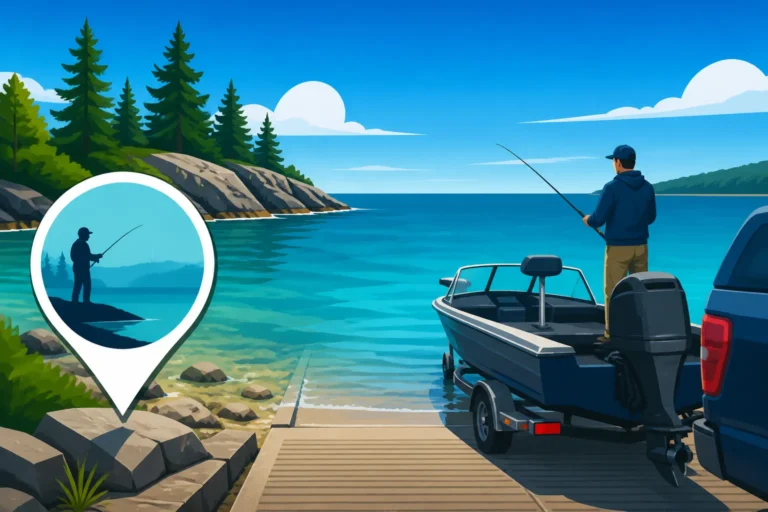
The main public boat launch in Cochrane is typically a well-maintained facility, offering a paved or gravel ramp suitable for various boat sizes, from small fishing boats to larger rigs. You'll usually find ample parking for vehicles and trailers, which is a huge relief after a long drive. Beyond the launch, Cochrane provides essential amenities that are vital for a successful fishing trip: bait shops, gas stations, grocery stores, and even a few restaurants and lodging options. It’s an ideal spot to stock up on supplies, get local intel on recent catches, and purchase your Ontario Fishing License Guide for 2026 if you haven't already. Many anglers choose to base their entire trip out of Cochrane due to this comprehensive support system.
Lesser-Known Roadside and Crown Land Opportunities
Beyond Cochrane's main launch, intrepid anglers might find lesser-known, more rustic access points by exploring the network of roads that snake through the surrounding Crown land. These are rarely marked and often require a bit of local knowledge or keen observation using satellite maps. These aren't formal boat launches but rather spots where a road comes close enough to the water's edge to allow for a small boat, canoe, or kayak to be launched by hand or a small trailer.
These "backroad" spots might be old logging road turn-offs, disused quarry sites, or simply clearings where locals have consistently accessed the lake. They often lack any facilities – no docks, no paved ramps, and sometimes limited parking. You'll likely need a robust vehicle, such as a 4×4 truck, especially if you plan to launch anything larger than a canoe. It's important to exercise caution and judgment, as road conditions can change rapidly, particularly after heavy rain or during the spring thaw. These hidden gems are often part of the charm of fishing Best Crown Land Fishing Lakes in Ontario, offering a more secluded experience away from any crowds.
Tips for Locating and Utilizing Unmarked Access Points
Successfully finding and using these informal access points requires a bit of detective work and preparation. Start by pouring over high-resolution satellite imagery on mapping apps like Google Maps or even specialized fishing navigation apps. Look for clearings in the tree line that lead directly to the water, or roads that appear to end at the shoreline. Cross-referencing these with municipal or Ministry of Natural Resources and Forestry (MNRF) maps can sometimes reveal public road allowances that lead to the lake.
When you do find a potential spot, approach with respect. These are often used by locals, and maintaining good relations is key. Be prepared for primitive conditions; bring everything you need, including garbage bags to pack out all your waste. If you're unsure about a specific spot or want to gain deeper insight into Abitibi's fishing potential, consider booking a trip with a local guide. Platforms like FishingBooker can sometimes help connect you with experienced outfitters in the region who possess invaluable knowledge of these hidden access points and the prime fishing grounds they unlock. Their expertise can save you a ton of time and prevent potential headaches.
| Access Point Location | Type of Access | Facilities | Boat Suitability | Ease of Access | Notes |
|---|---|---|---|---|---|
| Cochrane Public Launch | Formal Boat Ramp | Paved ramp, dock, ample parking, nearby amenities (gas, bait) | All sizes (small to large trailer boats) | Easy | Best for convenience and amenities; primary hub |
| Remote Crown Land Sites | Informal Shore Access | None (no ramp, no dock, limited parking) | Small boats, canoes, kayaks (hand-launched) | Challenging | Requires 4×4, good navigation skills, and self-sufficiency |
| Specific Municipal Road Ends | Semi-Formal Clearings | Gravel or natural slope, limited parking | Small to medium boats (light trailers) | Moderate | Variable conditions; check local road status |
Essential Preparation for Your Lake Abitibi Fishing Expedition
A trip to Lake Abitibi, especially when venturing to its more remote public access points, demands thorough preparation. This isn't a casual urban lake; it's a significant wilderness experience.
Legalities: Licenses, Regulations, and Boating Requirements
Before you even think about dropping a line, ensure all your legal ducks are in a row. Fishing in Ontario requires an Ontario Outdoors Card, Explained and a valid fishing license. You can typically purchase these online through the MNRF website, making it easy to sort out your How to Buy an Ontario Fishing License Online well before you leave home.
It's critical to familiarize yourself with the specific rules governing Lake Abitibi, as its cross-border status can sometimes introduce unique considerations, though for the most part, standard Ontario regulations apply on the Ontario side. Pay close attention to the Ontario Fishing Regulations Explained, including species-specific seasons, size limits, and the Ontario Bag and Possession Limits by Species for popular species like Walleye and Northern Pike. Enforcement is present, and ignorance of the rules is not an excuse. Beyond fishing, remember to adhere to Ontario Boating Laws for Anglers, which includes having all required safety equipment on board your vessel and ensuring everyone wears a Life Jacket Requirements for Ontario Boaters. A Pleasure Craft Operator Card (PCOC) is mandatory for operating motorized vessels in Canada.
Gear, Safety, and Communication for Remote Fishing
When heading to Lake Abitibi, especially to more remote access points, your gear and safety preparations need to be robust. Given the lake's size, conditions can change rapidly. A calm morning can quickly turn into a windy, choppy afternoon, making proper boat choice paramount. Ensure your boat is suitable for big water, well-maintained, and that you have ample fuel, preferably with extra cans.
Beyond your standard fishing tackle, pack a comprehensive safety kit that includes flares, a sound-signaling device, a first-aid kit, and a reliable anchor. Cell service can be spotty to non-existent in many areas of Lake Abitibi, so consider bringing a satellite phone, a two-way marine radio, or a personal locator beacon (PLB) for emergencies. Warm, waterproof clothing is a must, even in summer, as northern weather can be unpredictable. A quality GPS unit or a reliable fish finder with detailed mapping capabilities will be invaluable for navigation, especially if you plan to explore the lake's vast network of bays and islands.
Embracing Local Knowledge and Guided Trips
While maps and planning are essential, nothing truly replaces local knowledge on a body of water as complex as Lake Abitibi. The folks who live and fish there year-round have an intimate understanding of the lake's moods, its hidden hazards, and where the fish are biting at any given time. Don't be shy about striking up conversations at local bait shops in Cochrane or with other anglers at the boat launch. They can offer invaluable, real-time insights that no guide book can provide.
For those who want to maximize their time on the water, minimize the learning curve, and perhaps access those truly secret spots, considering a guided fishing trip is a fantastic option. Local guides know the lake like the back of their hand, often have specialized equipment, and can put you on fish faster than you could ever manage on your own. Many operate through services like FishingBooker, allowing you to easily find and book a reputable guide familiar with Lake Abitibi. This isn't just about catching fish; it's about learning the lake, understanding its unique challenges, and gaining experience that will serve you well on future independent trips.
Fishing Tactics and Species on Lake Abitibi
Once you've successfully accessed Lake Abitibi, you'll be eager to wet a line. The lake is renowned for its diverse fishery, offering exciting opportunities for a variety of species.
Targeting Walleye and Northern Pike
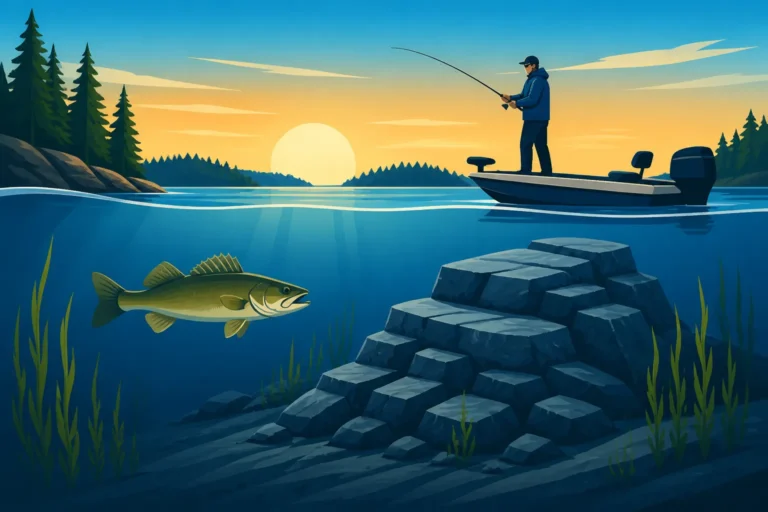
The undisputed kings of Lake Abitibi's fishery are Walleye and Northern Pike. These species thrive in the lake's rich, productive waters and are often the primary targets for visiting anglers. For Walleye, popular techniques include trolling crankbaits along expansive flats, over rocky humps, or through deeper channels. Jigging with soft plastics or live bait (where permitted) is also highly effective, especially when you locate schools of fish using your sonar. The key is often finding baitfish, as the Walleye won't be far behind. You can learn more about general strategies for Walleye Fishing in Ontario.
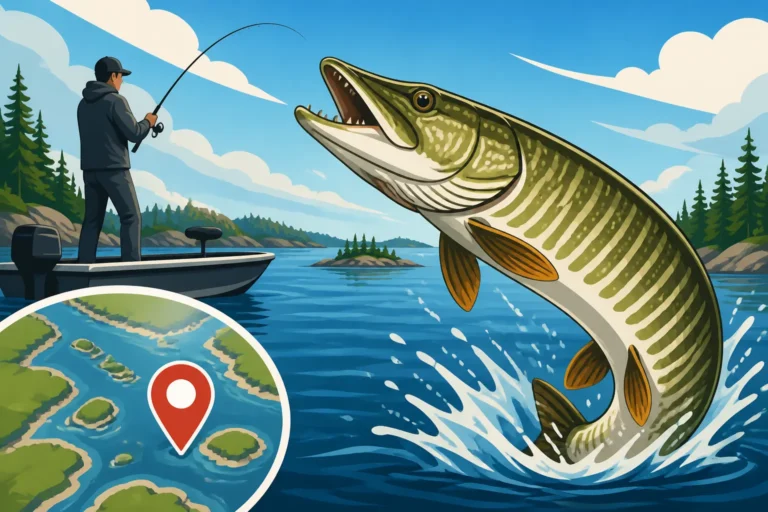
Northern Pike are abundant and can be found in various habitats, from shallow, weedy bays to rocky points and deeper drop-offs. Casting large spoons, spinnerbaits, or swimbaits is a go-to method for targeting these aggressive predators. For trophy-sized pike, focus on larger baits and structure. Ice fishing for both Walleye and Pike is also incredibly popular on Lake Abitibi during the winter months, offering a different but equally rewarding experience. Comprehensive tips for Northern Pike Fishing in Ontario can further enhance your success.
Shore Fishing vs. Boat Fishing Considerations
Given the vastness and often remote nature of Lake Abitibi, serious fishing almost always requires a boat. The best fishing grounds are typically away from shore, around islands, reefs, and deep-water structures that are simply unreachable from land. The public access points, while allowing you to get to the water, don't typically offer extensive shore fishing opportunities beyond the immediate area of the launch itself.
For those without a boat, shore fishing might be limited to casting from docks (if available), bridges (if safely accessible), or the very fringes of a public launch area. While you might pick up some smaller panfish or an occasional pike, the true potential of Lake Abitibi as a fishing destination is unlocked by having a capable vessel. This allows you to explore the sprawling bays, intricate channels, and deeper basins where the larger game fish reside. If boat ownership isn't an option, consider chartering a trip through a local outfitter found on platforms like FishingBooker, as they can provide the vessel and expertise needed to truly experience Lake Abitibi's incredible fishery. This makes for a fantastic way to experience one of the Best Fishing Lakes in Ontario.
Disclaimer
The information provided in this guide is for general informational purposes only and is subject to change. Always consult the most current Ontario Fishing Regulations Summary, local authorities, and weather forecasts before embarking on any fishing trip. Fishing, boating, and outdoor activities inherently involve risks, and participants should take all necessary precautions for their safety.