Best lure color for muddy water walleye fishing
There’s nothing quite like the anticipation of a day out on Ontario’s waters, ready to chase some walleye. But then you arrive, and the usually clear, inviting lake or river is a murky, chocolate-milk mess. It’s a common frustration, making you wonder if you should even bother wetting a line. Don't throw in the towel just yet! Fishing muddy water for walleye presents a unique challenge, but with the right understanding of how walleye react to these conditions and, crucially, which lure colors to choose, you can absolutely turn a tough day into a successful one. This comprehensive guide will arm you with the knowledge to pick the best lure colors when the water gets cloudy in Ontario.
Understanding Why Water Gets Muddy in Ontario
Before we even talk about lure colors, it's really helpful to grasp why the water gets muddy in the first place and how that impacts the fish. It’s not just a random inconvenience; there are genuine environmental factors at play, and knowing them helps you predict and adapt.
Natural Causes of Turbidity
Heavy rains are, hands down, one of the biggest culprits. When Ontario gets a good soaking, especially in the spring or after a dry spell, all that water runs off the land, picking up soil, silt, and organic matter along the way. This runoff then empties into our lakes and rivers, clouding up the water. Think about those smaller creeks and rivers that feed into larger bodies of water – they can turn a whole section of a big lake muddy surprisingly quickly.
Beyond rain, strong winds can also stir things up, particularly in shallower, larger lakes like Lake Erie or even some of the expansive bays on Lake Simcoe. If the bottom is soft, a few days of sustained strong winds can churn up sediment, making the water incredibly cloudy. Natural erosion from shorelines, especially along river bends or lakes with softer banks, constantly contributes to the suspended particles in the water. It’s a natural cycle, but it sure makes fishing tricky.
Human-Induced Factors
While nature plays a big role, we sometimes contribute to the murkiness too. Excessive boat traffic, especially in narrower channels or shallow areas, can kick up a lot of sediment. Imagine a busy weekend on a popular lake with dozens of boats roaring through – that propeller wash can easily stir the bottom, creating a localized muddy zone.
Less common, but still a factor, are things like dredging operations or construction near waterbodies. These activities can release massive amounts of sediment into the water, drastically increasing turbidity for extended periods. Even agricultural runoff, carrying fine soil particles from tilled fields, contributes to cloudy conditions in many of Ontario's farming regions, particularly in southern Ontario. Understanding these sources helps you anticipate when and where you might encounter these challenging conditions.
How Muddy Water Affects Walleye Behavior
So, the water's murky. What does that mean for the walleye, those elusive, finicky eaters? Walleye are primarily sight feeders, known for their excellent low-light vision, which gives them an edge in dawn, dusk, and deeper water. However, when the water turns genuinely muddy, their primary hunting tool is severely compromised. Visibility can drop from several feet to mere inches, or even zero.
When their vision is limited, walleye don't just give up eating. Instead, they adapt. They tend to become less active and might move to shallower areas where there's slightly better light penetration, or closer to prominent structure like weed edges, rock piles, or fallen trees. These areas offer ambush points where they can surprise baitfish that might inadvertently wander too close. They also rely much more heavily on their other senses: their lateral line to detect vibrations, and their sense of smell to track down prey. This shift in sensory reliance is crucial when choosing your presentation. If you're looking for general tips on how to target them, you might find our guide on "How to Catch Walleye in Ontario" really helpful.
The Science Behind Lure Color in Muddy Water
It might seem like guesswork, but there’s a real science to why certain lure colors shine (pun intended!) in murky water. It's all about how light behaves in water and how a walleye's eye is constructed.
Light Penetration and Wavelengths
When sunlight hits water, it's not all absorbed or reflected equally. Different colors, which are essentially different wavelengths of light, penetrate water to varying degrees. Red light, for example, is the first to be absorbed and effectively disappears very quickly, even in relatively clear water. Orange follows, then yellow, green, and finally blue, which penetrates the deepest.
Now, throw muddy water into the mix. All those suspended particles (silt, clay, organic matter) act like tiny shields, scattering and absorbing light even more aggressively. This means that very little light, especially shorter wavelengths like blue and green, gets through. What does get through tends to be longer wavelengths, like reds and oranges, but even those are quickly diminished. The key takeaway here is that in muddy water, you're operating in an extremely low-light environment where most colors effectively disappear very quickly. The goal isn't necessarily to match the hatch, but to create the strongest possible visual signal with the limited available light.
Walleye Vision and Low-Light Adaptation
Walleye are renowned for their incredible low-light vision, thanks to a special reflective layer behind their retina called the tapetum lucidum. This is what makes their eyes glow in the dark when a light hits them, and it effectively gathers and amplifies any available light, giving them a significant advantage in dim conditions. It’s why fishing for walleye is so popular during "Best Time of Day to Catch Walleye", like dawn and dusk, or even "Night Fishing for Walleye in Ontario".
However, even with this fantastic adaptation, walleye still struggle when water is truly opaque. Their vision relies on some light. In very muddy conditions, they won't be seeing vibrant, true colors. Instead, they'll be detecting differences in brightness and contrast, essentially seeing shapes and shadows. This means a lure that stands out strongly against the murky background, rather than blending in, will be more effective. The goal isn't necessarily a "natural" presentation, but one that is aggressively unnatural and therefore visible.
Vibration and Sound as Key Triggers
While color is important, it's critical to remember that in muddy water, a walleye's lateral line and sense of smell often take center stage. The lateral line is a sensory system running along the side of the fish that detects pressure changes and vibrations in the water. In low visibility, this becomes their primary way of locating prey.
Therefore, your lure choice shouldn't just be about color; it should also be about how much commotion it creates. Lures with aggressive wobbles, strong rattles, or thumping blades send out powerful vibrations that walleye can detect from a distance. Pair these strong vibrations with the right high-contrast color, and you've got a winning combination. If you're trying to figure out "How to Catch Walleye During a Cold Front in Ontario", these principles of vibration and visibility become even more vital, as fish activity often decreases.
Top Lure Colors for Muddy Water Walleye in Ontario
Alright, let’s get down to the nitty-gritty: which colors should you be tying on when the water looks like coffee? The consensus among seasoned Ontario anglers leans towards a specific palette that excels in low visibility.
Chartreuse and Fluorescent Green
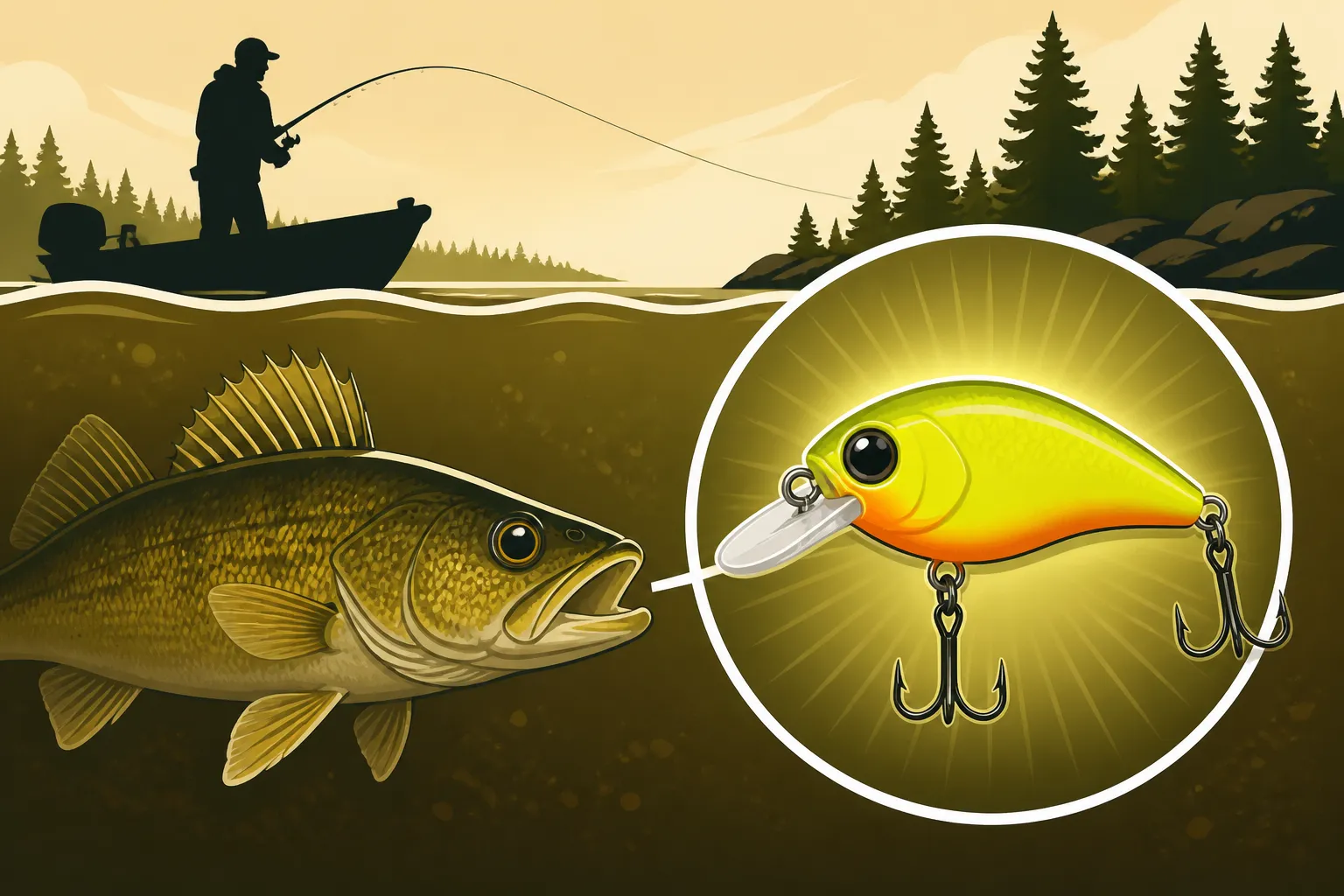
These are often the undisputed champions for muddy water. Why? Chartreuse and fluorescent green hues reflect a significant amount of the limited available UV light, making them exceptionally bright and "loud" in murky conditions. They don't just absorb light; they re-emit it, creating a glowing effect that can catch a walleye's eye even when other colors disappear.
Think about a bright chartreuse crankbait or a fluorescent green jig head paired with a grub. These colors create a powerful contrast against the dark, muddy background, making them visible as distinct shapes. Whether you’re fishing the Bay of Quinte for walleye or a smaller, rain-swollen river, having some chartreuse or fluorescent green in your tackle box is non-negotiable for these conditions. You can often find a fantastic selection of these bright lures on Amazon to stock up before your next trip.
Orange and Hot Pink
While red light quickly diminishes, bright oranges and hot pinks can still be highly effective in muddy water, especially in shallower areas. These vibrant colors create excellent contrast against the brown or green murk, appearing as a strong, distinct blob to a walleye’s eye. They often come into their own when the water isn't entirely opaque, but still quite stained.
Consider an orange belly on a crankbait or a hot pink jig for vertical jigging. The key is their intensity. They are designed to stand out, and in murky water, "standing out" is the name of the game. Don't be shy about experimenting with these bold choices, especially if chartreuse isn't getting bites. Sometimes a subtle shift in hue can make all the difference, particularly during the "Ontario Walleye Opener Dates by Zone" when spring runoff can be a factor.
Black and Darker Hues (Silhouettes)
This might seem counter-intuitive, right? Why would a dark color work in dark water? The trick is contrast. When there’s any ambient light from above – even diffused light on an overcast day – a dark lure creates a strong, distinct silhouette against that lighter background. Imagine holding a black object up against a cloudy sky; it stands out clearly.
A black jig, a dark purple soft plastic, or even a dark blue crankbait can be incredibly effective, especially if you're fishing shallow flats where some light is still penetrating. The walleye might not see the color, but they'll definitely pick up on the defined shape moving through the water. This is a tactic often overlooked, but one that consistently surprises anglers with its effectiveness.
Firetiger and Other High-Contrast Patterns
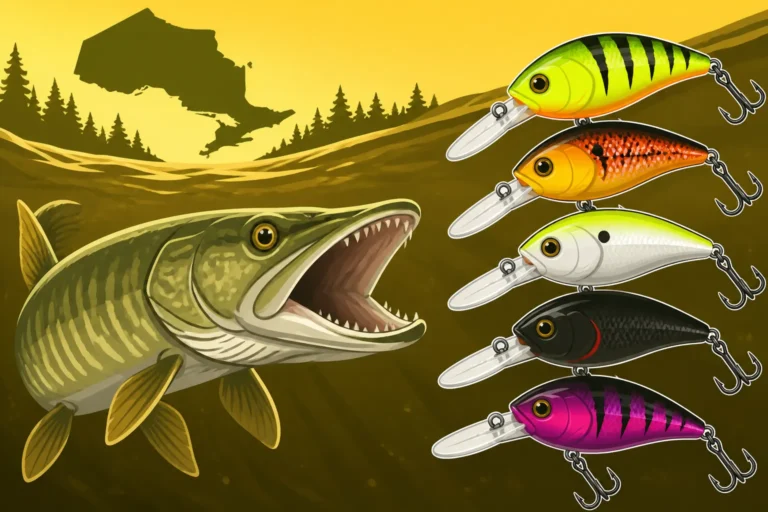
Sometimes, one color isn't enough. Enter the high-contrast patterns, with Firetiger being the classic example. Firetiger combines bright chartreuse, vibrant orange, yellow, and black stripes. This combination offers multiple visual cues: the chartreuse and orange for brightness, and the black for strong contrast and a defined silhouette.
Lures with these multi-color, high-contrast patterns essentially cover all your bases. They create a "busy" visual signal that is hard for a walleye to ignore, even in severely limited visibility. Other patterns with stark color differences, like white and black, or bright pink and black, can also be very productive. These patterns are particularly good for crankbaits, where the lure's movement further enhances the visual disturbance.
Gold and Brass (Flash and Glint)
Metallic finishes, particularly gold and brass, can be surprisingly effective in muddy water. While they don't emit light like fluorescents, they excel at catching and reflecting even the tiniest amount of available light, creating a flash or glint that can draw attention. This brief flash of light, even if not seen as a true "color," can be enough to trigger a curious walleye.
Gold blades on spinnerbaits, gold spoons, or crankbaits with gold sides can all be excellent choices. The flash they produce is an intermittent, attention-grabbing signal. Think of it like a quick camera flash in a dim room – it momentarily illuminates. This visual pop, combined with vibration, can be a potent attractor. When you're considering your options for "Best Lures for Walleye on Lake Erie," don't forget metallic finishes if the big lake gets stirred up.
Here’s a quick summary table for common muddy water scenarios in Ontario:
| Water Turbidity Level | Light Conditions | Best Lure Colors | Recommended Lure Types | Key Considerations |
|---|---|---|---|---|
| Slightly Stained | Overcast/Bright | Chartreuse, Orange, Firetiger, Gold | Crankbaits, Spinnerbaits, Jigs | Focus on vibrant, contrasting colors with some flash. |
| Low Light/Dusk | Chartreuse, Hot Pink, Black, Gold | Jigs (scented), Slow-wobble Crankbaits | Maximize visibility and vibration; consider adding scent. | |
| Moderately Muddy | Overcast/Bright | Fluorescent Green, Chartreuse, Firetiger | Rattling Crankbaits, Spinnerbaits (Colorado blades) | High visibility is paramount; strong vibration is a must. |
| Low Light/Dusk | Black, Hot Pink, Fluorescent Green | Heavy Jigs (scented), Lipless Crankbaits | Focus on silhouette, vibration, and heavy scent. | |
| Very Muddy/Opaque | Any | Fluorescent Green, Chartreuse, Black, Hot Pink | Heavy Rattling Crankbaits, Large Blade Spinnerbaits, Scented Jigs | Maximum vibration, largest profile, and abundant scent are critical. |
Best Lure Types and Techniques for Muddy Water Walleye
Choosing the right color is only half the battle. The other half is presenting it effectively with the right lure type and technique. In muddy water, you need to appeal to all of a walleye's senses, not just sight.
Crankbaits for Vibration and Movement
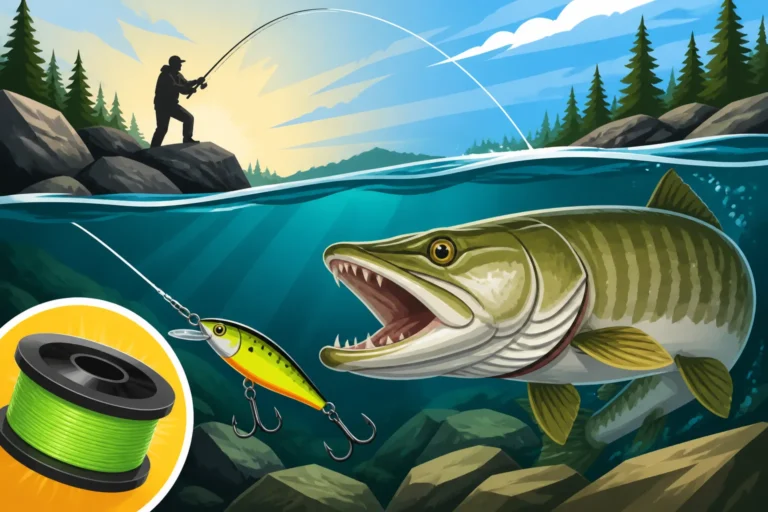
Crankbaits are phenomenal tools for muddy water, largely because they excel at producing vibration and sound. Look for models that have an aggressive wobble or, even better, internal rattles. These features send out powerful sound waves and pressure changes that walleye can detect with their lateral line from a good distance, even if they can't see the lure.
Deep-diving crankbaits can get down to where walleye might be holding near structure, while lipless crankbaits are fantastic for covering water and creating a lot of commotion. Experiment with retrieve speeds; sometimes a slower, more deliberate retrieve allows the walleye more time to locate the lure, especially if you're targeting areas where walleye are concentrated. When fishing for "Walleye Fishing in Ontario," many anglers swear by aggressive crankbaits in off-color water.
Jigs and Scent
Jigs are a classic for walleye, and they remain incredibly effective in muddy water, especially when enhanced. The combination of a brightly colored jig head (chartreuse, orange, hot pink) and a soft plastic trailer that moves a lot, like a paddle tail or a grub, can be deadly. The soft plastic provides extra vibration, and its profile offers a good target.
However, the real secret weapon with jigs in muddy water is scent. Tipping your jig with live bait – a minnow, a piece of a worm, or even a leeches – can provide that crucial olfactory trigger that helps a walleye home in when vision fails. If live bait isn't an option, use scented soft plastics or apply a liquid scent like Berkley Gulp! or Pro-Cure to your artificial trailers. The scent trail becomes a beacon in the murk. For more in-depth information, check out our guide on "Spring Walleye Fishing Techniques for Ontario", where scent often plays a big role with jigs.
Spinnerbaits and Blade Flash
Spinnerbaits might be more commonly associated with bass, but they are incredibly potent for walleye in muddy conditions. The rotating blades, particularly large Colorado blades, displace a lot of water, creating a tremendous amount of thump and vibration. This is like ringing a dinner bell for walleye relying on their lateral line.
Choose spinnerbaits with bright skirts in chartreuse or fluorescent green, and blades that offer good contrast and flash, such as gold or painted chartreuse blades. The combination of strong vibration from the blade, flash from the metallic surface, and a visible profile from the skirt makes them highly attractive. Spinnerbaits are excellent for covering shallow, murky flats or prospecting along weed lines where walleye might be ambushing baitfish.
Slow Presentations and Targeting Structure
Walleye in muddy water are often less aggressive and less willing to chase. This means slowing down your presentation is often key. Instead of ripping baits, try a slower, more methodical retrieve. For jigs, a subtle lift-and-drop or dragging technique can be more effective than sharp snaps. For crankbaits, a slow, steady retrieve that maximizes the lure's wobble is often best.
Furthermore, focus your efforts on obvious structure. Walleye will often hug cover more tightly in muddy water, seeking ambush points and areas where baitfish might also be seeking refuge or where the water is slightly clearer. Target weed edges, rock piles, submerged timber, drop-offs, and current breaks. Think about the areas you'd typically find walleye – "Best Walleye Lakes in Ontario" like Lake Nipissing often have extensive structures that hold fish even in tough conditions.
The Importance of Scent
I can't stress this enough: in very muddy water, scent can be the ultimate game-changer. When walleye can't see, and vibration only gets them close, that natural or artificial scent plume is what seals the deal. It gives them something to home in on directly.
Whether you're tipping a jig with a minnow, using a worm harness, or applying a potent scent spray to your crankbait, make scent a priority. There are many excellent scent products on the market, readily available on Amazon, that can significantly increase your strike rates when visibility is poor. Don't leave home without it on those days when the water just looks "off." It might be the difference between a skunk and a limit.
Disclaimer
Fishing regulations, license requirements, and seasonal opening/closing dates can change. Always consult the most current Ontario Fishing Regulations Summary, available from the Ontario Ministry of Natural Resources and Forestry (MNRF), before heading out on the water. This guide is for informational purposes only and should not be considered a substitute for official regulations.