Best technique for ice fishing lake trout
The ice-covered lakes of Ontario offer some of the most challenging yet rewarding fishing experiences, especially when you're targeting the mighty lake trout. Many anglers find themselves staring down a drilled hole, wondering how to entice these deepwater predators. This guide will walk you through the most effective techniques for ice fishing lake trout, ensuring you have the knowledge to turn those frozen frustrations into thrilling catches.
Understanding Lake Trout in Winter
Before you can hope to catch a lake trout through the ice, you need to understand where they live and how they behave when the water turns to a solid sheet. It’s not just about drilling a hole anywhere; it’s about strategic placement based on their winter patterns.
Lake Trout Habits Under the Ice
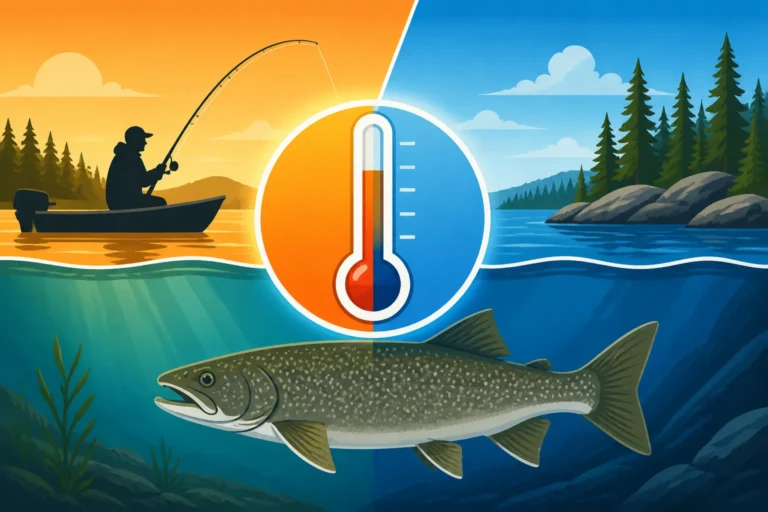
When winter arrives and a thick blanket of ice forms over Ontario's lakes, lake trout undergo some behavioral changes, but their core preferences for cold, oxygen-rich water remain. Unlike some species that might move into shallower, oxygenated areas, lake trout often continue to hold to deeper parts of the lake. They are usually found suspending over deep water, often relating closely to structure below them. This could be anything from sunken islands, steep drop-offs, underwater humps, or even deep points that extend into basins. Their metabolism slows down in the frigid water, meaning they might not be as actively chasing bait as they would in summer. However, they are still opportunistic feeders, and a well-presented lure can definitely trigger a strike. Understanding their tendency to cruise at specific depth ranges, often between 30 to 80 feet, is crucial for success. These fish are constantly on the move, searching for schools of baitfish, so being able to cover water, even with static holes, is important.
Prime Locations for Ice Fishing Lake Trout
Finding the right spot is arguably the most critical step in ice fishing for lake trout. You're looking for areas that offer both deep water and significant underwater structure. Think about topographical maps as your best friend here. Look for sudden depth changes, like sharp drop-offs into deep basins. Submerged humps, which are essentially underwater hills, are prime real estate, as lake trout will cruise the sides and tops, ambushing unsuspecting baitfish. Points that extend from shore out into deeper water are also excellent ambush locations. If you’re fishing a large lake, look for areas with current, such as narrows between islands or channels, as these areas tend to concentrate baitfish and provide oxygen flow, which active lake trout appreciate. Popular bodies of water often known for productive lake trout ice fishing include many of the larger, deeper lakes across Northern Ontario, as well as specific areas in the Great Lakes basin. These are the kinds of spots where you'll often find lake trout congregating, making your efforts more fruitful.
Essential Gear for Lake Trout Ice Fishing
Having the right tools for the job makes all the difference, especially when you’re dealing with cold temperatures and potentially large, powerful fish like lake trout. Skimping on gear can lead to frustration and lost opportunities.
Rods, Reels, and Line
For ice fishing lake trout, you’re going to need robust tackle. Forget your panfish setup; these fish demand a sturdy approach. A heavy to medium-heavy action ice fishing rod, typically 36 to 48 inches long, is ideal. The stout backbone is necessary for setting the hook in deep water and fighting strong fish, while the sensitive tip allows you to detect subtle bites. Pair this with a reliable spinning reel in a 2500-4000 series size, known for its smooth drag system. A smooth drag is non-negotiable when a big laker decides to run, preventing snapped lines. For line, many experienced anglers opt for a braided main line, such as 20 to 30 lb test, due to its no-stretch properties and increased sensitivity, which is vital for detecting bites in deep water. This braid should be tied to a 10 to 15 lb fluorocarbon leader, usually 5-8 feet long. Fluorocarbon is nearly invisible underwater, helping to fool wary trout, and its abrasion resistance is excellent against sharp ice edges and rocky bottoms. You can often find excellent deals on high-quality braided and fluorocarbon lines on platforms like Amazon.
Lures and Baits
When it comes to enticing lake trout through the ice, variety is key. They can be finicky, so having a selection of lures can make all the difference.
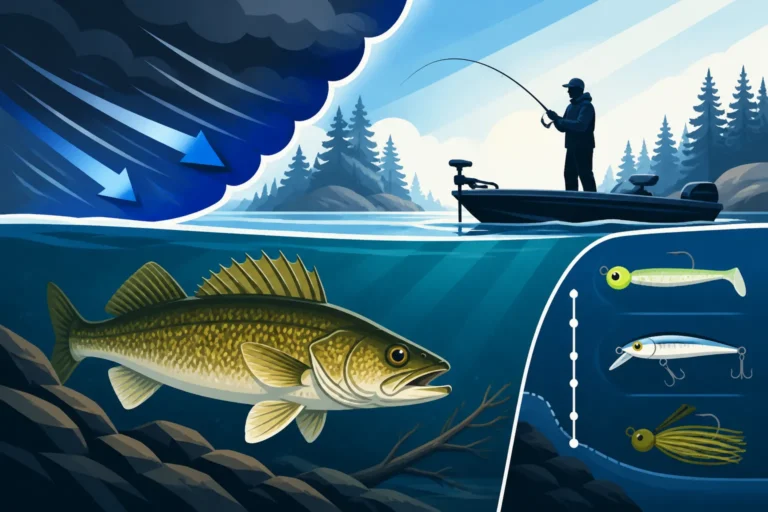
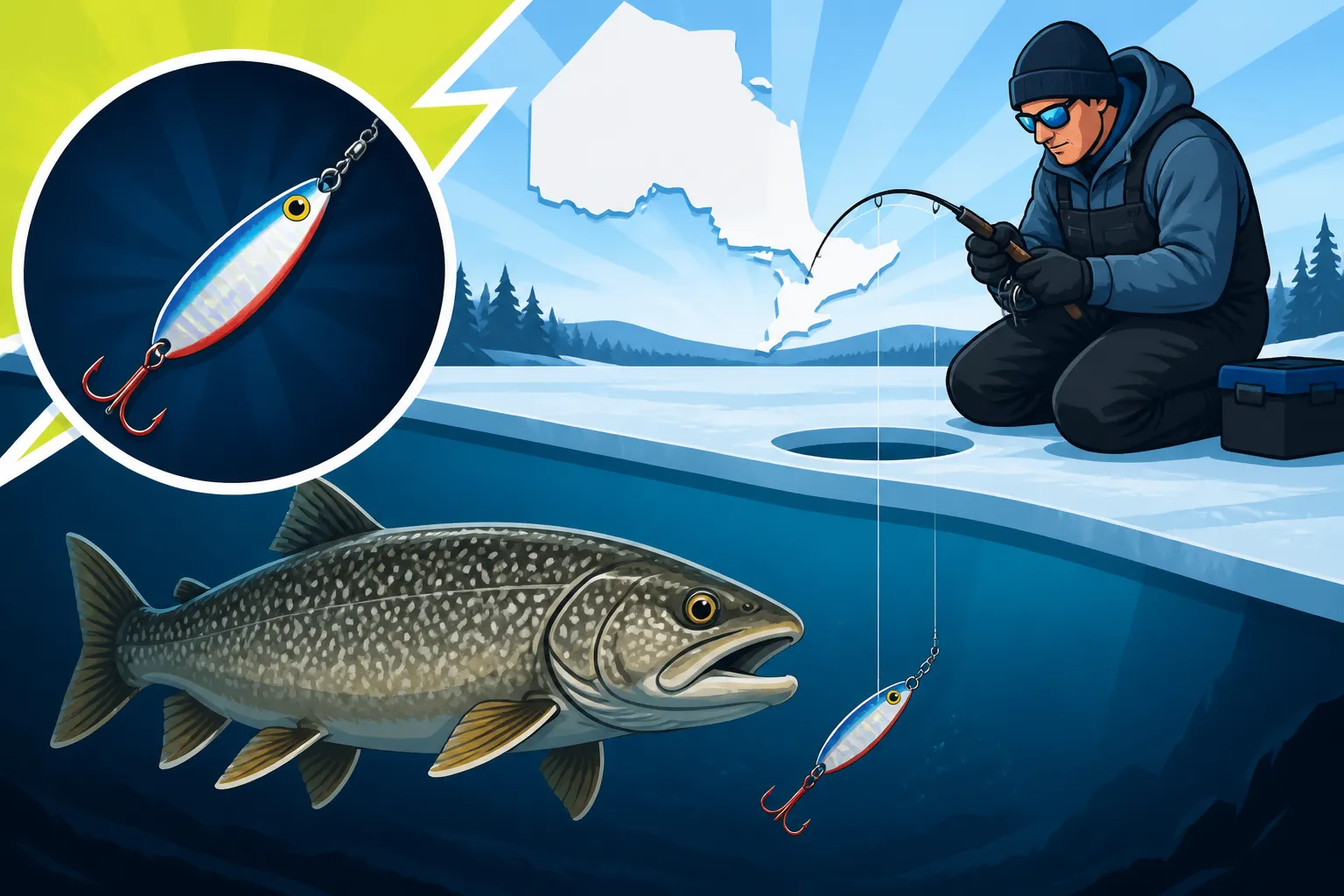
- Jigging Spoons: These are absolute staples for lake trout. Heavy jigging spoons, ranging from 1/2 oz to 1.5 oz, are effective because they sink quickly to the desired depth and have a fluttering action on the drop that mimics dying baitfish. Popular colors often include silver, gold, white, and chartreuse. Some spoons, like the Swedish Pimple or Kastmaster, have proven their worth time and again.
- Tube Jigs: Soft plastic tube jigs, often 3-5 inches long, are incredibly versatile. Rigged on a heavy lead head, they can be jigged aggressively or slowly crawled along the bottom. White, black, and natural baitfish colors are excellent starting points.
- Swim Baits: Heavier soft plastic swimbaits, especially those designed for vertical jigging, can be deadly. Their realistic profile and tail action can trigger strikes from less aggressive fish.
- Blade Baits: Lures like the Sebile Vibrato or the Rapala Jigging Rap are also highly effective. Their unique vibration and darting action on the lift can call in fish from a distance.
- Live/Dead Bait: Don't underestimate the power of natural bait. A whole frozen cisco, smelt, or even a large shiner rigged on a quick-strike rig under a tip-up can be incredibly effective, especially for larger, less active fish. Sometimes, a simple minnow on a plain hook is all it takes. Check local regulations for bait restrictions, as some lakes are bait-restricted.
You'll find a wide array of these specialized lures and baits available through retailers like Amazon, making it easy to stock up before your next trip.
Ice Augers and Electronics
You simply can’t ice fish for lake trout effectively without reliable ice-drilling equipment and good electronics. Lake trout are nomadic and often require you to drill many holes to find them, and they typically inhabit lakes with considerable ice thickness.
- Ice Augers: A good quality, powerful ice auger is indispensable. For lake trout, you'll want at least an 8-inch auger, preferably a 10-inch, to handle larger fish coming through the hole. Options range from hand augers for lighter, thinner ice, to propane, electric, or gas-powered augers. Electric augers have become incredibly popular due to their quiet operation, lack of fumes, and consistent power, making drilling dozens of holes much less tiring.
- Electronics: This is where you gain a significant advantage. A fish finder, whether it's a flasher unit or a more advanced LCD sonar, is almost a necessity. These units allow you to:
- See your lure: You can watch your lure descend, ensuring it's at the desired depth.
- Detect fish: You'll see fish approaching your lure, allowing you to adjust your presentation to entice a strike.
- Identify structure: Advanced units can help you map out the bottom, identifying humps, drop-offs, and other features that attract lake trout.
- Monitor depth: Crucial for staying in the lake trout's preferred zone.
Knowing "how deep to troll for lake trout in summer" is a different ball game, but seeing their precise depth in winter is invaluable.
Invest in a quality unit, as it will dramatically increase your success rate. There are many fantastic portable fish finders available that are perfect for ice fishing, and you can compare various models and features easily on Amazon.
Proven Techniques for Targeting Lake Trout Through the Ice
Once you’ve got your gear and you’re on a promising spot, it’s time to put your techniques to the test. Lake trout respond best to specific presentations that mimic their natural prey and trigger their predatory instincts.
Vertical Jigging Strategies
Vertical jigging is the primary technique for ice fishing lake trout, and mastering it involves more than just dropping a lure down a hole. The goal is to imitate a wounded baitfish or create enough commotion to attract attention.
- Aggressive Jigs: Start by dropping your lure to the desired depth, often near the bottom or suspending in the water column where you’ve marked fish. Begin with an aggressive retrieve: raise your rod tip sharply 2-3 feet, then let the lure flutter back down on a semi-slack line. This creates a lot of flash and vibration. Repeat this a few times, then pause. Strikes often occur on the pause as the lure descends or just after it settles.
- Subtle Wiggles and Deadsticking: If aggressive jigging isn't producing, try slowing down. Smaller, more subtle lifts and drops, or just gently twitching the rod tip, can entice less active fish. Sometimes, a deadsticking approach is effective, where you let your lure sit perfectly still for 10-30 seconds. Lake trout are curious, and a motionless presentation can sometimes be just what they need to commit.
- Varying Depths: Don’t just fish the bottom. Lake trout frequently suspend in the middle of the water column, especially if they are chasing schools of baitfish. Pay close attention to your fish finder and adjust your lure depth accordingly. If you mark fish at 50 feet over 100 feet of water, fish at 50 feet. Always retrieve your lure slowly up through the water column a few times before reeling in completely; many lake trout will follow a lure upwards before striking.
Deadsticking and Set Lines
While active jigging is crucial, complementing it with deadsticking or set lines using tip-ups can significantly increase your chances. This strategy provides a static, always-on presentation that can tempt fish that might be wary of aggressive jigging.
- Tip-Ups: These are simple devices that hold your bait at a set depth. When a fish takes the bait, a flag springs up, signaling a bite. Rig tip-ups with a strong main line (e.g., 20-30 lb braided or Dacron line) and a fluorocarbon leader (15-20 lb) attached to a single, sharp hook. Bait them with a whole frozen cisco, smelt, or large live minnow. Setting multiple tip-ups allows you to cover a wider area and present different baits or depths simultaneously, increasing your odds. Just be mindful of "Ontario Lake Trout Limit and Possession Rules" regarding the number of lines you can legally fish.
- Deadsticks: A deadstick is simply a rod left unattended in a rod holder, usually with a natural bait. This offers a more subtle presentation than jigging. Some anglers prefer to use a smaller, flashy spoon or jig tipped with a piece of bait (e.g., a minnow head or worm piece) on a deadstick. The natural movement of the bait in the water or a slight current can be enough to trigger a bite. When setting up a deadstick, ensure the drag is set appropriately so a running fish doesn't pull your rod down the hole.
Reading Your Electronics
Your fish finder is your most valuable asset when ice fishing for lake trout. Learning to interpret what it's telling you is like having X-ray vision into the underwater world.
- Spotting Fish: Lake trout will appear as arches or distinct marks on your screen. Pay attention to their size and how they are reacting to your lure. A thick, strong return usually indicates a larger fish.
- Lure Presentation: You should be able to see your lure as a distinct mark. This allows you to precisely control its depth relative to any fish you mark. If a fish is looking up at your lure, try raising it slowly. If it's below, drop your lure past it and then slowly reel up.
- Interpreting Reactions: Watch how fish react to your presentation. Do they approach quickly? Hesitantly? Do they dart away? This feedback helps you adjust your jigging cadence, lure type, or depth. If fish are rising quickly to your lure, it might indicate an aggressive mood. If they are slow to react or just "looking," a more subtle approach might be needed. This dynamic interaction is why many anglers consider "Ice Fishing in Ontario" such an engaging pursuit.
- Bottom Structure: Your electronics will also show you the bottom contour. Look for those humps, drop-offs, and subtle changes that you identified on your map. Fishing directly on or near these features is key.
Ice Safety and Best Practices
Safety is paramount when venturing out onto the ice. Ontario winters can be unpredictable, and understanding ice conditions is crucial for a safe and enjoyable trip.
Ice Thickness and Safety Equipment
Never, ever take chances with ice. The dangers are very real, and no fish is worth the risk. Always check "How thick ice needs to be to fish safely in Ontario" before you step foot on it.
- Minimum Thickness: A general rule of thumb for safe ice fishing is at least 4 inches of clear, hard ice for a single person walking. For snowmobiles, you need 5-7 inches, and for light vehicles, 8-12 inches. These are minimums, and more is always better. Remember that ice thickness can vary greatly on the same body of water, even within a few feet. Springs, currents, inflows, and outflows can create thin spots.
- Checking Ice: Use an auger or spud bar to frequently check ice thickness as you move across the lake. Don't rely solely on tracks or other anglers' presence; always verify for yourself.
- Safety Gear: Always carry essential safety equipment:
- Ice picks: Worn around your neck, these are your best friend if you fall through.
- Rope: A buoyant rope, at least 50 feet long, can be thrown to someone who has fallen in.
- Flotation suit or PFD: Wearing a floatation suit or a personal flotation device (PFD) over your winter gear can save your life.
- Buddy System: Never fish alone. Always go with a friend or group.
- Tell Someone: Let someone on shore know where you're going and when you expect to return.
Catch and Release Considerations
Lake trout are slow-growing fish, and large individuals can be very old. Practicing responsible catch and release, especially for trophy-sized fish, helps ensure healthy populations for future generations.
- Minimize Air Exposure: Keep the fish in the water as much as possible. If you need to bring it onto the ice for a photo, do so quickly.
- Wet Hands: Always wet your hands before handling a fish. Dry hands can remove the protective slime coat, making the fish more susceptible to disease.
- Support the Fish: If you’re lifting a large lake trout, support its entire body horizontally, especially its belly. Avoid hanging it vertically by the jaw, as this can cause internal damage.
- Proper Tools: Use needle-nose pliers or a hook remover to quickly and gently remove hooks. Barbless hooks can make this process even easier.
- Revival: If the fish seems sluggish, hold it gently in the water, facing into any current, and allow water to flow over its gills until it's strong enough to swim away on its own. Do not try to swim it back and forth, as this pushes water the wrong way over the gills.
By following these best practices, you can enjoy the thrill of catching these magnificent fish while also doing your part to conserve "Lake Trout Fishing in Ontario" for years to come.
Comparison of Common Lake Trout Ice Fishing Lures
| Lure Type | Best Use | Action/Movement | Key Characteristics |
|---|---|---|---|
| Jigging Spoons | Aggressive fish, deep water, quick descent | Fluttering, flashing, wounded baitfish imitation | Heavy, metallic, various colours/patterns |
| Tube Jigs | Finesse presentation, vertical jigging, curious fish | Gliding, spiraling, subtle twitch | Soft plastic, lead jig head, realistic profile |
| Blade Baits | Attracting fish from a distance, active retrieve | High vibration, erratic darting on lift/drop | Compact, thin metal body, distinct rattle or vibration |
| Swim Baits | Realistic presentation, targeting larger fish | Lifelike swimming action, slow presentation | Soft plastic, paddle tail, often rigged on jig head |
| Live/Dead Bait | Passive fishing, less active fish, tip-ups | Natural scent and movement, enticing large lakers | Minnows, smelt, cisco, rigged on single/quick-strike hook |
By understanding these techniques and arming yourself with the right gear and knowledge, you'll be well on your way to enjoying some incredible lake trout action on Ontario's frozen waters. It’s a rewarding pursuit that combines skill, patience, and a deep appreciation for the winter wilderness.
Disclaimer
This article is for general informational purposes only and does not constitute professional advice. Laws, prices and regulations vary by location and change over time. Consult a qualified professional for guidance on your specific situation.