Best technique for fishing muddy runoff conditions
There's nothing quite like rolling up to your favourite Ontario fishing spot after a heavy rainfall, only to find the water resembling chocolate milk, churning with debris. That frustrating sight can quickly lead to thoughts of packing up before you've even cast a line, but don't despair! This comprehensive guide will equip you with the knowledge and tactics to not just survive, but potentially thrive, when fishing in muddy runoff conditions, helping you turn a challenging day into a successful one.
Understanding the Impact of Muddy Runoff
When heavy rains hit, especially after a dry spell, our beautiful Ontario lakes and rivers can quickly turn into a murky mess. This isn't just an aesthetic issue; it profoundly changes the underwater environment and how fish behave. Understanding these changes is the first step to adapting your approach.
The Science of Turbidity
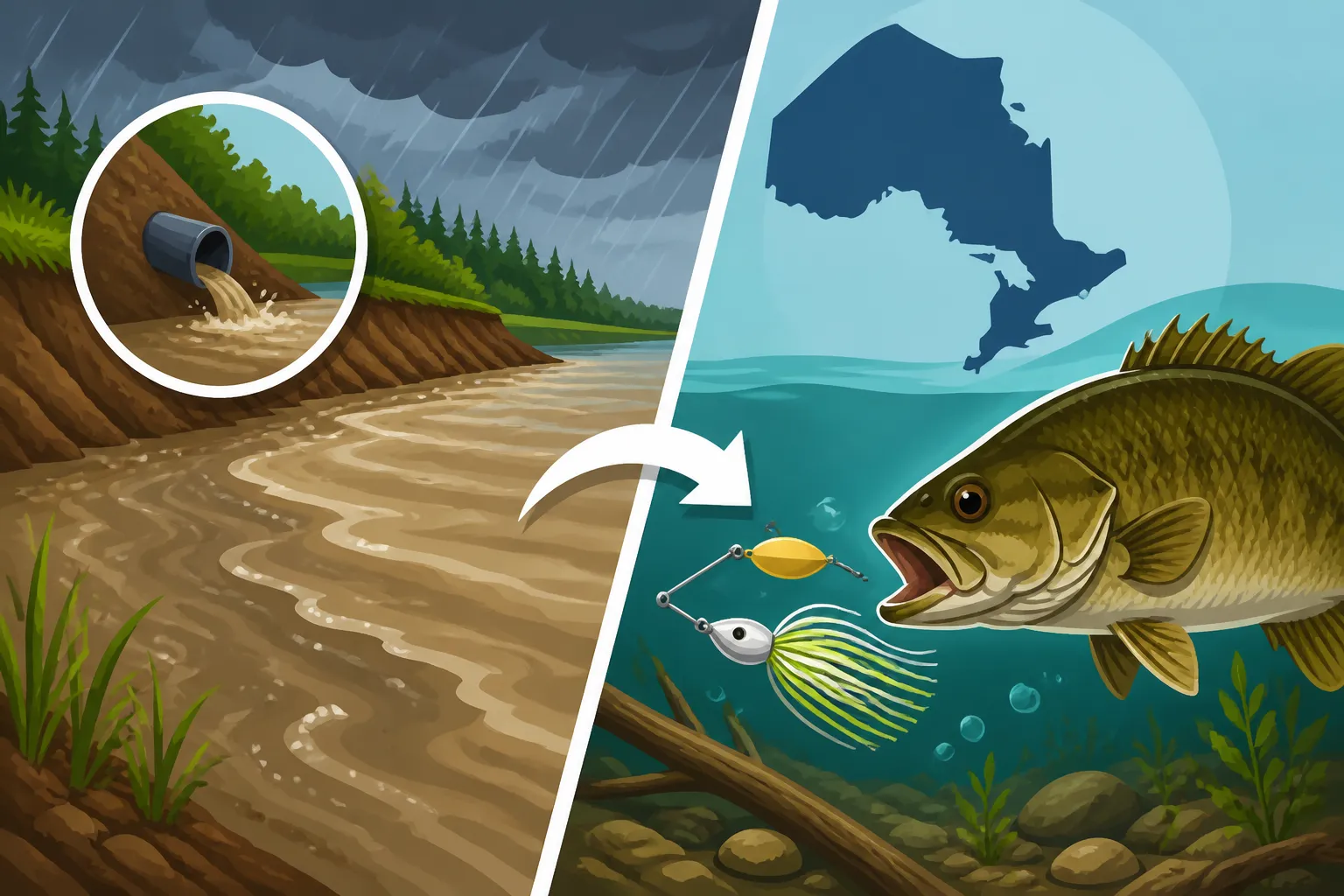
Turbidity is simply a measure of how cloudy or opaque water is due to suspended particles. In runoff conditions, this typically means a high concentration of silt, clay, organic matter, and even pollutants washed in from the surrounding land. When this happens, light penetration is severely reduced. Imagine trying to find your way in a dark room; that's what a fish's visual world becomes. The sun's rays, which usually penetrate deeply, are scattered and absorbed by these particles, making it incredibly difficult for predatory fish to spot their prey, and equally hard for baitfish to see approaching danger. This lack of visibility affects the entire food chain, altering everything from hunting strategies to where fish choose to hold. The water can also carry a lot of new scents and temperatures, further disrupting the natural environment.
How Fish React to Murky Water
Fish, like us, are creatures of habit, but they are also highly adaptive. When their primary sense of sight is compromised, they don't just give up; they switch gears. In muddy water, their reliance on other senses intensifies dramatically. The lateral line, that sensitive organ running along a fish's side, becomes paramount for detecting vibrations from prey or predators. Their sense of smell, or chemoreception, also goes into overdrive, helping them locate food by following scent trails. This means that instead of actively chasing down fast-moving prey, many species will opt for more opportunistic feeding, often ambushing meals from close quarters. You'll often find them congregating in areas where the current is less aggressive or where they can blend into the murk for an easy strike. Furthermore, fish might seek out clearer water pockets, however small, as a refuge from the disorienting conditions, or move closer to shallow cover where they can feel more secure despite the reduced visibility.
Proven Tactics for Targeting Fish in Murky Water
Fishing in muddy conditions isn't about giving up; it's about changing your game plan. Since fish can't see as well, we need to appeal to their other senses. This often means making a lot of noise, creating strong vibrations, and putting out irresistible scents.
Emphasizing Vibrations and Scent
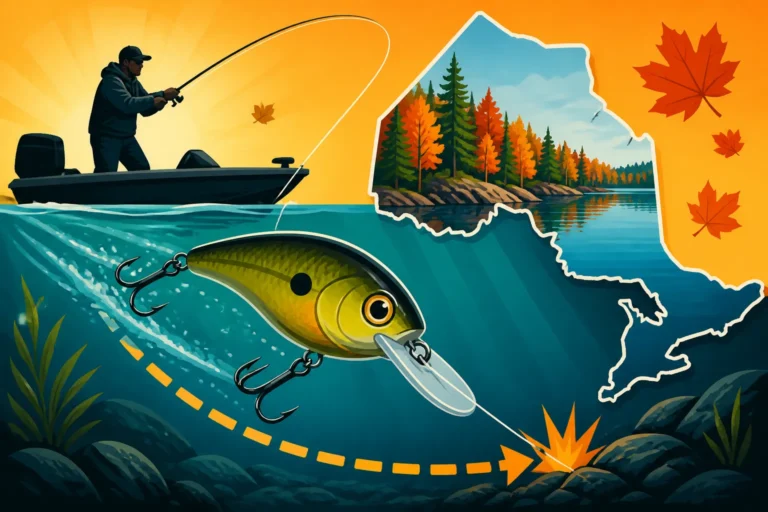
When the water turns opaque, visual cues become almost useless. This is where you need to get loud and stinky – at least, from a fish's perspective! Lures that displace a lot of water and create strong vibrations are your best friends. Think about baits with big blades, internal rattles, or wide wobbles. A noisy crankbait or a thumping spinnerbait, for instance, sends out vibrations that fish can easily pick up with their lateral line, even if they can't see it coming. These "loud" lures act like a dinner bell in the dark, drawing fish in from a distance.
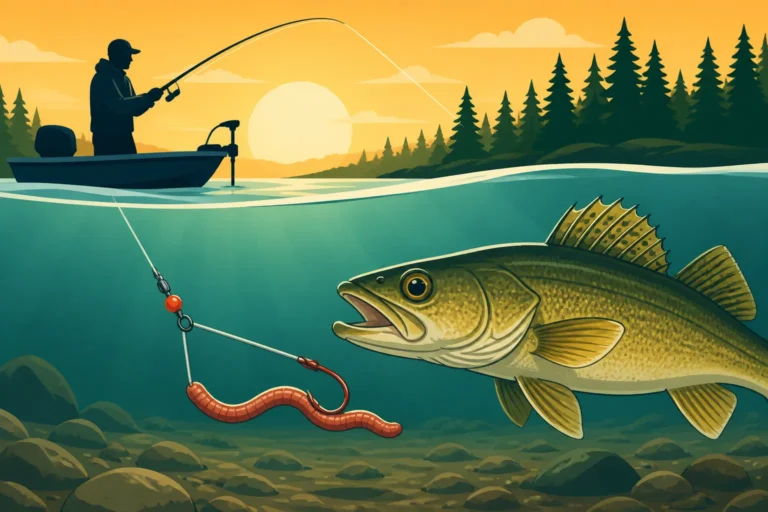
Beyond vibrations, scent plays an enormous role. Many artificial lures can be enhanced with scent attractants, or you can opt for soft plastics that are pre-infused with powerful fish-attracting odors. Sometimes, even adding a piece of live bait, like a minnow or a worm, to a jig or spinner rig can make all the difference, providing both a natural scent trail and subtle movement. Fish rely on their sense of smell to track food in low visibility, much like a bloodhound on a trail. Make sure whatever you're throwing leaves a strong enough olfactory signature to guide them right to your hook. You might find a great selection of high-vibration lures, like a good quality spinnerbait or chatterbait, by browsing on Amazon.
Colour and Contrast is Key
While sight is diminished, it's not entirely gone, and contrast still matters. In muddy water, light behaves differently, and certain colours will stand out more than others. Generally, you want to lean towards either very dark, silhouetting colours or incredibly bright, fluorescent ones. Dark colours like black or dark purple create a strong silhouette against any available ambient light, making the lure easier for a fish to perceive as a solid object rather than just a blur. Imagine looking at a dark object against a cloudy sky – it stands out.
On the other hand, bright, fluorescent colours like chartreuse, orange, or hot pink can sometimes pop in the muted light, especially if they have UV reflective properties. These colours often mimic natural distress signals or stand out starkly against the brown backdrop. The key isn't necessarily matching the hatch, but rather creating a distinct target. For specific recommendations, check out our guide on the Best lure color for muddy water walleye fishing, which dives deeper into this topic. It often comes down to experimentation on the day; don't be afraid to try both ends of the spectrum until you find what the fish are reacting to.
Slowing Down Your Presentation
Patience is a virtue, especially when the water is muddy. Fish aren't typically in an aggressive chase mode when they can't see well. Instead, they're often holding tight to structure, waiting for an easy meal to come by. This means you need to slow down your presentation considerably. A fast retrieve might simply blow past them before they have a chance to react or even locate your bait.
Consider methods like dragging jigs along the bottom, slow-rolling spinnerbaits, or dead-sticking soft plastics. Give the fish ample time to find your lure using their lateral line and sense of smell. Sometimes, a subtle twitch-and-pause retrieve is far more effective than a constant retrieve, allowing the lure to hang in the strike zone longer and giving off small bursts of vibration. Remember, the goal is to make your bait an easy target, not a fleeting phantom. This deliberate approach is crucial for How to Catch Walleye in Ontario or How to Catch Smallmouth Bass in Ontario in these challenging conditions.
Finding the "Clean Water Line"
One of the most effective strategies for fishing in runoff is to seek out areas where the muddy water meets clearer water. This "clean water line" or "seam" is often a goldmine. The clearer water provides better visibility for predatory fish, while the muddy water on the other side acts as a highway for disoriented baitfish or insects flushed out by the runoff. This convergence creates a prime ambush point.
These seams can form where a muddy creek flows into a larger, clearer lake, or where strong currents push clear lake water against a muddier section. Sometimes, you'll find them around points, islands, or even large submerged structures that deflect the flow. Fish will often sit just inside the clearer water, facing the murk, waiting for food to drift out. Focus your casts along this seam, working your lures from the muddy side into the clear, or vice-versa. Pay attention to changes in current speed as well, as fish will often position themselves in slacker water pockets adjacent to the main flow. Understanding these nuances is key for any angler after a big rain, as explored in Fishing after a heavy rain on Ontario rivers.
Essential Gear for Muddy Conditions
While technique is paramount, having the right gear can significantly improve your chances and ensure your safety when fishing in challenging muddy runoff conditions.
Rods, Reels, and Line for the Fight
In muddy water, you're often fishing heavier baits, dealing with potential snags from debris, and needing maximum sensitivity to detect subtle bites. This calls for a slightly different approach to your rod, reel, and line setup.
- Rods: Opt for a medium-heavy to heavy power rod with a fast or extra-fast action. This provides the backbone needed to cast larger, heavier lures, rip baits free from snags, and horse bigger fish out of cover. The sensitive tip, especially in a graphite rod, is still crucial for feeling those faint taps when fish are just mouthing the bait in low visibility. For general freshwater fishing in Ontario, a versatile rod can make a huge difference, and you can explore options in our guide to the Best Fishing Rods for Ontario Lakes.
- Reels: Baitcasting reels are often preferred for their power and ability to handle heavier lines and lures. A good quality baitcaster with a smooth drag system is essential. If you prefer spinning gear, choose a larger, robust model that can accommodate heavier line.
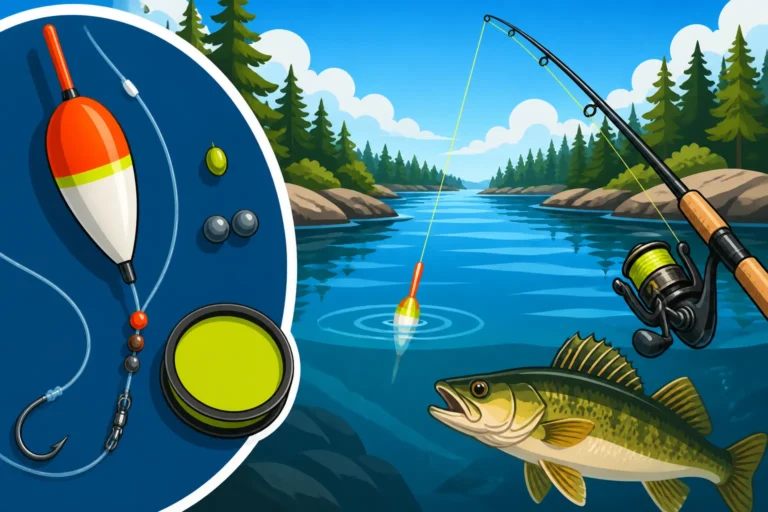
- Line: Forget delicate fluorocarbon leaders for spooked fish in clear water. In muddy conditions, fish aren't relying on sight, so visibility of your line isn't a major concern. Instead, prioritize strength and abrasion resistance. Braided line is an excellent choice for its zero stretch, providing unparalleled sensitivity to feel subtle bites and detect contact with structure or debris. Its thin diameter for its strength also allows for better casting. A common setup would be 20-30lb braided line on a spinning reel or 30-50lb braid on a baitcaster, often tied directly to the lure or with a short fluorocarbon or monofilament leader for specific lure actions or knot tying preferences.
Sonar and Electronics Aid Navigation
Modern electronics are an angler's best friend, and their value skyrockets in muddy water. Without clear visual cues, a good fish finder becomes your eyes below the surface.
- 2D Sonar: Essential for identifying depth changes, hard bottom areas, and even larger fish arches. In muddy water, fish often hug bottom structure or relate to specific depths, and 2D sonar helps you pinpoint these areas.
- Down Imaging/Side Imaging: These technologies truly shine in murky conditions. Down imaging provides a photo-like view directly beneath your boat, helping you discern submerged trees, rock piles, or even individual fish that might be indistinguishable on traditional 2D sonar. Side imaging allows you to scan wide areas to either side of your boat, revealing hidden structure, channels, and "clean water lines" you might otherwise miss. This is incredibly useful for finding those critical seams or isolated pockets of structure where fish are holding. Check out our guide on the Best Fish Finders for Ontario Lakes for detailed reviews and recommendations.
- GPS and Mapping: Runoff can drastically alter currents and water levels, making navigation tricky. A reliable GPS with detailed lake maps is vital for identifying known submerged structures, tracking your drifts, and returning to productive spots. It also helps you avoid hazards that might be obscured by the murky water. Many anglers rely on mapping features built into their fish finders.
Personal Safety Equipment
High water and strong currents that often accompany muddy runoff can create dangerous conditions. Your personal safety should always be the top priority.
- Life Jackets: This is non-negotiable. Always wear a properly fitted life jacket, especially if you're boating in a river or a large lake with strong currents. Unexpected obstacles, sudden boat failures, or capsizing can happen quickly in turbulent water. For information on specific requirements, consult Life Jacket Requirements for Ontario Boaters. You can find comfortable, high-quality life jackets suitable for fishing on Amazon.
- Rain Gear: You're likely out in the rain that caused the runoff, or fishing immediately after. Investing in high-quality, waterproof and breathable rain gear is essential to stay comfortable and focused. Being cold and wet detracts from your experience and can be a safety hazard. Explore options in our guide to the Best Rain Gear for Ontario Anglers.
- Waders and Wading Staff: If you're a shore angler or planning to wade, chest waders are a must. They protect against cold, muddy water. A sturdy wading staff provides critical stability, allowing you to probe the bottom for drop-offs or hidden obstacles that you can't see in the turbid water. Never wade in fast-moving, muddy water without knowing the bottom structure and having a solid staff.
- Communication Device: Always carry a fully charged cell phone in a waterproof case, or a marine radio if you're on a larger body of water. Let someone know where you're going and when you expect to return.
- Navigation Lights: If you're out near dawn or dusk, or in persistent low light conditions due to heavy cloud cover, ensure your boat's navigation lights are functioning correctly and are turned on. Visibility is drastically reduced in muddy water, making it harder for other boaters to see you.
Table: Top Lure Categories for Muddy Runoff Fishing
To quickly summarize, here are some go-to lure categories and their best applications in muddy water:
| Lure Category | Key Features | Best Application | Recommended Colours |
|---|---|---|---|
| Spinnerbaits | Large thumping blades, wire arm for snagging | Searching broad flats, working weed lines, moderate retrieve | Chartreuse, white, black/blue |
| Chatterbaits | Unique hex blade creates intense vibration | Shallow cover, ripping through weeds, aggressive retrieve | Black/blue, white, green pumpkin |
| Crankbaits (Wobbling) | Wide wobble, internal rattles, strong displacement | Deeper water edges, current seams, slow to medium retrieve | Black, firetiger, dark purple |
| Jigs (Skirted/Soft Plastic) | Versatile, can be scented, slow presentation | Bottom bouncing, pitching to cover, vertical jigging | Black, brown, chartreuse, pumpkin |
| Scented Soft Plastics | Strong scent, subtle movement, varied profiles | Texas/Carolina rigs, shaky heads, drop-shot, ultra-slow | Natural baitfish, dark tones, bright |
Persistence and Safety: Your Muddy Water Mindset
Fishing in runoff is inherently more challenging, both for the angler and the fish. It requires a different mindset and a keen awareness of your surroundings. Don't let the initial frustration get the best of you.
Navigating Challenging Conditions
The very conditions that create muddy runoff — heavy rain, strong winds, and increased current — can make fishing dangerous. Rivers can swell quickly, creating powerful currents and carrying large debris like logs and branches. Lakes can become choppy and disorienting. Always prioritize safety over catching fish.
Before heading out, check weather forecasts, current conditions, and water levels. If boating, ensure your boat is well-maintained and that you have all the necessary safety equipment on board, following the Ontario Boating Laws for Anglers. Strong currents can easily push a small boat into hazards, and submerged debris is a constant threat to props and lower units. Drive slowly and cautiously. If you're fishing from shore, be aware of slippery banks and rapidly eroding edges. Never turn your back on moving water, and always have an escape route planned. Knowing your local Ontario Fisheries Management Zones, Explained can also help you understand seasonal changes and specific regulations that might apply during periods of heavy runoff.
The Patience Game
Let's be honest: fishing in muddy runoff isn't usually about fast and furious action. It's often a grind, a game of patience and methodical searching. Fish are there, but they're often tucked away, less active, and harder to locate. This is where persistence truly pays off. Don't be discouraged by long lulls between bites. Each cast is an opportunity to learn something new – perhaps a slight change in retrieve speed, a different colour, or a subtle adjustment in location makes all the difference.
Take your time to work promising areas thoroughly. Make multiple casts from different angles. If you're getting no action after a good 20-30 minutes in one spot, move on and try another type of structure or a different depth. Eventually, you'll hit on the right combination, and the reward of catching a fish in such challenging conditions will be even sweeter. Remember, sometimes the best strategy is simply to keep your bait in the water, experimenting and adapting until you crack the code.
Disclaimer
This article is for general informational purposes only and does not constitute professional advice. Laws, prices and regulations vary by location and change over time. Consult a qualified professional for guidance on your specific situation.