Best ice fishing access on Rice Lake
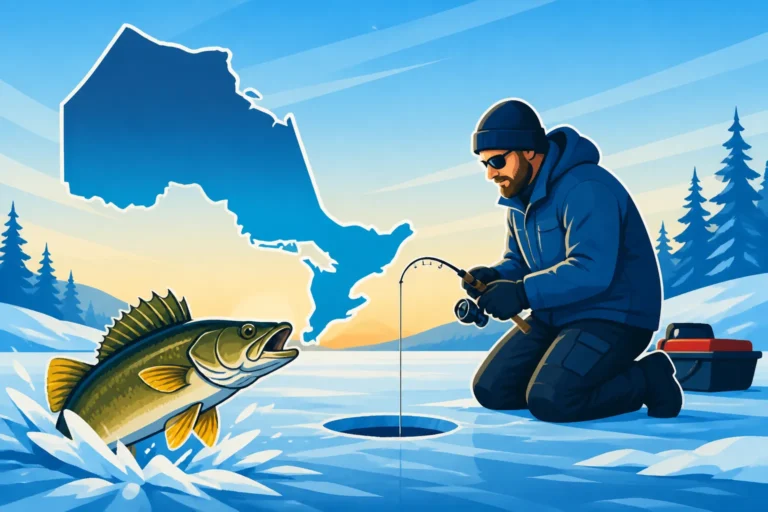
For many Ontario ice anglers, the thought of finding that perfect, accessible spot on a vast lake can be daunting, especially when you’re dealing with unpredictable ice conditions and the desire to actually catch some fish! It's frustrating to drive all that way, only to find packed parking lots or questionable ice. This comprehensive guide is here to take the guesswork out of it, showing you the best and safest access points for ice fishing on Rice Lake, a true gem in the Kawarthas.
Understanding Rice Lake's Ice Fishing Appeal
Rice Lake holds a special place in the hearts of many Ontario anglers, and it truly shines during the hardwater season. Its shallow, fertile waters, dotted with islands and extensive weed beds, create an ideal environment for a variety of popular fish species to thrive, making it a reliable destination when the ice forms. Unlike some of the deeper, more austere lakes in the province, Rice Lake offers a unique, often bustling, ice fishing experience.
Key Species to Target and Why They Thrive Here
When you’re setting up your hut on Rice Lake, you're primarily targeting panfish, with crappie and yellow perch being the undisputed stars. These species absolutely love the lake’s abundant weed growth and ample forage.
- Crappie: Rice Lake is legendary for its black crappie, and for good reason. Anglers often pull out impressive numbers, with many reaching respectable sizes. They tend to congregate in schools along deeper weed edges, drop-offs, and around submerged structures. Early morning and late afternoon are often prime times, and once you locate a school, the action can be non-stop. Fishing small jigs tipped with minnows or plastics is usually the ticket. You'll find good populations throughout the lake, but some access points offer quicker routes to their haunts.
- Yellow Perch: A staple of Ontario ice fishing, yellow perch are plentiful in Rice Lake and a fantastic target for beginners and seasoned anglers alike. They're often found roaming flats and shallower weed beds, especially where there's a good mud bottom. These feisty fish are usually eager biters and make for excellent table fare. Small jigs, grubs, or spoons, often tipped with a piece of worm or a minnow eye, work wonders for perch. Check out the Ontario Yellow Perch Limit on Lake Erie and Simcoe for general limits, but always confirm for Rice Lake (FMZ 17).
- Walleye: While not as consistent as the panfish, Rice Lake does hold a healthy population of walleye, and they are a highly prized catch through the ice. Walleye typically prefer deeper sections of the lake, especially near historical river channels and structural elements like humps or points. You might have to put in more effort to locate them, often requiring bigger baits like jigging raps, large spoons, or dead sticks with minnows. The reward of a glistening Rice Lake walleye on the ice is well worth the persistence.
- Northern Pike: Don't forget about pike! These aggressive predators are present throughout Rice Lake, often lurking in the denser weed beds. While not usually the primary target for most ice anglers here, they can provide an exciting bonus catch and a real fight on lighter tackle. Large spoons, tip-ups with dead bait, or even a larger jigging lure can entice a hungry pike. For detailed information on this species, see our guide on Northern Pike Fishing in Ontario.
General Ice Safety Practices for Rice Lake
Ice fishing, especially on a dynamic lake system like Rice Lake, demands a serious approach to safety. The Trent-Severn Waterway runs through the lake, introducing currents that can create unpredictable ice conditions. Always remember, no ice is 100% safe.
- Ice Thickness Guidelines: Always follow the Ministry of Natural Resources and Forestry (MNRF) recommendations:
- 10 cm (4 inches) for ice fishing on foot.
- 13 cm (5 inches) for snowmobiles or ATVs.
- 20-30 cm (8-12 inches) for cars or light trucks.
- 30-38 cm (12-15 inches) for medium-sized trucks.
- Reading the Ice: Learn to distinguish between clear, blue ice (strongest), white or opaque ice (contains air or snow, weaker), and grey ice (rotting, unsafe). Avoid slushy areas.
- Tools for Safety: A spud bar is your best friend when walking onto new ice. Use it to test the ice ahead of you. Carrying ice picks around your neck is crucial for self-rescue if you break through.
- Buddy System and Trip Plans: Never go alone. Always inform someone of your fishing plans, including your exact location and expected return time. This is non-negotiable for your safety.
- Vehicle Access: While some well-established ice fishing communities on Rice Lake do allow vehicle access, exercise extreme caution. Stick to marked trails, drive slowly, and distribute weight by spreading out vehicles. Be aware that conditions can change rapidly. Before heading out, make sure you have your Ontario Fishing License Guide for 2026 and your Ontario Outdoors Card, Explained in hand.
Top Ice Fishing Access Points on Rice Lake
Rice Lake offers numerous points of entry for ice anglers, each with its own advantages regarding accessibility, parking, and proximity to prime fishing grounds. Knowing where to start can make all the difference for a successful day on the ice. Remember to always consult local bait shops for the most up-to-date ice conditions before venturing out.
Gores Landing and Bewdley Area
The western end of Rice Lake, particularly around Gores Landing and Bewdley, is historically one of the most popular and well-serviced areas for ice fishing.
- Gores Landing: This is perhaps the most famous ice fishing hub on Rice Lake. You'll find a public boat launch that, in winter, often serves as a primary access point for walking out or even for snowmobiles and ATVs when ice conditions permit.
- Why it's good: The waters here are teeming with crappie and perch. There are extensive weed lines and subtle drop-offs just a short walk from shore, making it incredibly accessible. The shallow bay here warms up quickly, often solidifying earlier than other parts of the lake. The community often sees a vibrant "ice village" develop, complete with numerous huts.
- Parking: Ample parking is typically available at the public launch, though it can fill up quickly on busy weekends. Some local businesses might offer additional parking for a fee.
- Local Services: Gores Landing is home to bait shops like Gores Landing Bait & Tackle, which is invaluable for up-to-the-minute ice reports, bait, and tackle specifically suited for Rice Lake. Many anglers also utilize services found on FishingBooker to connect with local guides who are intimately familiar with the patterns and safe access points around Gores Landing.
- Bewdley: Situated on the south side of the western basin, Bewdley also offers excellent access, particularly near local resorts and marinas.
- Why it's good: This area is known for consistent walleye action, especially around the mouth of the Otonabee River channel and adjacent humps. Perch and crappie are also plentiful in the shallower bays. The presence of resorts often means maintained access points and sometimes even plowed trails on the ice.
- Parking: Parking can be found at some local businesses, and depending on the ice thickness, some resorts might offer limited on-ice parking or shuttle services. Always check with the establishment beforehand.
- Considerations: The Otonabee River channel can create areas of thinner ice due to current, so extreme caution is advised. Always consult local experts before venturing out, especially in this zone.
Hiawatha First Nation and Jubilee Point
Moving eastward along the southern shore, the Hiawatha First Nation territory and the area around Jubilee Point provide distinct and often productive ice fishing opportunities.
- Hiawatha First Nation: The community of Hiawatha First Nation has direct access to Rice Lake, offering some fantastic fishing, particularly for panfish.
- Why it's good: Anglers often find large schools of crappie and perch in the bays and weed lines accessible from this area. It's known for its welcoming community and local knowledge. This area typically offers good, consistent ice and is a popular spot for both residents and visitors.
- Access and Parking: Access points and parking might be community-specific, so it's always best to inquire with local Hiawatha First Nation authorities or businesses for current rules and recommendations. Showing respect for the community and its lands is paramount.
- Local Experience: Engaging with local anglers or guides can significantly enhance your experience here, as their understanding of the lake's nuances is invaluable.
- Jubilee Point: Located a bit further east from Hiawatha, Jubilee Point provides access to areas with more varied structure.
- Why it's good: Anglers targeting a mix of walleye, perch, and even pike often find success here. The waters tend to be slightly deeper than some of the more central flats, offering good transitional zones and humps that attract fish.
- Parking: There are often public access points and informal parking areas along the shoreline roads. Pay attention to signage and avoid blocking private property.
- Tips: This area can be less crowded than Gores Landing, offering a more peaceful angling experience. It's a great spot to try for bigger fish by exploring slightly deeper contours.
Roseneath and Alderville First Nation Access
The eastern reaches of Rice Lake, around Roseneath and the Alderville First Nation, present different options for anglers looking to explore less pressured waters or specific species concentrations.
- Roseneath: On the southeastern side of the lake, Roseneath is another excellent access point, especially for those coming from the east or south.
- Why it's good: Similar to other areas, Roseneath offers fantastic crappie and perch fishing in its numerous bays and weed beds. It can sometimes be a bit quieter than the western hubs, making for a more serene day on the ice. The shallower, fertile waters are perfect for panfish throughout the winter.
- Parking: Public access points are available, often with roadside parking or small designated lots. Always respect private property and ensure your vehicle is parked safely off the road.
- Navigating: Using a reliable GPS and mapping app like Navionics or Fish ON-Line (the interactive zone map from the MNRF) can help you pinpoint good structure and navigate safely once on the ice.
- Alderville First Nation: The Alderville First Nation also offers unique access to Rice Lake's diverse fishery, particularly known for panfish and northern pike.
- Why it's good: This area often provides excellent opportunities for crappie and perch, with fewer crowds than some of the more established spots. The extensive weed beds provide ideal ambush points for pike, making it a good choice if you're hoping for a mixed bag.
- Access and Parking: Similar to Hiawatha, access and parking may be subject to community guidelines. It's always best to seek local advice and respect any posted regulations.
- Exploration: This end of the lake, with its numerous small bays and points, is fantastic for those who enjoy exploring and finding their own honey holes away from the main concentrations of anglers.
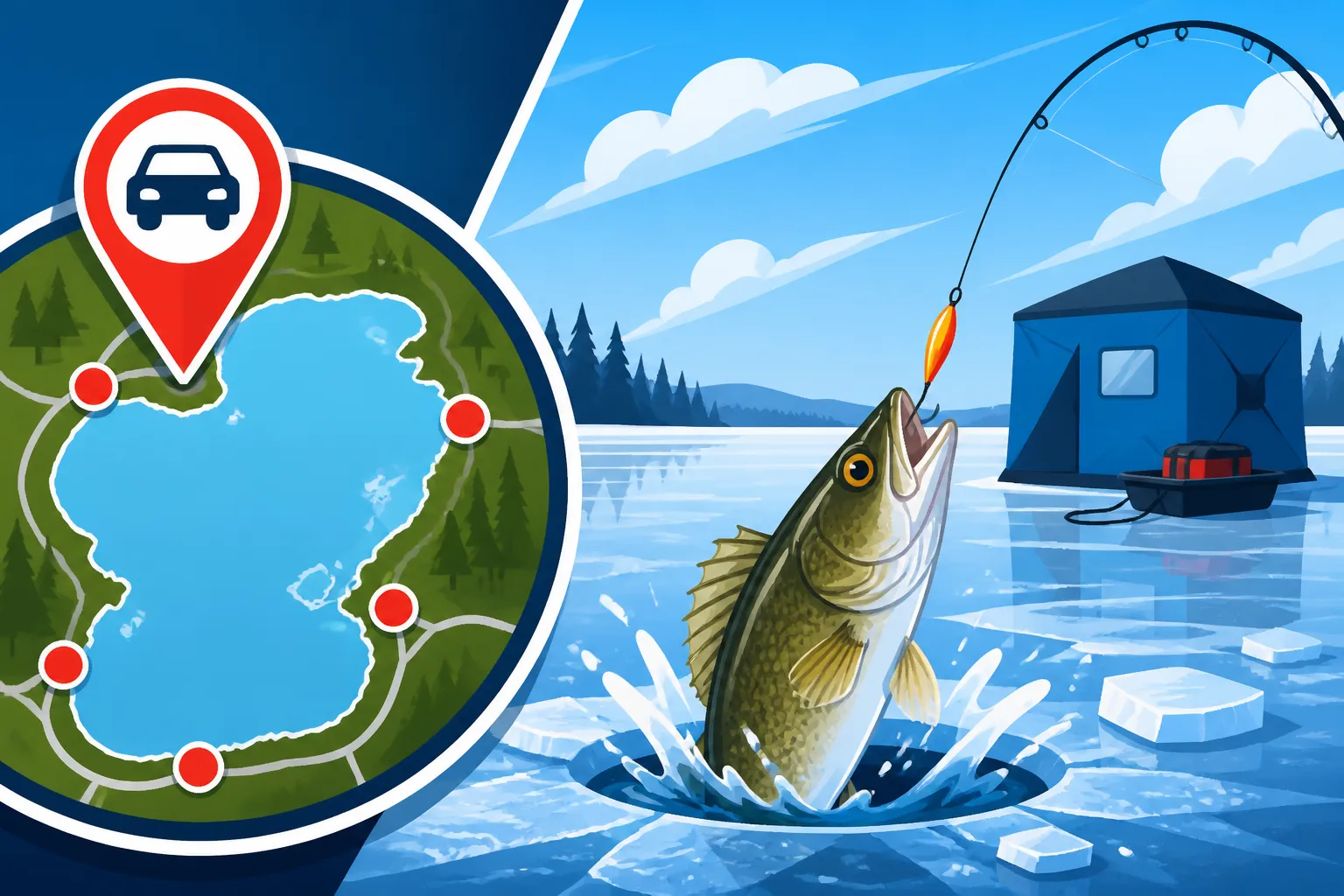
Here's a quick overview of these popular ice fishing access points on Rice Lake:
| Access Point | Primary Species | Key Features | Parking | Vehicle Access on Ice | Local Services |
|---|---|---|---|---|---|
| Gores Landing | Crappie, Perch | Renowned hotspot, extensive weed beds, good numbers | Ample, public | Common (check conditions) | Bait shop, guides (via FishingBooker) |
| Bewdley | Walleye, Perch | River channel, resorts, diverse structure | Limited, private/resort | Possible (extreme caution) | Resorts, restaurants |
| Hiawatha FN | Crappie, Perch | Community access, rich panfish habitat | Community-specific | Unlikely | Local knowledge, community outreach |
| Jubilee Point | Walleye, Perch, Pike | Varied depths, humps, less crowded | Informal, roadside | Unlikely | Limited |
| Roseneath | Crappie, Perch | Eastern end, quieter, good weed lines | Informal, roadside | Unlikely | Limited |
| Alderville FN | Crappie, Perch, Pike | Unique access, quiet, good pike habitat | Community-specific | Unlikely | Local knowledge |
Essential Gear and Local Considerations for Rice Lake Ice Fishing
Having the right gear and understanding the specific nuances of Rice Lake's environment can drastically improve your ice fishing success and overall enjoyment. This isn't just about having a rod; it's about being prepared for what this particular lake throws at you.
Recommended Ice Fishing Gear and Baits
Given Rice Lake's shallow, weedy nature and its primary species, certain gear choices will serve you particularly well.
- Rods and Reels:
- For panfish like crappie and perch: Ultralight rods (24-28 inches) with sensitive tips are perfect. Pair them with small spinning reels (500-1000 size) spooled with 2-4 lb test fluorocarbon or monofilament line. This setup allows for detecting the lightest bites.
- For walleye and pike: Medium-light to medium power rods (28-36 inches) are more appropriate. Use larger spinning reels (2000-2500 size) or baitcasting reels, spooled with 6-10 lb fluorocarbon or braided line with a fluorocarbon leader. A good leader is essential, especially for pike, as described in our guide on Northern Pike Fishing in Ontario.
- Lures and Baits:
- Crappie and Perch: Small tungsten jigs (1/32 to 1/16 oz) in glow, chartreuse, pink, or black are incredibly effective. Tip them with a small plastic (like a micro grub or a soft plastic "maggot"), a single live or dead minnow, or even wax worms. Small spoons (e.g., Northland Forage Minnow, Custom Jigs & Spins Slender Spoon) also work wonders. For specific tips, check out Jigging for Perch Through the Ice.
- Walleye: Larger jigging spoons (1/4 to 1/2 oz), jigging raps, or balance jigs are popular choices. Tip them with a minnow head or a whole live minnow on a quick-strike rig. A dead stick setup with a plain hook and a lively minnow suspended a foot or two off the bottom can also be deadly. For more in-depth techniques, refer to How to Catch Walleye in Ontario.
- Pike: Larger spoons, lipless crankbaits, or quick-strike rigs with large dead baits (suckers or smelt) set under a tip-up are excellent for pike.
- Auger: While hand augers are sufficient for thinner early-season ice, a power auger (propane or electric) is highly recommended for Rice Lake. The ice can get quite thick, and drilling multiple holes to locate fish or new structure will save you significant effort.
- Shelter: Portable ice fishing shelters (flip-over or pop-up styles) are very popular on Rice Lake. They offer protection from the wind and cold, allow for quick relocation, and are essential for a comfortable day on the ice, especially if you're planning to stay out for extended periods.
Navigating Rice Lake's Unique Challenges
Rice Lake, while rewarding, presents some specific challenges that anglers need to be aware of.
- Weed Beds: The lake is famously weedy, which can be a double-edged sword. While providing excellent habitat, dense weeds can make fishing difficult. Focus on finding pockets within the weeds, weed edges, or areas where the weeds thin out. Fish often hold right at the transition zones. Your electronics (fish finder) will be invaluable for identifying these areas.
- Currents: The Trent-Severn Waterway flows through Rice Lake, particularly noticeable in the western basin and near river mouths. These currents can make for thinner or less stable ice, even when surrounding areas are solid. Always be extra vigilant when fishing near inlets, outlets, or known channel areas. For comprehensive safety, always refer to Ontario Fishing Regulations Explained for current advisories.
- Fishing Pressure: Popular spots, especially around Gores Landing, can attract a crowd. If you prefer solitude, consider exploring access points on the eastern side of the lake or walking further out from shore (safely, of course) to find less pressured fish. Utilizing mapping apps to find less obvious humps, points, or deep-water weed lines away from the main "ice city" can yield big rewards. Remember to also check Ontario Fisheries Management Zones, Explained to ensure you're aware of the regulations specific to FMZ 17 which governs Rice Lake.
Planning Your Rice Lake Ice Fishing Trip
A successful ice fishing trip to Rice Lake isn't just about showing up with gear; it's about smart planning, staying informed, and respecting the local environment. A little preparation goes a long way in ensuring a memorable and safe experience.
Where to Find Up-to-Date Ice and Fishing Reports
The condition of the ice and the bite can change daily on Rice Lake, so real-time information is crucial. Don't rely solely on old reports or general assumptions.
- Local Bait Shops: Your absolute best resource for current conditions is the local bait shops. Places like Gores Landing Bait & Tackle are often on the ice themselves or receive daily reports from regulars. They know where the good access points are, what's biting, and more importantly, where the ice is not safe. Give them a call before you leave home!
- Online Forums and Social Media Groups: Several active online communities, particularly Facebook groups dedicated to Ontario ice fishing or Rice Lake specifically, are excellent for crowdsourced information. Anglers often share their successes, failures, and, critically, ice condition updates. Just be aware that online information can sometimes be delayed or less reliable than direct contact with a local business.
- Local Guides and Outfitters: Consider booking a trip with a local guide, especially if it’s your first time on Rice Lake or you’re targeting a specific species. Guides are experts on ice safety, fish movements, and productive patterns. You can often find reputable local guides through platforms like FishingBooker, who can provide not just a great day on the ice, but also invaluable knowledge and current lake intel. They’ll also ensure you have all the proper licenses, like understanding the Ontario 1-Day Fishing License Cost if you're just visiting.
Accommodation and Amenities Nearby
Making your Rice Lake ice fishing trip comfortable often involves thinking beyond the ice. From warm beds to hot meals, the surrounding communities offer everything you need.
- Resorts and Cottages: The communities around Rice Lake, including Bewdley, Keene, and even nearby Peterborough, offer a range of accommodations from cozy cottages to full-service resorts. Many of these cater to anglers and can provide easy access to the lake, sometimes even offering heated huts or guided trips. Booking in advance, especially for weekend trips, is always a good idea.
- Hotels and Motels: For those who prefer urban amenities, Peterborough is a short drive from the western side of Rice Lake and offers numerous hotels, restaurants, and larger retail stores where you can pick up any last-minute gear or groceries.
- Supporting Local Businesses: When you’re in the area, make sure to support the local businesses. From grabbing a hot coffee and breakfast sandwich at a local diner before hitting the ice to buying your bait and tackle from a local shop, your patronage helps these communities thrive. They often appreciate the angler community and are a wealth of information.
- Food and Drink Preparation: A day on the ice can be physically demanding and cold. Pack plenty of warm drinks (thermos of coffee, tea, or hot chocolate) and easy-to-eat snacks. Consider bringing a small portable stove to warm up some soup or hotdogs in your hut. Staying hydrated and well-fed is crucial for comfort and safety.
- License and Documentation: Before you head out, double-check that your Printing or Carrying a Digital Fishing License in Ontario is valid and accessible. While on the ice, law enforcement may request to see it, and having it readily available will save you any hassle.
Remember, ice fishing on Rice Lake is a fantastic winter tradition, and with proper planning and respect for both the lake and the local communities, you're set for a truly rewarding experience.
Disclaimer
Please remember that ice conditions can change rapidly and are never 100% safe. This guide provides general information based on common knowledge and typical conditions. Always exercise extreme caution, use your own judgment, and verify current ice conditions with local authorities or bait shops before venturing onto any frozen body of water. Safety should always be your top priority.