Ontario record walleye weight
For many Ontario anglers, the dream of hooking a true monster walleye isn't just about a good meal; it's about connecting with something legendary, a fish that has defied the odds and grown to an incredible size. While countless stories of "the one that got away" circulate around campfires, there's a specific number that represents the pinnacle of walleye fishing achievement in our province. This guide is here to shed light on that exact achievement: the official Ontario record walleye weight, and what it takes for a fish to reach such monumental proportions.
The Allure of the Ontario Walleye Record
There's something inherently thrilling about chasing records, isn't there? Whether it's the biggest pumpkin, the fastest runner, or the largest fish, humans are drawn to the extraordinary. For anglers, the prospect of catching a record-breaking walleye isn't just a fantasy; it's a driving force that shapes their strategies, their gear choices, and even where they choose to drop a line.
Why Anglers Chase Records
The pursuit of a provincial record fish is about more than just a place in the record books. It's about the challenge, the dedication, and the sheer passion for the sport. Imagine the countless hours spent on the water, battling all sorts of weather conditions, learning the intricate patterns of fish movement, and perfecting presentation techniques. Landing a fish of record size is the ultimate validation of that commitment. It’s a story passed down through generations, a legacy etched into the annals of Ontario fishing. Beyond the personal achievement, there's a sense of contributing to the shared history of angling in the province, inspiring future generations to pick up a rod and chase their own giants. It speaks to the mystery of the wild, the idea that out there, hidden in the depths, something truly colossal is swimming.
The Elusive Nature of Trophy Walleye
Let's be real, trophy walleye aren't exactly jumping into your boat every weekend. These are old, wise fish that have survived countless threats, from predators to clever anglers. They've learned to be incredibly cautious, preferring specific habitats and often feeding during low-light conditions or in very particular weather windows. The factors contributing to their immense size are a complex cocktail of genetics, abundant food sources, and ideal environmental conditions over many, many years. A walleye that grows to record proportions is a true anomaly, a testament to a perfect storm of circumstances allowing it to thrive and age without being caught or succumbing to natural mortality. Their scarcity is precisely what makes them so desirable to pursue, knowing that each cast might put you in touch with something truly special.
Unveiling the Official Ontario Walleye Record
When we talk about "record" fish, we're not just talking about a big fish you caught and told your buddies about. There's an official process, a benchmark set by angling organizations and recognized by the province. It's a precise figure that stands as the ultimate goal for any walleye enthusiast in Ontario.
The Historic Catch
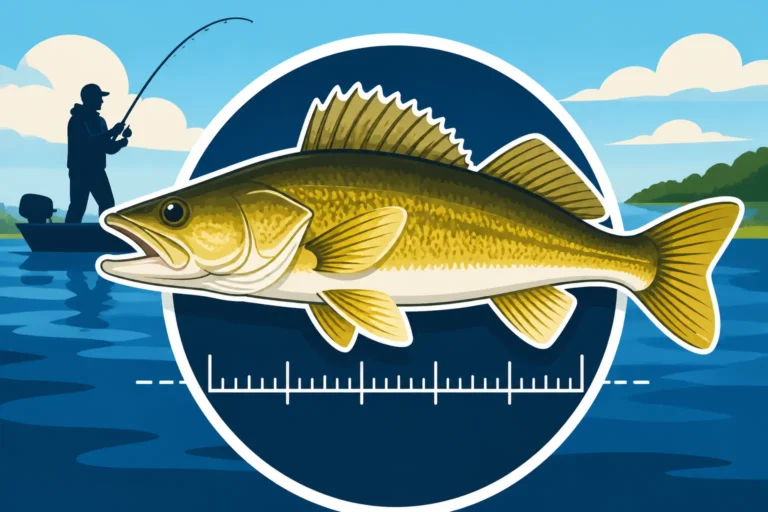
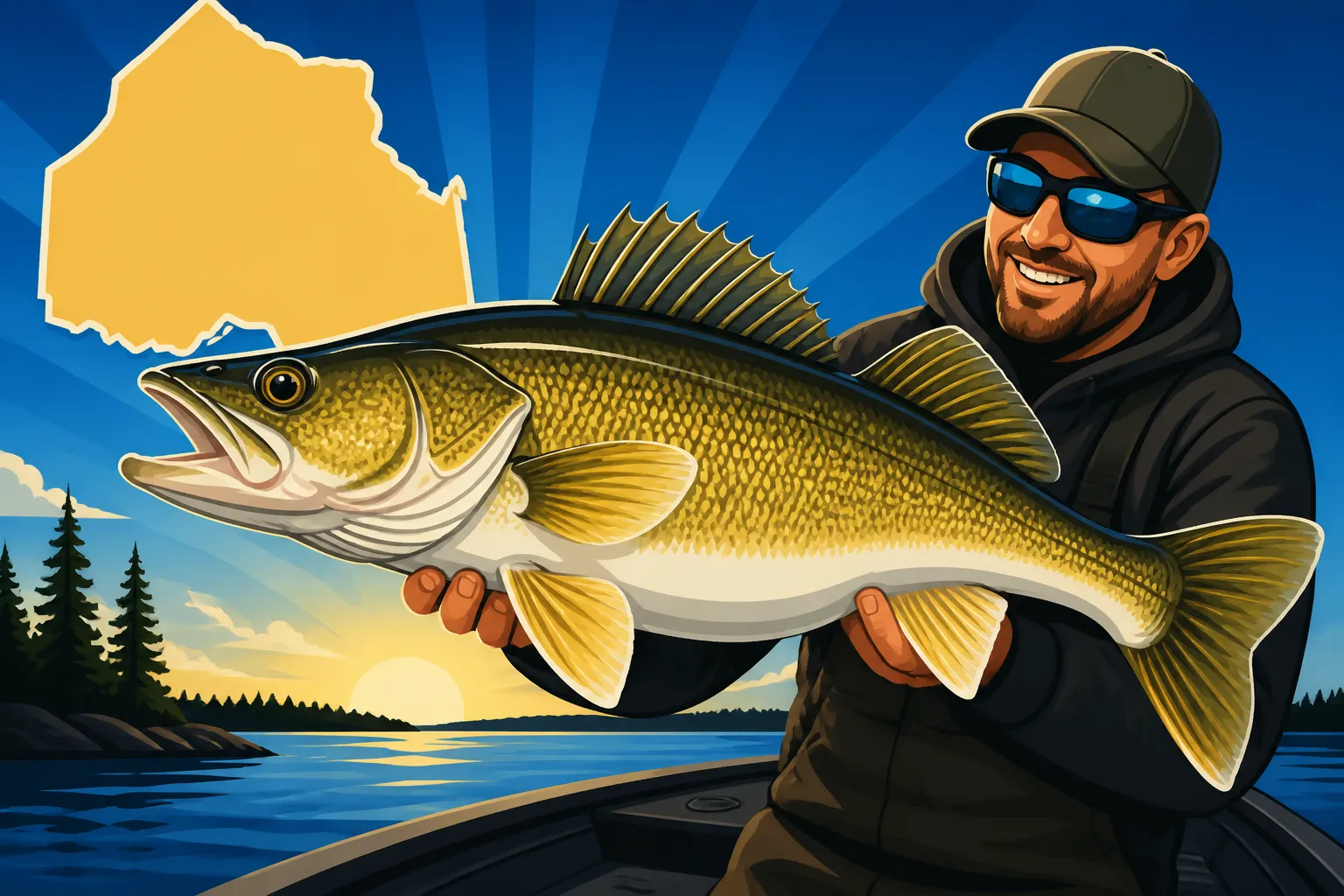
The official Ontario record for walleye is a phenomenal fish, weighing in at 22.25 pounds (10.09 kilograms). This legendary catch wasn't recent, dating back to 1947, when Patrick E. Lahti landed this magnificent specimen in Fort Erie, Ontario. Imagine the excitement, the disbelief, and the sheer struggle of bringing a fish of that magnitude to the boat, especially with the gear available back then! For nearly eight decades, this fish has held its place, a testament to the incredible potential of Ontario's waters. It serves as a reminder that truly monumental fish can be found in our province, even if they are few and far between.
It’s fascinating to think about the conditions that might have led to such a fish thriving in the waters near Fort Erie so many years ago. Perhaps it was a particularly abundant year for baitfish, or maybe a stretch of favourable weather allowed it to feed uninterrupted and pack on the pounds. Whatever the exact circumstances, Patrick Lahti's catch etched his name into Ontario's angling history forever, inspiring generations of anglers to dream big.
Verification Process for Record Fish
Catching a giant fish is one thing; getting it officially recognized as a record is another entirely. It's a meticulous process designed to ensure accuracy and prevent any dubious claims. First and foremost, the fish must be weighed on a certified scale, usually at a local tackle shop or marina, and witnessed by impartial individuals. Often, multiple witnesses are required. The length and girth measurements are also critical, providing a complete picture of the fish's size.
Photographic evidence is paramount, showing the fish clearly and displaying the measurements. Some organizations may even require a sample of the fish for species identification, though for common species like walleye, this is less frequent. The angler then submits a detailed application, including the location, date, time, and specific gear used for the catch. All this information is scrutinized by an official panel, typically from a provincial or national fishing record-keeping body. This stringent verification ensures that when a record is declared, it's truly legitimate, maintaining the integrity and prestige of angling records across the province.
Factors Contributing to a Record Walleye's Size
What makes one walleye a respectable dinner and another a behemoth that rewrites the record books? It’s not just luck, though that certainly plays a part. There's a biological recipe that allows certain fish to grow to truly epic proportions.
Genetics and Age
Just like in humans, genetics play a significant role in a walleye's growth potential. Some walleye are simply predisposed to grow larger and faster than others, inheriting traits for efficient feeding and robust health. However, even with the best genetics, a fish won't become a record-breaker without considerable age. A 22-pound walleye isn't a young fish; it's likely a senior citizen in the walleye world, possibly 15 years old or even older. These fish have managed to evade predators, diseases, and, most importantly, anglers for a very long time.
Their longevity allows them to accumulate biomass over many spawning cycles. While younger walleye might experience rapid growth spurts, these older, larger fish continue to grow, albeit at a slower rate, simply by consistently feeding and surviving. Understanding this relationship between age and size is crucial for any angler hoping to land a true trophy. It emphasizes the importance of releasing healthy, large fish to allow them to continue contributing to the gene pool and potentially grow even bigger.
Habitat and Food Availability
A walleye cannot become a record-breaker in a barren environment. It needs a rich, thriving ecosystem with an abundant and diverse food supply. Lakes and rivers that produce record-class walleye typically boast vast schools of baitfish, such as smelt, cisco, or alewives, providing a consistent high-protein diet. These areas also feature complex underwater structures – deep reefs, extensive weed beds, sharp drop-offs, and current breaks – that offer both excellent ambush points for feeding and critical refuge from predators.
Consider a place like the Bay of Quinte Walleye Fishing. It's renowned for its incredible walleye population, in part due to its fertile waters and prolific baitfish. Similarly, sections of Lake Erie Walleye Fishing offer vast stretches of ideal habitat and food sources that fuel exceptional growth. The consistency of these conditions over many years allows walleye to reach their full genetic potential. When a walleye finds a perfect balance of protective cover and an endless buffet, it can dedicate all its energy to growing larger and larger.
Water Quality and Management Practices
Clean, oxygen-rich water is absolutely fundamental for fish health and growth. Lakes and rivers with stable water quality, free from excessive pollution or sudden ecological shocks, allow walleye populations to thrive. Healthy aquatic environments support not only the walleye themselves but also the entire food chain they rely upon. Without good water, even the best genetics and abundant baitfish won't lead to trophy fish.
Furthermore, effective fisheries management plays a critical role. Regulations like slot limits, which require anglers to release fish within a certain size range, help protect the middle-aged, rapidly growing walleye, allowing them to mature into larger specimens. Conservation efforts, such as habitat restoration projects and responsible stocking programs, also contribute to robust, healthy populations that have the potential to produce giants. The ongoing work of the Ontario Ministry of Natural Resources and Forestry (MNRF) in managing our fisheries, guided by the Ontario Fishing Regulations Explained and Ontario Bag and Possession Limits by Species, is essential in fostering environments where record-breaking fish can still exist. Without these proactive measures, the chances of encountering such a magnificent creature would be significantly diminished.
Where to Find Giant Walleye in Ontario (Even if Not Record Breakers)
While the official record stands firm in Fort Erie, Ontario boasts a number of phenomenal fisheries where catching a truly massive walleye is a realistic goal, if not an everyday occurrence. These are the places where legends are made, and where the next provincial record might just be lurking.
Renowned Trophy Walleye Waters
Ontario is blessed with incredible walleye fishing, and some destinations consistently produce bigger fish than others. For sheer numbers of large walleye, it's hard to beat the Bay of Quinte. This eastern Lake Ontario bay is famous for its incredible walleye biomass and is often touted as one of the best trophy walleye fisheries in the world. Anglers flock there in the fall, hoping to intercept the enormous fish that migrate into the bay to feed heavily before winter.
Then there's the legendary Lake Erie Fishing Guide, particularly the western basin. This massive body of water supports an astounding walleye population, and while numbers are high, big fish are also common due to the rich food sources. Further north, Lake Nipissing Walleye Fishing is another perennial favourite, offering diverse structure and a strong population of healthy walleye. In Northwestern Ontario, vast waters like Lake of the Woods and Rainy Lake are known for their wilderness charm and impressive walleye sizes, attracting anglers seeking both solitude and big fish. When you're dreaming of a true monster, these are the names that come up again and again on lists of Best Walleye Lakes in Ontario.
Understanding Prime Walleye Habitat
Finding big walleye isn't just about knowing the right lake; it's about understanding where within that lake they prefer to hang out. Trophy walleye are creatures of habit, often relating to specific types of structure and depth zones. They love transition areas: where a hard bottom meets soft mud, where a deep flat suddenly drops into a trench, or where current sweeps over a rocky point. These areas concentrate baitfish and provide excellent ambush points.
During different seasons, their preferred habitat shifts. In spring, after the spawn, they might be found shallower, near rocky points or current seams. As summer progresses, they'll often move to deeper offshore structures like humps, reefs, and sunken islands, especially during the day. Understanding how to use your electronics, like a good fish finder, to pinpoint these subtle depth changes and hidden structures is key. Walleye are also light-sensitive, so fishing deeper water, stained water, or during low-light conditions (dawn, dusk, or night) can often put you in contact with larger, more cautious fish. Learning to interpret these elements of prime walleye habitat is a cornerstone of consistently catching quality fish.
The Hunt for the Next Record-Breaker: Tips for Aspiring Anglers
So, you're inspired by the thought of challenging that 22.25-pound monster? While it's an incredibly ambitious goal, adopting the right mindset and techniques can significantly increase your chances of landing a truly exceptional walleye. It's a journey of preparation, skill, and a healthy dose of patience.
Gear Up for Giants
You wouldn't go deer hunting with a slingshot, and you shouldn't chase record walleye with flimsy gear. Big walleye demand robust equipment that can withstand powerful runs and the strain of bringing a heavy fish to the net. A medium-heavy to heavy power spinning or baitcasting rod, often 7 to 8 feet long, will give you the leverage and backbone needed. Pair this with a high-quality reel spooled with strong, abrasion-resistant braided line, perhaps 20-30 pound test, with a fluorocarbon leader of 12-20 pound test. This setup provides the sensitivity to detect subtle bites and the strength to horse a big fish away from snags.
When it comes to lures, consider larger presentations than you might typically use for average walleye. Big crankbaits, swimbaits, and heavy jigs tipped with substantial soft plastics or live bait (where permitted) are often the ticket. Don't forget a sturdy, large landing net—one designed for muskie or big pike is ideal, as it will help protect the fish if you plan to release it. You can find many of these specialized items, from heavy-duty rods to robust landing nets, available through online retailers like Amazon, ensuring you have the right tools for the job. Having the confidence in your gear is paramount when that once-in-a-lifetime bite happens.
Mastering Walleye Techniques
Catching a record walleye often means adapting and perfecting specific techniques. For offshore structures and vast open waters, trolling is often the most effective method for covering ground and presenting baits to suspended fish. Using planer boards can help spread out your lines, covering a wider swath and keeping lures away from the boat's disturbance. Varying your speed, lure depth (using downriggers or weighted lines), and lure type until you find what triggers bites is key. For more detailed insights, check out our guide on How to Catch Walleye in Ontario.
When walleye are relating to specific structure like humps, reefs, or current breaks, jigging becomes incredibly effective. Using heavy jigs with soft plastics or live minnows allows for precise presentations right in the fish's face. Vertical jigging directly over fish marked on your sonar can be deadly. Live bait, such as large minnows or crawler harnesses, presented on a drift rig or under a slip bobber, can also be irresistible to wary trophy walleye. Observing the patterns of experienced anglers on prominent walleye bodies like Lake Nipissing Walleye Fishing will often reveal local techniques that consistently produce larger fish.
Patience and Persistence
Let's face it, hunting a record walleye is a marathon, not a sprint. The vast majority of anglers will fish their entire lives and never come close to such a fish, and that's okay! It’s the thrill of the chase, the possibility, that keeps us coming back. You might spend days, weeks, or even years targeting a specific body of water, only to catch average-sized fish. But every cast is an opportunity, and every trip is a learning experience.
Record-breaking fish are often caught by anglers who are simply putting in the time, meticulously studying their fishing spots, and adapting to conditions. It means being willing to fish in less-than-ideal weather, venturing out when others stay home, and having the sheer stubbornness to make "just one more cast." The mental game of trophy hunting is as important as the physical skills. Maintaining a positive attitude, celebrating every catch, and knowing that your time on the water is valuable regardless of the outcome, will make the pursuit far more enjoyable.
Conservation and Ethical Angling for Trophy Walleye
While the dream of catching a record-breaker is powerful, it’s absolutely critical that we approach trophy walleye fishing with a strong commitment to conservation and ethical practices. These magnificent fish are invaluable to the health and future of our fisheries, and protecting them ensures that future generations can also experience the thrill of chasing giants.
Catch and Release Best Practices
When you're fortunate enough to hook a truly large walleye, especially one you suspect could be a record, the decision to release it back into the water is a powerful act of conservation. These old, large fish are vital spawners, contributing significantly to the genetic strength and population numbers of future walleye generations. To maximize their survival chances upon release, minimize the fight time by using appropriate tackle. Once landed, handle the fish gently with wet hands, supporting its belly and head. Avoid touching its gills or eyes, and unhook it quickly using de-hookers or needle-nose pliers.
A large, knotless rubberized landing net, similar to those recommended for Best Landing Net for Muskie due to their size and gentle mesh, is crucial for safely bringing a big walleye into the boat. Keep the fish in the water as much as possible for photos, and revive it by holding it upright in the water, facing into the current, until it can swim away under its own power. These practices, known as "catch and release," are essential for sustaining trophy fisheries and ensuring that these venerable fish continue their important role in the ecosystem.
Understanding Regulations and Limits
Ontario's fishing regulations are designed with the long-term health of our fish populations in mind, and understanding them is paramount for any responsible angler. For walleye, this includes specific season dates, bag limits, and often slot sizes which vary by Fisheries Management Zone (FMZ). For instance, an FMZ might have a slot size that dictates you must release any walleye caught within a certain length range, while allowing you to keep fish smaller or larger than that range. These rules are put in place to protect critical spawning stock and ensure that a healthy number of fish can grow to maturity.
Before every fishing trip, it's your responsibility to consult the current Ontario Fishing Regulations Explained summary for the specific zone you'll be fishing. Pay close attention to the Ontario Bag and Possession Limits by Species for walleye. Violating these regulations can result in significant fines and impact your ability to acquire future licenses. Beyond the legal aspect, adhering to these rules is an ethical commitment to sustainable angling. By respecting the regulations, we contribute to the longevity of Ontario's incredible walleye fisheries, hopefully ensuring that the potential for another record-breaking fish remains for years to come.
| Walleye Size Category | Average Weight Range (lbs) | Typical Length Range (inches) | Characteristics |
|---|---|---|---|
| Pan-Sized | 1-3 | 12-18 | Common, abundant, excellent eating |
| Average Keeper | 3-6 | 18-24 | Good fight, popular for harvest |
| Trophy Class | 7-12 | 25-30 | Significant challenge, often targeted for catch & release |
| Giant/Legendary | 13+ | 30+ | Rare, often very old, potential record-breakers |
| Provincial Record | 22.25 | (Not officially recorded) | The ultimate benchmark, exceptionally rare |
Disclaimer
This article is for general informational purposes only and does not constitute professional advice. Laws, prices and regulations vary by location and change over time. Consult a qualified professional for guidance on your specific situation.