Ontario record lake trout weight
Every angler dreams of that one fish, the kind that becomes a legend, a story passed down through generations. In Ontario, where our waters hold truly massive fish, the pursuit of a record-breaker is a passion for many. If you've ever wondered about the pinnacle of lake trout fishing in our province – the heaviest fish ever officially recorded – then you've come to the right place. This guide dives deep into the legendary weight, the waters that produce such giants, and what it truly takes to even consider chasing such an incredible catch.
The Legendary Ontario Lake Trout Record: A Fish of a Lifetime
For many, the Ontario lake trout record isn't just a number; it's a testament to the wildness of our northern waters and the potential for truly magnificent creatures to thrive. Imagine the sheer power, the raw strength, of a fish that has grown to such immense proportions. It’s the kind of catch that defines an angling career, a moment etched into history.
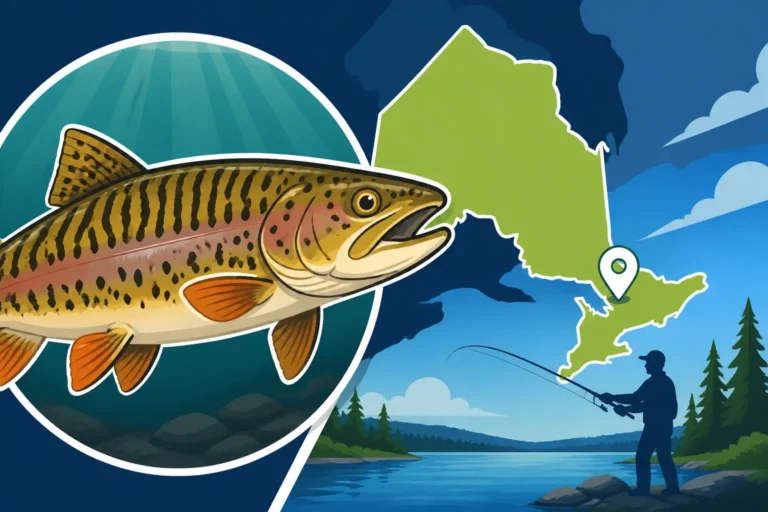
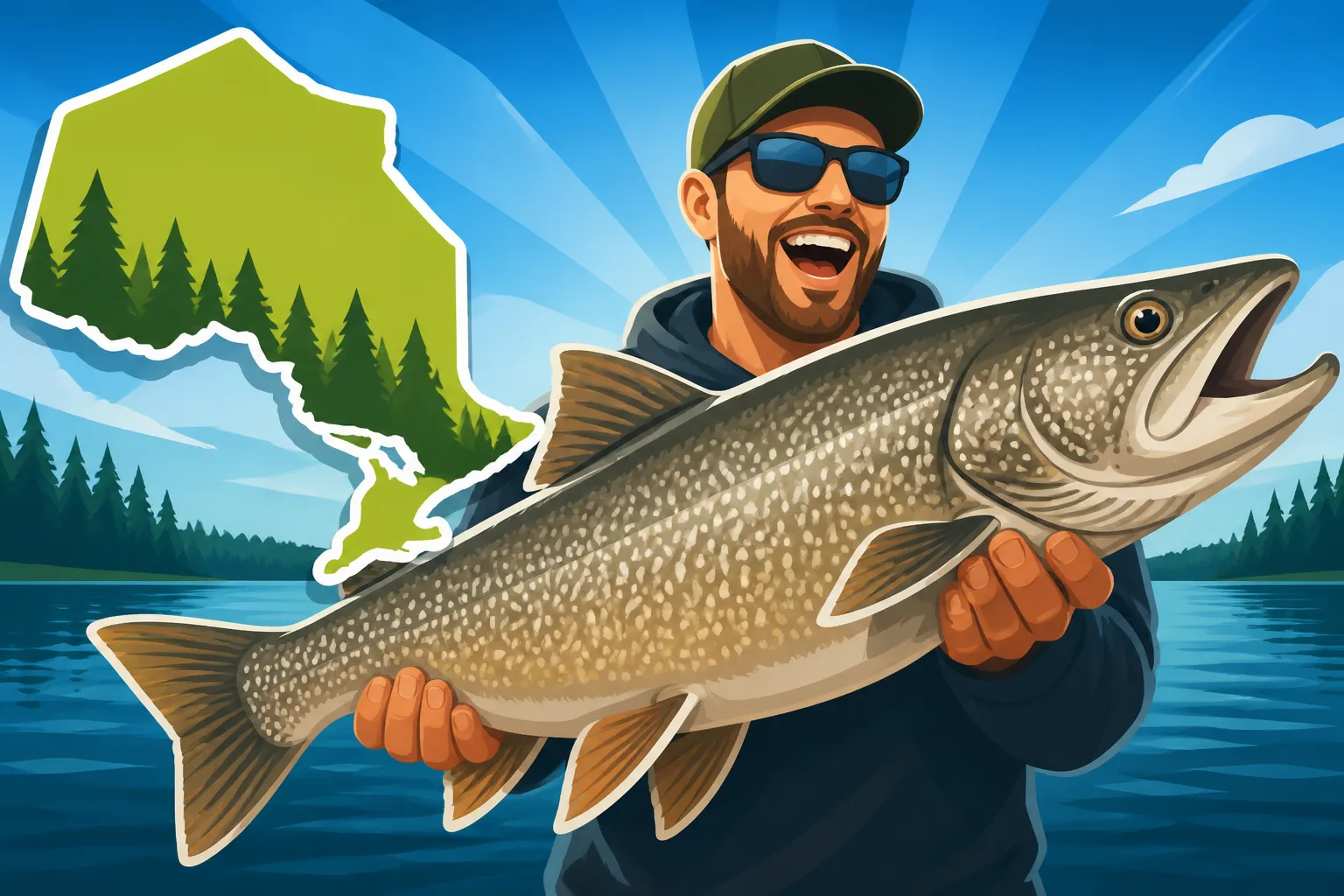
The official Ontario record lake trout stands at a staggering 63.1 pounds. This behemoth was caught in Lake Superior, near the mouth of the Nipigon River, which isn't entirely surprising given the storied history of that particular stretch of water. It’s a weight that commands respect and inspires awe, a true testament to the immense size these deep-water predators can attain in the cold, clear, nutrient-rich environments of our largest lakes. For context, most anglers are thrilled to catch a lake trout in the 10 to 20-pound range, making a 60-pounder an almost mythical beast. This record isn't just about the fish; it's about the perseverance and dedication of the angler who managed to bring it to the boat.
Why Lake Superior for a Record Lake Trout?
Lake Superior isn't just big; it's an inland sea, a vast freshwater ecosystem with depths that plunge to over 1,300 feet. These incredible depths provide the perfect habitat for lake trout, offering stable cold water temperatures year-round, even during the hottest summer months. The sheer volume of water and the abundance of forage fish, particularly cisco and smelt, allow lake trout to grow to truly colossal sizes. It's a challenging environment to fish, with unpredictable weather and vast expanses, but for those willing to brave its moods, the rewards can be monumental. The Nipigon River area, specifically, is renowned for its incredible fishery, not just for lake trout, but for brook trout and walleye as well, suggesting a rich food web that supports these apex predators. Lake Nipigon Fishing Guide provides more insights into this incredible region.
The Hunt for Giants: Understanding Where Trophy Lake Trout Live
Catching a record lake trout isn't simply a matter of luck; it’s a strategic pursuit that demands an understanding of their habitat, behaviour, and feeding patterns. Trophy lake trout don't just appear anywhere; they reside in specific environments that cater to their needs for deep, cold water and abundant food sources.
Deep, Cold, and Oxygen-Rich Waters
Lake trout are classic cold-water fish. As such, they thrive in deep, oligotrophic (nutrient-poor but oxygen-rich) lakes. This means they are often found in the deepest sections of large lakes, especially during the warmer months when surface waters become too warm for them. Look for areas with significant depth changes, submerged structures like humps, reefs, and drop-offs, and deep basins. These features provide ambush points and thermal refuges. The bigger the lake, generally, the bigger the lake trout potential, because larger lakes often have the necessary depth and a more diverse forage base. Beyond Lake Superior, other massive bodies of water like Lake Huron, Georgian Bay, and even some of the deeper inland lakes in Northern Ontario are known to produce impressive lake trout. Lake Huron Fishing Spots and Georgian Bay Muskie Fishing (which also holds big lake trout) offer glimpses into these vast fisheries.
Forage Base: The Key to Growth
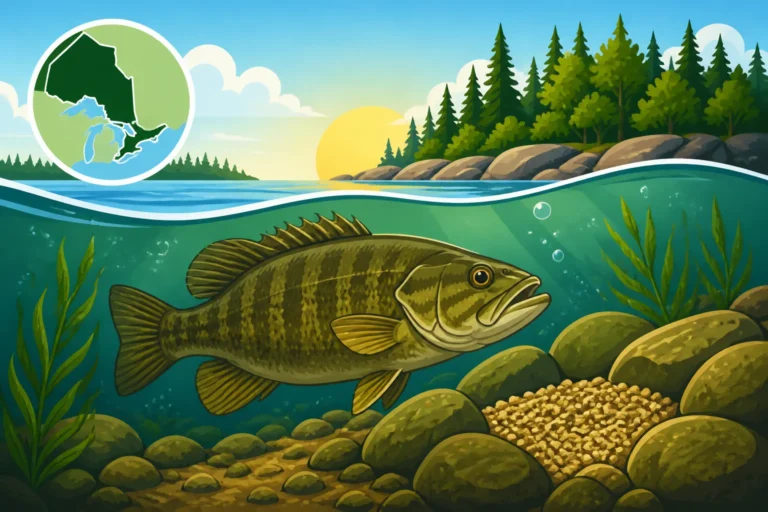
A lake trout's size is directly linked to its diet. To reach record-breaking weights, these fish need a consistent and abundant supply of high-energy forage. In many Ontario lakes, this means a diet rich in pelagic baitfish like cisco (also known as lake herring), smelt, and even juvenile whitefish. These baitfish schools suspend in the open water, often over deep basins, and lake trout follow them relentlessly. Understanding the forage base in a particular lake can give you crucial clues about where and how to target big lake trout. If you're on a lake known for a strong cisco population, for instance, you'll want to focus your efforts in areas where these baitfish are likely to be found. Lake Trout Fishing in Ontario offers more general insights into their habits.
Seasonal Movements of Trophy Lake Trout
Lake trout exhibit distinct seasonal movements. In spring, shortly after ice-out, they can often be found shallower, chasing baitfish that might also be moving into shallower areas. This is often a prime time for active fishing, as the trout are hungry and more accessible. As summer progresses and water temperatures rise, they retreat to the cooler, deeper parts of the lake. This is when deep trolling and vertical jigging become essential. In the fall, prior to their spawning period, they can once again become more active and somewhat shallower, particularly near rocky shoals and reefs where they will eventually lay their eggs. Understanding these movements is critical for any angler hoping to intercept a truly large fish. For more on the seasonal aspects of fishing, check out Best Time of Year to Fish in Ontario or Ontario Fishing Seasons by Zone and Month.
Gear and Techniques for Pursuing Trophy Lake Trout
Landing a lake trout of any size, let alone a potential record-breaker, requires specialized gear and honed techniques. You simply can't bring a knife to a gunfight when dealing with a fish that can easily weigh more than a small child.
Heavy-Duty Tackle is Non-Negotiable
When you're talking about fish that push 60 pounds, your standard walleye or bass setup just won't cut it. You need heavy-duty rods and reels designed to handle immense stress.
- Rods: Look for stout trolling rods, typically 7 to 9 feet long, with a heavy power rating and a moderate-fast action. This combination provides the backbone to fight a big fish while still offering enough tip action to absorb powerful runs and detect subtle bites. For jigging, a shorter, heavy-action rod, around 6 to 7 feet, with a strong backbone for setting hooks in deep water, is preferable.
- Reels: A high-quality, robust level-wind baitcasting reel or a heavy-duty spinning reel with excellent drag capabilities is essential. You need a reel with a large line capacity, capable of holding hundreds of yards of heavy monofilament or braided line. The drag system must be smooth and reliable, able to withstand prolonged runs from a powerful fish. When you're looking for these specialized items, many anglers turn to online retailers like Amazon to compare options and read reviews before making a significant investment.
- Line: Spool up with heavy braided line as your main line (50-80 lb test) for its incredible strength, minimal stretch, and sensitivity. Pair this with a fluorocarbon leader (20-40 lb test) for abrasion resistance and invisibility in clear water. Monofilament can also be used, but its stretch can be a disadvantage in deep-water hooksets.
| Gear Type | Key Characteristics | Why It Matters for Trophy Lake Trout |
|---|---|---|
| Rod (Trolling) | 7-9 ft, Heavy Power, Moderate-Fast Action | Provides leverage and shock absorption for powerful, deep runs. |
| Rod (Jigging) | 6-7 ft, Heavy Action, Stiff Backbone | Crucial for solid hooksets in deep water and lifting heavy fish. |
| Reel | High-Quality Drag, Large Line Capacity, Robust Gears | Essential for managing long runs and preventing break-offs. |
| Main Line | 50-80 lb Braided Line | Superior strength, low stretch for sensitivity and deep-water hooksets. |
| Leader | 20-40 lb Fluorocarbon | Abrasion resistance against rocks and invisibility in clear water. |
Deep-Water Techniques: Trolling and Jigging
- Deep Trolling: This is arguably the most effective method for covering vast amounts of water and targeting suspended lake trout. Using downriggers, Dipsy Divers, or heavy lead core line, you can present large spoons, plugs, or live bait at precise depths where lake trout are feeding. Pay close attention to your sonar to identify baitfish schools and any large arches that might indicate a trophy fish. Trolling Techniques for Ontario Lake Trout offers a great starting point for this method.
- Vertical Jigging: For targeting specific structures or fish you mark on your sonar, vertical jigging with heavy spoons, tube jigs, or soft plastics can be deadly. Drop your lure directly down to the fish, then impart an erratic jigging action. This technique requires patience and precise boat control, but it can be incredibly rewarding when you connect with a deep-dwelling laker. Best Techniques for Deep Water Summer Lake Trout explores this in more detail.
- Electronics: A high-quality fish finder with clear side-imaging and down-imaging capabilities is indispensable. It allows you to locate baitfish, identify thermal clines (where lake trout often stack up), and spot individual fish or structure in the abyss. Without good electronics, you're essentially fishing blind in a vast ocean. Many fantastic units are available, and researching options on a site like Amazon can help you find one that fits your budget and needs. Best Fish Finders for Ontario Lakes can guide your choice.
Conservation and the Ethics of Catching Record Fish
While the allure of a record is undeniable, the ethics of fishing, particularly for trophy-sized fish, cannot be overlooked. Lake trout grow incredibly slowly, especially in colder northern waters. A 60-pound lake trout could easily be decades old, a true matriarch of the lake.
Catch and Release Best Practices
If you are fortunate enough to hook a genuinely massive lake trout, responsible catch and release practices are paramount. These old, large fish are vital to the health of the fishery.
- Minimize Fight Time: Use appropriate heavy tackle to bring the fish in as quickly as possible without over-stressing it.
- Handle with Care: Keep the fish in the water as much as possible. If you must bring it aboard for a quick photo, support its full body weight horizontally. Avoid holding it vertically by the jaw, as this can cause internal damage.
- Dehooking Tools: Have long-nosed pliers or a dehooking tool readily available to quickly remove hooks.
- Revive the Fish: Before releasing, gently hold the fish in the water, facing into the current, until it regains its strength and swims away on its own.
- Consider a Replica Mount: Instead of harvesting a potentially record-breaking fish, consider taking precise measurements (length and girth) and a good photo, then releasing it. You can then commission a beautiful replica mount that lasts a lifetime without harming the fish.
Adhering to Regulations
Always, always be familiar with and adhere to the current Ontario fishing regulations, including specific zone rules, Ontario Bag and Possession Limits by Species, and Ontario Fishing Regulations Explained. Lake trout regulations can vary significantly by Ontario Fisheries Management Zones, Explained and even by specific lakes. Some areas might have slot limits or catch-and-release-only designations for larger lake trout to protect the breeding stock. Ignoring these rules not only risks penalties but also undermines the health of the very fisheries we cherish. Even for a potential record, if it falls outside the legal harvest limits for that specific zone, it must be released.
The dream of catching the next Ontario record lake trout is a powerful one, drawing anglers to our deep, wild waters year after year. It's a journey that combines skill, patience, the right gear, and a profound respect for these magnificent creatures.
Disclaimer
This article is for general informational purposes only and does not constitute professional advice. Laws, prices and regulations vary by location and change over time. Consult a qualified professional for guidance on your specific situation.