How big walleye get on the Bay of Quinte
There's a common thrill, and sometimes a touch of disappointment, when anglers head to the Bay of Quinte in search of its legendary walleye. You hear the whispers, you see the photos, and you imagine reeling in that monster fish, only to sometimes find yourself wondering, "Are all the big ones gone?" This guide is here to set the record straight, giving you a realistic picture of the typical sizes of walleye you can expect to catch on the Bay of Quinte and what truly defines a "trophy" in these storied waters.
The Reputation of Bay of Quinte Walleye
The Bay of Quinte isn't just another body of water; it's practically a household name in the North American fishing world, particularly when you mention walleye. This long, shallow bay, stretching off Lake Ontario, has earned its fame for good reason, but like any legendary fishing spot, it comes with a blend of truth and tall tales.
Why the Bay of Quinte is Famous for Walleye
For decades, the Bay of Quinte has been revered as a walleye powerhouse, consistently producing exceptional numbers of fish, and often, some real giants. Its unique ecosystem, with abundant baitfish like alewives and smelt migrating in from Lake Ontario, provides a rich feeding ground that allows walleye to grow quickly and reach impressive sizes. The bay acts as a nursery and a feasting ground, especially during the colder months when walleye congregate, making it a hotspot for both open-water trolling and ice fishing. Anglers travel from all over, even internationally, drawn by the allure of a potential personal best. It's a place where the phrase "walleye factory" truly applies, with the fish population seemingly robust and thriving. You'll often find charter captains specifically targeting this area due to its consistent productivity, a testament to its reputation.
Setting Realistic Expectations
While the Bay of Quinte can produce massive walleye, it's crucial to set realistic expectations. Not every fish you pull from these waters will be a wall-hanger, and expecting every bite to be a 10-pounder can lead to frustration. The Bay of Quinte, like any healthy fishery, has a wide range of sizes. You'll encounter plenty of smaller "eater" fish, in that 16-20 inch range, which are fantastic for the frying pan. These are the bread and butter of a good day on the water, providing consistent action. The larger fish, those true trophies over 8 or 10 pounds, are definitely present, but they are fewer in number and often require more specific tactics, patience, and a bit of luck. Think of it like a treasure hunt: there's gold to be found, but you'll dig through a lot of dirt first. Understanding this balance is key to enjoying your time on the Bay of Quinte.
Understanding Walleye Size in the Bay of Quinte
Let's get down to the brass tacks: what kind of walleye can you actually expect to find in the Bay of Quinte? It's a question every angler asks, and the answer is nuanced, depending on what you define as "average" versus "trophy."
Average Catch Sizes: What Most Anglers Encounter
When you're out on the Bay of Quinte, especially during peak seasons like the fall run or the winter ice fishing period, the most common walleye you'll encounter will typically fall into the 18 to 24-inch range. These are robust, healthy fish, often weighing in between 2 and 5 pounds. They're strong fighters and are absolutely delicious on the dinner table, making them highly sought after by anglers looking for a meal.
During a good day, you might find yourself consistently catching fish in this size bracket. These "average" walleye are a testament to the abundant food sources and favorable conditions in the bay, allowing them to grow quickly. For many, catching several fish of this size is a highly successful and enjoyable outing. They provide excellent action, particularly if you're trolling with crankbaits or jigging spoons. Keep in mind that different times of the year, like the Walleye Spawning Season in Ontario, can sometimes skew catch rates towards different sizes depending on where the fish are holding.
The Elusive Trophy Walleye: Reaching for Giants
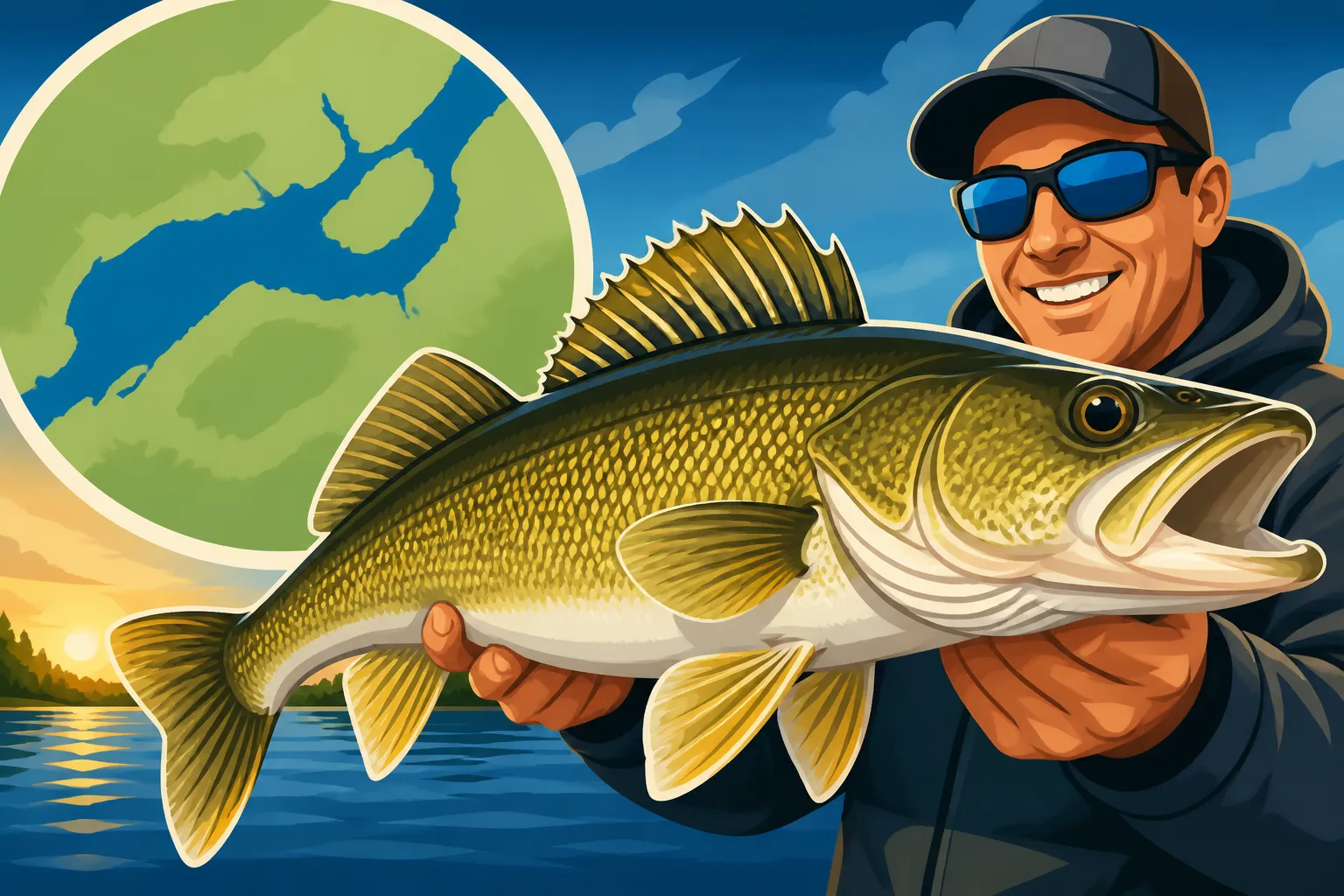
Now, let's talk about the real reason many anglers flock to the Bay of Quinte: the chance at a true trophy walleye. In these waters, a "trophy" typically starts around 27-28 inches, and can easily extend upwards of 30 inches or more. Fish in this class can weigh anywhere from 8 to a staggering 15 pounds, or even heavier on rare occasions. These are the fish that make headlines, win tournaments, and certainly earn a spot on the wall (or, more commonly now, a detailed replica mount).
Catching a walleye over 10 pounds on the Bay of Quinte is a monumental achievement. These larger fish are older, wiser, and often require a different approach than the average-sized fish. They've seen more lures, dodged more nets, and are often found in deeper, more specific structures. While they are present, they are not common catches. You might fish for several days, or even weeks, before hooking into one of these giants. Persistence, meticulous technique, and often fishing at specific times like late fall or through the ice are key to increasing your odds. Many anglers invest in quality measuring tapes from retailers like Amazon, not just for brag photos but for accurate catch-and-release data, which is especially important for these larger, valuable breeding fish.
Factors Influencing Walleye Growth and Size
Several environmental and biological factors contribute to the impressive size of Bay of Quinte walleye:
- Abundant Forage Base: The constant influx of alewives and smelt from Lake Ontario provides an incredibly rich and accessible food source for walleye. This high-calorie diet allows them to pack on weight and grow rapidly, far exceeding growth rates in some other, less nutrient-rich lakes. Imagine an all-you-can-eat buffet for fish – that's the Bay of Quinte.
- Water Quality and Habitat: The bay's specific structure, with varying depths, extensive weed beds, and rocky areas, offers diverse habitats for walleye at different life stages. Good water quality and plentiful oxygen levels also contribute to a healthy, fast-growing population. This diverse habitat also supports a complex food web beyond just alewives, contributing to overall fish health.
- Genetics: While harder to quantify, the genetic makeup of the walleye strain in the Bay of Quinte may also play a role. Generations of successful reproduction in this rich environment could lead to a population predisposed to larger growth.
- Fishing Pressure and Management: While the bay sees significant fishing pressure, regulations and responsible angling practices, including catch and release, particularly for larger fish, help sustain the population. Understanding Ontario Fishing Regulations Explained is critical to ensuring the health of this fishery for future generations.
Here's a quick look at walleye size expectations on the Bay of Quinte:
| Category | Typical Length (inches) | Typical Weight (pounds) | Description |
|---|---|---|---|
| Small/Eater | 16-20 | 1-3 | Abundant, great for eating, consistent action. |
| Average | 20-26 | 3-7 | Very common, good fighters, solid keepers. |
| Large/Trophy | 27-30+ | 8-15+ | Sought-after, less common, often older, wiser fish. |
Strategies for Targeting Bigger Walleye on the Bay
If your goal is to land one of those colossal Bay of Quinte walleye, you'll need to adjust your approach. It's not just about being in the right place; it's about using the right tools and techniques.
Gear Considerations for Larger Fish
When you're chasing bigger walleye, your typical light-action rod and reel might not cut it. You need gear that can handle the sheer power of a 10-pound walleye, especially in the cold water where they fight even harder. Think about medium-heavy to heavy power rods, typically 7 to 8 feet long, which provide the backbone needed for strong hooksets and controlling large fish. For reels, a good quality baitcasting reel is often preferred for trolling or casting heavier lures, or a robust spinning reel in the 3000-4000 series. Line choice is also paramount; many anglers opt for braided line around 20-30 lb test, with a fluorocarbon leader (15-20 lb) for its abrasion resistance and low visibility.
Lures for big walleye often mimic the larger baitfish present in the Bay of Quinte. Deep-diving crankbaits in natural baitfish colours, big swimbaits, and heavy jigging spoons are frequently effective. Don't be afraid to go larger than you might for average walleye. You might even find specialized walleye tackle on Amazon designed for these bigger fish. Having a sturdy net, preferably one with a rubberized mesh to protect the fish if you plan on releasing it, is also essential. Check out our guide on Best Tackle for Ontario Walleye for more detailed recommendations.
Seasonal Tactics for Trophy Walleye
Timing is everything when it comes to trophy walleye on the Bay of Quinte. While you can catch big fish year-round, certain seasons offer better opportunities:
- Fall: This is arguably the most famous season for big Bay of Quinte walleye. As water temperatures drop, walleye become incredibly active, feeding aggressively to build up fat reserves for winter. They school up in predictable patterns, making them accessible to trollers. Large crankbaits, fished on lead core or downriggers, are deadly. The fish tend to concentrate in deeper sections of the bay and near channels where baitfish are abundant.
- Winter (Ice Fishing): For dedicated ice anglers, the Bay of Quinte offers world-class opportunities for trophy walleye. Once the ice is safe, these fish remain active, often schooling near structure or along contours. Jigging spoons, blade baits, and deadsticking with live bait are popular and effective. Targeting larger presentations and being patient are key here. Consider our Ice Fishing in Ontario guide for general tips.
- Spring: While the walleye opener can be fantastic for numbers, really big fish are often post-spawn and can be a bit more elusive as they recover. However, as they start to feed again, they can be caught. Trolling shallower flats adjacent to deeper water, or pitching jigs to points, can produce results.
Remember, fish behaviour changes with the seasons, and adapting your techniques is crucial. Studying specific areas on an interactive map, like the Ontario Fish ON-Line Interactive Zone Map, Explained, can help you pinpoint prime locations.
Catch and Release Best Practices for Growth
If your goal is to help maintain the Bay of Quinte's reputation for producing big walleye, practicing responsible catch and release, especially for the larger fish, is paramount. These older, larger walleye are often the prime breeders, contributing significantly to the population's health and genetic strength.
Here are some best practices:
- Minimize Fight Time: Use appropriate gear to land the fish quickly, reducing stress.
- Handle With Care: Avoid touching the fish's gills or eyes. Support its body horizontally, especially heavier fish, to prevent internal organ damage. A large, rubberized net can cradle the fish while you remove the hook.
- Quick Hook Removal: Have pliers or a de-hooking tool readily available. If the hook is deeply swallowed, cut the line as close to the hook as possible rather than trying to rip it out. Single, barbless hooks can make release much easier.
- Revive Gently: If the fish seems sluggish, hold it upright in the water, facing into the current, and move it gently back and forth until it swims away under its own power.
- Photo Quickly: If you want a photo, get it quickly, keep the fish wet, and don't hold it out of the water for extended periods.
Practicing these methods ensures that the giants you release have the best chance to survive and spawn again, contributing to the future of the Bay of Quinte fishery.
Comparing Bay of Quinte Walleye to Other Ontario Hotspots
It’s natural to wonder how the Bay of Quinte stacks up against other fantastic walleye fisheries across Ontario. Every body of water has its unique characteristics, influencing both the size and abundance of its fish.
How Bay of Quinte Sizes Stack Up
The Bay of Quinte really holds its own when compared to other premier walleye waters. While lakes like Lake of the Woods or Lake Nipigon in Northern Ontario are renowned for consistent numbers of quality walleye and can produce substantial fish, the Bay of Quinte is often cited as a place where the average size leans towards the larger end, and the potential for a true "hawg" is exceptionally high.
For instance, on some smaller inland lakes, a 5-pound walleye might be considered a trophy. On the Bay of Quinte, while a great fish, it’s more on the larger side of average. The abundance of food and extended growing season (due to its southerly location compared to many northern lakes) allows Bay of Quinte walleye to grow faster and achieve larger maximum sizes. The Bay of Quinte consistently produces fish in the 8-12 pound range, with true giants being a regular occurrence during peak seasons. This is why anglers often specifically target the bay for the chance at a truly memorable catch. While you can find big walleye elsewhere, the sheer frequency of impressive catches in the Bay of Quinte is what sets it apart.
The Unique Environment of the Bay
The distinct nature of the Bay of Quinte is a huge part of its success as a walleye fishery. Unlike many landlocked lakes, the Bay of Quinte is an arm of Lake Ontario. This connection means constant nutrient exchange and, crucially, a conveyor belt of baitfish like alewives and smelt from the vast open waters of Lake Ontario. These baitfish are essentially energy drinks for walleye, allowing them to grow at an accelerated rate compared to walleye in waters with a less diverse or abundant forage base.
The bay itself is relatively shallow and fertile, with extensive weed beds and varied bottom structures that provide excellent habitat. This combination of a rich food supply, diverse habitat, and the semi-open system with Lake Ontario creates an ideal environment for walleye to thrive, grow large, and replenish their numbers. It’s a delicate balance of factors that makes the Bay of Quinte truly unique and explains why it consistently delivers on its promise of big walleye. If you're looking for different challenges, perhaps try Lake Erie Walleye Fishing for a truly vast experience, but for sheer walleye giants, the Bay of Quinte remains a top contender in Ontario.
Disclaimer
This article is for general informational purposes only and does not constitute professional advice. Laws, prices and regulations vary by location and change over time. Consult a qualified professional for guidance on your specific situation.