Average size of stocked trout in Ontario
If you're anything like me, you've probably poured over maps, dreamed of tranquil lakes, and wondered what kind of finned treasures await you in Ontario's stocked waters. It’s easy to get excited, but also a bit daunting to imagine what you'll actually reel in. This guide is all about setting realistic expectations, diving deep into the average size of stocked trout you can expect to encounter across our beautiful province, and helping you understand why some fish are bigger than others.
Understanding Ontario's Stocked Trout Program
Ontario’s stocked trout program is a real gift to anglers, especially those of us who love chasing cold-water species. It's designed to enhance fishing opportunities in lakes and rivers where natural reproduction might be limited or simply non-existent. Without this program, many of our favourite local fishing holes just wouldn't hold the trout populations we've come to enjoy.
Why Ontario Stocks Trout and What Species
The primary goal of stocking is to provide recreational fishing. Sometimes, it's about introducing a species to a new water body; other times, it's about supplementing existing populations or creating a "put-and-take" fishery where anglers can harvest fish that might not survive long-term anyway. You'll primarily find three main species of trout, plus one popular hybrid, in Ontario's stocking efforts:
- Rainbow Trout: These are probably the most commonly stocked trout, known for their beautiful iridescent colours and their feisty fighting spirit once hooked. They adapt well to a variety of environments.
- Brook Trout: While Ontario boasts vast wild populations of brook trout, many lakes and ponds are also stocked with them, especially in areas where native populations might be struggling or where accessibility is high. They’re gorgeous fish, often with vibrant red and blue spots. You can learn more about these native beauties in Brook Trout in Ontario's Crown Land Lakes.
- Brown Trout: Less commonly stocked than rainbows or brooks, brown trout are introduced in specific waters, often where they can thrive and grow to larger sizes due to their more elusive nature and preference for slightly warmer water temperatures than brook trout. We talk more about their habits in Brown Trout Habits in Ontario Streams.
- Splake: This is a fascinating hybrid species, a cross between a brook trout and a lake trout. They were specifically developed for stocking in certain Ontario lakes because they grow faster than brook trout and are more tolerant of a wider range of water temperatures, essentially offering the best of both worlds. For more on this unique hybrid, check out Splake Stocking in Ontario Lakes.
These stocking efforts are carefully managed by the province, ensuring healthy fish are introduced to suitable habitats.
Where These Trout Come From
When you're reeling in a stocked trout, it's highly likely that fish started its life in a provincial fish hatchery. These facilities are incredible, working diligently to breed, raise, and nurture fish through their early life stages. They control everything from water quality and diet to disease prevention, ensuring that the trout are healthy and robust when they're released into public waters.
Once they reach a certain size – which we'll get into shortly – they're transported by truck, and sometimes even by aircraft to more remote locations, and carefully released. This process is crucial because it gives the young fish the best possible start, increasing their chances of survival and, ultimately, providing more angling opportunities for us. This careful management ensures a sustainable and enjoyable fishing experience for everyone.
What to Expect: Average Sizes by Species
Alright, let's get down to the brass tacks: what size fish are you actually going to catch? When trout are first stocked, they tend to be quite uniform in size. This initial stocking size is often referred to as "catchable size," meaning they're big enough for anglers to target immediately. However, not all stocked fish are caught right away, and those that evade the hook for a season or two – what we often call "holdovers" – can grow significantly larger.
Here's a breakdown by species:
Rainbow Trout: The Acrobatic Leapers
Rainbow trout are undoubtedly one of Ontario's most popular stocked species, and for good reason! They're generally aggressive feeders and put up a fantastic fight.
When fresh from the hatchery, you can typically expect stocked rainbow trout to be in the 8 to 12-inch range. These are perfect pan-sized fish, offering a great tug on a light spinning rod or fly rod. They're often stocked in vast numbers in urban ponds, conservation areas, and smaller lakes across the province, providing immediate action for families and beginner anglers.
However, if you're fishing a lake that has excellent forage, cool, well-oxygenated water, and receives less fishing pressure, those rainbows can grow substantially. It's not uncommon for holdover rainbows to reach 14 to 18 inches in these conditions, sometimes even pushing past the 20-inch mark. I've personally hooked into beautiful 2-pound rainbows in stocked ponds that have been established for a few years, fish that were clearly not just fresh from the truck. For more on these beauties, check out Rainbow Trout Stocking in Ontario.
Brook Trout: Native Beauties and Stocked Gems
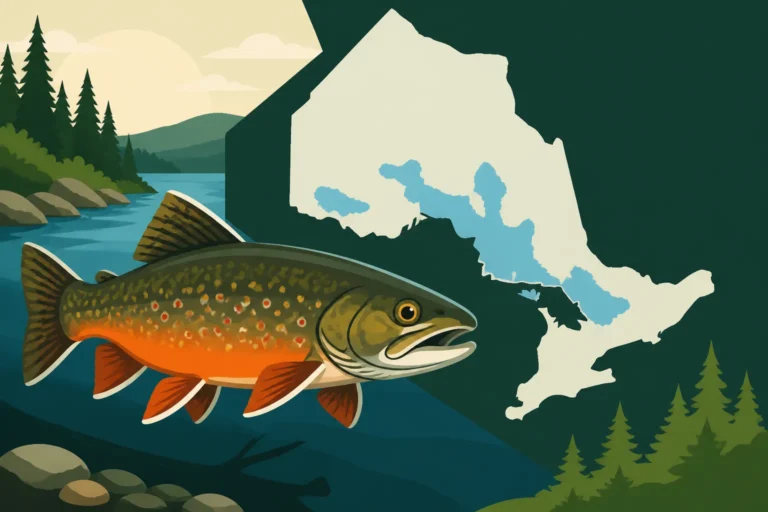
Brook trout, with their stunning colours, are a true gem of Ontario's waters. While many anglers chase wild brookies in remote streams, the stocked populations offer fantastic opportunities closer to home.
Newly stocked brook trout generally fall into a similar size category as rainbows, often around 7 to 11 inches. They're plump, eager, and just beautiful to look at. In many cases, these are stocked in smaller, colder lakes and ponds, particularly in northern Ontario or within provincial parks, creating vibrant fisheries.
Like rainbows, brook trout can become holdovers and grow. In lakes with abundant insect life and cool, clean water, holdover brookies can easily reach 12 to 15 inches. A 14-inch stocked brook trout is a truly magnificent fish and a fantastic catch, often having the girth to match its length. These larger, feistier brookies require a bit more skill to fool, but the reward is absolutely worth it.
Brown Trout: Elusive and Often Larger
Brown trout are a bit different. They tend to be more elusive, more wary, and often grow to larger sizes than stocked rainbows or brook trout, especially in waters that support them well.
Initial stocking sizes for brown trout might start in the 8 to 12-inch range, similar to the other species. However, their growth potential, given the right environment, is higher. Brown trout are known to be predatory, feeding on smaller fish, which helps them pack on the pounds.
In systems where they thrive, such as larger lakes or river sections with good structure and prey, holdover brown trout can easily reach 16 to 20 inches. Trophy-sized brown trout over 5 pounds are certainly possible in some of Ontario's more established brown trout fisheries. They can be tough to catch, but if you do land a decent-sized one, you'll immediately understand why they're so revered by anglers. They are truly fantastic fish, providing a different kind of challenge.
Splake: The Hybrid Powerhouse
Splake, being a hybrid of brook trout and lake trout, inherit some of the best traits of both. They're typically hard-fighting and have a good growth rate, often outperforming pure brook trout in similar stocked environments.
When first stocked, splake are often in the 9 to 13-inch range, making them a solid "catchable" size. Their robust nature means they generally do well post-stocking, offering a reliable fishery.
What's impressive about splake is their capacity for growth as holdovers. Given a decent food source and enough time, splake can grow quite large. Many anglers regularly catch splake in the 15 to 20-inch range, and larger specimens pushing 24 inches or more are definitely caught each year. They are a fantastic species for anglers looking for a strong fight and a respectable-sized fish, making them a popular choice for stocking in many of Ontario's smaller to medium-sized lakes.
Here’s a quick overview of what you can generally expect:
| Species | Typical Initial Stocking Size | Common Holdover Size Range (inches) | Potential Trophy Size (inches) |
|---|---|---|---|
| Rainbow Trout | 8-12 inches | 14-18 inches | 20+ inches |
| Brook Trout | 7-11 inches | 12-15 inches | 16+ inches |
| Brown Trout | 8-12 inches | 16-20 inches | 24+ inches |
| Splake | 9-13 inches | 15-20 inches | 24+ inches |
Note: These are general ranges and actual sizes can vary significantly based on specific water bodies and conditions.
Factors Influencing Stocked Trout Size (Beyond Initial Stocking)
While the hatchery-fresh trout start at a fairly uniform size, what happens after they hit the water is a whole different story. Many factors play a huge role in how big those fish will actually get, and understanding these can significantly improve your chances of finding larger specimens.
Water Body Type and Food Availability
Think of it like this: a small, infertile pond with limited insect life and no baitfish isn't going to produce large trout, even if you stock it with robust fish. They simply won't have enough to eat. Conversely, a larger lake with a healthy population of minnows, invertebrates, and ample cold-water habitat provides a veritable buffet for stocked trout.
Lakes with a good food chain, like those supporting perch or shiners, give trout the protein and energy they need to grow quickly and reach impressive sizes. Lakes that are nutrient-rich but still maintain cold, oxygenated water throughout the year are the ones where those holdover trout really put on the weight. This is why some stocked lakes consistently produce bigger fish than others; it’s all about the grocery store underwater.
Angler Pressure and Harvest Rates
This is a big one. Stocked fisheries, especially those close to urban centres, often experience high angler pressure. When a truckload of "catchable" trout gets dumped into a pond, you can bet anglers will be there quickly, sometimes even before the fish fully disperse.
High harvest rates mean that many of the stocked fish are caught and kept within weeks, if not days, of being introduced. This leaves fewer fish in the water to grow into those larger "holdover" sizes. If everyone keeps their limit every time they go, the chance of a trout surviving long enough to get big dramatically drops. Some anglers choose to practice catch and release, especially for the larger fish, allowing those genetics to remain and potentially contribute to a larger average size for future catches. Respecting Ontario Bag and Possession Limits by Species is key, but also considering what you truly need for a meal can impact the fishery.
Age and Growth Rate Post-Stocking
The longer a stocked trout survives in the wild, the bigger it's likely to get. It's a simple truth: time equals growth. A trout that spends one or two seasons successfully evading anglers and predators, and has access to ample food, will be a much different fish than one fresh out of the hatchery. These "holdover" trout are the ones that truly excite us because they represent a real challenge and a rewarding catch.
The specific growth rate also depends on the species. Splake, for instance, are known for their relatively fast growth compared to pure brook trout. Brown trout, especially once they switch to a diet of smaller fish, can really pack on the pounds. Water temperature also plays a critical role; consistent cool water generally means happier, faster-growing trout, while prolonged periods of warm water can stress fish and slow their growth.
Maximizing Your Chances for Larger Stocked Trout
So, you want to catch more than just the average stocker? I hear you! There’s nothing quite like the thrill of hooking into a truly robust stocked trout that surprises you with its size and fight. While luck always plays a role, you can absolutely stack the odds in your favour.
Gear Up Appropriately
Having the right tools for the job makes a huge difference, especially when targeting those bigger, warier holdovers. Forget about heavy, clunky gear; lighter is usually better for trout. A good quality light or ultralight spinning rod, paired with a sensitive reel spooled with 4-6 pound test line, is ideal. This setup allows for longer casts, better feel for subtle bites, and more exciting fights.
For fly anglers, a 4 or 5-weight fly rod is generally perfect for most stocked trout scenarios. It provides enough backbone to cast a variety of flies while still making an 8-inch trout feel like a monster. Invest in a good selection of smaller spoons, spinners, and soft plastic baits that imitate minnows or worms. Brands you might find on places like Amazon often offer great value for these types of lures. Don't forget a small, fine-mesh landing net for safe catch and release, especially if you're hoping to release those big ones to fight another day. You can read more about what gear is essential in Best Gear for Ontario Trout Fishing.
Location, Location, Location
Not all stocked lakes are created equal when it comes to trophy potential. Some waters are simply better equipped to grow larger fish due to their size, depth, water quality, and forage base. Do your homework! The Ministry of Natural Resources and Forestry (MNRF) often publishes stocking lists or maintains online resources that can indicate which lakes receive stockings and even what species. Looking at a map, identify larger, deeper lakes that might have more refuge areas for fish to grow, or even those in more remote areas that see less pressure.
When you arrive at a stocked lake, don't just fish the access point. Explore. Look for areas with deeper water, submerged structure (like logs or rock piles), or areas where feeder creeks enter, bringing in cooler water and potential food. These are often the places where larger, more established trout will hold, rather than congregating near the crowds. Websites like Amazon also carry portable fish finders that can really help you identify these deeper structures.
Time Your Visit Wisely
Timing is everything in fishing, and it’s especially true for stocked trout.
- Early Season (Just After Stocking): Right after a fresh stocking, the fish are often disoriented and very active. They're also less wary, making them easier to catch. While you might mostly find the "average" sized fish at this time, it’s a great opportunity for action.
- Later Season (Holdovers): As the season progresses, the easily caught fish are removed, leaving behind the smarter, larger holdovers. This is when the fishing can get tougher, but the rewards are often bigger. Targeting these fish requires more patience and finesse.
- Weather and Water Conditions: Trout are cold-water fish, so they tend to be more active in cooler conditions. Overcast days, early mornings, or late evenings are often more productive than bright, sunny afternoons, especially as the water warms up. Similarly, a rising barometer can sometimes get fish active. Keep an eye on the weather and adapt your strategy.
Consider checking the Ontario Fishing Season Dates by Zone to align your trip with optimal conditions for trout. Remember, fishing for stocked trout isn't just about the numbers; it's about enjoying the outdoors and the thrill of the catch. But if you're like me, a bit of extra size makes the experience even sweeter!
Disclaimer
This article is for general informational purposes only and does not constitute professional advice. Laws, prices and regulations vary by location and change over time. Consult a qualified professional for guidance on your specific situation.