Reading the Ontario Fishing Regulations Summary
For many of us, the thrill of an Ontario fishing trip is undeniable – the fresh air, the shimmering waters, and the anticipation of a tug on the line. But before you cast your first line, there's a hurdle many anglers dread: navigating the often-intimidating Ontario Fishing Regulations Summary. It's easy to feel overwhelmed by the dense text and tables, leading to uncertainty and even the fear of unknowingly breaking a rule. This comprehensive guide is designed to demystify the regulations summary, helping you understand its structure, interpret its rules, and ultimately fish with confidence and peace of mind.
Why Understanding the Regulations Summary is Crucial
Heading out onto the water in Ontario is an incredible experience, but it comes with the responsibility of adhering to the rules designed to protect our precious natural resources. The Ontario Fishing Regulations Summary isn't just a boring document; it's your roadmap to legal and ethical angling. Ignoring it, or simply skimming it, can lead to much more than just a bad day on the lake. It can lead to serious consequences and, more importantly, can unknowingly harm the very fish populations we all cherish.
Avoiding Fines and Penalties
Let's be real: no one wants to deal with a Conservation Officer (CO) when they're trying to relax and enjoy the outdoors, especially not when it involves a fine. Ontario has strict penalties for those caught fishing outside the regulations. These aren't minor slaps on the wrist; depending on the severity of the infraction, fines can range from hundreds to thousands of dollars, and in some cases, can even involve equipment confiscation or a ban from fishing. Imagine the disappointment of having your brand-new rod and reel, or even your boat, seized because you misunderstood a possession limit or fished out of season. It’s a harsh reality that can put a serious damper on your angling adventures and wallet. For a detailed look at the consequences, you can read more about Fishing Without a License in Ontario: Penalties.
Beyond the monetary cost, there's also the embarrassment and stress of dealing with legal repercussions. A simple mistake, like misidentifying a fish or not checking the opening date for a specific species in your zone, can turn a peaceful outing into a legal headache. The summary is designed to make these rules clear, so taking the time to understand it is an investment in stress-free fishing. It truly pays to be informed, not just financially, but for your overall enjoyment of the sport.
Protecting Ontario's Fisheries
The rules aren't just there to make your life difficult; they're vital for the long-term health of Ontario's diverse fisheries. Each regulation, whether it's a size limit, a catch-and-release rule, or a closed season, is put in place by biologists and fisheries managers to ensure sustainable populations. For example, slot limits on certain species ensure that enough fish reach maturity to spawn, and that larger, more prolific breeders are returned to the water. Without these rules, overfishing of specific age classes or species could quickly decimate local populations, leading to a decline in fishing quality for everyone.
Think about it: if everyone kept every fish they caught, or fished during sensitive spawning periods, our lakes and rivers would be depleted in no time. By understanding and following the regulations, you're actively contributing to conservation efforts. You're helping to ensure that future generations, including your own kids and grandkids, will have the same opportunities to enjoy Ontario's incredible fishing. It's a collective responsibility, and the summary is the primary tool that guides us in fulfilling that responsibility.
Fishing with Confidence and Peace of Mind
There's nothing quite like the feeling of confidence when you're on the water. Knowing you've done your homework, that your license is valid, and that you understand the specific rules for your chosen fishing spot allows you to truly relax and enjoy the experience. You won't be constantly second-guessing yourself when you land a fish, wondering if it's the right size or if you're allowed to keep it. This peace of mind enhances the entire fishing experience, allowing you to focus on the thrill of the catch, the beauty of your surroundings, and the camaraderie with your fellow anglers.
Imagine the scenario: you're out on Lake Simcoe, you hook a beautiful yellow perch, and immediately, you know if it's within the legal length and whether your specific license allows you to keep it. No frantic fumbling through a crumpled paper summary or desperately trying to get cell service to check an app. This confidence comes directly from a solid understanding of the regulations. It frees you up to fully immerse yourself in the moment, making your fishing trips more enjoyable and less stressful. For general insights into fishing responsibly, check out our guide on Ontario Fishing Regulations Explained.
Where to Find Your Ontario Fishing Regulations Summary
Before you can understand the summary, you need to know where to get your hands on a copy. Thankfully, the Ministry of Natural Resources and Forestry (MNRF) makes it quite accessible, offering both digital and physical options to suit everyone's preference. Gone are the days when you had to track down a specific tackle shop; now, convenience is key, allowing you to prepare for your trip with ease.
Online Access and Digital Versions
In our increasingly digital world, accessing the regulations summary online is often the quickest and most convenient option. The official Ontario government website is the primary source for the most up-to-date summary. You can view it directly in your web browser, download it as a PDF, or even access it through a dedicated mobile app. Having a digital copy on your smartphone or tablet means you can carry the entire rulebook in your pocket, always ready for a quick reference, even when out on the water. This is especially useful for quickly checking a specific rule or zone boundary when you're in a remote area.
Many anglers find the PDF version particularly helpful as they can search keywords, zoom in on maps, and keep it organized on their devices. Before you head out, make sure to download the current year's summary, as regulations can change annually. While a digital copy is handy, consider having a fully charged phone or even printing off relevant sections, especially if you're going to be in an area with spotty cell service. For more about digital options, refer to Printing or Carrying a Digital Fishing License in Ontario.
Physical Copies at Authorized Vendors
For those who prefer the tactile feel of a physical booklet, or perhaps don't want to rely on battery life, printed copies of the Ontario Fishing Regulations Summary are still readily available. You can typically pick up a free copy wherever fishing licenses are sold. This includes ServiceOntario centres, many outdoor recreation stores like Sail or Bass Pro Shops, and independent bait and tackle shops across the province. These locations are usually well-stocked at the beginning of the fishing season.
Having a physical copy can be incredibly useful, especially if you're planning a trip to a remote area where digital access might be challenging. Some anglers even prefer to highlight key sections or dog-ear pages relevant to their specific fishing plans. When you're picking up your Ontario Fishing License Guide for 2026, make sure to grab a regulations summary too. It's also a good idea to keep one in your tackle box or boat for easy reference throughout the season. You can also find various fishing guides and accessories on platforms like Amazon that might help you organize your regulations knowledge, though the official summary is always provided for free by the province.
Navigating the Front Matter: Important Initial Pages
When you first open the Ontario Fishing Regulations Summary, it can feel like staring at a textbook. But don't skip those initial pages! They contain critical information that sets the stage for understanding the specific rules you'll encounter later. Think of it as the foundational knowledge that will make deciphering the rest of the document much easier.
The Message from the Minister and Introductions
Right at the beginning, you'll usually find a message from the Minister of Natural Resources and Forestry. While it might seem like political fluff, this section often highlights key changes or new initiatives for the current fishing season. It can give you a heads-up about what to pay particular attention to in the summary. For example, if there's a new focus on protecting a certain species, you'll know to scrutinize those specific regulations later.
Following this, there's usually an introduction that outlines the purpose of the regulations, provides a brief overview of the conservation goals, and offers tips on how to use the summary effectively. It’s a roadmap for the roadmap. Don't just flip past it; a quick read can provide valuable context and even point you toward sections that are particularly important for your kind of fishing. This section often emphasizes why certain rules exist, reinforcing the conservation aspect of responsible angling.
Understanding Key Definitions and General Regulations
This is one of the most important sections you absolutely cannot skip. Before diving into species-specific limits or zone rules, you need to understand the basic terminology used throughout the document. Words like "sport fishing license," "conservation fishing license," "possession limit," "daily limit," "live bait," "artificial lure," and "waters" all have specific legal meanings within the context of the summary. Misinterpreting even one of these definitions can lead to unintended non-compliance. For instance, understanding the difference between "daily limit" (how many you can catch and keep in one day) and "possession limit" (how many you can have on your person, in your cooler, or at your camp, regardless of when they were caught) is fundamental.
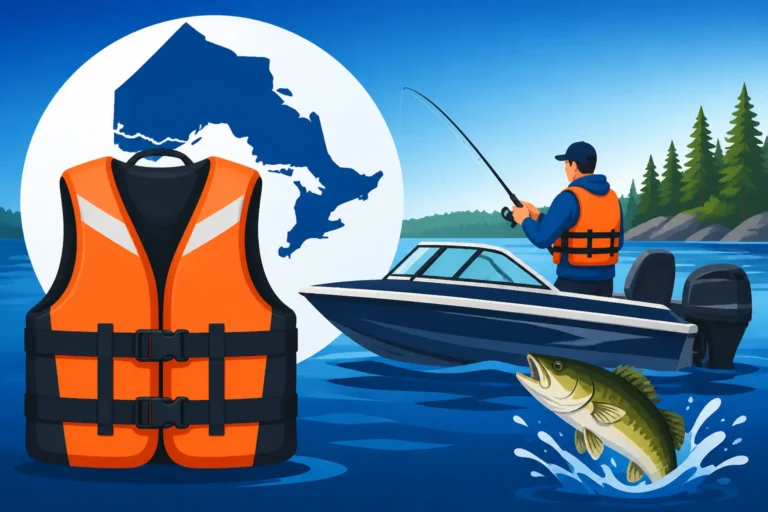
Following the definitions, you'll find "General Regulations." These are province-wide rules that apply everywhere in Ontario, unless superseded by a specific zone or waterbody regulation. This includes things like bait restrictions, mandatory life jacket requirements for certain vessels, and general rules about fishing methods. For example, specific rules about lead weights or the use of barbed hooks might be found here. These universal rules form the baseline for all your fishing activities, so having them clear in your mind is essential before you even start looking at individual species or lakes.
Reading the Provincial Regulations Summary Table
Often found early in the summary, there's a large, overarching table that provides a quick reference for general provincial limits for common species. This table is incredibly useful for getting a broad understanding before diving into the nuances of specific zones. It typically lists species like Walleye, Northern Pike, Smallmouth Bass, and Lake Trout, showing the province-wide general daily and possession limits for both Sport and Conservation licenses.
While this table offers a great snapshot, it's crucial to remember that these are general limits. Almost every specific lake or region will have its own set of rules that override these provincial guidelines. So, while it gives you a good starting point (e.g., "Okay, a Sport license usually allows more fish than a Conservation license"), you must always cross-reference with the specific zone and waterbody you plan to fish. Think of it as a guide, not the absolute final word for your specific location. This table is also a good place to start understanding the core differences between an Ontario Sport vs Conservation Fishing License.
Deciphering the Fisheries Management Zones (FMZs): Your Local Rules
The single biggest hurdle for many anglers in Ontario is understanding the Fisheries Management Zone (FMZ) system. Ontario is a vast province, and its fisheries are incredibly diverse, meaning a "one-size-fits-all" approach to regulations just wouldn't work. The FMZ system breaks the province down into distinct zones, each with its own set of rules tailored to the local fish populations and ecological conditions. Ignoring the FMZ system is like trying to drive across the country without a map – you're bound to get lost.
Locating Your Specific FMZ
The very first step in understanding the localized rules is to identify which FMZ you're fishing in. The regulations summary includes detailed maps of the entire province, clearly delineating the boundaries of each of the 20 different FMZs (numbered 1 through 20). These maps are crucial, and it’s a good idea to know the FMZ number for your preferred fishing area before you even leave home. Many fishing lodges and resorts will even specify their location by FMZ, simplifying your homework.
These maps also show major towns, cities, and significant waterbodies, helping you pinpoint your exact location. For instance, if you're heading to Lake Simcoe, you'll quickly see that it falls primarily within FMZ 16. If you're going to the Bay of Quinte, that's FMZ 20. Knowing your FMZ is paramount because all subsequent regulations – species limits, open seasons, and size restrictions – will be listed under that specific zone number. It's the key to unlocking the localized rules that apply to your fishing destination. For more background, check out Ontario Fisheries Management Zones, Explained.
Understanding Zone-Specific Rules and Exceptions
Once you've identified your FMZ, you'll find a dedicated section for that zone in the regulations summary. This is where the bulk of the specific rules for your area reside. Here, you'll see tables listing common fish species, their open seasons, and their daily and possession limits for both Sport and Conservation licenses, as they apply to that specific FMZ. These rules often differ significantly from the general provincial limits and from other FMZs.
For example, the Walleye season opener in FMZ 13 might be vastly different from the Walleye opener in FMZ 20, reflecting different spawning times or population dynamics. Pay close attention to these tables. They often include critical details like size restrictions (e.g., "no retention of Walleye between 40-50 cm") or even special bait rules for that zone. It’s not uncommon for an FMZ to have unique restrictions on certain bodies of water within its boundaries, so always read the fine print. This is where you'll find specific details on Ontario Fishing Season Dates by Zone.
The Critical Role of the Fish ON-Line Map
While the printed maps in the summary are helpful, the Ontario government also offers an invaluable online tool called Fish ON-Line. This interactive mapping application takes the guesswork out of identifying your FMZ and any specific regulations for particular lakes or rivers. By simply typing in the name of a lake, a town, or even a set of GPS coordinates, Fish ON-Line will show you the exact FMZ, list all the relevant regulations for that specific body of water, and even highlight special exceptions.
Using Fish ON-Line is like having a regulations expert at your fingertips. It's especially useful for those smaller, less-known lakes that might not be prominently featured in the printed summary, or for confirming boundaries. Many anglers print out screenshots of the specific lake they're fishing from Fish ON-Line and keep it with their physical summary. It's truly a game-changer for ensuring you're compliant with hyper-local rules. For a complete tutorial on this powerful tool, explore How to use the Fish ON-Line interactive zone map.
Understanding Species-Specific Regulations
Beyond the general rules and zone boundaries, the regulations summary dives deep into the specific rules for each fish species. This is where you find out exactly what you can and cannot keep, and when. It’s not enough to know you're in the right zone; you also need to know the specific rules for the fish you're targeting.
Daily Catch and Possession Limits
For almost every species, there are two key numbers you need to be aware of: the daily catch limit and the possession limit.
- Daily Catch Limit: This is the maximum number of a particular species you can catch and retain in a single day. Once you reach this number, any additional fish of that species must be immediately released, unharmed. It's not about how many you could catch, but how many you can keep on any given day.
- Possession Limit: This is the total number of a particular species you are allowed to have in your possession at any time, anywhere. This includes fish in your livewell, your cooler, back at your camp, or even at home in your freezer from previous days' fishing. The possession limit is often higher than the daily catch limit, allowing you to accumulate fish over several days of fishing, but never exceeding that total possession number.
Understanding the distinction is vital. You can catch your daily limit of Walleye, for instance, for three days, but if the possession limit is 6 and the daily is 2, you can only keep 2 per day, up to a total of 6 over those three days. For a comprehensive overview, look at Ontario Bag and Possession Limits by Species. Always double-check these limits for your specific FMZ and your type of license (Sport or Conservation), as they vary wildly.
Open Seasons and Closed Times
Fish species have specific "open seasons" during which it is legal to target and harvest them. Outside of these seasons, known as "closed times" or "closed seasons," fishing for that species (or in some cases, even being in possession of gear capable of catching that species in certain waters) is prohibited. These seasons are biologically determined, typically to protect fish during their vulnerable spawning periods. For example, Walleye and Bass often have delayed openers in the spring to allow them to complete their spawning rituals undisturbed.
The regulations summary will list these open and closed dates clearly by species and by FMZ. Pay very close attention to the exact dates, including the start and end times if specified. Fishing even one day before or after the designated season can result in significant penalties. It's crucial to consult the summary for the exact dates for your target species in your chosen fishing zone, as they can vary even within the same year due to specific management needs.
Size Restrictions and Slot Limits
Beyond simply how many fish you can keep, many species also have "size restrictions" or "slot limits."
- Size Restrictions: These typically dictate a minimum or maximum length for fish you can retain. For instance, you might be allowed to keep Walleye over 18 inches, or under 14 inches. These are usually designed to protect smaller, immature fish or larger, breeding adults.
- Slot Limits: These are more specific, defining a "slot" of fish that can be kept, while fish outside that slot (too small or too large) must be released. A common slot limit might be "no retention of fish between 40-50 cm." This means fish smaller than 40 cm or larger than 50 cm must be released, but those within the 40-50 cm range can be kept. Slot limits are powerful conservation tools, aiming to protect critical parts of the fish population, particularly the large breeding stock.
It's absolutely essential to carry a measuring device (a bump board or tape measure) in your boat or tackle box when fishing in waters with size or slot limits. Knowing the length of your catch is just as important as knowing how many you can keep. Always measure quickly and carefully, and if a fish doesn't meet the criteria, release it gently.
Decoding Special Regulations and Exceptions
Just when you think you've got a handle on the general and zone-specific rules, the regulations summary introduces another layer of complexity: special regulations and exceptions. These are critical details that apply to specific bodies of water, even within a larger FMZ, and ignoring them can quickly land you in trouble.
Identifying Special Regulation Waters
Within each Fisheries Management Zone, there are often specific lakes, rivers, or even sections of rivers that have their own unique rules that override the general FMZ regulations. These are known as "Special Regulation Waters." They are usually identified in the summary by name, often in a separate section under the relevant FMZ, or listed in a dedicated table. The reasons for these special regulations vary widely: they could be to protect a particularly vulnerable population, manage a unique fishery, or even rehabilitate a struggling stock.
For instance, a particular trout stream might have a "fly fishing only" rule, or a certain lake might have a reduced possession limit for a specific species compared to other lakes in the same FMZ. You might even find specific times of year when only artificial lures are permitted. It's paramount to check if your chosen fishing spot is listed as a Special Regulation Water. If it is, those specific rules always take precedence over the broader FMZ rules. Failing to do so is a common mistake and one that can easily be avoided by consulting the summary. You can learn more about these specific locations in Special Regulation Waters in Ontario.
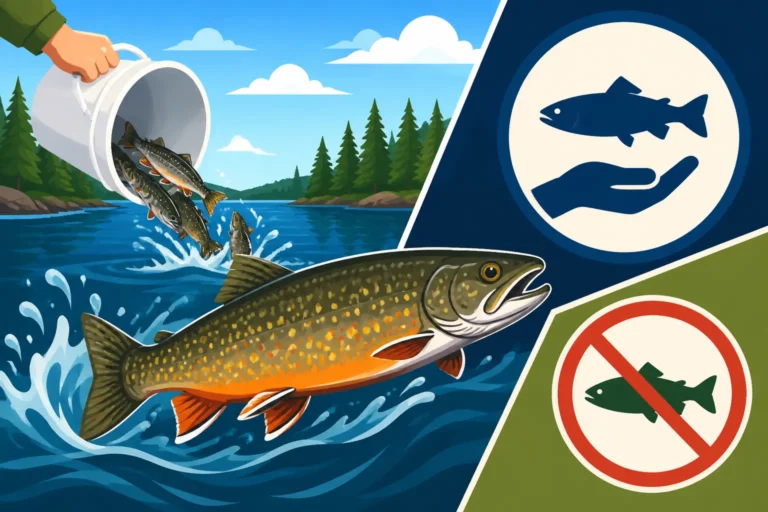
Catch and Release Only Rules
Some waters, or even specific species within certain waters, are designated as "Catch and Release Only." This means that any fish of that species, regardless of size or your license type, must be immediately and carefully released back into the water after being caught. There is no retention allowed whatsoever. These rules are usually in place for highly sensitive populations, experimental fisheries, or to maintain a trophy fishery where the value is in the angling experience, not the harvest.
When fishing in a "Catch and Release Only" water, it's also your responsibility to practice proper catch and release techniques to maximize the fish's survival rate. This includes using appropriate gear (e.g., barbless hooks), minimizing handling time, and reviving the fish properly before letting it go. Always check the summary to see if the water you are fishing is designated as such, or if your target species has this specific rule. For more details on this practice, see Ontario Catch and Release Only Waters.
Protected and Endangered Species
Ontario is home to many incredible, but sometimes vulnerable, aquatic species. The regulations summary will often include information about protected or endangered fish species. These are species that are at risk, and it is illegal to harvest, harm, or sometimes even possess them. While you might not be actively targeting them, it's possible to accidentally catch one. If you do, it is your legal and ethical responsibility to release it immediately and unharmed.
The summary might provide descriptions or images of these species to help with identification. It's a good idea to familiarize yourself with them, especially if you're fishing in areas known to host these sensitive populations. Being able to quickly and accurately identify such a fish can prevent an accidental violation and ensure you're doing your part to protect Ontario's biodiversity.
Common Confusions and How to Avoid Them
Even with the summary in hand, certain aspects of Ontario's fishing regulations tend to trip up anglers more often than others. Clarifying these common points of confusion can save you a lot of headache and ensure a smoother fishing experience.
Sport vs. Conservation License Differences
This is perhaps the most frequent area of confusion. Ontario offers two main types of fishing licenses: the Sport Fishing License and the Conservation Fishing License. The key difference lies in the catch and possession limits.
- Sport License: Generally allows for higher catch and possession limits for most species. It's designed for anglers who want the option to keep more fish within legal limits.
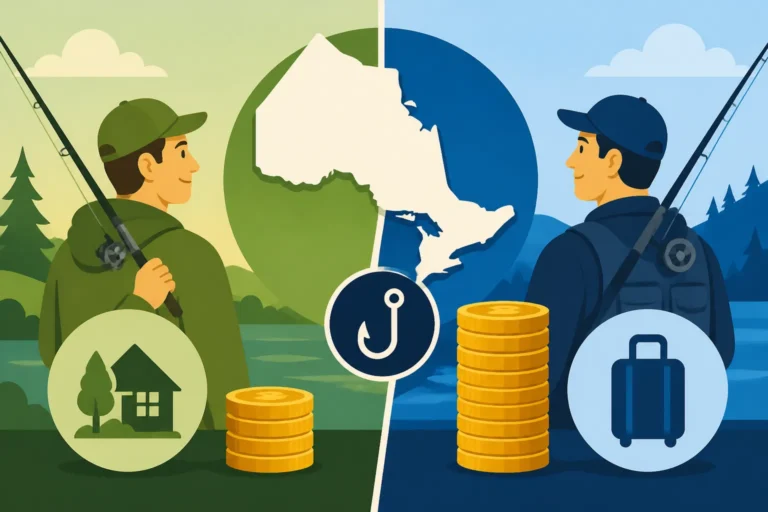
- Conservation License: Offers reduced catch and possession limits, typically about half of what a Sport license allows. This license is geared towards anglers who prioritize conservation, or who simply want to keep a few fish for a meal without needing to fill a freezer.
It's absolutely critical to know which type of license you hold, as all the daily and possession limits in the regulations summary are listed separately for each license type. Mistaking a Sport limit for a Conservation limit (or vice-versa) can easily lead to over-harvesting and a fine. Always read the tables carefully to ensure you're adhering to the limits associated with your specific license. You can delve deeper into this topic with Ontario Sport vs Conservation Fishing License.
Residency and Age Exemptions
Who needs a license and who doesn't can also be a bit murky for some. Generally, all residents and non-residents of Ontario require a fishing license to fish in the province. However, there are some important exemptions:
- Youth: In Ontario, Canadian residents under the age of 18 do not require a fishing license. However, if they wish to keep fish, they must adhere to the catch and possession limits of an adult Sport fishing license holder in their party. If they are fishing independently, they must follow the Conservation license limits. This is a common point of confusion, and clarification is available in Ontario Youth Fishing License Exemption Under 18.
- Seniors: Canadian residents aged 65 or older used to be exempt from needing a fishing license. This policy has changed. As of January 1, 2019, Canadian residents aged 65 and over do require a fishing license, although they often qualify for discounted rates. It’s important to stay up-to-date with these changes.
- Family Fishing Weekends: Ontario designates specific "Family Fishing Weekends" each year where Canadian residents can fish license-free. These are fantastic opportunities to introduce new anglers to the sport. However, all other regulations (FMZ rules, species limits, etc.) still apply during these weekends.
Always verify your specific situation against the current regulations to ensure you're compliant, especially if you fall into one of these categories or are visiting from out of province.
The Outdoors Card Explained
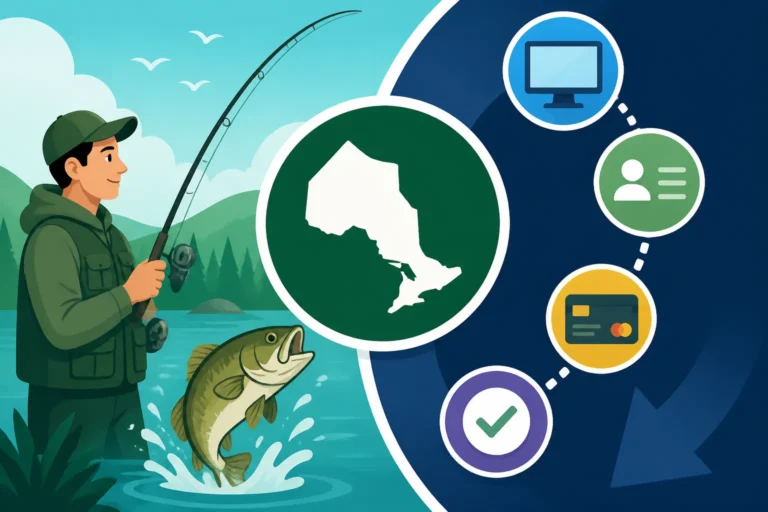
Many anglers mistakenly believe that their Outdoors Card is their fishing license. This is a common misconception. The Outdoors Card is essentially an identification card that is required to purchase and carry a valid Ontario fishing or hunting license. It's valid for three years. When you buy a fishing license, the license details are printed on or associated with your Outdoors Card. You cannot purchase a fishing license without a valid Outdoors Card number.
So, when you're asked for your "fishing license," you're really being asked for your Outdoors Card with the associated fishing license information printed on it, or accessible digitally. It's a two-part system: you need an Outdoors Card, and then you need a valid fishing license linked to that card. Make sure you understand how to obtain and maintain this critical piece of identification by consulting Ontario Outdoors Card, Explained. This system helps the MNRF track license holders and manage conservation efforts more effectively. You can purchase both your Outdoors Card and fishing license conveniently through the government's online portal or at authorized vendors.
| License Type | Features | Daily Limits (General) | Possession Limits (General) | Target Angler | Example Species (FMZ 20) Walleye |
|---|---|---|---|---|---|
| Sport | Higher limits, more harvest | Higher (e.g., 6) | Higher (e.g., 6) | Keeps more fish, trophy focus | Daily: 4, Possession: 4 |
| Conservation | Reduced limits, conservation focused | Lower (e.g., 2) | Lower (e.g., 2) | Keeps some fish for a meal, C&R | Daily: 2, Possession: 2 |
Note: The numbers in the table are illustrative general provincial limits and actual FMZ-specific limits (e.g., FMZ 20 Walleye) will vary and take precedence.
Pro Tips for Staying Compliant and Enjoying Your Trip
Navigating the Ontario Fishing Regulations Summary might seem like a lot of work, but with a few smart strategies, you can stay compliant, avoid stress, and fully enjoy the incredible fishing opportunities Ontario has to offer. It's all about preparation and having the right tools at your disposal.
Carrying Your License and Summary
This might seem obvious, but it's surprising how many anglers forget their license or a copy of the summary. It is a legal requirement to carry your valid Outdoors Card and fishing license with you at all times while fishing. This can be a physical copy or a digital version on your smartphone. If a Conservation Officer asks to see it, you must be able to present it. Not having it is the same as not having a license at all, and can result in a fine. Ensure your digital license is downloaded or screenshotted, as relying on cell service in remote areas can be risky. For tips on carrying it, refer to Printing or Carrying a Digital Fishing License in Ontario.
Similarly, while not always legally required to carry the entire summary, having access to the regulations summary (either physically or digitally) is highly recommended. You never know when you'll need to double-check a specific limit, season, or special regulation, especially if you decide to explore a new spot. A small, waterproof bag for your paper summary or a rugged, waterproof phone case (you can find many options on Amazon) for your digital version are great investments.
Utilizing Online Tools and Apps
Beyond the Fish ON-Line interactive map we discussed earlier, the Ontario government, along with various third-party developers, offers several apps and online resources to help anglers stay informed. Many apps provide quick-reference guides, summaries of regulations, and even mapping features that integrate FMZ boundaries. While these tools can be incredibly handy for on-the-water checks, always remember to prioritize the official government summary as your ultimate source of truth, as third-party apps might not always be instantly updated with the latest changes.
Additionally, keeping an eye on the MNRF's official social media channels or subscribing to their newsletters can provide real-time updates on regulation changes, fish stocking reports, or important advisories. The more informed you are, the better prepared you'll be. Setting up a dedicated folder on your smartphone for fishing-related PDFs and apps can create a convenient digital tackle box of information.
When in Doubt, Ask!
If, after all your reading and research, you're still unsure about a specific regulation, don't guess. Guessing can lead to costly mistakes. The best approach is always to ask for clarification before you cast your line.
Here are a few trusted sources:
- Ministry of Natural Resources and Forestry (MNRF): You can contact your local MNRF office or their general inquiry line. Their staff are the ultimate authorities on the regulations and are there to help anglers comply.
- Authorized License Vendors: Many bait and tackle shop owners, especially those who sell licenses, are seasoned anglers themselves and are often very knowledgeable about local regulations. They can provide practical advice and point you to the right section of the summary.
- Experienced Local Anglers: While not official sources, many local anglers are well-versed in the specifics of their home waters. Strike up a conversation at the boat ramp or local diner – just remember to cross-reference their advice with official sources if there's any doubt.
It's always better to take a few extra minutes to confirm a rule than to face the consequences of a violation. Responsible angling is about enjoying the sport while also being a good steward of our natural resources, and understanding the regulations is foundational to both.
Disclaimer
The information provided in this guide is for general informational purposes only and is not intended as legal advice. Fishing regulations in Ontario are subject to change, and specific rules can vary significantly by Fisheries Management Zone, water body, and species. Always consult the official Ontario Fishing Regulations Summary for the current year and the Fish ON-Line interactive map for the most accurate and up-to-date information before you go fishing. Failure to comply with regulations can result in fines and penalties.