How long lake trout live in Ontario
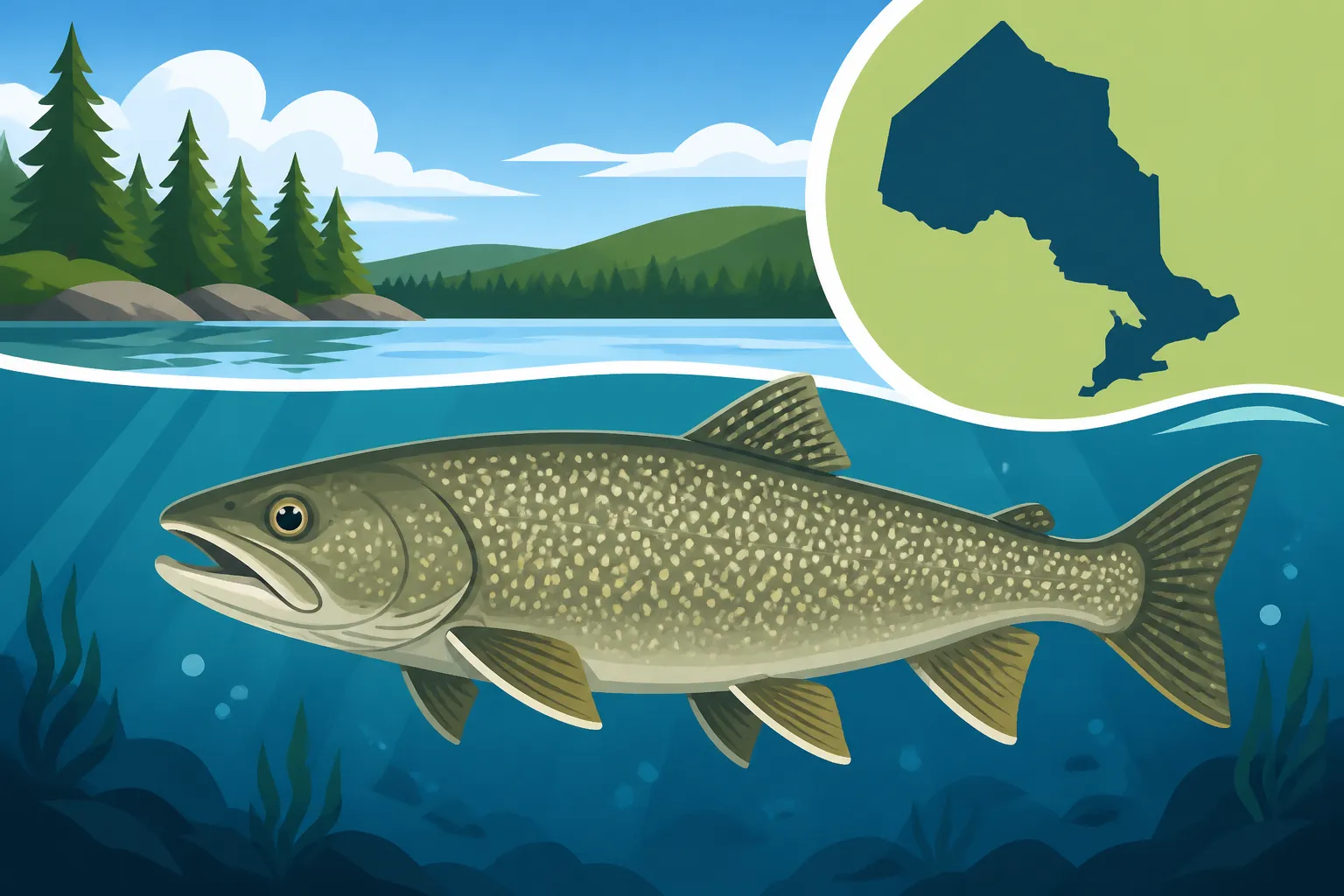
The mystique surrounding Ontario's lake trout isn't just about their impressive size or the challenge of luring them from the depths; it's also about their incredible longevity. Many anglers, myself included, have often wondered just how old that giant laker on the end of the line truly is, or how long these majestic freshwater predators can really survive in the vast, cold waters of our province. It's a natural curiosity that speaks to the resilience and unique biology of one of Ontario's most revered fish species. This guide will explore the fascinating world of lake trout lifespans, delving into the factors that allow these fish to live for decades and what it means for the future of our fisheries.
The Impressive Lifespan of Ontario's Lake Trout
When you hook into a substantial lake trout in Ontario, you're not just battling a fish; you're connecting with a living piece of history, potentially a survivor of many decades. Lake trout are renowned for their long lives, far exceeding many other popular game fish found in our waters. While the average lifespan of a lake trout in a well-managed Ontario fishery might be in the 15-20 year range, it's not at all uncommon for individuals to live much, much longer.
In some of Ontario's remote, pristine northern lakes, where conditions are optimal and fishing pressure is minimal, lake trout have been documented living for astonishing periods, often reaching 30, 40, or even over 50 years. Imagine a fish that was swimming in these waters before you were even born! This incredible longevity is a testament to their adaptability to cold, deep-water environments, where their metabolism slows, and they grow at a more deliberate pace. Compared to a fast-growing smallmouth bass, which might live 8-10 years, or a walleye topping out around 15 years, a lake trout truly stands apart as a venerable elder of the aquatic world. This slow, steady existence is a hallmark of their species, making every large lake trout a truly special catch. If you're keen to learn more about chasing these long-lived giants, check out our guide on Lake Trout Fishing in Ontario.
Key Biological and Environmental Factors Affecting Longevity
The impressive lifespan of lake trout isn't a fluke; it's a complex interplay of their inherent biology and the unique characteristics of their environment. Understanding these factors helps us appreciate why some lake trout become true behemoths and live for what seems like an eternity.
Habitat and Water Quality
Lake trout are creatures of the deep, preferring cold, oxygen-rich waters. Their ideal habitat consists of expansive, oligotrophic (nutrient-poor) lakes with significant depth, providing the thermal refuge they need, especially during warmer months. Lakes like Lake Superior, Lake Nipigon, or many of the larger, deeper bodies of water in Algonquin Park, offer these ideal conditions. The stable, cold environment allows their metabolic processes to operate at a slower rate, which directly contributes to a longer lifespan.
Conversely, lake trout in shallower, warmer, or more nutrient-rich lakes might not live as long. Increased water temperatures can stress the fish, force them into smaller thermal refuges, and make them more susceptible to disease. Poor water quality, whether from pollution or excessive nutrient runoff leading to oxygen depletion in deeper zones, can significantly reduce their ability to thrive and, by extension, their lifespan. A healthy, pristine deep-water habitat is paramount for lake trout to reach their full potential age.
Food Availability and Growth Rate
The availability of food sources plays a crucial role, but perhaps not in the way you might immediately think. While ample forage allows lake trout to grow large, a very rapid growth rate in some populations might not always correlate with maximum longevity. In truly lean, cold environments, lake trout often exhibit slower, more sustained growth. This slower growth, coupled with their low metabolic rate in cold water, seems to contribute to their extended lifespans. They are simply not "burning out" as quickly as faster-growing species.
However, a consistent and healthy food base of pelagic baitfish like ciscoes (lake herring), smelt, or sculpins is essential for them to gain the necessary energy for growth and reproduction over many years. Without adequate sustenance, they can become stunted or their overall health might decline, cutting their lives short. It's a delicate balance; enough food to thrive and grow, but not so much that it pushes their systems into overdrive. These fish have adapted to a niche where patience truly pays off in terms of years. Understanding what they prefer and where to find them can often lead to finding these longer-lived specimens; read more in What water temperature lake trout prefer.
Fishing Pressure and Mortality
Human interaction, specifically fishing pressure, is a significant factor in the actualized lifespan of lake trout in many accessible Ontario waters. While nature has designed them for longevity, a fish that is caught and harvested, or even poorly handled during a catch-and-release scenario, will not live to its biological maximum. Sustainable fishing practices are vital for protecting the older, larger lake trout, which are often the most prolific spawners and crucial for the health of the population.
Regulations such as Ontario Lake Trout Limit and Possession Rules, slot limits, and closed seasons are specifically designed to reduce mortality and allow a certain percentage of fish to grow to older ages. When anglers practice proper catch-and-release techniques, minimizing handling time, keeping the fish in the water, and using appropriate gear (like barbless hooks and strong enough tackle to land them quickly), they contribute directly to the survival of these long-lived fish. Unfortunately, an improperly released lake trout, especially from deep water without careful recompression, can suffer from barotrauma, significantly reducing its chances of survival and, thus, its potential lifespan.
Life Stages and Growth Patterns: A Journey Through Time
The journey of a lake trout from a tiny egg to a potential multi-decade behemoth is a fascinating process, marked by distinct life stages and gradual growth. Each stage presents its own challenges and opportunities for these incredible fish.
Early Life: Fry to Juvenile
The life of an Ontario lake trout begins as an egg, laid by spawning adults typically over rocky shoals in late fall. After a long incubation period through the winter, often under a blanket of ice, the eggs hatch into tiny fry in the spring. This is arguably the most vulnerable stage of their lives. These small fry are highly susceptible to predation from other fish, birds, and even invertebrates. Survival rates during this early period are critical for the overall health of the lake trout population. Lake Trout Spawning Season in Ontario details this important period.
If they survive their initial few months, they transition into juvenile lake trout. Growth at this stage can be relatively rapid, especially if there's an abundance of small crustaceans and insects for them to feed on. They will slowly begin to move into deeper waters as they grow, seeking the protection and cooler temperatures that larger lake trout prefer. The first few years are all about avoiding predators and finding enough food to fuel their growth and reach a size where they are less vulnerable.
Mature Adults: The Prime of Life
Lake trout typically reach sexual maturity between 5 and 9 years of age, depending on the productivity of their specific lake and their growth rate. Once mature, their focus shifts to both continued growth and reproduction. While their growth rate might slow down compared to their juvenile years, they continue to put on size steadily year after year. It's during this prime adult stage that lake trout truly start to develop their impressive muscle and girth, becoming the powerful fish anglers so eagerly pursue.
To achieve trophy sizes – those truly massive lake trout that make headlines – a fish must not only survive through many spawning cycles but also continue to find sufficient food and avoid natural and angling mortality. These are the fish that represent decades of survival and successful adaptation to their environment. Many of the techniques for catching these mature, larger fish involve specialized gear and knowledge, as you can read in How to Catch Lake Trout in Ontario. For those aiming for the biggest fish, understanding their habits and habitats is key. Often, the lakes known for producing these giants are found in Best Lakes for Trophy Lake Trout in Ontario.
Senior Lake Trout: The Ancient Ones
The senior lake trout are the true marvels of the species. These are the fish that have managed to navigate all the challenges of their environment for 30, 40, or even 50+ years. They are often characterized by their immense size, deep coloration, and sometimes, battle scars from a lifetime of survival. Finding one of these ancient specimens is a rare and unforgettable experience for any angler. Their incredible longevity is a direct result of living in very stable, cold, and deep environments with consistent food sources and relatively low pressure.
These elder fish typically inhabit the deepest, coldest parts of the lake, especially during the warmer months, only venturing shallower to feed or to spawn. Their survival to such an advanced age speaks volumes about the health and untouched nature of their specific habitat. Targeting these old, wise fish often involves specialized deep-water tactics, such as those discussed in Best Techniques for Deep Water Summer Lake Trout and insights into How deep to troll for lake trout in summer. When you're looking for gear that can handle the sheer power of these deep-water giants, exploring options on platforms like Amazon can be really helpful for finding heavy-duty rods, reels, and specialized deep-diving lures that can reach them.
Conservation and Management Efforts for Long-Term Survival
The long lifespan of lake trout, while impressive, also makes them particularly vulnerable to overfishing and environmental changes. Their slow growth and late maturity mean that populations take a long time to recover if depleted. This is why active conservation and careful management are absolutely crucial for ensuring these magnificent fish continue to thrive in Ontario's waters for generations to come.
The Role of Fisheries Management Zones
Ontario's vast network of lakes and rivers is divided into 20 Fisheries Management Zones (FMZs), each with its own set of specific regulations tailored to the unique ecological characteristics and fish populations within that zone. These regulations are not arbitrary; they are the result of extensive scientific research and public consultation, designed to ensure sustainable fisheries. For lake trout, this often means specific bag limits, slot limits (requiring certain size fish to be released), and sometimes even full closures during their spawning season.
By carefully managing harvest rates and protecting breeding populations, these zones aim to allow enough lake trout to survive to older ages, reproduce multiple times, and contribute to the genetic diversity and resilience of the population. Understanding the rules for the specific zone you are fishing in is paramount, and a great place to start is our comprehensive guide on Ontario Fisheries Management Zones, Explained. Always double-check the current regulations before you head out, as they can vary significantly from one lake or zone to another, and even change year to year.
Angler Practices: Catch and Release
For long-lived species like lake trout, proper catch and release practices are perhaps one of the most powerful tools anglers have to contribute directly to conservation. Every large, old lake trout successfully released back into the water has the potential to spawn again, grow larger, and inspire future generations of anglers. It's not just about adhering to the regulations; it's about ethical angling.
When practicing catch and release, consider these points:
- Minimize Fight Time: Use tackle appropriate for the size of fish you expect to encounter. A prolonged fight can exhaust a fish to the point where it struggles to recover.
- Keep Fish in the Water: Try to unhook and release fish without removing them from the water, especially if they are large. Their internal organs are not designed to support their weight out of water.
- Handle with Care: If you must handle the fish, use wet hands or a wet, knotless rubberized net. Avoid touching their gills or eyes.
- Use Barbless Hooks: These make hook removal quicker and cause less damage to the fish. You can often crimp down the barb on your existing hooks with a pair of pliers.
- Proper Revitalization: If a fish seems sluggish, hold it gently in the water, facing into a current if possible, until it kicks its tail and swims away strongly on its own.
Investing in a good quality, rubberized landing net, often available on platforms like Amazon, can make a huge difference in reducing harm to a fish you intend to release. These nets are designed to protect the fish's slime coat and fins.
Monitoring and Research
Behind the scenes, fisheries biologists and researchers are constantly working to monitor lake trout populations, assess their health, and understand the factors influencing their survival and growth. This involves various techniques, including tagging studies, age and growth analysis from scale or otolith (ear bone) samples, and population surveys using netting or electrofishing. The data collected from these studies is crucial for informing management decisions and ensuring that regulations are effective in protecting these long-lived fish.
Anglers can also contribute to these efforts by participating in voluntary angler diaries or reporting tagged fish. Every piece of information helps scientists paint a clearer picture of how lake trout populations are faring across the province and what measures are needed to ensure their continued presence for future generations.
| Factor | Impact on Lifespan | Description |
|---|---|---|
| Water Temperature | Significantly Extends | Colder water slows metabolism, reducing wear and tear on the fish's system. |
| Lake Depth | Significantly Extends | Deeper lakes provide consistent cold-water refuge, especially in summer. |
| Food Abundance | Moderate to High | Consistent, appropriate forage allows for steady growth and energy reserves without over-stressing. |
| Growth Rate | Inverse Relationship | Slower, steady growth in lean, cold environments often correlates with longer lifespans. |
| Water Quality | Significant Impact | Pristine, oxygen-rich water reduces stress and disease, supporting long-term health. |
| Fishing Pressure | Significantly Reduces | Harvest, and improper catch-and-release, directly removes fish from the population before natural end. |
| Genetics | Moderate | Individual genetic predispositions can influence growth potential and disease resistance. |
| Predation (Juveniles) | Significantly Reduces | High predation rates on young fish mean fewer individuals survive to reach older ages. |
| Disease/Parasites | Moderate to High | Outbreaks can severely impact population health and individual longevity. |
Lake trout truly are living legends of Ontario's waters, with the potential to live for many decades, growing to truly impressive sizes over their long lives. Each one is a testament to the health of its ecosystem and the successful management practices that allow it to thrive. Next time you're out on one of our beautiful, deep lakes, take a moment to appreciate the incredible journey that the lake trout beneath the surface might have taken over many, many years.
Disclaimer
This article is for general informational purposes only and does not constitute professional advice. Laws, prices and regulations vary by location and change over time. Consult a qualified professional for guidance on your specific situation.