Do Muskie Get Bigger Than Northern Pike?
One of the most common head-scratchers for anglers out on Ontario's beautiful lakes and rivers is trying to figure out if that huge toothy predator they just hooked is a monster northern pike or a budding muskellunge. It's easy to get them mixed up, especially when they're not quite at their full mature size, leading to a lot of speculation and sometimes even mistaken identity at the boat launch. This guide is here to untangle that confusion, diving deep into the fascinating world of these two incredible fish species and, crucially, settling the debate once and for all about which one generally gets bigger in our Ontario waters.
The Great Debate: Muskie vs. Northern Pike Size
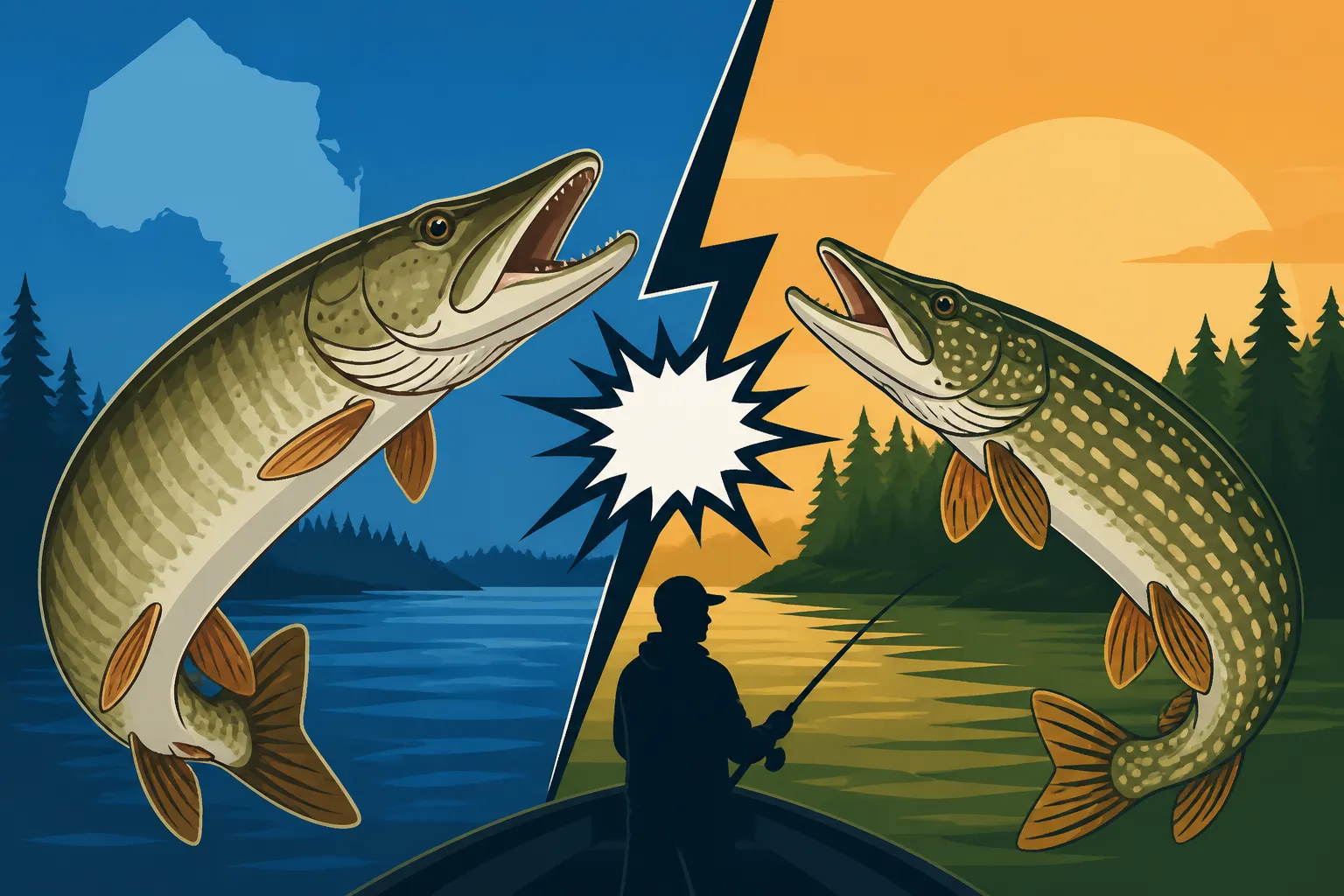
For many years, and even still today, there's a lot of chatter around the campfire and in bait shops about the ultimate size potential of muskellunge versus northern pike. Both are apex predators in their ecosystems, known for their aggressive strikes and impressive battles. They share similar long, torpedo-shaped bodies and a mouthful of sharp teeth, making initial identification tricky for the untrained eye. But when it comes to sheer mass and length, one species consistently reigns supreme.
Dispelling Common Misconceptions
It's completely understandable why anglers, especially those new to Ontario fishing, might confuse a large northern pike for a muskie, or vice versa. A 40-inch northern pike is an absolute giant, a true trophy for any angler, and certainly looks imposing enough to be considered a 'muskie' by some. These magnificent fish have powerful shoulders and a girth that makes them appear incredibly formidable. Often, the excitement of landing such a fish can override careful observation, leading to a quick photo and an enthusiastic, albeit incorrect, claim of a muskie.
Conversely, a smaller muskie, perhaps in the 30-inch range, might be dismissed as "just a pike" by someone who hasn't encountered the true behemoths of the muskie world. This underestimation can happen when anglers are accustomed to seeing smaller pike and don't recognize the distinctive markings or fin structure of a juvenile muskie. The subtle differences become more apparent with experience, but without that knowledge, it's easy to make an honest mistake. Understanding the nuances is key to appreciating both species for what they are.
The Truth About Their Potential
Let's cut right to the chase: In Ontario, and indeed across their natural range, muskellunge (muskie) generally grow significantly larger than northern pike. While northern pike can reach very impressive sizes, often topping out in the low to mid-40-inch range and occasionally exceeding 20 pounds, muskies have a much higher ceiling. They are truly the giants of the freshwater world, capable of reaching lengths well over 50 inches and weights exceeding 50 pounds, with some legendary catches pushing even higher.
The difference isn't just in the absolute maximum size, but also in the average trophy size. A "trophy" northern pike might be considered 40 inches, whereas a trophy muskie often starts at 50 inches. This distinction is crucial for anglers setting their sights on these formidable fish. While both are incredible sportfish, the muskie holds the title for ultimate size in most, if not all, Ontario waters.
Understanding Ontario's Muskellunge: Built for Power and Size
The muskellunge, often simply called "muskie," is a fish of dreams and legends for many anglers. Its sheer size, predatory nature, and elusive habits make it one of the most challenging and rewarding freshwater species to pursue. These fish are true apex predators, designed for explosive power and impressive bursts of speed to ambush their prey. They command respect, and for good reason—landing a trophy muskie is often a culmination of years of dedication.
Average Size and Record Potential
In most Ontario muskie waters, a common catch might range from 30 to 45 inches. These are respectable fish, and offer a thrilling fight. However, the true glory of muskie fishing lies in their potential to reach monumental proportions. Fish in the 50-inch class are caught regularly in prime muskie lakes, and these are truly awe-inspiring creatures. A 50-inch muskie can weigh anywhere from 30 to over 40 pounds, depending on its girth and overall health. Ontario holds a number of Ontario Provincial Fish Records by Species, and the muskie category is certainly one to behold.
The absolute record potential for muskie in Ontario typically pushes past the 50-pound mark, with some legendary fish caught nearing or even exceeding 60 pounds. These are not everyday catches, of course, but the fact that such giants exist drives the passion of many muskie anglers. To pursue these giants, you'll need specialized gear, including heavy-duty rods and reels capable of handling massive lures and powerful fish. You can find robust options for muskie fishing on platforms like Amazon, ensuring you're well-equipped for the fight of a lifetime.
Factors Influencing Muskie Growth
Several factors contribute to a muskie's impressive growth rate and ultimate size. Firstly, their diet is critical. Muskies are voracious eaters, preying on a wide variety of fish, including suckers, perch, walleye, and even smaller pike. They need an abundant food source to sustain their rapid growth. What muskie eat in Georgian Bay provides a great insight into their dietary preferences in one of Ontario's prime muskie fisheries. Secondly, water temperature and habitat play a significant role. Muskies prefer cool, clear water with ample cover, such as weed beds, rock structures, and submerged timber, which offer ambush points. Lakes with vast expanses and deep, cool zones, like parts of Georgian Bay or Lake St. Clair, are often prime muskie territory.
Finally, genetics and age are huge factors. Muskies are relatively long-lived fish, capable of surviving for 15 to 30 years or even longer in ideal conditions. This extended lifespan allows them ample time to grow to incredible sizes. Older, larger fish often have the best genetics for size, passing those traits on to their offspring. Effective Muskellunge Fishing in Ontario conservation practices, including catch-and-release policies, are also vital to ensuring these big, old fish continue to thrive and grow, contributing to a healthy population of trophy-sized muskies. The practice of careful release is paramount for muskie. Is It Legal to Release a Muskie You Catch in Ontario? is a question often asked, and the answer is usually yes, with strong encouragement for proper handling to ensure survival.
Identifying a True Muskie
While the general rule of thumb is that muskie get bigger, knowing how to tell a muskie from a northern pike is crucial, especially when you're targeting a specific species. Beyond overall size, there are distinct physical characteristics. Muskies typically have dark markings (spots, bars, or blotches) on a lighter background, whereas pike generally have lighter, bean-shaped spots on a darker body. However, coloration can vary significantly, making this a less reliable method in some cases.
The most consistent distinguishing feature lies in the scales on their cheek and gill cover. A muskie has scales only on the upper half of its cheek and gill cover. A northern pike, on the other hand, will have scales covering its entire cheek and at least the upper half of its gill cover. This is a subtle but definitive difference. Additionally, muskies generally have five or more sensory pores on each side of their lower jaw, while pike usually have five or fewer. These features are best observed up close, safely, of course. For more detailed guidance, checking out a resource like How to tell a muskie from a northern pike can be incredibly helpful.
Northern Pike in Ontario: Fierce, Abundant, and Often Big
Northern pike are one of Ontario's most widespread and popular game fish. Known for their aggressive strikes, sharp teeth, and willingness to chase a variety of lures, pike offer exciting action for anglers of all skill levels. While they might not reach the gargantuan sizes of muskies, a big northern pike is still a formidable adversary and a truly impressive catch. They are a cornerstone of many fishing experiences across the province, from small backcountry lakes to vast northern expanses.
Typical Pike Dimensions and Trophy Specimens
Most northern pike caught in Ontario waters will fall into the 20 to 30-inch range, offering plenty of fun and a good fight. However, don't let that fool you—pike have the potential to grow significantly larger. Fish exceeding 35 inches are considered excellent catches, and those pushing or surpassing the 40-inch mark are true trophies. These "gators," as they are sometimes affectionately called, possess immense power and girth, often weighing into the high teens or even over 20 pounds.
While a 20-pound pike is a fantastic fish, it's important to remember that such specimens are less common than their muskie counterparts in the same weight class. The Ontario provincial record for northern pike stands at an impressive weight, but generally remains below the top-tier muskie records. Still, the thrill of battling a large pike, especially one that hits a topwater lure or spoons with savage aggression, is an experience every angler cherishes. Northern Pike Fishing in Ontario offers more insight into these feisty predators.
Pike Habitat and Diet's Role in Size
Northern pike are incredibly adaptable, thriving in a wide range of habitats across Ontario. They can be found in shallow, weedy bays of large lakes, slow-moving rivers, and even smaller, isolated ponds. They prefer areas with abundant cover, such as dense submerged vegetation, fallen logs, and undercut banks, from which they can ambush unsuspecting prey. This versatility means they are accessible to many anglers and can be targeted in diverse environments. Northern Pike Waters in Ontario highlights some of the best places to find them.
Their diet is equally varied, consisting primarily of other fish like minnows, perch, and suckers, but they are also opportunistic and will strike at frogs, ducklings, and even small rodents if the opportunity arises. An abundant and diverse forage base is crucial for pike to reach their maximum size potential. Lakes with healthy populations of various baitfish tend to produce bigger, healthier pike. Their willingness to strike at almost anything makes them a blast to fish for. If you're looking for gear to tackle these aggressive fish, even simple spinnerbaits and spoons can be found readily on Amazon.
Telling a Pike Apart
Identifying a northern pike is generally straightforward once you know what to look for, especially when comparing it to a muskie. As mentioned, pike usually have light, horizontal, bean-shaped spots on a darker body, which can sometimes appear as irregular bars. The key differentiator is often the scale pattern on the cheek and gill cover: a northern pike has scales covering its entire cheek and at least the upper half of its gill cover. This contrasts with the muskie's more limited scale coverage.
Another tell-tale sign is the number of pores on the underside of the jaw. Northern pike typically have five or fewer pores on each side of their lower jaw, a reliable characteristic that helps distinguish them from muskie. Their dorsal and anal fins are also typically more rounded than those of a muskie. Observing these features carefully, along with understanding the typical size ranges, will help you confidently identify your catch.
Side-by-Side: A Direct Comparison of Muskie and Pike Attributes
To truly appreciate the differences and similarities between these two incredible freshwater predators, a direct comparison is incredibly helpful. While they both belong to the Esocidae family (the pikes), they are distinct species with their own unique characteristics that go beyond just size. Understanding these attributes will not only help you identify your catch but also refine your fishing strategies.
Key Physical Differences Beyond Length
| Feature | Muskellunge (Muskie) | Northern Pike |
|---|---|---|
| Max Size Potential | >50 inches, >50 pounds (often significantly larger) | ~45 inches, ~25 pounds (occasionally larger) |
| Body Markings | Dark spots, bars, or blotches on a lighter background | Light, bean-shaped spots on a darker background |
| Cheek Scale Coverage | Upper half of cheek scaled, lower half bare | Entire cheek scaled |
| Gill Cover Scale Coverage | Upper half of gill cover scaled, lower half bare | Upper half of gill cover scaled, lower half bare (similar to muskie) |
| Chin Pores | 5 or more pores on each side of lower jaw | 5 or fewer pores on each side of lower jaw |
| Tail Fin | More pointed lobes, often slightly more forked | More rounded lobes |
| Overall Build | Often thicker, more robust body at larger sizes | Generally more slender, though large pike can be girthy |
This table provides a quick visual reference for the primary distinguishing features. Remember, while size is a good indicator, it's the combination of these physical characteristics that offers the most reliable identification. For instance, even a smaller muskie will have the characteristic cheek and jaw pore pattern, which is more accurate than relying solely on coloration.
Behavioral and Habitat Distinctions
Muskies and northern pike, despite their similarities, often exhibit subtle differences in behavior and preferred habitat, especially at different life stages. Muskies, particularly trophy-sized individuals, tend to be more solitary and prefer larger, deeper lakes or rivers with extensive cover and a stable, high-quality forage base. They are often found lurking near structure, patiently waiting for a meal. Their elusive nature is part of their mystique, making them a true challenge to target.
Northern pike, on the other hand, are often more tolerant of varying water conditions and can be found in a wider range of habitats, including smaller, shallower, and even somewhat murkier waters. They are often found in numbers, particularly in productive weed beds. While large pike can be solitary, they are generally considered less particular about their territory than muskies. Both species are ambush predators, but pike can sometimes be found more actively cruising shallow areas, especially during cooler periods. Understanding these behavioral nuances can help you predict where you might find each species.
Fishing Implications of Their Size and Aggression
The size and aggressive nature of both fish have significant implications for anglers. For northern pike, a medium-heavy spinning or baitcasting setup is often sufficient, capable of handling spoons, spinnerbaits, and medium-sized crankbaits. Their abundance and willingness to strike make them fantastic targets for recreational anglers and a great way to introduce newcomers to fishing. Best Techniques for Early Spring Pike can get you started on some effective approaches for these feisty fish.
Muskie fishing, however, is often a more specialized pursuit. Due to their immense size and powerful fights, muskie anglers typically employ heavy-duty baitcasting setups, using much larger lures such as oversized bucktails, glide baits, and massive crankbaits, some of which can be quite pricey but are often available through retailers like Amazon. The focus is often on covering water, making hundreds or thousands of casts a day, in the hopes of enticing one of these giants. Landing a muskie requires not only powerful gear but also specialized techniques, like the "figure-eight" boatside maneuver, to seal the deal. For those pursuing these leviathans, gear selection is paramount, and many anglers invest in top-tier Best Muskie Gear for Ontario Waters to ensure they're ready for the battle.
Ultimately, while both the muskellunge and northern pike offer incredible fishing experiences in Ontario, the muskie holds the crown for ultimate size potential. Both species demand respect and proper handling, especially when practicing catch and release, to ensure healthy populations for future generations of anglers.
Disclaimer
This article is for general informational purposes only and does not constitute professional advice. Laws, prices and regulations vary by location and change over time. Consult a qualified professional for guidance on your specific situation.