What lures imitate the baitfish walleye eat
Choosing the right lure for walleye fishing in Ontario can sometimes feel like trying to crack a secret code, especially when you're staring at an overwhelming wall of tackle in the store or scrolling through countless options online. It's frustrating to invest in lures that don't produce, and often, the key to success lies in understanding what those elusive walleye are actually eating and then selecting lures that perfectly mimic their natural prey. This guide will walk you through the various baitfish walleye feed on across Ontario's diverse waters and help you pick the best artificial lures to fool them.
Understanding Walleye Foraging Habits in Ontario
Walleye are opportunistic predators, but they are also quite selective at times, especially when there's an abundance of a particular baitfish. To truly excel at walleye fishing, you need to think like a walleye, or rather, think like the food a walleye would be interested in. Their diet can vary significantly based on the body of water, the time of year, and even the time of day. What a walleye is feasting on in Lake Erie might be completely different from a fish in a smaller, isolated Northern Ontario lake.
Common Baitfish Species on the Walleye Menu
Across Ontario, walleye have a diverse palate. Some of their staple food sources include various minnow species, juvenile perch, smelt, and in larger, deeper lakes, even ciscoes or lake herring. Knowing which of these are prevalent in your fishing zone is your first step. For instance, in vast bodies like Lake Erie, shiners and smelt are major forage, leading walleye to often prefer slender, silver-coloured presentations. Conversely, in a lake teeming with yellow perch, a perch-patterned lure can be incredibly effective.
During different seasons, the availability and size of these baitfish change. In spring, after ice-out, walleye might be keying in on smaller, slower-moving minnows or even insect larvae as they recover from the spawn. By summer, with warmer water and faster metabolism, they're often chasing larger, more active baitfish. This seasonal shift is crucial for adapting your lure selection and presentation, ensuring your offering looks like an easy, appealing meal. Understanding this natural cycle is like having an insider tip on where to start when you're trying to figure out How to Catch Walleye in Ontario.
The Importance of Matching the Hatch
Anglers often talk about "matching the hatch" in fly fishing, but the concept is just as vital for walleye. This means choosing a lure that closely resembles the size, shape, colour, and action of the predominant baitfish that walleye are feeding on at that particular moment. It’s not just about what could be there, but what is there. For example, if you're fishing a lake known for a strong population of emerald shiners, selecting a lure with a similar iridescent silver-green hue and slender profile will likely outperform a bright orange bait, even if walleye sometimes hit orange. Keep an eye on your sonar for baitfish schools, or even when cleaning your catch, check their stomach contents – it's a direct clue!
Mimicking Common Walleye Baitfish with Lures
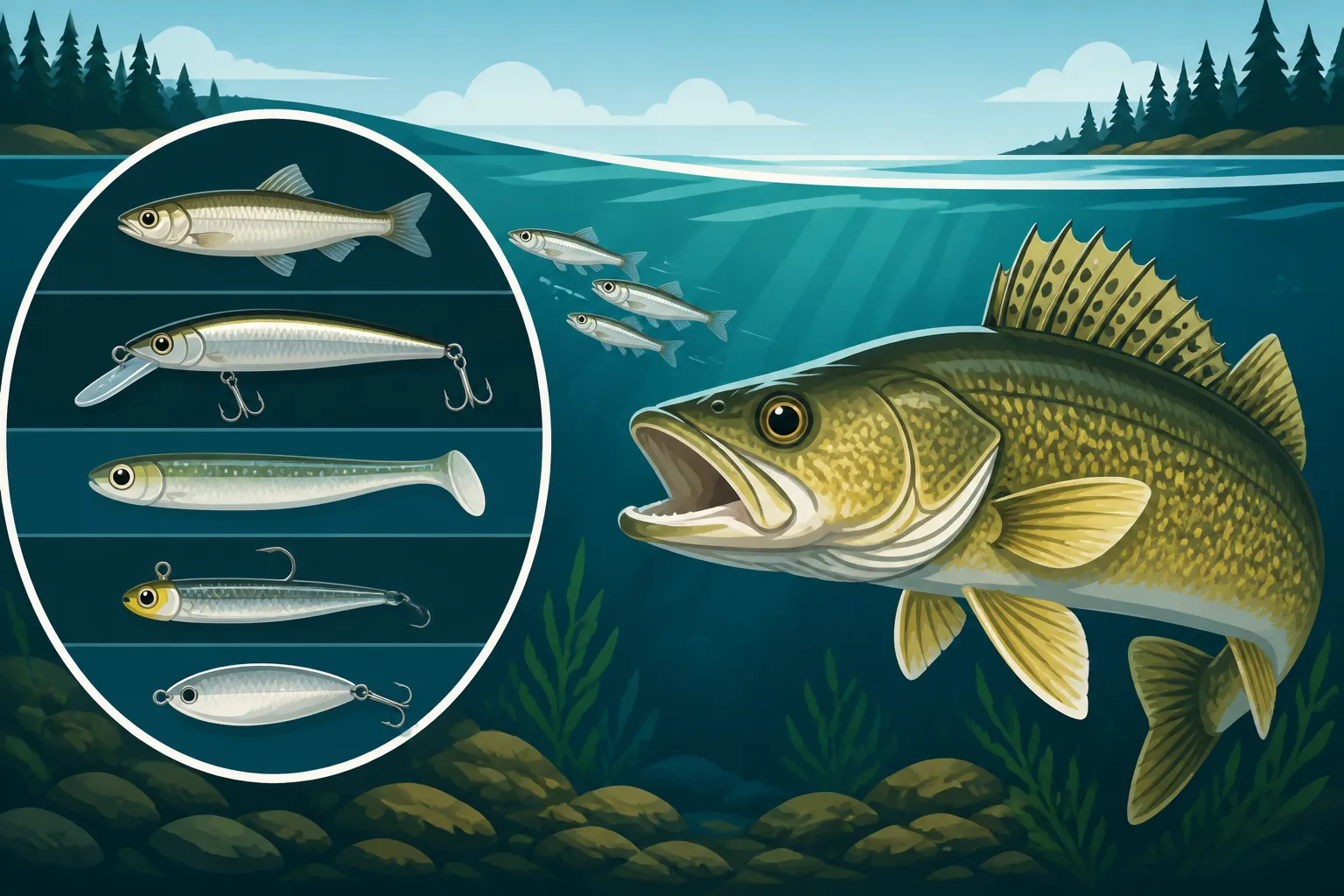
Once you have a handle on what baitfish walleye are targeting, the next step is to select artificial lures that imitate these natural food sources. The beauty of modern tackle is the incredible variety available, designed to replicate everything from a darting minnow to a struggling perch.
Minnow and Shiner Imitations: Jerkbaits, Soft Plastics, and Jigs
Minnows and shiners are arguably the most common food source for walleye across much of Ontario. These slender, silvery fish are often found in schools, making them an easy target.
- Jerkbaits/Stickbaits: These are absolute workhorses for mimicking minnows. Think of classic suspending jerkbaits or floating models. Brands offer a huge range of sizes and colours. When twitched and paused, they dart erratically, then suspend or slowly rise, perfectly imitating an injured or disoriented minnow. This action is incredibly enticing, especially in cooler water or when walleye are a bit finicky. For deeper water or trolling, you'll find models with longer bills that dive to impressive depths. Many anglers stock up on their favourite jerkbait colours through online retailers like Amazon, ensuring they have the right bait for any condition.
- Soft Plastic Swimbaits: These are incredibly versatile. Paddle-tail swimbaits, rigged on a jig head, offer a fantastic swimming action that looks just like a fleeing minnow. The subtle vibration of the tail, combined with a realistic profile and often embedded scent, can be irresistible. They come in various sizes, allowing you to match the average size of the baitfish. Pearl white, silver, grey, and natural shad colours are generally strong performers.
- Jig and Plastic Combinations: A simple jig head paired with a straight-tail or curly-tail grub can also effectively imitate a minnow. The key here is the retrieve. A slow, subtle jigging motion or a steady retrieve can make that plastic look like a minnow swimming along the bottom or through the water column. This setup is particularly effective when walleye are holding tight to structure or in current.
Perch and Panfish Imitations: Crankbaits and Blade Baits
In many Ontario lakes, particularly those with good cover, juvenile yellow perch and other panfish (like crappie or bluegill) are a significant part of the walleye diet. These baitfish have a deeper body profile than minnows and distinct colour patterns.
- Diving Crankbaits: Crankbaits with a wider, deeper profile, especially those in perch or firetiger patterns, are fantastic for imitating panfish. The aggressive wobble and vibrant colours of these baits can trigger an attack, particularly when walleye are feeding actively. Deeper diving models are great for targeting walleye suspended over structure or cruising along breaks where perch often congregate. Finding specific patterns can sometimes be a challenge locally, but you can usually track down a wide selection of these crankbaits on Amazon.
- Blade Baits: While not strictly a perch imitation in shape, the vibration and flash of a blade bait can effectively mimic a struggling baitfish, including a panfish. When jigged, they vibrate intensely on the lift and flutter on the fall, making them excellent for vertical presentations, especially around schools of perch or suspended walleye. Their compact size makes them ideal for feeling bites in deeper water or strong currents.
Alewife, Smelt, and Ciscoe Imitations: Spoons and Larger Profile Baits
In larger, deeper lakes like the Great Lakes or some of the vast reservoirs of Northern Ontario, walleye often feed on pelagic baitfish such as alewives, smelt, or ciscoes (lake herring). These are typically found in open water, often suspended, and can grow to a considerable size.
- Jigging Spoons: Metallic jigging spoons, like the Silver Streak or Williams Wabler, are fantastic for imitating these open-water baitfish. Their fluttering action on the fall precisely mimics an injured or dying fish. They are especially effective when walleye are suspended beneath schools of baitfish, and you can drop them right into the strike zone. Trolling spoons are also popular on the Great Lakes, where they imitate alewives or smelt as they're pulled through the water.
- Larger Jerkbaits/Crankbaits: When walleye are feeding on larger baitfish like mature smelt or juvenile ciscoes, don't be afraid to size up your lures. Longer jerkbaits or deep-diving crankbaits with a more substantial profile can be incredibly effective, especially when trolled through open water where these baitfish reside. The colours often lean towards silvery-blue or natural shiner patterns. Best Baits for Walleye on Lake Erie often involves larger, silver baits to match the prevalent alewife and smelt.
| Baitfish Type | Best Lure Imitations | Key Characteristics to Match | Typical Presentation |
|---|---|---|---|
| Minnows/Shiners | Jerkbaits, Soft Plastic Swimbaits, Jig & Grub combos | Slender profile, silver/green | Twitch-pause, steady retrieve |
| Perch/Panfish | Deep-diving crankbaits (perch patterns), Blade Baits | Deeper profile, barred patterns | Aggressive wobble, vertical jig |
| Alewives/Smelt/Ciscoes | Jigging spoons, Large jerkbaits, Trolling spoons | Slim to medium profile, silver/blue | Fluttering fall, open water troll |
| Crayfish (secondary) | Jigs with plastic trailers, Football jigs | Bottom-dwelling, dark colours | Bouncing, dragging on bottom |
Matching Lure Action and Presentation to Walleye Behavior
Beyond just looking like a walleye's meal, your lure needs to act like one. The way you present your lure can often be the difference between a successful outing and a quiet one. Walleye aren't always actively chasing down prey; sometimes, they're looking for an easy meal, which often means an injured or disoriented baitfish.
Imitating Injured or Disoriented Baitfish
Walleye, like many predators, are drawn to weakness. An injured baitfish struggling to swim or falling through the water column is a prime target.
- Twitch-Pause Retrieve: This is quintessential for jerkbaits. A series of short twitches followed by a significant pause allows the lure to dart erratically and then suspend motionless, perfectly imitating a dying minnow. This technique is particularly effective in cold water or during a tough bite when walleye are sluggish. Experiment with the length of your pauses; sometimes a 10-second pause is what it takes.
- Fluttering Fall: Jigging spoons excel here. Dropping a spoon and allowing it to flutter down mimics a baitfish that has lost its equilibrium. Many walleye strikes on spoons occur on the fall, so paying attention to slack line and sensitive rod tips is crucial. This is a classic tactic for Ice Fishing in Ontario for walleye and lake trout, where a vertical presentation is key.
- Slow Roll/Drag: Soft plastic swimbaits or grubs on a jig head can be slowly retrieved or even dragged along the bottom to imitate a bottom-dwelling minnow or a struggling fish. This method is effective when walleye are tight to the bottom structure.
Mimicking Active or Fleeing Baitfish
Sometimes, walleye are in an aggressive mood and are actively chasing down schools of bait. In these situations, a more active presentation is warranted.
- Steady Retrieve: For crankbaits, a consistent retrieve speed, sometimes varied with short bursts, can imitate a healthy baitfish swimming through the water. The lure's built-in wobble and vibration do the work, attracting attention. This is often effective when covering large flats or trolling open water.
- Fast Jigging: For blade baits or even some soft plastics, a more aggressive, faster jigging motion can make your lure look like a frantic baitfish trying to escape. This can trigger reaction strikes from active walleye, especially when they are schooled up and competing for food.
Adjusting to Walleye Temperament
It's not just about the baitfish; it's also about the walleye's mood. On a high-pressure day, after a cold front has moved through, walleye can become lethargic and less willing to chase. This is when a more subtle, injured baitfish presentation will shine. Conversely, on a warm, stable summer evening, an aggressive, fast-moving crankbait might be exactly what they're looking for. Always be willing to experiment with your retrieve speed and pause duration until you find what the fish are responding to. This adaptability is what separates good anglers from great ones.
Seasonal and Water Conditions Considerations
The behaviour of baitfish and walleye alike is heavily influenced by the environment. Water temperature, clarity, and time of year all play a massive role in where walleye are found and what they’re willing to strike. A lure that's hot in spring might be completely ignored in summer.
Spring: Post-Spawn and Emerging Forage
As the ice recedes and water temperatures slowly climb, walleye finish their spawning rituals. They're often in a recovery phase and will be found in shallower areas, rivers, and bays where water warms fastest. The baitfish during this time are often smaller and less active.
- Lure Selection: Focus on smaller profile minnow imitations. Suspending jerkbaits with long pauses are excellent, as are jig-and-plastic combinations (think 1/8 to 1/4 ounce jigs). Subtle presentations are key. Natural colours like silver, white, and light green are often effective. Look for shallow areas where baitfish are congregating for warmth. For specific dates, consult Ontario Walleye Opener Dates by Zone.
- Presentation: A slow, deliberate retrieve is crucial. Walleye are still sluggish from the cold water and spawning efforts. Think subtle twitches and extended pauses. They're not going to chase a fast-moving bait far.
Summer: Warm Water and Active Feeding
Summer sees walleye spread out, often moving to deeper water, weed lines, and structural elements like humps and points as water temperatures peak. Baitfish are abundant and more active, and walleye are often aggressively feeding.
- Lure Selection: This is prime time for a wider range of lures. Deep-diving crankbaits in perch, shad, or chrome patterns can be incredibly effective when trolling or casting to structure. Larger soft plastic swimbaits on heavier jig heads, or even jigging spoons, work well for fish suspended in deeper water or relating to thermoclines. Don't shy away from brighter colours or more aggressive patterns if the water has some stain.
- Presentation: You can often speed up your retrieves during summer. Trolling at faster speeds with crankbaits can cover water and find active fish. Vertical jigging over deep structure with spoons or heavy jigs can be highly productive, especially during the brighter parts of the day. Understanding How deep walleye go in summer will greatly aid your lure choice and presentation.
Fall: The Pre-Winter Feast
As autumn arrives and water temperatures begin to cool, walleye enter a "feed-up" mode, packing on calories for the long winter ahead. Baitfish schools often consolidate, and walleye will follow them, sometimes moving into shallower areas again, especially during low light, or remaining deep on structure.
- Lure Selection: Think bigger and bolder. Walleye are often looking for a substantial meal. Large jerkbaits, deep-diving crankbaits, and big swimbaits are all excellent choices. Perch, cisco, or smelt patterns are particularly effective if those baitfish are present. Don't forget jigging spoons for deeper holding fish. This is often the time when you might try targeting Trophy walleye waters in Ontario with larger presentations.
- Presentation: Similar to summer, active presentations can work well, but you might need to slow down a bit as the water cools further into fall. Trolling remains a top technique, especially along breaklines and points where walleye ambush migrating bait. Casting and retrieving large minnow-imitating crankbaits or swimbaits can also be very productive.
Winter: Under the Ice
Ice fishing for walleye in Ontario is a beloved tradition. Under the ice, walleye tend to slow down, conserving energy, but they still need to feed.
- Lure Selection: Vertical jigging lures are paramount. Jigging spoons, horizontal jigging lures (like Jigging Raps), and small soft plastics on lighter jig heads are standard fare. Live bait, such as minnows, fished on a plain hook or small jig, is also extremely popular and effective. Often, you're trying to imitate tiny, injured baitfish or even invertebrates that walleye might be nibbling on.
- Presentation: Slow, subtle jigging is usually the most effective. Small lifts and drops, with pauses, are key. Watch your flasher or sonar closely for any marks approaching your lure. Walleye bites can be incredibly subtle through the ice, often feeling like just a slight pressure or a "mushy" feeling. You'll find a wide array of specialized ice fishing lures, including many effective ones, available through online sources like Amazon.
Other Factors Influencing Lure Choice
While baitfish imitation is paramount, a few other factors can influence which lure gets hit and which doesn't.
Water Clarity
The clarity of the water drastically affects a walleye's ability to see your lure.
- Clear Water: In very clear lakes, walleye rely heavily on sight. You'll want more natural, translucent colours and realistic patterns that accurately mimic the actual baitfish. Fluorocarbon leaders can also be beneficial in reducing line visibility. Think subtle browns, greens, and silvers.
- Stained or Murky Water: In darker, stained, or muddy water, walleye rely more on lateral line vibrations and smell. Brighter, more aggressive colours like chartreuse, orange, and firetiger can stand out. Lures with a strong vibration or rattling noise can also be very effective, helping walleye locate your bait even if they can't see it clearly. This is often where a strong vibration of a lipless crankbait or a thumping crankbait excels.
Light Conditions and Time of Day
Walleye are often most active during low-light conditions – dawn, dusk, and even into the night. Their large eyes are designed to gather light, giving them an advantage over their prey.
- Low Light/Night Fishing: During these times, lures with strong silhouettes or those that emit vibrations are excellent. Dark colours (black, purple) can create a strong silhouette against the dim sky, making them visible from below. Lures with rattles can also draw attention. Glow-in-the-dark or UV-enhanced lures can also be very effective. This is particularly relevant for Night Fishing for Walleye in Ontario, where the tactics shift significantly.
- Bright Sun: In bright sunlight, especially in clear water, metallic lures that flash and reflect light can be potent. Chrome, silver, or highly reflective patterns can mimic the flash of baitfish. However, sometimes a more subtle, natural approach is needed to avoid spooking the fish.
Ultimately, the best lure is the one that convinces the walleye that it's a vulnerable, easy meal. By understanding what walleye are feeding on, how those baitfish behave, and how environmental conditions influence both predator and prey, you can make informed decisions that significantly increase your chances of success on the water. Don't be afraid to experiment, and always pay attention to what the fish are telling you!
Disclaimer
This article is for general informational purposes only and does not constitute professional advice. Laws, prices and regulations vary by location and change over time. Consult a qualified professional for guidance on your specific situation.