Are There Protected or Endangered Fish Species in Ontario?
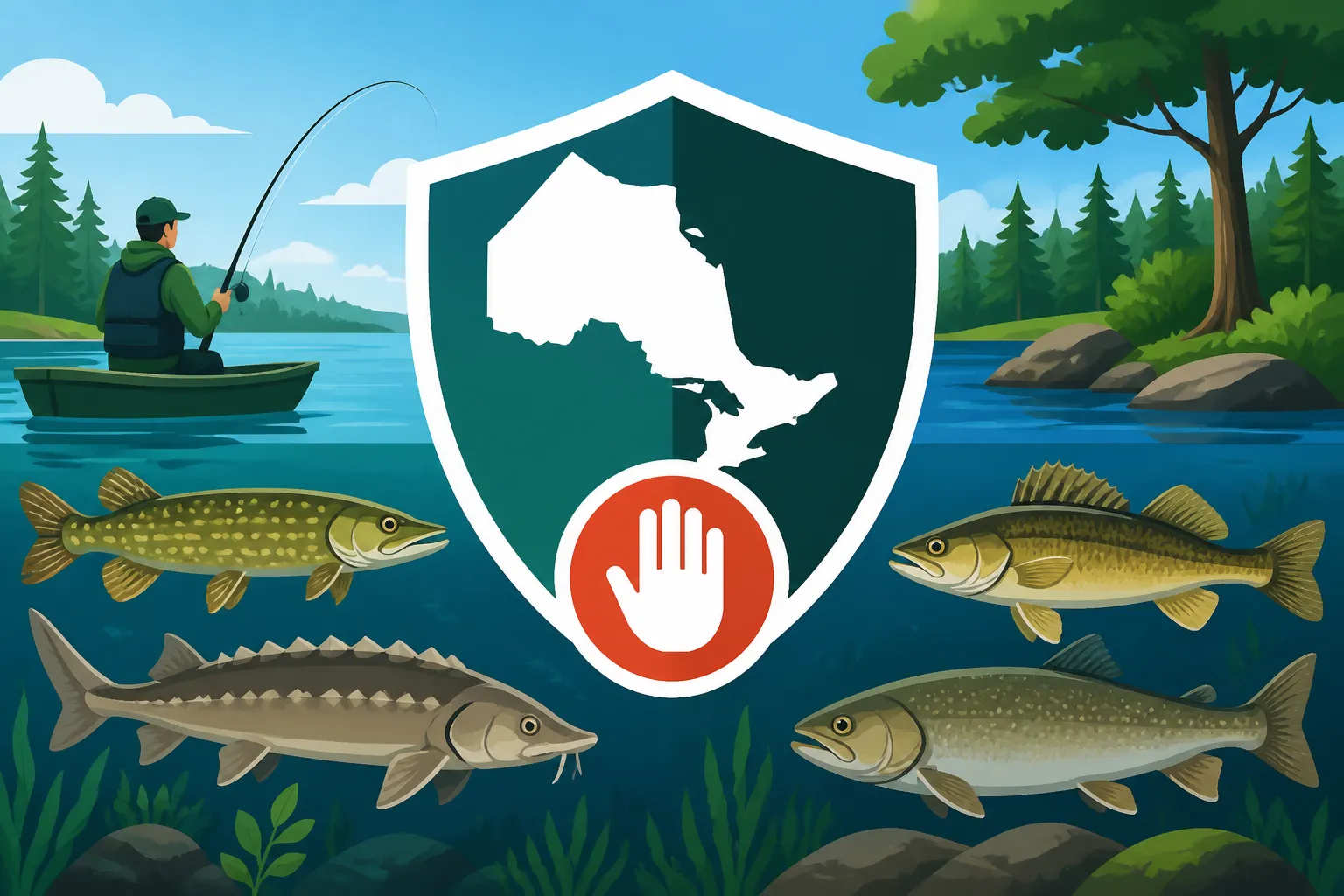
It's easy to look at Ontario's seemingly endless lakes and rivers, teeming with incredible fishing opportunities, and assume that every species is thriving. But the reality is a little more nuanced. Just like any natural ecosystem, our beloved Ontario waters face pressures, and unfortunately, some of our fish species are struggling, requiring special protection. This guide will walk you through which fish species are considered protected or endangered in Ontario, why they're facing challenges, and most importantly, what you, as a responsible angler, can do to help safeguard them for future generations.
Why Are Fish Species in Ontario Becoming Vulnerable?
When we talk about fish species becoming vulnerable, it’s not usually one single factor that causes the decline. Instead, it’s a complex web of environmental changes and human impacts that put immense stress on fish populations. Understanding these pressures is the first step in being part of the solution. It's easy to feel overwhelmed, but every small effort contributes to a healthier ecosystem.
Habitat Loss and Degradation
One of the biggest culprits behind declining fish populations is the loss and degradation of their natural homes. Think about it: fish need specific types of habitat for different life stages—spawning, feeding, and seeking refuge from predators. When these critical areas are destroyed or altered, it impacts their ability to survive and reproduce.
Consider the ongoing urban sprawl around major population centers like the Greater Toronto Area. Creeks and rivers that once meandered through natural floodplains, providing vital spawning grounds for species like the Redside Dace, are now channelized, paved over, or lined with concrete. This not only eliminates critical habitat but also increases water temperature fluctuations and pollutants washing into the system. Similarly, agricultural expansion often leads to the draining of wetlands, which are crucial nurseries for many fish species, and increased sedimentation in rivers from tilled fields can smother delicate spawning beds. When a river is dammed, it fragments habitat, preventing fish from accessing historical spawning runs or isolating populations from each other, which can lead to genetic weakening.
Invasive Species and Competition
Ontario's waters, particularly the Great Lakes, have been profoundly impacted by invasive species. These are non-native plants and animals that are introduced, often accidentally, and then outcompete or prey upon native species. It’s a classic case of an unwelcome guest taking over the house.
For instance, the Round Goby, accidentally introduced from Europe via shipping, has become a significant problem. These aggressive little fish compete directly with native bottom-dwellers for food and habitat, and they're also known to prey on the eggs of sport fish like Smallmouth Bass and Walleye. Zebra and Quagga mussels, another notorious invasive species, dramatically alter water clarity, which can change food webs and negatively impact native species accustomed to murkier conditions. Even though clearer water might seem good to us, it changes the entire ecosystem that native fish have evolved to thrive in. Anglers can read more about Round Goby: Ontario's Invasive Great Lakes Fish. Preventing the spread of these species is crucial, and it means always cleaning your boat and gear thoroughly when moving between different bodies of water.
Pollution and Water Quality
While we’ve made strides in cleaning up some of our waterways, pollution remains a significant threat to fish health. Everything from industrial discharge and agricultural runoff to everyday litter finds its way into our lakes and rivers, creating a toxic environment for aquatic life.
Pesticides and herbicides used in farming can wash into streams, poisoning fish directly or disrupting their food sources. Excess nutrients from fertilizers and sewage can lead to algal blooms, which, when they decompose, deplete oxygen from the water, creating "dead zones" where fish cannot survive. Then there’s the persistent problem of plastics and microplastics. You might not think a discarded fishing line or a plastic bottle cap is a big deal, but these items can entangle fish and wildlife or break down into tiny particles that are ingested, causing internal damage. A robust, waterproof tackle box, like many available on Amazon, can help ensure your gear stays contained and doesn't accidentally become litter.
Understanding Ontario's Protected and Endangered Fish Species Lists
Recognizing that some species are in peril, both federal and provincial governments in Canada have established frameworks to identify, protect, and aid the recovery of at-risk species. In Ontario, this primarily falls under the Endangered Species Act (ESA). It's important for anglers to understand these classifications, as they dictate specific rules and, in some cases, outright prohibitions on fishing for certain species.
The Different Classifications
The Committee on the Status of Endangered Wildlife in Canada (COSEWIC) is an independent advisory panel of experts that assesses the status of wildlife species at risk in Canada. Ontario then generally adopts these classifications, or sometimes applies its own, under the provincial Endangered Species Act.
These classifications aren't just labels; they come with escalating levels of protection and recovery planning:
- Extirpated: This means the species no longer exists in the wild in Ontario but still lives elsewhere in the world. For example, some fish species that once thrived here might only be found in other provinces or states now.
- Endangered: These species face imminent extirpation (local extinction) or extinction (global extinction). They are in severe trouble, and immediate action is needed to prevent their loss. Fishing for endangered species is almost always strictly prohibited, often with severe penalties.
- Threatened: These species are likely to become endangered if immediate measures are not taken to address the factors threatening them. They are on the brink, and their populations are in decline or are very small.
- Special Concern: These species may become threatened or endangered because of a combination of biological characteristics and identified threats. They are not in immediate danger, but their situation is precarious, and monitoring and preventative action are warranted.
It's a progressive system, aiming to catch species before they reach the critical "endangered" stage.
Key Protected Species You Might Encounter (or Not!)
While the complete list of at-risk species is quite extensive and can be found on government websites, there are a few notable fish species in Ontario that anglers should be aware of. Some are so rare or sensitive that encountering them is unlikely, while others, like the Lake Sturgeon, might occasionally be caught by accident.
- Redside Dace: This small, colourful minnow is classified as Endangered in Ontario. It's a prime example of a species impacted by habitat loss and degradation, particularly in the tributaries around the Greater Toronto Area. They need cool, clear streams with specific overhanging vegetation to survive and reproduce. If you're fishing in a small stream in southern Ontario and catch a minnow with a distinctive red stripe along its side, it's best to release it immediately and with utmost care. You can learn more about their status by looking up Ontario redside dace protected status.
- American Eel: An incredible migratory fish, the American Eel is classified as Endangered. These eels undertake epic journeys, spawning in the Sargasso Sea and migrating thousands of kilometers to freshwater rivers and lakes, including many in Ontario. Their populations have seen drastic declines, largely due to habitat alteration (like dams blocking their passage) and various environmental stressors. While some traditional fishing for eels used to occur, it is now strictly prohibited to fish for or possess American Eels in Ontario. Anglers can read more about American Eel in Ontario Rivers.
- Lake Sturgeon: This ancient, magnificent fish, often referred to as a "living fossil," is listed as Special Concern in Ontario, though some populations within the province might be classified differently due to more severe local declines. They are slow-growing, long-lived, and require clean, flowing water with specific substrates for spawning. Unfortunately, they are highly vulnerable to habitat degradation and historical overfishing. While Lake Sturgeon are often catch-and-release only, or have extremely limited seasons in specific areas, it's vital to know that if you hook one, you must release it immediately and unharmed. These fish are powerful, and handling them requires careful attention to their welfare. Consult the Ontario Sturgeon Catch and Release Rules to understand the proper way to handle these giants.
- Aurora Trout: This stunning, rare char is classified as Threatened and is found in only a handful of specific lakes in northeastern Ontario. It's a naturally occurring variant of the Brook Trout that thrives in very acidic waters. Due to its extreme rarity and specific habitat needs, the lakes containing Aurora Trout are often subject to rotational closures to allow populations to recover, ensuring no fishing pressure. It’s an incredibly important species for Ontario's biodiversity. Anglers keen on learning more about these special fish should research Ontario Aurora Trout Rotational Lake Closures.
Remember, the classifications can change based on scientific assessments, so staying informed is crucial.
| Species Name | Ontario Status | Primary Threats | Angler Action |
|---|---|---|---|
| Redside Dace | Endangered | Habitat loss, urbanization, pollution | Do not fish for; careful release if accidentally caught |
| American Eel | Endangered | Habitat fragmentation (dams), pollution, overfishing | Strictly prohibited to fish for or possess |
| Lake Sturgeon | Special Concern | Habitat degradation, historical overfishing | Catch and release only (where permitted); careful handling |
| Aurora Trout | Threatened | Habitat acidification, limited range | Lakes are rotationally closed to fishing |
| Grass Pickerel | Special Concern | Habitat loss (wetlands), sedimentation | Careful release if caught, protect wetland habitats |
| Pugnose Shiner | Special Concern | Habitat loss (wetlands, clear water), turbidity | Avoid fishing in sensitive shallow habitats |
What Anglers Can Do to Help Protect Vulnerable Fish
It’s easy to feel like the problem is too big for one person, but every angler holds a piece of the solution. By making conscious choices and adopting responsible practices, you can make a real difference in the health and future of Ontario’s fish populations, including those at risk. Being a steward of our natural resources is just as important as being a skilled angler.
Practicing Responsible Catch and Release
For many protected species, or even just for sustainable fishing, catch and release is paramount. But simply tossing a fish back isn't enough; you need to do it in a way that maximizes the fish’s chances of survival. A fish that swims away healthy is a fish that can reproduce and contribute to the population.
Here’s how to do it right:
- Minimize Fight Time: Bring the fish in quickly. Prolonged fights exhaust fish, especially in warmer water, making them less likely to recover.
- Use Barbless Hooks: Barbless hooks greatly reduce injury and make hook removal much faster and easier. You can buy barbless hooks or simply crimp down the barbs on your existing hooks with a pair of pliers. This is an essential practice for any angler serious about fish welfare, and barbless hooks are widely available at tackle shops or online at retailers like Amazon.
- Wet Your Hands: Always wet your hands before handling a fish. Dry hands can remove the protective slime coat, leaving the fish vulnerable to infection.
- Keep Fish in the Water: Try to keep the fish in the water as much as possible, especially during hook removal and photography. If you must lift it, support its full weight horizontally, never by the jaw or gills alone, particularly with larger fish.
- Quick Hook Removal: Use a pair of forceps or needle-nose pliers to remove the hook gently. If the fish is deeply hooked, especially in the gills, it’s often better to cut the line as close to the hook as possible rather than trying to rip it out, which can cause fatal damage.
- Revive Gently: If a fish is lethargic after release, gently hold it upright in the water, facing into a mild current, until it regains strength and can swim away on its own.
- Understand Specific Rules: Always be aware of specific Ontario Catch and Release Only Waters or species regulations. For instance, Muskie catch and release survival tips emphasize specific handling techniques for these large, powerful fish, like using a large cradle net and avoiding gill plate handling.
Supporting Conservation Efforts
Anglers are often the first to notice changes in aquatic environments, and our collective voice and actions are powerful. Supporting conservation efforts, both big and small, can have a lasting impact.
- Learn and Follow Regulations: The Ontario Fishing Regulations Summary is your bible on the water. It outlines season dates, bag limits, and special regulations for specific zones and species. Regularly reviewing and adhering to these rules is non-negotiable. Many changes in regulations are directly tied to conservation needs. You can always find the latest information in the Reading the Ontario Fishing Regulations Summary.
- Join Local Groups: Many local conservation authorities, fishing clubs, and environmental organizations work tirelessly on habitat restoration projects, fish stocking initiatives, and public education. Volunteering your time or becoming a member can provide direct support where it’s needed most. These groups often organize river clean-ups or tree planting along shorelines, directly improving fish habitat.
- Report Poaching or Violations: If you witness illegal fishing activity or environmental damage, report it to the Ministry of Natural Resources and Forestry (MNRF). Poaching or disregard for regulations undermines all conservation efforts. There's a tip line available for this specific purpose, and you can usually find the number in the front of your regulations summary.
Being Mindful of Your Gear and Footprint
Our gear and how we manage our presence on the water can have subtle but significant impacts on vulnerable species and their habitats. Think of yourself as a guest in the fish's home.
- Prevent the Spread of Invasive Species: This is huge. Before moving your boat, kayak, or even waders from one body of water to another, always Clean, Drain, and Dry.
- Clean: Remove all visible aquatic plants, animals, and mud from your boat, trailer, and fishing gear. Check your anchor, propeller, and even your fishing line.
- Drain: Drain all water from your boat's bilge, livewell, and bait bucket.
- Dry: Allow your boat and gear to dry thoroughly for at least 48 hours before entering a new waterbody. If you can't dry, consider a high-pressure wash.
- Dispose of Waste Properly: Take all your trash with you, including discarded fishing line, plastic bait containers, and food wrappers. Even biodegradable items take time to break down and can harm wildlife in the interim. Consider a small, dedicated "trash bag" that you keep in your boat or tackle bag, available from stores or, you guessed it, Amazon.
- Avoid Sensitive Areas: During spawning seasons or in known sensitive habitats, exercise extra caution. For instance, in spring, many fish species are in shallow water areas preparing to spawn. Wading through these areas can damage delicate egg beds or disturb spawning fish. Be aware of signage indicating "special regulation waters" which often protect unique or vulnerable populations, such as Ontario fly fishing only special regulation waters.
- Consider Sustainable Products: When purchasing new gear, think about its environmental impact. Are there lead-free weights available? Can you choose reusable bait containers? Every little bit helps.
Resources and Further Information for Concerned Anglers
Staying informed is key to being a responsible and effective conservationist. The more you know, the better prepared you are to make good decisions on the water and contribute positively to our fisheries.
Official Regulations and Maps
The best sources for up-to-date information on fishing regulations and species status are always official government channels. These resources are regularly updated and reflect the latest scientific assessments and policy changes.
- Ontario Fishing Regulations Summary: This is a must-have for any angler in Ontario. It details all the rules, zone boundaries, specific limits, and seasons. You can pick up a physical copy wherever fishing licenses are sold, or download the latest version online from the Ontario government website. It's truly comprehensive and answers most questions you'll have about legal fishing practices. Don't forget to check the sections on Ontario Fisheries Management Zones, Explained and Ontario Bag and Possession Limits by Species which are directly relevant to conservation efforts.
- Fish ON-Line Interactive Map: This incredible online tool, provided by the MNRF, allows you to zoom in on specific lakes and rivers across Ontario and see the applicable fishing regulations for that exact body of water. It's an invaluable resource for planning trips and avoiding accidental violations. You can read more about How to use the Fish ON-Line interactive zone map to maximize its utility. This tool is a game-changer for understanding localized rules that might protect specific species or spawning areas.
Reporting Concerns
If you observe activities that you believe are harming fish populations or violating fishing regulations, it’s crucial to report them. You can do this anonymously.
- MNRF Tips Line: The Ministry of Natural Resources and Forestry operates a toll-free tip line for reporting suspected natural resource violations. This includes poaching, illegal dumping, and other activities that could impact protected species or their habitats. The phone number is usually prominently displayed in the Ontario Fishing Regulations Summary, and a quick search on the Ontario government website will provide it. By reporting, you're directly contributing to the enforcement efforts that protect our valuable and vulnerable fish.
Being an angler in Ontario is a privilege, and with that privilege comes a responsibility to protect our incredible aquatic biodiversity. By staying informed, practicing ethical fishing, and supporting conservation, we can ensure that future generations will also have the joy of fishing in these beautiful waters.
Disclaimer
This article is for general informational purposes only and does not constitute professional advice. Laws, prices and regulations vary by location and change over time. Consult a qualified professional for guidance on your specific situation.