Ontario fly fishing only special regulation waters
It can be incredibly frustrating to plan a peaceful day of fly fishing, only to arrive at your favorite spot and realize you’re not entirely sure if the specific regulations for that water body allow for anything other than a fly rod. Navigating Ontario’s vast network of lakes and rivers, each with its own set of rules, can feel like trying to untangle a particularly stubborn fishing knot. This guide will cut through the confusion, helping you understand what "fly fishing only" means in Ontario, where to find these special regulation waters, and how to prepare for an ethical and successful outing.
Understanding "Fly Fishing Only" Regulations in Ontario
Ontario, with its incredible biodiversity and commitment to conservation, employs a range of special regulations to protect its precious aquatic ecosystems and ensure sustainable fishing opportunities. Among these, "fly fishing only" rules are designed to offer a unique angling experience while often safeguarding delicate fish populations, particularly trout and Atlantic salmon. These regulations aren't just about limiting gear; they're about fostering a specific type of angling interaction that minimizes harm and preserves the natural character of certain waters.
What "Fly Fishing Only" Actually Means
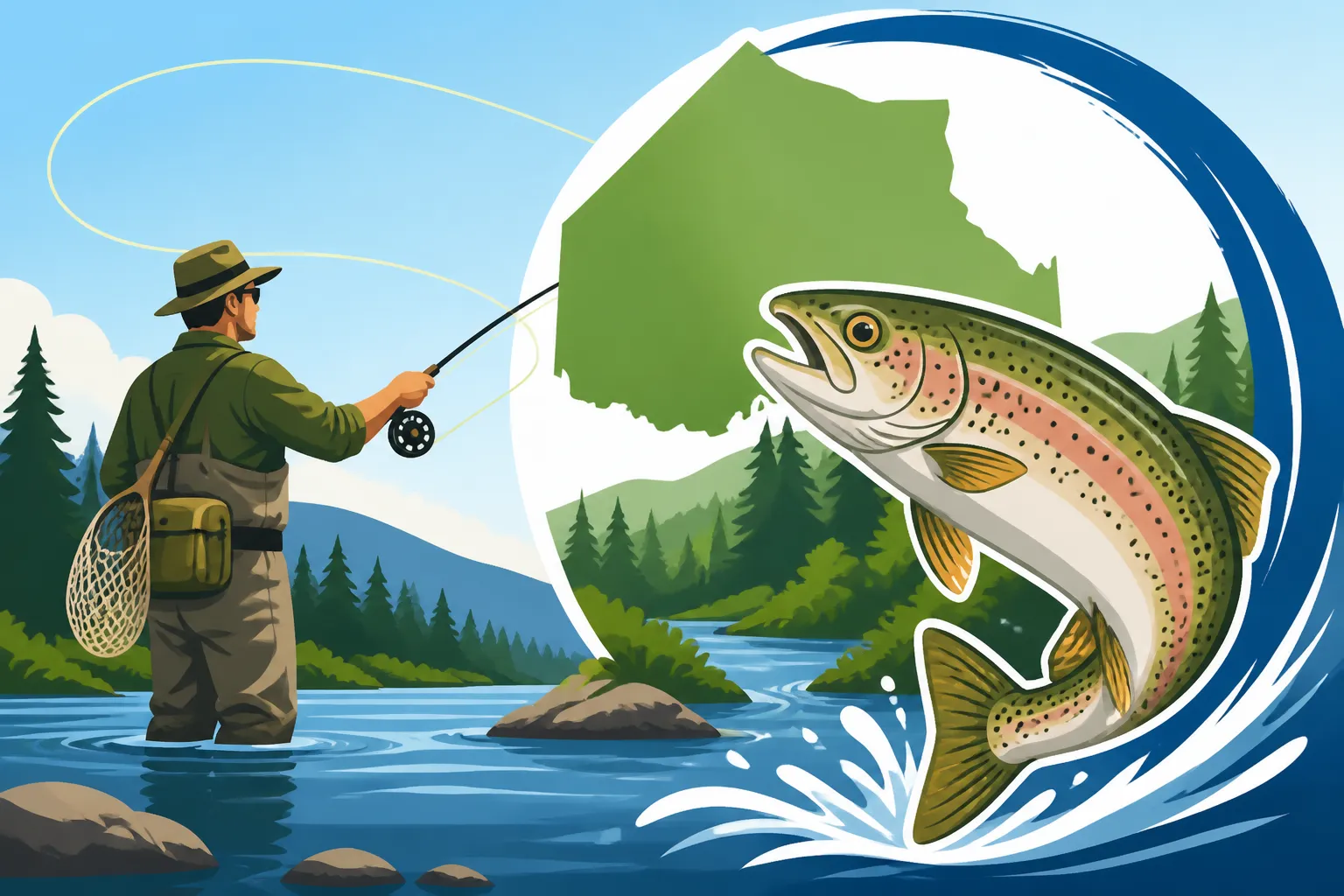
When you encounter a "fly fishing only" designation in the Ontario fishing regulations, it means exactly that: you are restricted to using a fly rod, fly reel, and a fly line to present an artificial fly. This is a very specific definition, and it leaves little room for interpretation.
- Fly Rod: This is the specialized rod designed to cast fly line, not the lure or bait itself. It's typically longer and more flexible than conventional spinning or baitcasting rods, allowing for the characteristic loop-cast required to propel a lightweight artificial fly.
- Fly Reel: While a fly reel primarily stores line, it also provides the necessary drag system to fight fish. It's intrinsically linked to the fly rod and line system.
- Fly Line: Unlike other fishing lines, fly line is weighted and tapered, which is what gives it the mass to be cast by the fly rod. This weight is crucial for delivering the near-weightless artificial fly.
- Artificial Fly: This is perhaps the most critical component. Artificial flies are imitations of insects, baitfish, or other aquatic life, constructed from materials like feathers, fur, and thread, and tied onto a single hook. The key here is "artificial" and "fly." This specifically excludes natural baits (like worms, minnows, or roe), as well as other artificial lures such as spinners, spoons, or crankbaits. The intent is to require the presentation method unique to fly fishing.
It's important to understand that these rules often come hand-in-hand with other restrictions, such as "catch and release only" or specific season dates. Always consult the official regulations for the precise water body you intend to fish. Overlooking a small detail could lead to fines and a ruined trip. You can learn more about general rules in our comprehensive guide on Ontario Fishing Regulations Explained.
Why These Special Regulations Exist
The rationale behind "fly fishing only" regulations is multi-faceted, stemming from a blend of conservation ethics, biological considerations, and the desire to maintain a particular angling experience.
- Conservation and Species Protection: Many of Ontario's fly-fishing-only waters are home to sensitive species like native brook trout or wild brown trout. Fly fishing, particularly with barbless hooks and proper handling techniques, is generally considered to be less damaging to fish, leading to higher survival rates for released fish. The use of natural bait, on the other hand, can lead to deeper hooking and increased mortality. By limiting anglers to flies, the goal is to protect these delicate populations from overharvesting or incidental harm.
- Minimizing Impact: Fly fishing typically involves a more subtle approach, often in smaller, wadeable streams or specific lake areas. The gear is generally lighter, and the method often encourages a more engaged and mindful approach to the environment.
- Enhancing the Angling Experience: For many, fly fishing is as much about the art and challenge of the cast as it is about catching fish. These designated waters often become havens for fly anglers seeking a purist experience, free from the crowds or different techniques that might be found on general regulation waters. It creates a dedicated space where the focus is on the tradition and skill of fly fishing.
- Preventing Introduction of Invasive Species: While not the primary reason, prohibiting natural baits can also inadvertently reduce the risk of introducing invasive species or diseases that might be carried with live bait into pristine environments.
These regulations are carefully considered by the Ministry of Natural Resources and Forestry (MNRF) based on scientific data and management objectives for specific fisheries.
Identifying Ontario's Key Fly Fishing Only Waters
Finding these special designation waters is crucial, and thankfully, the province provides clear resources. While specific rivers or sections may change, the general approach to identifying them remains consistent.
How to Locate Special Regulation Waters
The most reliable source for current and accurate information on "fly fishing only" waters is the official Ontario Fishing Regulations Summary. This document is updated annually and is your best friend when planning any fishing trip in the province.
- Ontario Fishing Regulations Summary: This essential guide, available both in print at license vendors and online, contains specific rules for each of Ontario's 20 Fisheries Management Zones (FMZs). You need to know which FMZ your intended fishing spot falls into first. Once you've identified the zone, meticulously check the "Exceptions to General Regulations" section. This is where you'll find details for specific lakes, rivers, or even stretches of rivers that have unique rules, including "fly fishing only" designations, slot limits, or Ontario Catch and Release Only Waters.
- Fish ON-Line: This interactive online mapping tool provided by the MNRF is an invaluable resource. It allows you to zoom in on specific lakes and rivers across the province and click on them to reveal the local regulations, including any special rules. It’s far more dynamic than a static PDF and can help you visualize the regulated areas.
- Local Knowledge and Fly Shops: Don't underestimate the power of local expertise. Visiting a fly shop in a region you plan to fish can provide incredibly useful, up-to-date information. Staff often have intimate knowledge of local waters, recent regulation changes, and even current fishing conditions.
Notable Fly Fishing Only Stretches and Species
While the specific list can change and it's vital to check current regulations, there are historically significant "fly fishing only" areas that often target specific species, primarily trout.
- Credit River (Upper Sections): The Credit River, particularly its upper reaches and tributaries, is famous for its wild brown trout population. Certain sections, especially those managed by conservation authorities (e.g., Credit Valley Conservation), often have "fly fishing only" and "catch and release" regulations to protect these fish. This river system offers a beautiful, technical challenge for fly anglers.
- Grand River (Upper Sections): Similar to the Credit, the Grand River also boasts significant trout fisheries, including wild brown and rainbow trout, in its upper stretches. These areas are also often subject to special regulations to preserve the wild trout populations and enhance the fly fishing experience. Anglers often find fantastic dry fly opportunities here.
- Specific Small Streams and Tributaries: Beyond the larger, well-known rivers, many smaller, unnamed or less-publicized streams across various FMZs might have localized "fly fishing only" rules. These are often delicate headwater streams crucial for native Brook Trout Native Range in Ontario. These can be harder to discover without delving deep into the regulations summary or chatting with seasoned local anglers.
- Target Species: The primary species you’ll encounter in Ontario’s fly-fishing-only waters are typically various trout species:
- Brown Trout: Known for their wary nature and propensity for larger sizes, especially in prime habitat.
- Rainbow Trout: Often more aggressive than browns, providing exciting fights.
- Brook Trout: Ontario’s provincial fish, found in colder, pristine waters, offering vibrant colours and a unique challenge.
- Atlantic Salmon (landlocked populations): In a few select waters, particularly in the eastern part of the province or specific stocked lakes, you might encounter Atlantic Salmon, also under strict "fly fishing only" guidelines.
These dedicated fly-fishing zones are a testament to Ontario's commitment to diverse angling opportunities and conservation. Always verify the rules for your specific destination.
Essential Gear and Ethical Practices for Fly Fishing Only Waters
Stepping onto a "fly fishing only" water means being prepared with the right equipment and a strong commitment to ethical angling practices. It’s not just about compliance; it's about respecting the fishery.
The Right Tools for the Job
Your gear choices can significantly impact your success and enjoyment on these specialized waters.
- Fly Rod and Reel: For most trout fishing in Ontario, a 4-weight to 6-weight fly rod is a versatile choice. A 4-weight is perfect for delicate presentations on smaller streams, while a 5 or 6-weight offers more backbone for larger rivers, windier conditions, or targeting bigger fish. Pair it with a matching fly reel that has a smooth drag system. Brands like Orvis, Redington, or Fenwick offer excellent options that can be found on platforms like Amazon or at specialty fly shops.
- Fly Line: A weight-forward floating line is a great all-around choice for most situations. For deeper nymphing or streamers, a sink-tip line might be beneficial, but always start with floating.
- Leaders and Tippet: A tapered leader (typically 7.5 to 9 feet) will help turn over your fly smoothly. Attach a section of tippet, usually 2 to 4 feet, matching the strength to your target species and fly size. For wary trout in clear waters, lighter tippet (e.g., 5X or 6X) is essential. You can find a wide selection of quality leaders and tippets on Amazon.
- Fly Patterns: The "right" fly pattern can vary daily, but having a selection of reliable patterns is key. For trout, consider:
- Dry Flies: Adams, Elk Hair Caddis, Parachute Adams, Royal Wulff (imitating adult insects on the surface).
- Nymphs: Pheasant Tail, Hare's Ear, Prince Nymph, Squirmy Wormy (imitating aquatic insect larvae and worms below the surface).
- Streamers: Woolly Bugger (black, olive, white), Clouser Minnow (imitating baitfish or leeches).
- For specific recommendations, check out our guide on Fly Patterns for Ontario Trout Streams.
- Waders and Boots: Many fly-fishing-only waters, especially rivers and streams, are best accessed by wading. Breathable chest waders provide comfort and protection, while sturdy wading boots with felt or rubber soles offer grip on slippery riverbeds. A good wading staff can also be a lifesaver. You can explore a variety of options for Best Waders for Ontario Trout Streams and find them readily available.
- Other Essentials:
- Pliers/Hemostats: For quickly and safely removing hooks.
- Nippers: For cutting line and tippet.
- Landing Net: A rubberized, knotless landing net minimizes harm to fish. Check out recommendations for a Best Landing Net for Trout.
- Fly Box: To organize your precious fly collection. Find durable and waterproof options on Amazon. A good Best Fly Boxes for Trout Streams will protect your investment.
- Polarized Sunglasses: Crucial for spotting fish and structure, and for eye protection.
Catch and Release Best Practices
Many fly-fishing-only waters are also catch-and-release, or anglers choose to practice it to help maintain the fishery. Adhering to proper catch and release techniques is paramount.
- Minimize Fight Time: Bring the fish in as quickly as possible without over-stressing it.
- Keep Fish in Water: Avoid removing the fish from the water entirely, especially larger fish. Water supports their body weight and allows them to breathe.
- Wet Hands: Always wet your hands before touching a fish to protect its slime coat, which is vital for disease resistance.
- Barbless Hooks: Crimp down barbs on your flies. This makes hook removal quick and easy, minimizing tissue damage.
- Gentle Hook Removal: Use pliers or hemostats to quickly remove the hook. If a hook is deeply embedded, cut the line as close to the hook as possible.
- Revive, Don't Rush: Hold the fish gently in the current, facing upstream, until it swims away under its own power. Don't simply toss it back.
By adopting these practices, you contribute directly to the health and sustainability of these special fisheries, ensuring they remain vibrant for years to come.
Navigating the Ontario Fishing Regulations Summary for Special Waters
The Ontario Fishing Regulations Summary is your bible for fishing legally and ethically in the province. Mastering how to navigate it, especially for special regulation waters, is an invaluable skill for any angler.
Decoding the Regulations Summary
The Summary is structured by Fisheries Management Zones (FMZs). Ontario is divided into 20 distinct FMZs, each with its own set of general regulations. However, many water bodies within these zones have specific rules that override the general zone regulations. These are the "exceptions" you must always look out for. Our guide on Reading the Ontario Fishing Regulations Summary can offer more detailed assistance.
- Identify Your FMZ: Before anything else, locate the map in the Regulations Summary or use the Fish ON-Line tool to determine which FMZ your intended fishing destination falls within. For instance, if you're targeting a stream near Orangeville, you'll likely be in FMZ 16.
- Check General Zone Regulations: Once you know your FMZ, review the general regulations for that zone. This will give you the baseline information on season dates, limits, and common gear restrictions.
- Scour the "Exceptions to General Regulations": This is where the critical information on "fly fishing only" waters will be found. This section lists specific lakes and rivers by name, detailing any unique rules that apply to them. Look for phrases like "Artificial flies only," "Fly fishing only," or "Barbless hooks required." Sometimes, these special regulations only apply to a specific section of a river (e.g., "From Highway X bridge downstream to Concession Road Y").
- Species-Specific Rules: Pay close attention to rules related to specific species. For instance, a "fly fishing only" section might primarily be for trout, while other species might have different rules or be entirely off-limits. You can find comprehensive details on Ontario Fishing Seasons by Zone and Month to ensure you're compliant.
- Always Re-Verify Annually: Regulations can change year to year. Never assume the rules are the same as last season. Always consult the current year's summary before your trip. This ensures you're up-to-date and avoids any unintentional infractions.
The Importance of Specificity and Compliance
The detail in the regulations summary is there for a reason – to protect fish and ensure fair access. Ignoring these specifics can lead to serious consequences.
- Penalties for Non-Compliance: Fishing without a valid license, or violating regulations like "fly fishing only" rules, can result in significant fines. Fishing without a license, for example, can incur a minimum fine of $300, and other infractions can be even steeper, not to mention the possibility of equipment seizure. Our article on Fishing Without a License in Ontario: Penalties delves deeper into potential repercussions. Beyond the legal penalties, violating these rules undermines the conservation efforts and impacts the health of the fishery for everyone.
- Protecting Delicate Ecosystems: These special regulations are often implemented in particularly sensitive areas or for vulnerable species. Adhering to them is a direct act of environmental stewardship. By understanding and following the rules, you help ensure that these unique "fly fishing only" waters continue to thrive.
The detailed structure of the Ontario Fisheries Management Zones, Explained is a testament to the effort put into managing Ontario's vast aquatic resources. By taking the time to understand and respect these rules, you're not just avoiding a fine, you're becoming a more responsible and effective angler in Ontario's beautiful, diverse waters.
| Special Regulation Water Type | Primary Objective | Common Species | Typical Gear Restrictions | Why They Matter |
|---|---|---|---|---|
| Fly Fishing Only | Species protection, unique experience | Trout (Brown, Rainbow, Brook) | Artificial flies, fly rod/reel/line | Minimizes harm, preserves wild populations, offers purist experience |
| Catch and Release Only | Population recovery, trophy management | Various (Trout, Bass, Muskie) | All fish must be immediately released | Ensures long-term sustainability and larger fish sizes |
| Slot Limits | Balanced population structure | Walleye, Bass, Pike | Specific size range of fish must be released | Prevents overharvest of breeding stock, manages growth |
| Season Closures | Spawning protection | All species | No fishing allowed during specific times | Allows fish to reproduce undisturbed |
Disclaimer
The information provided in this guide is for general informational purposes only and is subject to change. While we strive to provide accurate and up-to-date content, fishing regulations in Ontario are complex and can change frequently. It is the angler's sole responsibility to consult the most current official Ontario Fishing Regulations Summary, available from the Ontario Ministry of Natural Resources and Forestry (MNRF) or its authorized vendors, before engaging in any fishing activity. Failure to do so may result in fines or penalties.