What fish species are unique to Ontario’s Great Lakes
The vastness of Ontario's Great Lakes can feel overwhelming, a massive freshwater ocean with secrets hidden beneath the surface. Many anglers and nature enthusiasts often wonder about the specific species that call these iconic waters home – especially those fish that are truly special, perhaps even unique, to this incredible ecosystem. It's easy to get lost in the sheer volume of fish species found in these lakes, making it tough to pinpoint what really sets our Great Lakes apart. This guide will dive deep into the fascinating world of fish species that are unique, or hold particularly unique significance, within Ontario's Great Lakes, exploring their characteristics, habitats, and why they matter so much.
Understanding "Unique" in the Great Lakes Context
When we talk about "unique" fish species in Ontario's Great Lakes, it's important to clarify what that really means. In the strictest biological sense, a species is "endemic" if it is found nowhere else on Earth. The Great Lakes basin, as massive and distinct as it is, shares many fish species with other watersheds across North America. So, finding a species that is absolutely 100% endemic to only the Ontario portions of the Great Lakes is a high bar.
However, "unique" can also describe species that, while perhaps found in other parts of the Great Lakes basin or even adjacent watersheds, have populations within Ontario's Great Lakes that are genetically distinct, critically important for the ecosystem, or simply represent a significant part of our natural heritage that isn't replicated in the same way elsewhere. These are species that have adapted specifically to the deep, cold, and expansive environment of the Great Lakes, evolving over millennia since the last ice age. Their very presence tells a story of survival and adaptation. We'll explore both truly endemic examples within the broader Great Lakes basin, and those incredibly significant native species whose identity is deeply intertwined with these freshwater giants. Understanding these nuances helps us appreciate the incredible biodiversity that thrives right here in our backyard.
Truly Endemic or Great Lakes-Specific Species
While the list of truly global Great Lakes endemics is small, several fish species are endemic to the Great Lakes basin as a whole, meaning they are found only within the Great Lakes and their connecting waters. These are often cold-water specialists, thriving in the deep, dark, and often frigid environments of our deepest lakes. Their existence is a testament to the unique conditions found here.
Deepwater Sculpin
The Deepwater Sculpin (Myoxocephalus thompsonii) is one of those incredibly fascinating creatures that many anglers might never even encounter, yet it plays a crucial role in the Great Lakes food web. These small, bottom-dwelling fish are perfectly adapted to the cold, dark, and high-pressure environments of the deepwater zones in the Great Lakes. They are characterized by their large heads, broad pectoral fins, and mottled brown coloration, which provides excellent camouflage against the lakebed.
You won't find Deepwater Sculpin shallow; they prefer depths often exceeding 100 feet, sometimes much deeper. Their diet consists primarily of small invertebrates found on the lake bottom, and in turn, they serve as a vital food source for larger, predatory fish like Lake Trout and Burbot. Without them, the entire deepwater ecosystem would struggle to support its larger inhabitants. Their sensitivity to habitat degradation and changes in water quality makes them important indicator species for the overall health of the deeper parts of our Great Lakes. Their continued presence signifies a relatively healthy deepwater environment.
Deepwater Ciscoes: Kiyi and Shortjaw Cisco
The Great Lakes were historically home to a diverse complex of "ciscoes" or "lake herring" – species within the genus Coregonus. Many of these were specifically adapted to different depths and food sources within the deep, cold waters. Unfortunately, several of these unique deepwater cisco species have faced significant declines or even extirpation due to overfishing, habitat alteration, and the introduction of invasive species like Sea Lamprey and Alewife. However, a few persist, representing truly unique elements of the Great Lakes fauna.
The Kiyi (Coregonus kiyi) and Shortjaw Cisco (Coregonus zenithicus) are two such examples that are considered Great Lakes endemics, although their ranges have been drastically reduced. These fish are slender, silver-bodied, and typically inhabit cold, deep waters. They feed on zooplankton and small invertebrates, forming dense schools that once supported massive commercial fisheries. The Kiyi, in particular, has very distinctive large eyes, an adaptation for living in low-light conditions at extreme depths. They are now rare or absent in many of the lakes where they once thrived, making their conservation status a critical concern.
The challenges these deepwater ciscoes face highlight the fragile nature of these specialized ecosystems. Efforts to restore their populations are ongoing, but it's a slow and complex process. These fish are not just unique; they are living reminders of the historical richness and the ongoing vulnerabilities of the Great Lakes. Learning about them can truly deepen your appreciation for the complexities of these waters, and you can find detailed identification guides on sites like Amazon if you're keen to learn more about distinguishing between similar species.
Iconic Native Species with Strong Great Lakes Identity
Beyond the strictly endemic species, there are several other native fish whose presence and distinct populations within Ontario's Great Lakes give them a truly unique character, making them iconic symbols of these waters. While you might find these species elsewhere, their specific adaptations, sizes, and ecological roles in the Great Lakes are often unparalleled.
Lake Sturgeon
Imagine a fish that's been swimming in these waters since the dinosaurs roamed the Earth. That's the Lake Sturgeon (Acipenser fulvescens) for you! These prehistoric giants are North America's largest freshwater fish, and their populations in the Great Lakes are truly special. With their elongated, shark-like bodies, bony scutes instead of scales, and distinctive underslung mouths adapted for vacuuming up invertebrates from the bottom, they are unmistakable.
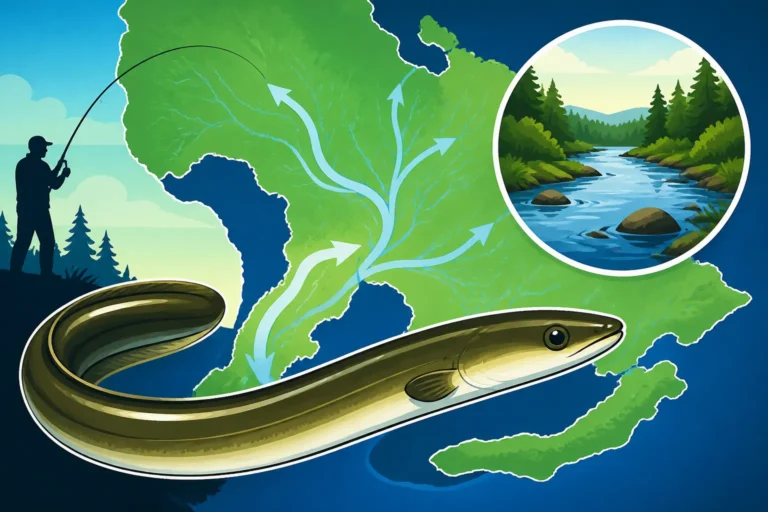
Lake Sturgeon are not strictly endemic to the Great Lakes basin, as they are found in other large river systems across central North America. However, the Great Lakes basin, including the connecting rivers like the St. Lawrence, French, and Ottawa, holds some of the most significant and ancient populations of these magnificent fish. They can live for over 100 years and grow to immense sizes, with individuals easily exceeding six feet in length and weighing over 200 pounds. Finding a monster sturgeon is a once-in-a-lifetime experience for many anglers, especially as they are primarily catch-and-release only due to their protected status. You can learn more about their habitats and conservation in Lake Sturgeon in Ontario Rivers.
Their long lifespan and slow reproductive cycle make them particularly vulnerable to human impacts, including habitat loss, dam construction, and overfishing in the past. Today, conservation efforts are strongly focused on protecting their remaining spawning grounds and restoring connectivity to historical habitats. These fish are a living link to a bygone era, and their continued survival in Ontario's Great Lakes is a testament to ongoing conservation efforts. Their incredible resilience and unique appearance make them one of the most distinctive fish species you could ever encounter in our waters.
Lake Whitefish and Lake Herring (Cisco)
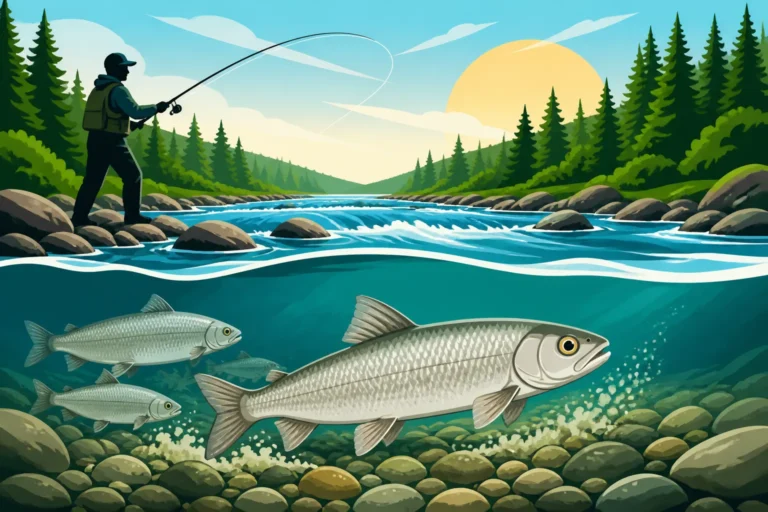
The Lake Whitefish (Coregonus clupeaformis) and Lake Herring (Coregonus artedi), often just called Cisco, are another pair of species that, while found beyond the Great Lakes, are so intrinsically linked to the identity and historical productivity of these waters that they deserve special mention. These are cool-water species that thrive in the deeper, oxygen-rich zones of the Great Lakes, forming the backbone of the pelagic food web.
Lake Whitefish are highly prized for their delicate flavour and have supported robust commercial and recreational fisheries for centuries. They are characterized by their small, downturned mouth, indicating their bottom-feeding habits, primarily on insects, crustaceans, and small mollusks. You can often find them on electronic fish finders over deep flats or along drop-offs, sometimes in vast schools. For tips on locating them, a good portable fish finder, perhaps one you scouted on Amazon, can make all the difference. Their populations are managed carefully, and understanding Whitefish in the Great Lakes is key to appreciating their role.
Lake Herring, or Cisco, are typically more open-water oriented, feeding on zooplankton. They are a crucial forage fish for apex predators like Lake Trout and Northern Pike. While often confused with the Lake Whitefish, Cisco generally have a more pointed snout and a larger mouth adapted for feeding in the water column. Both species are incredibly sensitive to changes in water temperature, oxygen levels, and the presence of invasive competitors, which has led to population fluctuations over the years. Their recovery and sustained health are vital for the entire Great Lakes ecosystem, as they represent a massive energy transfer from the lower trophic levels up to the larger sport fish that anglers love to pursue. These species are not just "fish"; they are integral components of the Great Lakes' natural heritage and ecological balance.
| Species | Great Lakes Status | Key Characteristics | Primary Habitat | Ecological Role |
|---|---|---|---|---|
| Deepwater Sculpin | Endemic to Great Lakes basin | Large head, broad fins, mottled, small | Deep, cold lake bottoms | Forage for Lake Trout, indicator species |
| Kiyi | Endemic to Great Lakes basin, rare | Large eyes, slender, silver, deepwater specialized | Very deep, cold pelagic zones | Forage for top predators, highly vulnerable |
| Shortjaw Cisco | Endemic to Great Lakes basin, rare | Similar to Kiyi, slender, deepwater specialized | Deep, cold pelagic zones | Forage for top predators, highly vulnerable |
| Lake Sturgeon | Iconic native, ancient lineage | Prehistoric appearance, bony scutes, long-lived | Large rivers, lake bottoms | Scavenger, indicator of river health |
| Lake Whitefish | Iconic native, commercially valued | Small, downturned mouth, silvery, bottom feeder | Cool, deep lake zones | Forage, commercially important, sport fish |
| Lake Herring (Cisco) | Iconic native, critical forage | Pointed snout, larger mouth, silvery | Open water, cool pelagic zones | Primary forage for apex predators |
The Importance of Preserving Our Unique Great Lakes Fish
The unique and iconic fish species of Ontario's Great Lakes are more than just swimming creatures; they are living testaments to the incredible natural history and ecological complexity of this globally significant freshwater system. Preserving these species is absolutely crucial, not just for the sake of biodiversity, but for the health of the entire Great Lakes ecosystem, and indeed, for the future of fishing in Ontario.
Ecological Balance and Biodiversity
Each unique species plays a specific role in the intricate web of life beneath the waves. Deepwater sculpin and ciscoes, for instance, are vital forage for larger predators like Lake Trout, a species whose populations are also intrinsically tied to the health of the Great Lakes. Without these specialized prey species, the entire food chain can collapse, leading to cascading effects that impact everything from water quality to the abundance of popular sport fish. Maintaining biodiversity means ensuring the system remains resilient against environmental changes and external threats. Understanding the Lake Trout Spawning Season in Ontario shows how closely many species' lifecycles are interconnected.
Cultural and Economic Significance
For generations, fishing has been a cornerstone of Ontario's identity, providing livelihoods, recreation, and a deep connection to nature. Unique fish species contribute to this rich heritage, drawing anglers and tourists who seek out these special experiences. The very idea of fishing for Lake Whitefish, or having the rare chance to spot a colossal Lake Sturgeon, adds immense value to our natural resources. These species are part of the story of Ontario, and their loss would diminish not just the ecosystem, but our collective heritage. This is why following Ontario Bag and Possession Limits by Species is so important for all anglers.
Conservation Challenges and Efforts
The journey to protect these unique species is fraught with challenges. Historical overfishing, habitat degradation from coastal development and pollution, and the relentless pressure from Invasive Fish Species in Ontario Waters have all taken a toll. For instance, the introduction of the Sea Lamprey decimated native Lake Trout and whitefish populations, and ongoing control efforts are critical for their recovery, as detailed in How sea lamprey control affects Great Lakes fisheries.
Today, dedicated efforts by government agencies, conservation groups, and passionate individuals are working to reverse these trends. This includes habitat restoration, strict fishing regulations, targeted stocking programs for depleted species, and ongoing research to better understand their needs. Many of these efforts are highlighted in resources like the Ontario Fisheries Management Zones, Explained which helps anglers understand how different areas are managed. Anglers can contribute by practicing responsible catch and release, especially for vulnerable species, and by being informed about local regulations. Even something as simple as using an environmentally friendly tackle box setup, easily found on Amazon, can make a small difference in preventing plastic pollution in our waters. Protecting these unique fish isn't just a biological imperative; it's a shared responsibility that ensures the magic of Ontario's Great Lakes endures for future generations.
Disclaimer
This article is for general informational purposes only and does not constitute professional advice. Laws, prices and regulations vary by location and change over time. Consult a qualified professional for guidance on your specific situation.