Mercury advisory fish species in Ontario waters
It's an unfortunate truth that as much as we love fishing and bringing home a tasty meal, sometimes there are invisible concerns that can put a damper on our plans. The thought of mercury in the fish we catch from our beloved Ontario waters is a real worry for many anglers and their families. This guide aims to clear up the confusion around mercury advisories, helping you understand why they exist, where to find crucial information, and how to make informed choices for healthier eating while still enjoying the bounty of Ontario's lakes and rivers.
Understanding Mercury in Ontario's Fish
When we talk about mercury in fish, it can sound pretty scary, but understanding the basics of where it comes from and how it gets into our catches can help demystify the issue. It's not about being afraid to eat fish, but about being aware and making smart choices.
What is Mercury and How Does it Get into Fish?
Mercury is a naturally occurring element, but human activities have significantly increased its presence in our environment. When mercury enters water bodies, it undergoes a transformation by bacteria into methylmercury, a highly toxic organic compound. This methylmercury is the form that readily accumulates in fish.
Think of it like this: tiny aquatic organisms absorb methylmercury from the water and sediment. Small fish then eat these organisms, accumulating the methylmercury in their tissues. Larger fish, in turn, eat these smaller fish, and the mercury concentration continues to build up in their bodies. This process is called biomagnification, and it means that top predators in the aquatic food chain, like many of the larger game fish we love to catch in Ontario, tend to have higher levels of mercury. Sources of mercury can be natural, like volcanic activity, but also from industrial emissions, coal-fired power plants, and even everyday products that end up in landfills, where mercury can leach into waterways. It's a complex cycle, and unfortunately, once it's in the system, it's very difficult to remove.
Why are Advisories Issued?
The advisories you see for fish consumption aren't there to stop you from fishing or eating fish; they're put in place to protect your health. Our bodies can excrete small amounts of mercury, but consuming too much, especially methylmercury, over time can lead to health problems. The nervous system is particularly vulnerable, and symptoms can range from subtle tremors and coordination issues to more severe neurological damage.
Pregnant women, women who are planning to become pregnant, young children, and people with compromised immune systems are considered more vulnerable to the effects of mercury. For these groups, even lower levels of exposure can pose a greater risk, impacting fetal development or neurological growth in children. This is why official bodies carefully study fish populations, test tissue samples, and then issue guidelines. These guidelines are designed to help you balance the incredible nutritional benefits of eating fish – like essential omega-3 fatty acids, lean protein, and vitamins – against the potential risks of mercury exposure. They want you to enjoy your catch safely, and understanding the "why" behind the advisories is the first step. You can often find general guidance on topics like Ontario Fishing Regulations Explained which cover a broad range of rules designed for both fish conservation and public safety.
Navigating Ontario's Fish Consumption Advisories
So, you've caught a beautiful fish and you're wondering if it's safe to eat or how much you should consume. It's completely normal to feel a bit lost when looking at the official advisories. They can seem like a dense wall of information, but once you know how to read them, they become an invaluable tool for responsible angling and healthy eating.
Where to Find the Official Advisories
The most reliable and up-to-date source for fish consumption advisories in Ontario is always through official government channels. The Ontario government publishes detailed guides, often called "Guide to Eating Ontario Fish." These guides are comprehensive and typically updated regularly to reflect the latest scientific findings and fish testing results. You'll find them online, and sometimes in print at ServiceOntario centers or bait and tackle shops.
These guides break down advisories by specific water body (lake, river, bay), and then by fish species and size. It’s not a one-size-fits-all rule for the entire province because mercury levels can vary significantly from one body of water to another, even for the same species. For instance, a walleye caught in Lake Superior might have different recommended consumption limits than one caught in Lake Simcoe. Before heading out, it’s always a good idea to check the advisories for the particular lake or river you plan to fish. This proactive approach ensures you're informed right from the start. A helpful resource for understanding the regional breakdown of fishing rules, which often align with advisory zones, is Ontario Fisheries Management Zones, Explained.
Deciphering the Advice: "Meals Per Month"
When you look at the "Guide to Eating Ontario Fish," you'll usually see recommendations expressed as a number of "meals per month" for specific fish species from particular water bodies. This is where it can get a little tricky because the advice isn't the same for everyone. The guide typically categorizes people into different groups based on their vulnerability to mercury exposure:
- General Population: This refers to healthy adults.
- Sensitive Populations: This crucial category usually includes pregnant women, women who are planning to become pregnant, and young children. These groups have much stricter consumption limits due to the potential developmental impacts of mercury.
For example, a chart might tell the general population that they can safely eat four meals of a certain size of Lake Trout from Lake A per month, while the sensitive population might be advised to eat only one meal, or even none at all. A "meal" is generally defined as a standard portion of fish, often around 6 ounces (170 grams) for adults.
It's vital to pay close attention to the specific fish, its length or weight (as larger, older fish accumulate more mercury), and the exact location it was caught. The guides are meticulously detailed for a reason! They reflect years of research and testing to give you the most accurate advice possible. Don't gloss over these details; they are there to help you protect yourself and your family.
Key Fish Species Often Under Advisory
While virtually any fish can contain some level of mercury, certain species are more commonly associated with consumption advisories due to their position high on the food chain and their longevity. These tend to be the larger, predatory fish that have had more time to accumulate methylmercury.
Some of the species you will frequently see mentioned in the Ontario consumption advisories include:
- Walleye: A highly popular game fish, Walleye Fishing in Ontario is a major draw. However, larger walleye, especially from certain lakes, often come with consumption recommendations.
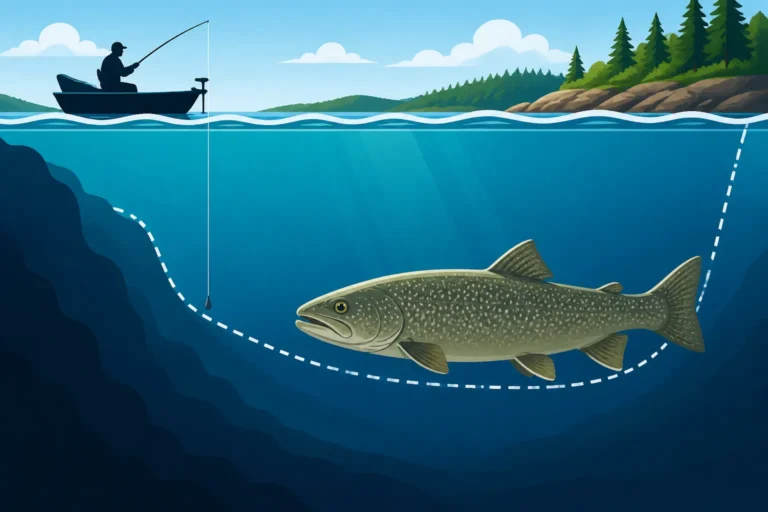
- Lake Trout: These deep-water predators grow to impressive sizes and are long-lived, making them susceptible to higher mercury levels. If you're targeting Lake Trout Fishing in Ontario, definitely check the advisories for your chosen body of water.
- Northern Pike: Another apex predator, Northern Pike Fishing in Ontario can be exciting, but their aggressive feeding habits and size mean they frequently appear on advisory lists.
- Muskellunge: The king of Ontario's freshwater predators, muskie are generally caught and released due to their trophy status and naturally low populations. However, if one were to be kept, their significant size and predatory nature would put them at the top of the mercury accumulation scale.
- Largemouth and Smallmouth Bass: While generally less impacted than the larger predators, very large or old bass, particularly from specific waters, can also have advisories.
It's not just about the species; it's heavily about the size and age of the fish. A small, young walleye will almost always have lower mercury levels than a giant, decades-old one. This is why the advisories typically provide different "meals per month" recommendations based on the length or weight of the fish.
Here's a simplified example of how advisories might be structured, though you must always consult the official guide for specific water bodies and fish:
| Fish Species (Example) | Size/Weight Category | General Population (Meals/Month) | Sensitive Population (Meals/Month) |
|---|---|---|---|
| Walleye | Under 18 inches | 4 | 2 |
| 18-24 inches | 2 | 1 | |
| Over 24 inches | 1 | 0 | |
| Lake Trout | Under 20 inches | 3 | 1 |
| 20-30 inches | 1 | 0 | |
| Over 30 inches | 0 | 0 |
Remember, this table is purely illustrative. The actual advisories are much more detailed and specific to particular lakes and rivers. Always check the official "Guide to Eating Ontario Fish" for the exact regulations pertaining to Which Ontario waters have fish consumption advisories you are fishing.
Practical Tips for Safer Fish Consumption
So, you've done your research, you know where to find the advisories, and you understand what they mean. Now, how do you put that knowledge into practice to keep enjoying your fishing trips and the delicious rewards they bring, safely? It’s all about making informed choices and adopting a few smart habits.
Choosing Smaller and Younger Fish
This is arguably one of the most effective strategies for minimizing mercury exposure. As we discussed, mercury accumulates in fish over their lifetime. Therefore, smaller and younger fish of any given species will almost invariably have lower mercury levels than their larger, older counterparts.
Instead of always targeting that trophy-sized monster for the dinner table, consider keeping some of the medium-sized fish within the legal limits. For instance, if you're out Lake Erie Walleye Fishing, and you catch a couple of smaller 'eater' walleye, these are likely better choices for consumption than a decades-old lunker. This approach also aligns well with conservation principles, as leaving the largest, most productive breeders in the water helps maintain healthy fish populations. Many anglers enjoy the challenge of catching and releasing larger fish, while still keeping a few smaller ones for a meal. You can find robust fishing scales on platforms like Amazon to accurately measure your catch if the advisories are based on weight or length.
Preparing Fish to Reduce Exposure
There's a common misconception that mercury can be removed by cleaning the fish a certain way, like trimming fat or removing the skin. Unfortunately, methylmercury binds to the protein in the muscle tissue of the fish, so it's distributed throughout the edible portions. Unlike some other contaminants, simply trimming fat, skinning the fish, or using specific cooking methods (like frying or baking) will not significantly reduce the mercury content.
However, proper preparation is still crucial for overall food safety and enjoyment. Always clean your fish thoroughly and keep it properly chilled to prevent spoilage. While it won't reduce mercury, removing skin and fatty tissue can sometimes reduce levels of other contaminants that might accumulate there. The best way to reduce your mercury intake is to follow the consumption advisories regarding species, size, and meal frequency. When preparing your catch, remember that even a species like walleye, which many consider a prime table fish, needs to be consumed responsibly according to the local advisories. Learning Is Walleye Good to Eat? involves not just taste, but also safety.
Balancing the Benefits and Risks
It’s easy to get overwhelmed by the talk of contaminants, but it's really important to remember that eating fish offers incredible health benefits. Fish are a fantastic source of lean protein, essential vitamins (like D and B12), and those all-important omega-3 fatty acids, which are crucial for heart health, brain function, and overall well-being.
The goal of fish consumption advisories is not to scare you away from eating fish entirely, but to guide you toward making smart, balanced choices. It's about moderation and awareness. By consulting the "Guide to Eating Ontario Fish" for the specific waters you're fishing and making choices like opting for smaller fish or diversifying the types of fish you eat, you can confidently enjoy the nutritional benefits of your catch. Many anglers also appreciate the opportunity to explore different species and techniques, which naturally diversifies their consumption. For example, if you frequently fish for Lake Trout in Ontario, try expanding your horizons to panfish or other species to vary your intake. Always ensure you're aware of Ontario Bag and Possession Limits by Species for whatever you choose to keep. There are countless delicious ways to prepare fish, and with a bit of research and planning, you can continue to enjoy them as a healthy part of your diet.
Disclaimer
This article is for general informational purposes only and does not constitute professional advice. Laws, prices and regulations vary by location and change over time. Consult a qualified professional for guidance on your specific situation.