Where tiger trout are stocked in Ontario
There’s a special kind of thrill that comes from targeting a truly unique fish, and for many Ontario anglers, the tiger trout holds that allure. These strikingly beautiful, yet somewhat elusive, hybrids often spark a lot of questions, chief among them: "Where exactly can I find them?" It’s not always as straightforward as checking the local creek, and many folks get frustrated trying to pinpoint these specific, often niche, fisheries. This comprehensive guide will pull back the curtain on where tiger trout are stocked in Ontario, why they're there, and how you can increase your chances of hooking into one of these magnificent fish.
Understanding the Elusive Tiger Trout in Ontario
Before we dive into locations, it’s really helpful to understand what a tiger trout is and why they’re special. They aren’t your everyday brook or rainbow trout, and that uniqueness is part of their charm – and also why finding them can sometimes feel like a treasure hunt.
What Exactly is a Tiger Trout?
A tiger trout is a sterile, intergeneric hybrid, meaning it's a cross between two different genera: a male brook trout ( Salvelinus fontinalis) and a female brown trout (Salmo trutta). Because they're sterile, they can't reproduce on their own, which is a key reason they are primarily found in waters where they've been intentionally stocked. Their appearance is absolutely striking, living up to their name with wavy, worm-like patterns (known as vermiculation) across their backs and sides, resembling tiger stripes. These markings are often more pronounced and labyrinthine than those on a typical brook trout. They typically have an olive to brownish-yellow body, with a cream-coloured belly, and can sometimes exhibit an orange hue on their fins, particularly during cooler water periods.
What makes them even more interesting from an angling perspective is that they often exhibit a robust growth rate, sometimes outperforming their parent species in stocked environments. This can lead to some truly impressive catches for anglers who put in the time to locate them. Their hybrid vigour often means they’re quite hardy and can adapt well to various conditions within a stocked lake, though they still prefer cold, oxygen-rich water like other trout.
Why Ontario Stocks Tiger Trout
Ontario, like many other jurisdictions, stocks tiger trout for a few specific reasons. One significant factor is their sterility. Since they can't reproduce, they pose no threat to native fish populations through interbreeding, unlike some other stocked species. This makes them a safe choice for introducing a new angling opportunity without ecological risk. They're essentially a put-and-take fishery, providing excitement for anglers without establishing a self-sustaining population that could compete with or alter existing ecosystems.
Another reason is their unique angling appeal. They are known to be aggressive feeders, often striking a variety of lures and baits with vigour, which can make for a thrilling fight. This aggressiveness can also make them useful in certain management scenarios, such as controlling populations of undesirable baitfish in specific lakes. Their distinct appearance also adds a "trophy" element, drawing anglers who are eager to add such a visually impressive fish to their catch photos.
The Life and Habits of a Tiger Trout
Given their hybrid nature, tiger trout generally inherit traits from both brook and brown trout. This means they typically thrive in cold, clear, well-oxygenated water, often seeking out areas with ample cover like submerged logs, rock piles, or weed beds. They are opportunistic feeders, preying on insects, crustaceans, and smaller fish, especially as they grow larger. Their diet can shift significantly from insect larvae in their juvenile stages to a more piscivorous (fish-eating) diet as they mature.
Their preferred habitat in stocked lakes usually includes deeper pockets where water temperatures remain cool throughout the summer, or areas with springs and cold water inlets. During spring and fall, when surface water temperatures are cooler, they might be found closer to shore or in shallower depths. In winter, under the ice, they'll remain active, often found near structures or drop-offs, making them a popular target for ice anglers. Understanding these general habits is crucial, as it helps narrow down the types of waters where stocking efforts might be concentrated.
Where to Find Stocked Tiger Trout Lakes in Ontario
Pinpointing the exact lakes where tiger trout are stocked in Ontario can be a bit of a moving target, as stocking programs can change year to year based on management goals, hatchery availability, and angler feedback. However, there are some general trends and resources that can guide your search.
Key Regions and Fisheries Management Zones
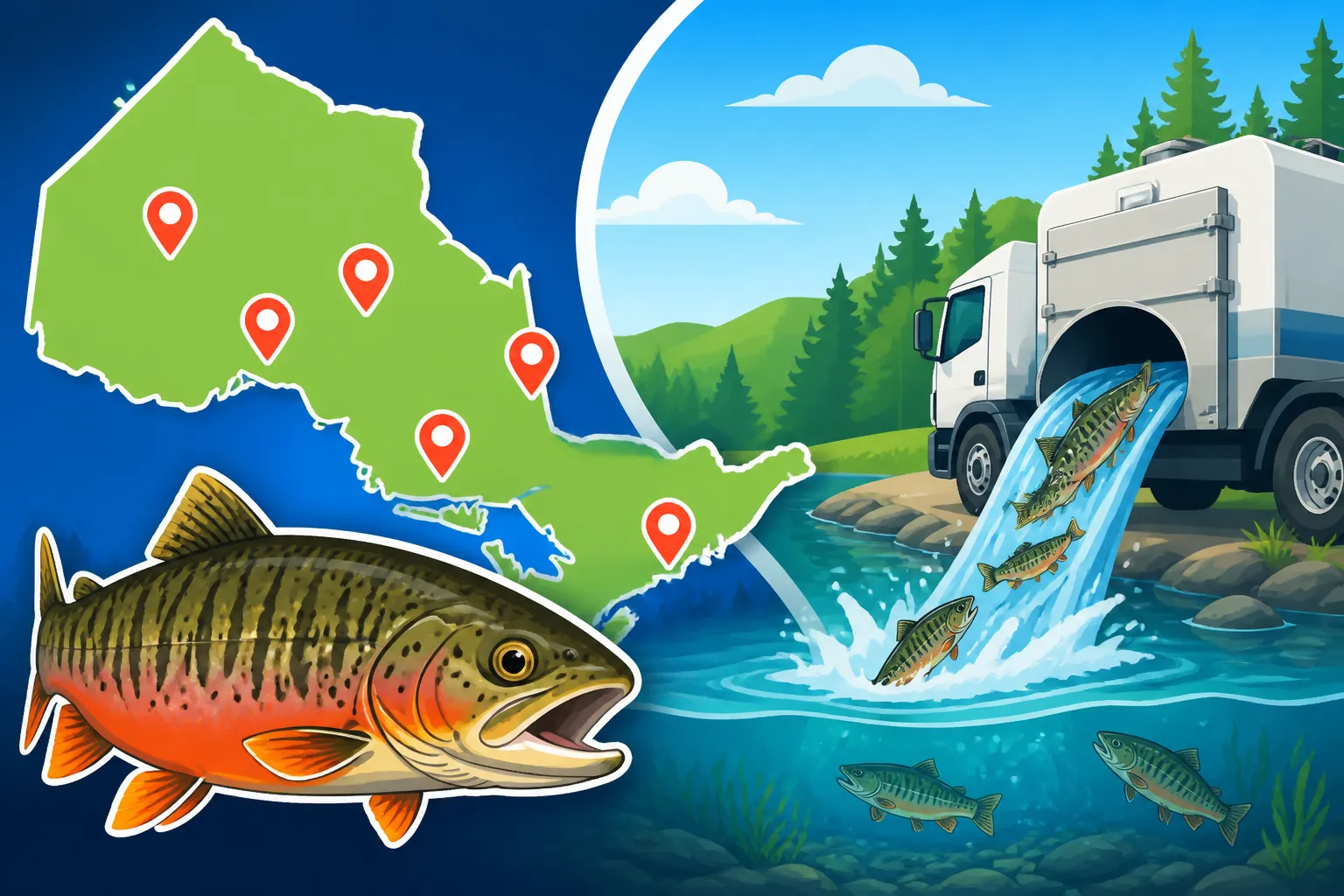
Tiger trout stocking in Ontario tends to be quite localized and specific, rather than widespread across entire regions. Historically, you'll find these unique fish introduced into smaller, often isolated, lakes that are managed for a specific put-and-take trout fishery. These aren't typically the massive, sprawling lakes where you'd find huge walleye or muskie populations. Instead, think of smaller, often deeper, cold-water lakes that might not have natural trout reproduction but offer suitable habitat for stocked fish.
Certain Ontario Fisheries Management Zones, Explained are more prone to trout stocking in general, particularly those with a higher concentration of smaller, cooler lakes. Northern Ontario, with its vast network of lakes and limited natural trout populations in some areas, can sometimes be a target for such specialty stockings to enhance angling opportunities. However, don't rule out more southerly zones, as specific lakes are chosen for their unique characteristics and accessibility to anglers, even if they're closer to population centres. The key is that these are targeted stockings for specific lakes, not a blanket regional approach.
Identifying Potential Stocking Locations
The best way to identify potential tiger trout stocking locations is to consult official sources. The Ontario Ministry responsible for natural resources often publishes stocking lists or makes information available through their online platforms. These lists can detail not only what species were stocked but where and when. Local angling clubs and conservation authorities can also be excellent resources, as they are often involved in or at least well-informed about local stocking initiatives.
When considering a lake, look for those known to already support other trout species, especially brook trout or brown trout, as the habitat requirements are very similar. Lakes that are managed as "put-and-take" fisheries, where natural reproduction is limited but water quality is excellent for trout survival, are prime candidates. Don't be afraid to do a bit of detective work; sometimes the best information comes from dedicated anglers who follow these programs closely.
Provincial Parks and Conservation Areas
Provincial Parks and Conservation Areas can sometimes be excellent places to find stocked trout, including tiger trout. These areas often have dedicated management plans for their fisheries, and stocking can be part of maintaining a healthy and attractive angling experience for visitors. However, it's never a given. Each park or conservation area operates under its own specific regulations and management objectives, so a lake within one might be stocked, while a similar lake in another might not be.
Before planning a trip, it's always best to check the specific park's or conservation area's fishing regulations and information. Many will have detailed maps and fishing guides available online or at their gatehouses, which will often indicate if particular lakes are stocked and with what species. For example, some remote lakes in Algonquin Park might be managed for wild brook trout, while other, more accessible park lakes might receive stockings of various trout, including hybrids like the tiger trout, to offer a diverse experience. Always verify the specific rules and stocking programs for the particular location you plan to visit.
Strategies for Locating Specific Stocking Information
Finding definitive information on tiger trout stocking can sometimes feel like trying to catch smoke, but with the right approach and resources, you can significantly narrow down your search. It often takes a combination of online sleuthing and good old-fashioned local networking.
Leveraging Online Resources
The most powerful tool at your disposal is often the official government website. The Ontario Ministry of Natural Resources and Forestry (MNRF) typically maintains a publicly accessible database or list of stocked waters. This is usually the first and most reliable place to start your search. These resources can often be found by searching for "Ontario fish stocking" or "Ontario trout stocking program." They detail recent and historical stocking efforts, sometimes even specifying the species and the number of fish introduced into particular bodies of water.
Another invaluable tool for Ontario anglers is the Fish ON-Line interactive zone map, Explained. This online mapping system provides detailed information on various lakes and rivers, including fish species present, general regulations, and sometimes even links to stocking data. While it might not always explicitly list "tiger trout" as a primary species, it will indicate if trout in general are present or stocked. From there, you can cross-reference with more specific stocking reports. Beyond official channels, dedicated Ontario fishing forums and online communities can also be a goldmine of anecdotal evidence and tips from anglers who have successfully targeted tiger trout. Just remember to always verify information from unofficial sources with official channels before heading out.
Connecting with Local Anglers and Tackle Shops
Sometimes, the best intelligence comes from local knowledge. Visiting tackle shops in areas known for trout fishing can provide incredible insights. Shop owners and staff are often passionate anglers themselves, deeply connected to the local fishing scene, and usually the first to hear about special stocking programs or successful catches. They can often tell you not only which lakes might hold tiger trout but also share tips on how to fish them effectively. It's also a great way to support local businesses!
Engaging with local fishing clubs or conservation groups can also be beneficial. These organizations often have members who are actively involved in or closely monitor local fisheries, and they might even host events or provide resources that highlight unique angling opportunities like tiger trout fishing. Don't underestimate the power of a friendly chat at the boat launch or on the pier; experienced anglers are often happy to share general areas or techniques, even if they keep their "secret spots" close to the vest. When you do head out, consider what gear you might need. A good pair of polarized sunglasses to spot fish in clear water, or a specialized trout net for safe release, can often be found on platforms like Amazon.
Understanding Stocking Cycles and Timing
Tiger trout, like most stocked trout, are typically introduced into lakes during cooler parts of the year – usually spring or fall. This timing helps minimize stress on the fish during transport and allows them to acclimate to their new environment before the heat of summer. Knowing these general stocking windows can help you target your fishing efforts. Newly stocked fish can sometimes be more active and less wary, offering a prime opportunity for anglers.
However, it's also worth understanding the concept of a What a holdover trout is. While tiger trout are sterile, they can survive for multiple years in a suitable lake, growing larger and becoming more challenging to catch. These "holdover" fish are often the ones that become truly trophy-sized, providing an even greater thrill for the angler. Lakes that have been consistently stocked with tiger trout over several years, and possess good habitat, might harbour these larger, more elusive specimens. Always check the annual stocking reports to see if a particular lake has a history of tiger trout introductions.
| Feature | Brook Trout | Brown Trout | Tiger Trout (Hybrid) |
|---|---|---|---|
| Appearance | Dark green/brown, red spots with blue halos, white leading edges on fins, worm-like markings on back. | Brown/yellowish, dark spots (some with halos), reddish spots. Pale belly. | Olive to brownish-yellow, distinct dark worm-like patterns (vermiculation) resembling tiger stripes. |
| Growth Rate | Moderate, can be stunted in high density. | Moderate to fast, can reach large sizes. | Often robust, can grow faster than parents in some environments. |
| Aggressiveness | Generally aggressive feeders. | Known for wariness and aggression, especially when larger. | Very aggressive feeders, strong fighters. |
| Reproduction | Reproduces naturally. | Reproduces naturally. | Sterile, cannot reproduce naturally. |
| Stocking Reason | Enhance native populations, put-and-take. | Enhance angling, fill niche, put-and-take. | Create unique angling opportunity, biological control, put-and-take. |
Fishing for Tiger Trout: Tips and Techniques
Once you've zeroed in on a potential tiger trout lake, the next step is figuring out how to entice these beautiful fish. Being a hybrid, they often respond well to techniques effective for both brook and brown trout, but their aggressive nature can make them particularly fun to target.
Preferred Baits and Lures
Tiger trout are known for their opportunistic feeding habits and aggressive strikes. For bait anglers, live baits such as worms (nightcrawlers, red wigglers), minnows, or even cured salmon eggs can be incredibly effective, especially when still-fished or slowly trolled. Presenting these on a simple slip-bobber rig or a bottom rig can work wonders. If you're looking for a variety of bait options, it's easy to find specialty trout baits and powerbait on Amazon, often with quick delivery right to your door before your next trip.
When it comes to lures, anything that mimics their natural prey is a good bet. Small inline spinners (like Mepps Aglias or Blue Fox Vibrax), spoons (such as Little Cleos or Williams Wabler), and small crankbaits that imitate baitfish are all excellent choices. For fly anglers, streamers that imitate minnows, sculpins, or leeches are highly effective, especially when retrieved with an erratic strip-pause motion. Nymphs and wet flies can also produce, particularly when fished deeper or near the bottom, matching emerging aquatic insects. Don't be afraid to experiment with brighter colours; their aggressive nature sometimes means they'll strike out of pure instinct or irritation. If you are looking to get into fly fishing, a good starting point for equipment can be found in our guide on Best Fly Rods for Ontario Trout Streams.
Best Times and Conditions
Like other trout species, tiger trout are most active when water temperatures are cool and comfortable for them. This generally means spring and fall are prime seasons, when they might be found in shallower waters closer to shore, making them more accessible to shore anglers or those fishing from smaller boats and kayaks. During the warmer summer months, they'll retreat to deeper, cooler sections of the lake, often near thermoclines or cold-water springs, making them harder to reach. Early morning and late evening, when light levels are lower and temperatures are cooler, are often the most productive times of day. Overcast days can also extend their active feeding periods throughout the day.
Even in winter, under the ice, tiger trout remain active and can be fantastic targets for ice fishing. They'll often cruise along drop-offs, near submerged structures, or over weed beds, actively seeking food. Jigging spoons, small minnow baits, or live minnows suspended under a tip-up are excellent tactics for ice fishing. If you're targeting a stocked lake, remember that their feeding behavior might be slightly different from wild fish, often being less wary. Our guide on Best Time of Year to Fish in Ontario offers more general advice on seasonal patterns for various species.
Catch and Release Considerations
Tiger trout, with their unique beauty and relatively limited stocking numbers, are often treasured catches. Practicing responsible catch and release is crucial to ensure these fish can be enjoyed by other anglers and contribute to the fishery for as long as possible. Minimize handling time; try to keep the fish in the water as much as possible. Use a rubber-coated or knotless mesh Best Landing Net for Trout to protect their slime coat and fins. Barbless hooks can make unhooking quicker and cause less damage. If you must take a photo, do it quickly and support the fish horizontally.
If you are planning to keep a tiger trout (always confirm local regulations regarding retention limits), ensure you know the specific rules for the lake you are fishing, as some waters might be Ontario Catch and Release Only Waters or have special size or slot limits. Carrying a tape measure and a small scale is a good practice to ensure compliance. However, for a fish as distinct and sought-after as the tiger trout, many anglers choose to release them carefully, allowing them to grow and fight another day. It truly is a rewarding experience to watch one of these striped beauties swim away strong.
Disclaimer
This article is for general informational purposes only and does not constitute professional advice. Laws, prices and regulations vary by location and change over time. Consult a qualified professional for guidance on your specific situation.