Best fishing boat length for Georgian Bay
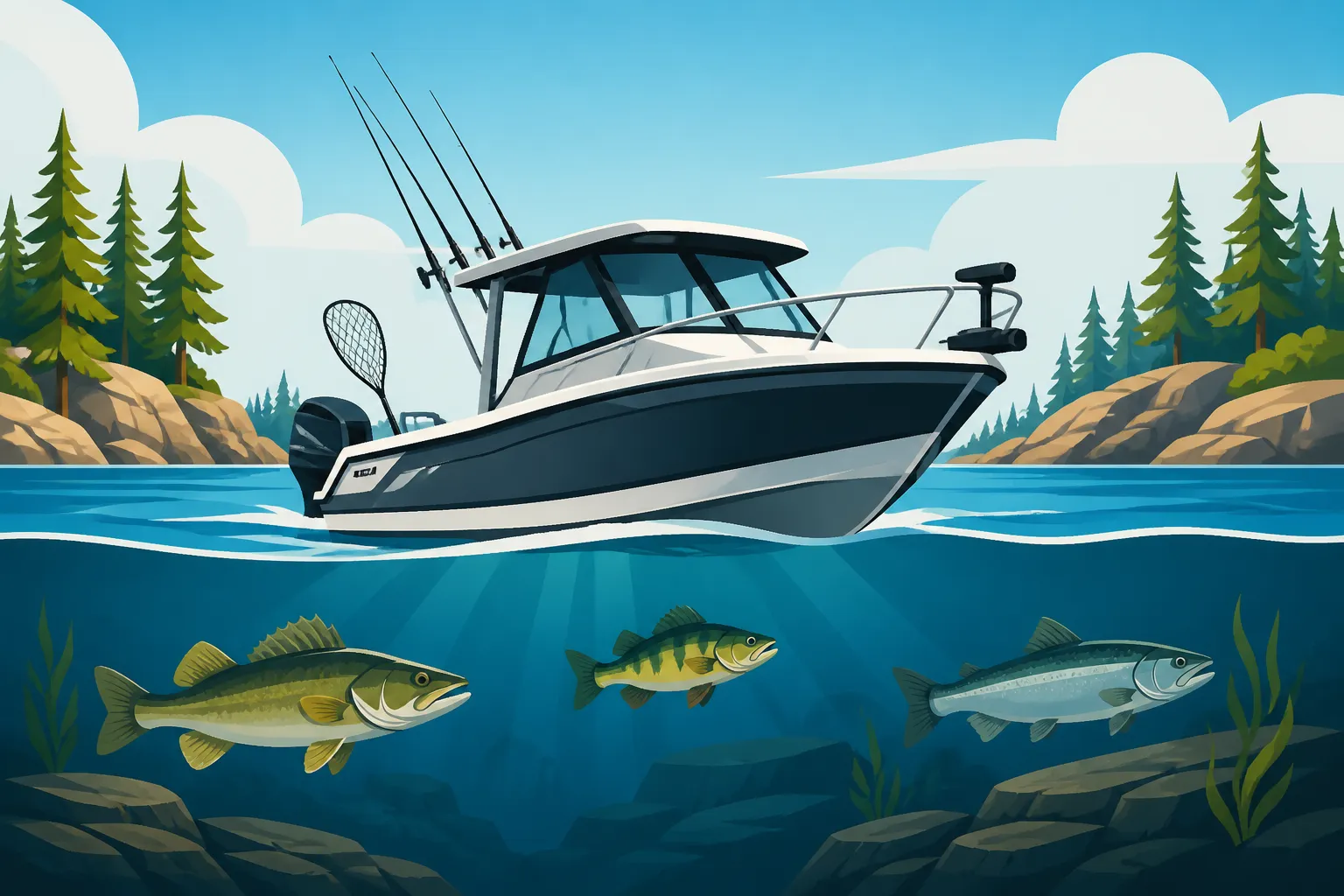
Oh, Georgian Bay! What a majestic, yet incredibly challenging, body of water to fish. Anyone who's spent a fair bit of time out there knows that it's not just a big lake; it's practically an inland sea, capable of turning from glass-smooth to a furious tempest in a blink. When you're dreaming of reeling in that trophy walleye, muskie, or lake trout, the last thing you want is to be white-knuckling it back to shore, wishing you had a different boat. Choosing the right fishing boat length for Georgian Bay isn't just about comfort; it's about safety, capability, and ultimately, whether you'll even want to go out there when the conditions aren't absolutely perfect. This guide will walk you through everything you need to consider, from the bay's unpredictable nature to your own fishing ambitions, so you can make an informed decision and enjoy your time on these incredible waters.
Understanding Georgian Bay's Unique Demands
Georgian Bay isn't your average lake. It's a vast expanse, one of the most beautiful and potentially treacherous stretches of water in Ontario. Its sheer size means it can develop significant wave action quickly, and its rocky, often shallow shoreline presents navigational challenges that demand respect. Before we even talk about specific boat lengths, it's crucial to understand what you're up against when you launch into these waters.
The Bay's Unpredictable Temperament
One of the first things you'll learn about Georgian Bay, often the hard way, is how quickly the weather can change. A beautiful, calm morning can morph into a windy, white-capped afternoon with surprising speed. Those long fetch distances – the uninterrupted stretches of water over which wind can blow – allow waves to build into substantial swells. What might feel like a fun chop on a smaller lake can become truly uncomfortable, even dangerous, on Georgian Bay if your boat isn't up to the task.
Imagine you're out near the 30,000 Islands, enjoying a peaceful morning of casting for bass. Suddenly, a storm rolls in from the west, and those gentle rollers turn into three or four-foot waves. If you're in a smaller, lighter boat, that ride back to the marina isn't just unpleasant; it can be downright terrifying and a real test of your boat's seaworthiness. This unpredictable temperament is why many seasoned anglers on the bay will tell you that it's always better to be over-boated than under-boated. You need a vessel that can inspire confidence, not just on calm days, but when the unexpected happens, which it almost certainly will at some point.
Navigational Hazards and Fishing Styles
Beyond the weather, Georgian Bay is famous (or infamous) for its intricate network of shoals, reefs, and rocky islands. While these features create incredible fish habitat and breathtaking scenery, they also demand a boat that can navigate shallow water confidently or, conversely, a boat large enough to stay in safer, deeper channels without issue. Your fishing style plays a huge role here, too.
Are you primarily a bass angler, targeting the protected bays and rocky shorelines for Smallmouth Bass Fishing in Ontario? Or are you more interested in trolling the open waters for Lake Trout Fishing in Ontario or powerful salmon that roam the deeper sections? Perhaps you're chasing the elusive Muskellunge Fishing in Ontario in specific weed beds or rocky points. Each of these styles dictates different needs for your boat. Shallow water bass fishing might favour a boat with a shallower draft, while big water trolling absolutely requires a hull capable of handling open water swells for hours on end. The diverse fishery of Georgian Bay means your boat needs to be versatile or specialized, depending on your primary pursuit. A smaller craft might allow you to sneak into tight spots, but it restricts your range and comfort in open water. A larger boat offers security and capacity but might limit access to some skinny water honey holes. It's a constant balancing act.
Key Factors Influencing Your Boat Length Choice
When you're trying to figure out the "best" boat length for Georgian Bay, it's not a one-size-fits-all answer. There are several crucial factors that go beyond just handling waves, and they all interact to form the perfect (or imperfect) match for your personal fishing adventures.
Safety and Stability on Open Water
This is arguably the most critical consideration for Georgian Bay. A longer, wider, and heavier boat generally offers superior safety and stability, especially when those unexpected squalls kick up. It has more mass to cut through waves, a longer waterline to bridge multiple wave crests, and greater freeboard (the height of the boat's side above the water) to keep spray and waves out of the cockpit.
Think about it: a 16-foot aluminum tiller boat might be fantastic for a small, sheltered inland lake, but take it out on the open expanse of Georgian Bay when a northwest wind is blowing, and you'll quickly realize its limitations. You'll be pounded, soaked, and potentially feel quite unsafe. A boat in the 20-foot range, with a deeper V-hull, will handle those conditions much more predictably, providing a smoother, drier ride and giving you a greater margin of safety if you need to cover significant distances in choppy water. It's not just about getting to your fishing spot; it's about getting back home safely when conditions deteriorate. This extra measure of stability is paramount for anyone fishing Georgian Bay regularly, especially if you venture out into the more exposed sections like the open stretch between Parry Sound and Tobermory.
Comfort, Capacity, and Fishing Functionality
Beyond safety, comfort is a huge factor. No one wants to spend a day being relentlessly jostled and sprayed. A longer boat, usually combined with a wider beam (width), provides more deck space. This translates into more room to move around, store gear, and fish without bumping elbows with your companions. It also allows for more comfortable seating, better storage for tackle and coolers, and often, more sophisticated electronics.
Consider how many people you typically fish with. If it's just you and a buddy, a slightly smaller boat might suffice. But if you plan on bringing the family, or two or three fishing pals, you'll appreciate the extra room a longer boat provides. More space also means dedicated areas for rods, tackle boxes (which you can find a great selection of at Bass Pro Shops), and coolers, reducing clutter and trip hazards. Fishing functionality includes things like a larger livewell, a more stable casting platform, and space for multiple rod holders when trolling. These elements directly impact the quality of your fishing experience. Imagine trying to manage a net, a thrashing Northern Pike Fishing in Ontario, and three rods in a cramped 17-footer when a 22-foot boat would give you ample room to handle the situation calmly.
Maneuverability, Storage, and Trailering
Now, here's where the compromise often comes in. While larger boats offer many advantages, they come with trade-offs in terms of maneuverability, storage, and ease of trailering. A boat that's 22 feet or longer can be a dream on the open water, but docking it in a crowded marina, navigating tight channels, or launching it single-handedly can be a challenge.
Storage is another real-world consideration. Do you have a garage or a spacious driveway to store a large boat? Or will it need to be kept at a marina, incurring additional costs? Trailering a bigger boat requires a more capable tow vehicle, often a larger truck, and can be more cumbersome on highways and at public boat launches. Many popular Georgian Bay access points, especially those closer to cities like Parry Sound or Midland, can get very busy, and trying to launch a 24-foot boat with a large trailer can quickly become a stressful ordeal if you're not experienced. Smaller boats, in the 16-18 foot range, are often much easier to launch, retrieve, and store, making them a more practical choice for anglers with limited storage space or smaller tow vehicles. It's important to be realistic about your capabilities and available resources.
Common Boat Length Ranges and Their Suitability for Georgian Bay
Let's break down the common boat length ranges and see how they stack up against the demands of Georgian Bay fishing. Remember, these are general guidelines, and hull design, beam, and weight also play significant roles.
16-18 Foot Boats: The Nimble Angler's Choice
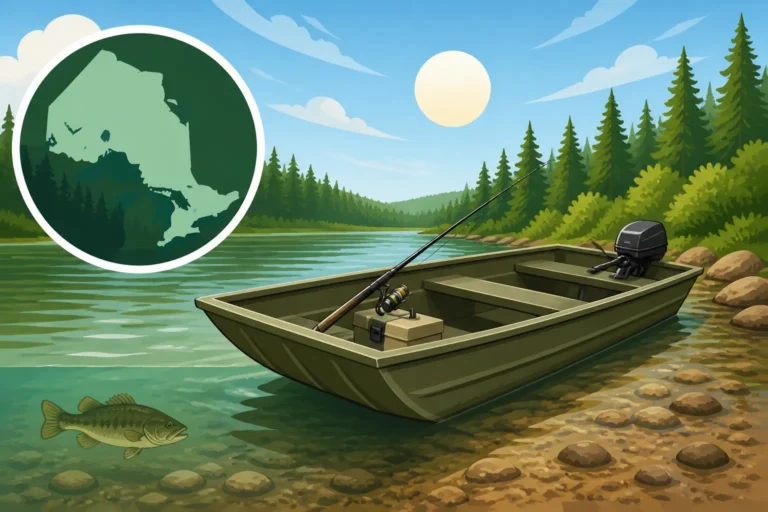
For many, a boat in the 16 to 18-foot range is a fantastic entry point into Georgian Bay fishing. These are typically aluminum fishing boats, often equipped with a tiller or side console.
Pros:
- Maneuverability: These boats excel in tight spots, making them perfect for exploring the intricate channels and protected bays of the 30,000 Islands, or sneaking into shallower areas to target bass and pike. They're also much easier to handle at crowded docks and launches.
- Ease of Trailering and Storage: A major advantage here. Most mid-size SUVs or smaller trucks can comfortably tow a boat in this range, and they often fit into a standard garage or take up less space in a driveway. Launching and retrieving is usually a breeze, even for a single person.
- Fuel Efficiency: Lighter boats require less horsepower and consume less fuel, making them more economical to operate.
- Cost-Effective: Generally, these boats are more affordable to purchase, insure, and maintain.
Cons:
- Limited Open Water Capability: This is their biggest drawback on Georgian Bay. In anything more than a gentle chop, a 16-18 footer will deliver a wet, pounding ride. Those longer runs across open water become uncomfortable, and even dangerous, if the weather turns. Your fishing days will often be dictated by calmer forecasts.
- Reduced Capacity and Comfort: Space is at a premium. While you can comfortably fish two people, adding a third or a lot of gear can make it feel cramped. Storage is also more limited.
- Less Stable for Trolling: While fine for casting, the lighter weight and shorter length can make them less stable for long hours of trolling, especially if multiple lines are out or you're fighting a large fish in choppy conditions.
Ideal for: Anglers who primarily fish the more sheltered channels and bays, venture out on calm days, prioritize ease of trailering and storage, and fish with one or two people at most. If your focus is on Best Kayak Fishing Spots in Ontario or nearshore bass in the summer, this size might be perfect.
19-21 Foot Boats: The Versatile Workhorse
Many consider the 19 to 21-foot range to be the "sweet spot" for Georgian Bay fishing, offering a great balance between capability and practicality. These boats often come in both aluminum and fiberglass designs, with deep-V hulls.
Pros:
- Improved Open Water Handling: These boats can handle moderate chop and waves much better than their smaller counterparts. They offer a drier, smoother ride and a greater sense of security when covering longer distances or encountering less-than-ideal conditions.
- Increased Comfort and Capacity: More deck space means more room for anglers, gear, and amenities. You can comfortably fish three or even four people, and there's often better in-floor or side storage for rods and tackle.
- Good Versatility: They're capable of both nearshore casting and venturing further out for trolling. This versatility makes them excellent for exploring the full spectrum of Georgian Bay's fishing opportunities.
- Acceptable Trailering: While heavier than smaller boats, they are still manageable for most half-ton trucks and some larger SUVs. Launching and retrieving, while requiring a bit more effort, is generally still very doable at most ramps.
Cons:
- Still Challenged by Big Water: While better than smaller boats, they can still be pushed to their limits in significant swells (e.g., 3-4 foot waves consistently). Long runs in truly rough conditions will still be a challenge.
- Higher Cost and Fuel Consumption: Expect a noticeable jump in purchase price, insurance, and fuel costs compared to 16-18 footers.
- Storage Can Be an Issue: They require more space for storage, potentially pushing them out of a standard garage.
Ideal for: The angler who wants to explore more of Georgian Bay, including some open water stretches, fishes regularly with two to three people, values comfort and safety, and has a capable tow vehicle. If you're targeting Walleye Fishing in Ontario in open water or venturing out for multi-species days, this size offers a great compromise.
22-24+ Foot Boats: The Big Water Hunter
For those who are serious about tackling Georgian Bay's biggest waters, or who fish frequently in varied conditions, boats in the 22 to 24-foot range and larger are the ultimate choice. These are typically deep-V fiberglass boats, often cuddy cabins or larger centre consoles.
Pros:
- Superior Open Water Performance: This is where these boats truly shine. They are designed to cut through big waves, offer exceptional stability, and provide the driest and most comfortable ride in challenging conditions. You'll feel much safer and more confident venturing far from shore.
- Maximum Comfort and Capacity: Ample deck space, often with a large beam, means plenty of room for multiple anglers, all their gear, and even overnight accommodations in some models. They often feature larger livewells, advanced electronics (which you can often find great deals on through Amazon), and comfortable seating.
- Extended Range: With larger fuel tanks and better sea-keeping abilities, these boats can cover vast distances, opening up more remote fishing grounds on Georgian Bay.
Cons:
- High Cost of Ownership: This is the most significant barrier. Purchase price, insurance, maintenance, fuel consumption, and marina fees are substantially higher.
- Difficult to Trailer and Launch: These boats require a heavy-duty tow vehicle (usually a 3/4 ton or 1-ton truck) and can be very challenging to launch and retrieve, especially at busy public ramps. Many owners opt for permanent dockage.
- Limited Shallow Water Access: Their deeper draft can restrict access to some of Georgian Bay's shallower back bays and hidden fishing spots, requiring more careful navigation.
- Maneuverability Challenges: Handling these boats in tight marinas or strong currents requires skill and experience.
Ideal for: Dedicated big water anglers, charter captains, or those who frequently fish far from shore in all but the most extreme conditions. If your goal is primarily offshore trolling for salmon and trout, or serious tournament fishing, and you have the budget and infrastructure (tow vehicle, storage, docking) to support it, this is the size for you.
Here's a quick comparison table to help visualize the differences:
| Boat Length Range | Typical Wave Handling (Georgian Bay) | Capacity & Comfort | Maneuverability & Storage | Ideal Fishing Style |
|---|---|---|---|---|
| 16-18 ft | Calm to Light Chop | 2-3 people, basic | Easy to trailer/store | Sheltered bays, nearshore casting |
| 19-21 ft | Moderate Chop to Small Waves | 3-4 people, good | Manageable to trailer/store | Versatile, some open water, casting & light trolling |
| 22-24+ ft | Significant Waves to Rough Conditions | 4-6+ people, high | Challenging to trailer, often needs dockage | Big water trolling, offshore, all-weather angling |
Matching Your Boat Length to Your Fishing Style and Budget
Now that you have a sense of the different boat categories, let's tie it all together with your personal fishing aspirations and, let's be realistic, your budget.
The Recreational Angler: Balancing Dreams with Reality
Most of us fall into this category. We love to fish, but it's not our full-time job. We want to enjoy our time on the water, catch some fish, and feel safe doing it. For the recreational angler on Georgian Bay, a 19 to 21-foot boat often hits that sweet spot. It provides enough capability to confidently venture out on most good weather days, offers a reasonable level of comfort for friends and family, and remains practical in terms of trailering and storage for many. You can still access many fantastic fishing spots, whether you're targeting smallmouth bass in the inlets or trying for Walleye Fishing in Ontario in the more open sections.
If your budget is tighter, or if your primary focus is strictly on protected areas, a well-built 18-footer with a deeper V-hull can still be a good option. You'll just need to be extra vigilant about checking the weather forecast and be prepared to stay in sheltered waters when the wind picks up. Remember, it's not just about the length; a quality hull design in a slightly shorter boat can outperform a poorly designed longer one. Always prioritize stability and a deep-V design for Georgian Bay. Don't forget to review Ontario Boating Laws for Anglers and ensure you meet all safety requirements, no matter the boat size.
The Avid Angler: Pushing the Limits
If you're an avid angler, someone who fishes Georgian Bay frequently, in varying conditions, and targets a wider range of species, you'll likely lean towards the upper end of the 19-21 foot range or even into the 22-24+ foot category. This is for the person who isn't deterred by a bit of chop and wants to chase that elusive trophy Muskellunge Fishing in Ontario or spend long days trolling for Chinook Salmon in Lake Ontario.
These anglers often prioritize fishing time over convenience of trailering. They might invest in a heavier-duty tow vehicle and consider seasonal dockage to maximize their time on the water. The extra space allows for more advanced electronics, multiple rod setups for different species, and the ability to comfortably bring along a larger crew or more specialized gear. If you're planning multi-day trips or regularly venturing to the more remote areas of the bay, the enhanced safety and capacity of a larger vessel will be invaluable. Look for boats with plenty of storage, robust construction, and reliable engines. Brands like Lund, Crestliner, and Ranger often offer models in this size category that are well-suited for big water.
Budget Considerations for All Anglers
Let's not forget the elephant in the room: cost. A larger boat isn't just more expensive to buy; it's more expensive to own.
- Purchase Price: This is obvious, but the jump from an 18-foot aluminum to a 22-foot fiberglass can be substantial.
- Engine Size & Fuel: Larger boats need larger engines, which means higher upfront cost and significantly more fuel consumption. A long run across Georgian Bay in a big boat can easily burn a lot of gas.
- Insurance: Bigger, more powerful boats generally have higher insurance premiums.
- Maintenance: More complex systems, larger engines, and greater exposure to harsh elements mean potentially higher maintenance costs.
- Storage & Dockage: If you can't store it at home, marina fees can add up quickly. A slip on Georgian Bay can be a significant annual expense.
- Trailer & Tow Vehicle: Don't forget to factor in the cost of a suitable trailer and the need for a powerful enough vehicle to safely tow it. A 24-foot boat, motor, and trailer can easily weigh over 5,000 lbs, requiring a capable truck.
It's crucial to create a realistic budget that accounts for all these aspects. Sometimes, a slightly smaller, well-maintained boat that fits your budget for all its associated costs will get you on the water more often and with less stress than stretching for a bigger boat that becomes a financial burden. You can find many fishing accessories and boat safety gear, like reliable life jackets, on Amazon or at Bass Pro Shops to help you save a little money on the peripherals, but the core boat cost is the biggest chunk. For safety, always ensure you have enough Life Jacket Requirements for Ontario Boaters for everyone onboard.
Conclusion: Finding Your Perfect Match for Georgian Bay
Choosing the best fishing boat length for Georgian Bay is a deeply personal decision, one that balances your desire for adventure with practical realities. There's no single right answer, but by carefully considering the bay's unique characteristics, your personal fishing style, how many people you typically fish with, and your overall budget, you can narrow down the options.
Whether you opt for a nimble 18-footer that allows you to explore the sheltered nooks and crannies on calmer days, or a robust 22-foot deep-V that confidently tackles the vast open water, the goal remains the same: to enjoy the incredible fishing opportunities that Georgian Bay has to offer, safely and comfortably. Don't rush the decision. Talk to experienced Georgian Bay anglers, visit boat shows, and if possible, even try to get out on different size boats to feel the difference. A well-chosen boat isn't just a purchase; it's an investment in countless unforgettable days on one of Ontario's most spectacular fisheries.
Disclaimer
This article is for general informational purposes only and does not constitute professional advice. Laws, prices and regulations vary by location and change over time. Consult a qualified professional for guidance on your specific situation.