Best pedal kayak for hands-free fishing
There's nothing quite like the tranquility of fishing, but let's be honest, trying to juggle a paddle, a rod, and a wriggling fish can quickly turn that peaceful outing into a frustrating dance. Many of us have felt the pain of missing a crucial cast because our hands were occupied maintaining position, or worse, watching a trophy get away because we couldn't effectively fight it while simultaneously battling the wind. If you're an Ontario angler dreaming of truly hands-free fishing, where you can focus solely on the bite, then a pedal kayak might just be the game-changer you need. This guide will walk you through everything you need to know to pick the best pedal kayak for your Ontario fishing adventures.
Why Pedal Kayaks Are a Game Changer for Ontario Anglers
The rise of pedal kayaks has revolutionized the angling world, and for good reason. For those of us who spend countless hours on Ontario's diverse waters, from the vastness of Lake Erie to the winding flows of the French River, the advantages are clear and compelling.
The Freedom of Hands-Free Fishing
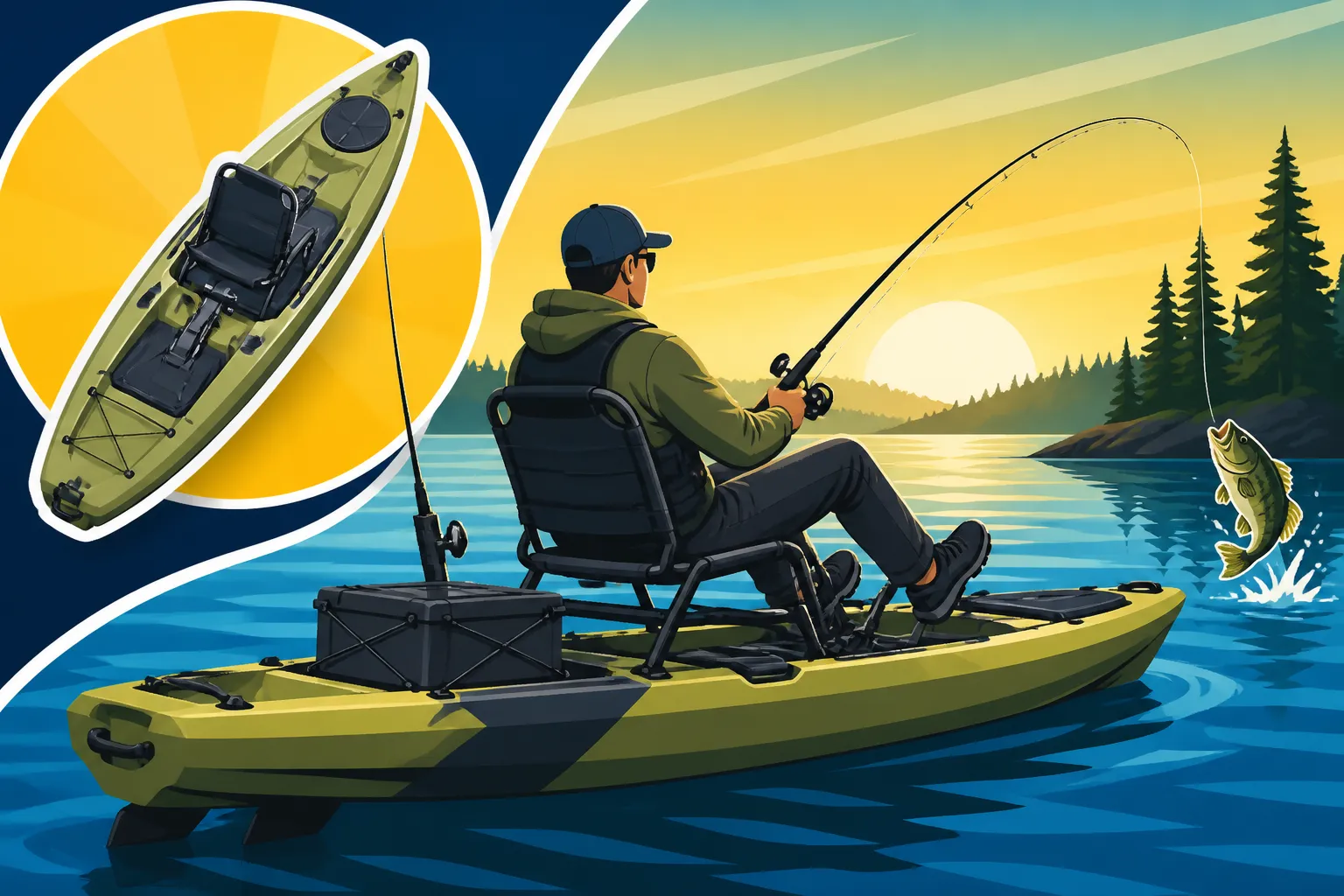
Imagine this: you've located a promising weed bed on Lake Simcoe where smallmouth bass are lurking. With a traditional paddle kayak, you'd be constantly adjusting your position, perhaps dropping an anchor, or holding your paddle between your knees while trying to cast. With a pedal kayak, your feet do the work, leaving your hands entirely free. You can continuously cast, retrieve, and adjust your lure presentation without interruption. When that powerful strike hits, both hands are on your rod, ready to set the hook and battle the fish. This isn't just about convenience; it's about maximizing your effectiveness as an angler. You can react quicker, maintain better control, and truly immerse yourself in the fishing experience.
This freedom also extends to simple, yet crucial, tasks on the water. Need to grab a drink, re-tie a lure, or check your fish finder? No problem. Your feet keep you moving or holding steady, freeing up your hands for whatever you need. It’s like having an extra pair of hands dedicated solely to propulsion, allowing you to focus on the business of catching fish.
Enhanced Stealth and Positioning
One of the often-overlooked benefits of a pedal kayak is the stealth factor. Paddles, especially if not used smoothly, can create splashes and noise that spook wary fish. Pedal drives, particularly the fin-style systems, operate with minimal disturbance. You can glide silently into shallow coves or along shorelines where big pike and muskellunge might be hiding, giving you the element of surprise. The ability to slowly creep up on a spot, or to hold your position against a light current without frantic paddling, makes a huge difference, especially in pressured waters.
Furthermore, maintaining a precise position is effortless. Whether you're drift fishing for walleye on a large lake or trying to work a specific rock pile for smallmouth, the ability to simply pedal backward or forward with your feet allows for incredibly precise boat control. This means you can keep your lure in the strike zone longer, without having to re-position your entire setup. It's a game-changer when you're targeting specific structure or trying to stay on a school of fish. You’ll be surprised how much longer you can fish effectively when you're not constantly battling the elements with a paddle.
Covering More Water with Less Effort
Ontario's lakes can be vast and intimidating. Trying to paddle across a large bay on Lake Nipissing Fishing Guide or covering long stretches of the Ottawa River in search of prime spots can be exhausting with a traditional kayak. Pedal kayaks, by engaging your powerful leg muscles, allow you to cover significantly more water with far less fatigue. This means you can reach those remote honey holes faster and save your upper body strength for fighting fish.
The increased speed and efficiency also mean you can explore more areas in a single outing. Instead of being limited to a small section of a lake, you can venture further, try different depths, and find new fishing grounds without feeling completely drained by the end of the day. This expanded range opens up a world of possibilities for exploring Ontario's incredible fisheries, letting you chase the bite wherever it leads.
Key Features to Look for in an Ontario Fishing Pedal Kayak
When you start looking at pedal kayaks, you'll quickly realize there's a lot of variety out there. To ensure you pick the best one for your Ontario fishing adventures, it's crucial to understand the key features and how they'll impact your time on the water.
Drive System Types Propeller vs. Fin
The heart of any pedal kayak is its drive system. Generally, you'll encounter two main types: propeller drives and fin drives. Each has its strengths and weaknesses, making one potentially more suitable for your specific fishing needs in Ontario.
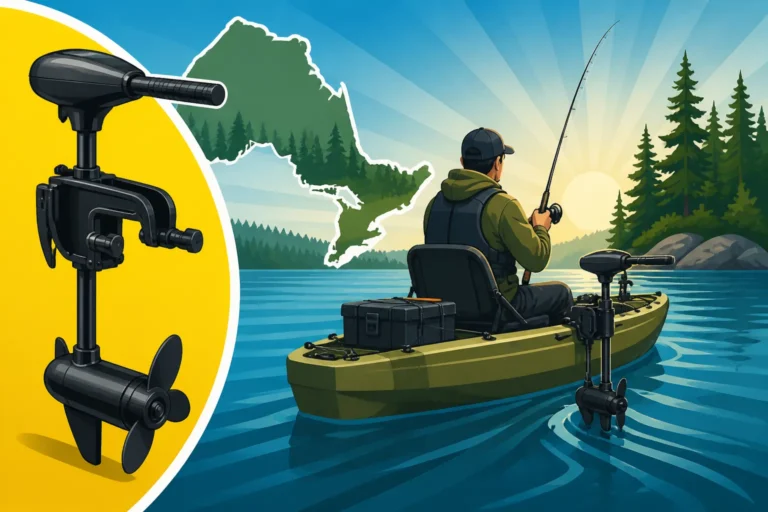
Propeller drives, often seen in kayaks from brands like Native Watercraft, operate much like a small outboard motor, but powered by your legs. They tend to offer strong forward thrust and are often excellent for covering long distances efficiently. Many modern propeller drives also feature a reverse function, which is incredibly useful for precise boat positioning, backing out of tight spots, or maintaining your location while fighting a fish. The main drawback can be their draft; the propeller extends below the hull, making them susceptible to hitting rocks or weeds in very shallow water. If you're fishing a lot of shallow rivers or weed-choked bays, you'll need to be mindful of this.
Fin drives, popularized by Hobie Cat's MirageDrive system, use two fins that flutter back and forth like a penguin's wings. These systems are often praised for their incredible stealth and efficiency, creating very little disturbance in the water. They are typically better for extremely shallow water since the fins can often fold up against the hull or articulate to clear obstructions. Some fin drives now offer a reverse function, which is a huge bonus, while older models might require manual effort or an additional accessory to go backward. If you’re often exploring the shallow, clear waters of northern Ontario's remote lakes or targeting spooky fish in skinny water, a fin drive can be a fantastic choice. However, they might not offer the same burst of speed as some propeller drives.
| Drive System Type | Pros | Cons | Best For |
|---|---|---|---|
| Propeller | Strong forward thrust, often has reverse, good for speed | Can hit obstructions in shallow water/weeds, more vulnerable to damage | Open water, covering long distances, precise maneuvering |
| Fin | Very stealthy, excellent for shallow water/weeds, efficient | May not have reverse (older models), can be slower than propeller | Shallow water, spooky fish, subtle movements, weed beds |
Stability and Hull Design
For any angler, stability is paramount. You need a platform that feels secure enough to cast comfortably, reel in a heavy fish, and potentially even stand up for better visibility or to stretch your legs. The hull design plays a massive role here. Wider kayaks, often with pontoon or tunnel hull designs, will provide much greater initial and secondary stability. Initial stability is how stable the kayak feels when you first get in or are sitting still. Secondary stability refers to how stable it feels when it's rocked or leaned over, which is crucial when battling a fish or navigating choppy water.
Many fishing-specific pedal kayaks are designed with stability in mind, often sacrificing a bit of speed for a more robust platform. Look for a kayak that feels solid underfoot, especially if you plan on standing. If you're going to be fishing big, open waters like the Great Lakes or Georgian Bay, where conditions can change rapidly and quickly become choppy, superior stability isn't just a comfort; it's a safety feature. A stable hull allows you to focus on the fishing, rather than constantly worrying about tipping over.
Storage and Rigging Options
A fishing kayak isn't much good without adequate storage and ways to rig your gear. Think about how much tackle, rods, and other equipment you typically bring for a day on the water. You'll want generous tank wells (open storage areas, usually at the stern) for coolers, tackle crates, or dry bags. Many pedal kayaks also feature bow hatches for additional dry storage, perfect for extra layers, snacks, or safety gear.
Beyond just space, look for integrated rod holders (flush mounts and adjustable models), accessory tracks (often called gear tracks or rail systems) for mounting fish finders, GPS units, camera mounts, or additional rod holders. Consider if the kayak is "transducer ready," meaning it has a dedicated scupper or mounting plate for your fish finder transducer, making installation much cleaner. Some advanced models might even be pre-wired for a battery or have mounting points for a shallow water anchor system. The more integrated rigging options a kayak has, the easier it will be to customize it to your specific Best Tackle Box Setup for Ontario Anglers and fishing style.
Comfort for Long Days on the Water
Fishing, especially in Ontario, often means long days out on the water. A comfortable seat is not a luxury; it's a necessity. Modern fishing kayaks have come a long way from the molded-in seats of old. Look for a framed seat that sits off the deck, providing better air circulation and ergonomic support. Adjustability is key: can you slide the seat forward or backward to optimize your pedaling position? Does it offer lumbar support?
Being comfortable will significantly extend your time on the water and reduce fatigue, allowing you to focus on the fishing rather than a sore back. Imagine spending hours pedaling on Lake of the Woods Fishing Guide or working a shoreline for bass; a good seat makes all the difference. Some seats are even designed to be easily removed and used as a camp chair, adding to their versatility. Don't underestimate the importance of a quality seating system when making your decision.
Top Considerations for Choosing Your Pedal Kayak in Ontario
Choosing the right pedal kayak for Ontario fishing goes beyond just understanding the features; it involves aligning those features with your personal fishing style, practical needs, and the specific types of waters you plan to explore.
Budget vs. Features – Finding the Sweet Spot
Let's be real, fishing gear can add up, and pedal kayaks are a significant investment. Prices can vary widely, from entry-level models to high-end, feature-packed vessels. It’s tempting to go for the cheapest option, but remember that a kayak is an investment in your enjoyment and effectiveness on the water. On the flip side, you don't necessarily need every single bells and whistles if you're primarily fishing small, local ponds.
Consider what features are truly non-negotiable for your fishing. Do you absolutely need reverse on your pedal drive for river fishing, or is covering distance paramount? Is standing stability a must-have for sight fishing, or are you mostly a seated angler? Brands like Pelican and Lifetime often offer more budget-friendly pedal options, while manufacturers like Hobie, Native Watercraft, and Old Town tend to be in the premium segment, packed with advanced features and robust build quality. Do your research, read reviews, and visit outdoor retailers like Bass Pro Shops to see models in person. Don’t forget to check online platforms like Amazon for deals on accessories or even kayaks themselves, but always verify seller reputation and return policies for such a large purchase.
Transportation and Storage
A big, stable fishing kayak is fantastic on the water, but it's a whole different beast when it comes to getting it to the water and storing it. Pedal kayaks are often heavier and bulkier than traditional paddle kayaks. Do you have a vehicle capable of safely transporting it? A roof rack system might suffice for lighter models, but for larger, heavier kayaks, a small trailer might be a more practical and safer solution.
Once you're home, where will it live? Do you have garage space, or will it need to be stored outdoors? If outdoors, investing in a good UV-resistant cover is crucial to protect it from the elements. Consider the weight and dimensions, especially if you'll be loading and unloading it solo. Some anglers opt for lighter, more compact models specifically because of transportation and storage limitations, even if it means sacrificing some on-water features. Think about your entire fishing process, from home to launch and back again.
Water Conditions You'll Primarily Fish
Ontario offers an incredible diversity of fishing environments. The "best" pedal kayak for you largely depends on where you'll be spending most of your time.
- Large, Open Lakes (e.g., Lake Erie, Lake Ontario, Georgian Bay): If you're tackling big waters, prioritize stability and a drive system that can handle choppy conditions and cover long distances efficiently. A propeller drive with good speed and reverse might be ideal here, allowing you to maintain course against wind and waves. A longer waterline can also contribute to better tracking in open water. For these conditions, consider checking out specific guides like Lake Erie Fishing Guide to understand the demands.
- Smaller Inland Lakes (e.g., Kawartha Lakes, Lake Muskoka): These waters might have less wind and chop but could have more weeds or shallow areas. A fin drive that can easily navigate over submerged vegetation or quickly retract for extremely shallow spots could be a huge advantage. Good maneuverability for working shorelines and docks is also important.
- Rivers (e.g., French River, Ottawa River, Grand River): Current is a major factor here. A drive system with strong reverse capabilities is almost essential for holding position, backing out of eddies, or maneuvering around obstacles. Durability is also key, as you might encounter rocks and logs. While a fin drive is stealthy, a robust propeller drive might offer more power to fight stronger currents. If you're specifically looking at river fishing, our guide on Best Kayak for River Fishing in Ontario might offer additional insights.
Matching your kayak's capabilities to your primary fishing grounds will ensure you have the most enjoyable and effective experience.
Making the Most of Your Pedal Kayak for Ontario Fishing
Once you've made the exciting decision and brought home your new pedal kayak, the journey truly begins! To get the most out of your investment and maximize your time on Ontario's waters, there are a few more steps and considerations.
Essential Accessories and Rigging
A pedal kayak is a fantastic base, but it truly shines when properly accessorized and rigged for fishing. Think about your safety first: a good quality PFD (Personal Flotation Device) is non-negotiable. Make sure it's comfortable for extended wear. An anchor system, whether it's a traditional anchor or a shallow water pole, is crucial for holding your position in wind or current, especially when fighting a fish or setting up on a prime spot. Always ensure you have all the necessary Life Jacket Requirements for Ontario Boaters and other safety gear onboard, as per regulations.
For fishing, a quality Best Fish Finders for Ontario Lakes is almost a must-have for locating structure and fish, especially on larger lakes. Invest in extra rod holders to keep different setups at the ready. A good paddle is still essential for emergencies, navigating very shallow water where the pedal drive can't operate, or simply to stretch your legs. Many anglers also add a small cooler or insulated bag for drinks and snacks, a dry box for electronics, and perhaps a net specifically designed for kayak use, which can be a lifesaver when landing larger fish like muskie or pike. Don't forget a secure way to hold your phone and keys!
Practice and Familiarity
Just like learning to drive a car, there's a bit of a learning curve with a pedal kayak. Take some time to get comfortable with the drive system in a calm, open area before heading out to a busy fishing spot or challenging waters. Practice pedaling forward and backward, turning in tight circles, and holding your position. Get a feel for how the kayak reacts to your input and how it handles in light wind or chop.
Practice launching and landing your kayak, especially if you're loading and unloading it yourself. Familiarize yourself with how to deploy and retrieve your drive unit safely. The more comfortable and confident you are with your kayak's handling, the more you'll be able to focus on the fishing itself. Consider starting on a smaller, familiar lake before tackling bigger adventures like Lake Huron Fishing Spots or complex river systems.
Maintenance Tips for Longevity
To ensure your pedal kayak serves you well for many seasons to come, regular maintenance is key. After each outing, especially if you've been in murky or silty water, give your kayak a good rinse with fresh water. Pay particular attention to the pedal drive unit, flushing out any debris, sand, or weeds. Inspect the propeller or fins for damage, and check all moving parts for wear.
Store your kayak out of direct sunlight when not in use, as UV rays can degrade the plastic over time. If storing outdoors, use a fitted cover. Lubricate any moving parts on the pedal drive as recommended by the manufacturer. Regularly inspect the hull for cracks or damage, and address any minor repairs promptly to prevent them from becoming bigger issues. A little proactive care goes a long way in protecting your investment and ensuring countless future hours of hands-free fishing enjoyment on Ontario's beautiful waters.
Disclaimer
This article is for general informational purposes only and does not constitute professional advice. Laws, prices and regulations vary by location and change over time. Consult a qualified professional for guidance on your specific situation.