Best rod holder setup for a fishing boat
Oh, the sheer joy (and sometimes, utter chaos) of a day out on the water, rods scattered everywhere, tripping hazards, or worse, a beloved rod bouncing out of the boat over a rogue wave! If you've ever felt that particular mix of exhilaration and frustration, then you know exactly why a well-thought-out rod holder setup for your fishing boat isn't just a luxury, it's an absolute necessity. This guide is going to walk you through everything you need to know to create a rod holder system that brings order, efficiency, and peace of mind to your Ontario fishing adventures, no matter what kind of boat you run.
Why a Proper Rod Holder Setup is a Game Changer for Your Fishing Boat
Let's be real, we've all been there. You're out on Lake Nipissing, the walleye are biting, and you've got three rods rigged for different presentations. One's leaning precariously against the gunwale, another is stuffed under a seat, and the third is tangled with your landing net. It’s a mess, it’s unsafe, and it’s definitely not conducive to landing that trophy fish. A proper rod holder setup transforms this chaos into calm, allowing you to focus on the fishing, not the fumbling.
The Frustration of Disorganized Rods
Imagine this: you've just boated a nice walleye, and as you're reaching for your pliers, your other rod, propped against the console, slides down and hits the deck with a sickening crack. Or perhaps you're cruising across a choppy section of Georgian Bay, and you glance back only to see a rod tip bouncing perilously close to the water, threatening to become an offering to the depths. These are the moments that make you want to pull your hair out, or at least invest in some serious therapy!
The truth is, loose rods are not only a nuisance, they're a hazard. They can get tangled, damaged, or even lost overboard. They can also create tripping hazards in a small boat, which is the last thing you want when you're trying to move quickly to net a fish or adjust your position. Beyond the immediate dangers, a disorganized boat just adds a layer of stress to what should be a relaxing day. It pulls your focus, wastes time, and can genuinely detract from the overall enjoyment of your outing. This is where a dedicated system shines, ensuring every rod has its place, ready for action or safely stowed away.
Enhanced Efficiency and Safety on the Water
When your rods are securely held in proper holders, everything changes. You can troll multiple lines without them getting tangled, which is especially critical when you're targeting species like lake trout in deep water or running multiple lines for Lake Erie Walleye Fishing. Each rod is ready for a strike, positioned optimally for the lure it's presenting, and easily accessible the moment you need to grab it. This level of organization drastically improves your fishing efficiency.
Beyond efficiency, safety is paramount. Rod holders keep sharp hooks and lures away from hands and eyes, especially important if you have kids or pets on board. They free up valuable deck space, making it safer to move around your boat, whether you're battling a fish, deploying an anchor, or simply enjoying a snack. Knowing your expensive rods and reels are secure, even when you hit a patch of rough water or have to make a sudden turn, provides immense peace of mind. It allows you to concentrate on navigation, spotting fish, or simply enjoying the beautiful Ontario scenery without constantly worrying about your gear.
Deciphering the Different Types of Rod Holders
Stepping into the world of rod holders can feel a bit overwhelming, with so many options available. Each type has its own strengths and ideal applications, and understanding them is key to building the perfect setup for your boat and fishing style. Many of these are readily available at major retailers like Bass Pro Shops or online at Amazon.
Flush Mount Rod Holders: A Seamless Look
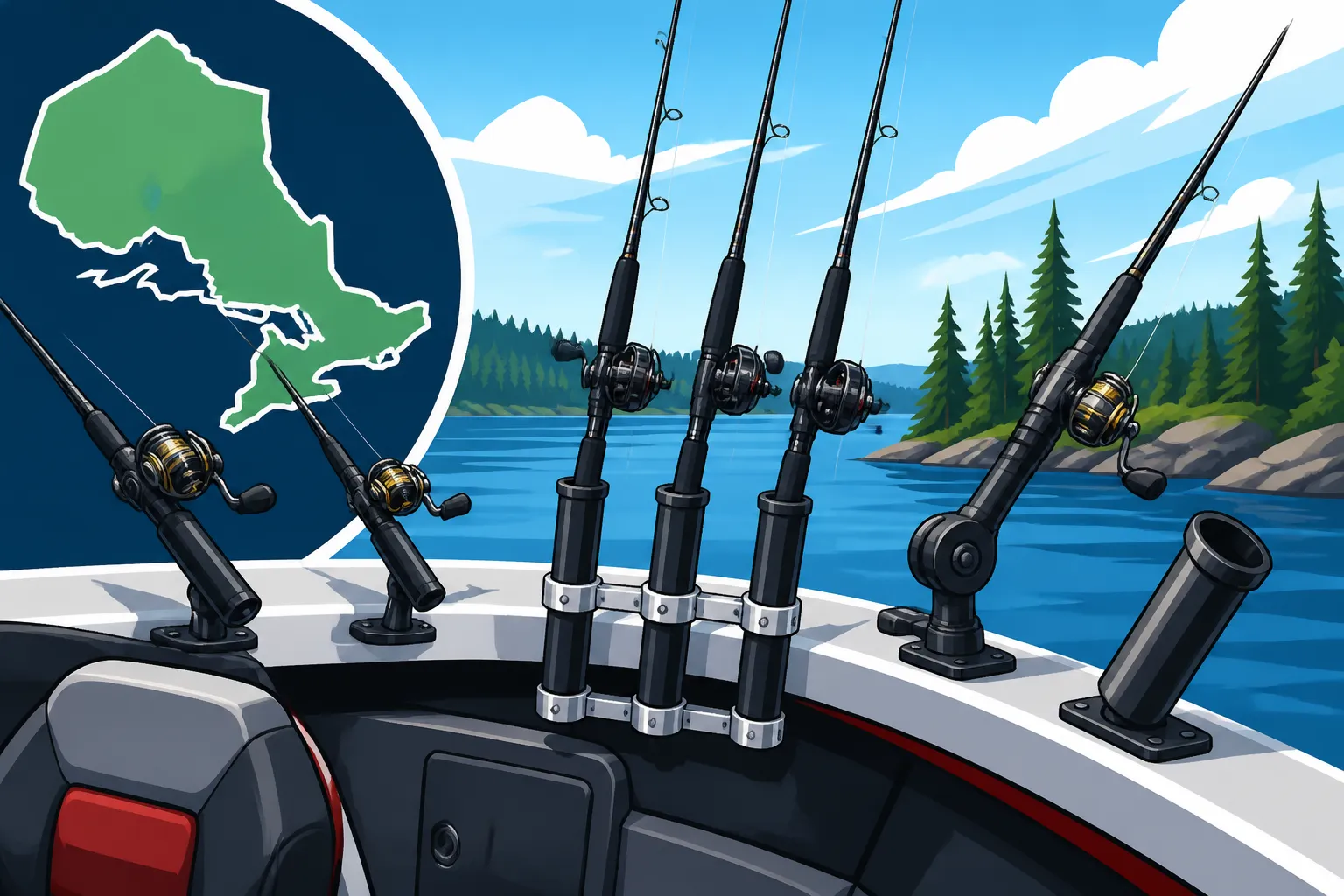
Flush mount rod holders are designed to be permanently installed into the gunwales or deck of your boat, sitting flush with the surface. They offer a very clean, factory-installed look and are exceptionally strong once properly secured. Typically made from stainless steel or robust plastic, they come in various angles (usually 0, 15, 30, or 90 degrees) to position your rod tips exactly where you want them.
The primary advantage of flush mounts is their strength and aesthetics. They don't protrude much when not in use, reducing snags and maintaining a tidy appearance. However, their installation requires drilling holes into your boat, which can be a daunting task for some and means their position is fixed. They're fantastic for trolling applications where a consistent rod angle is desired, like offshore salmon fishing on Lake Ontario or for Trolling Techniques for Ontario Lake Trout. For serious anglers who know exactly where they want their rods, and who prioritize a clean, integrated look, flush mounts are a top choice.
Clamp-On Rod Holders: Versatility and Ease
Clamp-on rod holders, as the name suggests, attach to the rails, gunwales, or other structural elements of your boat using a clamping mechanism. These are incredibly versatile because they don't require any drilling and can be easily moved or removed altogether. They are often made from strong plastics or aluminum and feature adjustable angles and rotation, allowing you to fine-tune your rod's position.
Their biggest draw is the flexibility they offer. You can experiment with different placements to find what works best for various fishing situations, or remove them entirely when you're using the boat for other activities. This makes them popular for smaller boats, rental boats, or for anglers who prefer not to make permanent modifications. While generally secure, it's crucial to ensure the clamp is tight and the holder is robust enough for the size of the rods and reels you'll be using. They might not offer the same absolute rigidity as a through-bolted flush mount, but for most recreational fishing, they are perfectly adequate and incredibly convenient.
Rail Mount Rod Holders: Secure and Accessible
Similar to clamp-on holders in that they attach to existing boat structures, rail mount rod holders are specifically designed to grip boat rails. They typically use a bolt-on or clamp-on mechanism that wraps around a circular or square rail. These are popular on boats with abundant railing, providing secure and easily accessible rod storage points along the perimeter of the boat.
Rail mount holders are excellent for positioning rods quickly and effectively. They're often used for drift fishing, still fishing, or even for casting setups where you want to temporarily rest a rod. Because they utilize existing rails, installation is often straightforward, and they provide a very stable platform. Their adjustability allows for various angles, making them adaptable for many fishing scenarios, from holding a rod while you re-tie a lure to setting a spread for trolling. Just ensure the rail diameter matches the holder's specifications for a secure fit.
Track System Rod Holders: Ultimate Customization
Track systems are the ultimate in customizable rod holder setups. These systems involve installing a track (usually a long piece of aluminum or composite material) along the gunwale of your boat. Various accessories, including rod holders, can then be slid into and locked anywhere along this track. This allows for unparalleled flexibility in positioning, angle, and even the type of accessory you use.
Imagine being able to instantly reconfigure your entire rod spread for different species or techniques – from a tight cluster for jigging to a wide spread for Muskellunge Fishing in Ontario with multiple rods. This adaptability is the main reason why track systems are so beloved by serious anglers, particularly those who engage in diverse fishing styles or guide trips. While the initial installation of the track itself involves drilling, the ability to effortlessly adjust and add/remove components makes them incredibly versatile. Brands like Scotty and Bert's Custom Tackle are well-known for their robust track systems, offering a huge array of compatible rod holders and other accessories.
Specialty Holders for Specific Applications
Beyond the main categories, there are also specialty rod holders designed for unique situations. Some examples include:
- Vertical Rod Holders: These are often found on the sides of consoles or inside rod lockers, designed to hold rods upright for storage or transport rather than actively fishing. They're fantastic for keeping extra rods organized and out of the way.
- Rocket Launchers: These are vertical rod holders mounted on a fixed frame, often found on the back of larger boats, providing elevated storage and sometimes used for high-angle trolling.
- Driftmaster or Spider Rigging Systems: Predominantly used in crappie or catfishing, these systems are designed to hold multiple rods (sometimes six or more) splayed out around the boat for slow trolling or drift fishing.
Each of these specialty holders solves a particular problem, allowing anglers to further tailor their setup to their exact needs.
Key Factors to Consider for Your Ontario Fishing Boat
Choosing the "best" rod holder setup isn't about finding a one-size-fits-all solution; it's about finding the right solution for you. This involves considering your specific boat, fishing habits, and even the types of fish you pursue in Ontario's diverse waters.
Matching Holders to Your Boat Type
Your boat's design plays a huge role in determining what kind of rod holders will work best.
- Small Aluminum Boats/Jon Boats: These often have limited flat mounting surfaces and may benefit greatly from clamp-on or rail mount holders. Their smaller size means space is at a premium, so flexibility is key. Consider a compact setup that can be easily removed to free up space. Best Jon Boats for Shallow Rivers often have minimal space, making adjustable options a smart choice.
- Deep V Walleye Boats/Multi-Species Boats: These boats are often designed with ample gunwale space, making them ideal candidates for track systems or flush mount holders. Many serious walleye anglers on bodies of water like Lake Erie or the Bay of Quinte opt for track systems to run multiple lines efficiently.
- Bass Boats: Often characterized by their sleek, low-profile design, bass boats typically use vertical rod storage in lockers for transport and rely on flush mounts or small, strategically placed clamp-ons for active fishing. The focus here is on casting, so holders are more for temporary rod rest.
- Larger Cruisers/Offshore Boats: These vessels often have robust gunwales and rails, allowing for heavy-duty flush mounts or rocket launchers. Durability and strength are paramount here, especially when battling large salmon or lake trout in rough conditions. Check out options suitable for Best Fishing Boats for Georgian Bay which can face significant chop.
Choosing the Right Material for Durability
The harsh realities of the outdoor environment, especially in Ontario where you might go from freezing temperatures to scorching sun, demand durable materials.
- Plastic/Composite: These are lightweight, corrosion-resistant, and often more affordable. High-quality composites can be surprisingly strong and are excellent for lighter to medium-duty applications, such as panfish or bass fishing. However, prolonged sun exposure can degrade some plastics over time, making them brittle.
- Aluminum: A good middle-ground, aluminum offers strength and corrosion resistance without the weight of stainless steel. It's often used in track systems and adjustable rod holders, providing a robust solution for a wide range of fishing. Anodized aluminum offers even better protection against the elements.
- Stainless Steel: The king of strength and corrosion resistance, stainless steel is ideal for heavy-duty applications, large species, and saltwater environments (though less common in Ontario, it speaks to its resilience). Flush mount holders are frequently made from stainless steel for maximum durability and a premium look. While more expensive, they are a lifetime investment.
When shopping, especially at places like Bass Pro Shops, pay attention to the material specifications and consider how they'll hold up to the elements and the rigors of your fishing style.
Selecting Holders for Your Primary Fishing Techniques
Your preferred fishing methods should heavily influence your rod holder choices.
- Trolling: If you're a dedicated troller for walleye, lake trout, or salmon, you'll need sturdy, adjustable rod holders that can withstand the constant pressure of lures in the water and the sudden shock of a strike. Track systems with adjustable rod holders are fantastic for creating a wide trolling spread. Look for holders with a secure locking mechanism and the ability to adjust the angle and direction easily. How to Catch Lake Trout in Ontario often involves trolling, making secure holders essential.
- Casting/Jigging: For active casting or jigging for smallmouth bass or pike, your rod holders might serve more as a temporary resting spot or for holding a spare rod. Flush mounts for quick rod placement or simple rail mounts are often sufficient. You'll want holders that allow for quick removal of the rod.
- Still Fishing/Anchored Fishing: If you frequently anchor up to fish for panfish, bass, or even walleye, adjustable holders that can be angled to keep your line out of the propeller wash or positioned for easy bite detection are great. Clamp-on holders can be very practical here for their flexibility.
Installation: DIY vs. Professional Considerations
Installing rod holders ranges from simple to complex, depending on the type.
- Clamp-on/Rail Mounts: These are typically very DIY-friendly. You simply tighten a clamp or bolt around a rail or gunwale. Always ensure they are super tight to prevent slippage, especially with a fish on!
- Track Systems: Installing the track itself requires careful measurement and drilling. While a confident DIYer can handle this, it's crucial to seal any drilled holes properly to prevent water intrusion.
- Flush Mounts: These require precise drilling of large holes into your boat's hull or deck. This is where many anglers opt for professional installation, especially on fiberglass boats, to ensure proper sealing, structural integrity, and a clean finish. Improper installation can lead to leaks or even compromise the boat's structure. Always use marine-grade sealant for any drilled holes.
Regardless of who does the installation, make sure the mounting hardware is appropriate for your boat's material and the intended use. Stainless steel bolts, nuts, and washers are usually the way to go to prevent corrosion.
Optimizing Your Rod Holder Placement for Ontario Angling
Once you've chosen your rod holders, where you put them on your boat is just as important as the holders themselves. Strategic placement can make all the difference in your fishing success and enjoyment.
Trolling Setups for Walleye and Lake Trout
For dedicated trollers, especially those chasing walleye on Lake Erie or lake trout in the deeper waters of Lake Superior or Lake Simcoe, an organized spread is critical. You're typically running multiple lines, often with different baits or depths, and you want to prevent tangles and maximize coverage.
- Aft (Rear) Holders: Position a pair of sturdy rod holders on either side of the transom, angled outwards at about 30-45 degrees. These are your primary trolling rods, keeping lines spread out behind the boat.
- Mid-Ship Holders: For a wider spread or to run planer boards, consider additional rod holders mounted further forward, perhaps at mid-ship or just behind the console. These can be angled even wider, or straight out to the sides, especially if using a track system that allows for easy adjustment. This allows you to run "short" and "long" lines without interference.
- Downrigger/Planer Board Integration: If you're using downriggers or large planer boards, ensure your rod holders are placed in close proximity for easy access when a fish hits. The rod needs to be able to "pop" out of the holder quickly to grab it and fight the fish. Many downrigger units come with integrated rod holders, which can be very convenient. When setting up for Walleye Fishing in Ontario or Lake Trout Fishing in Ontario via trolling, getting this right drastically improves your experience.
Remember to consider line of sight to your rod tips. You want to be able to see any action instantly, so avoid placing holders where they are obscured by other boat features.
Casting and Still-Fishing Convenience
Even if you're primarily a caster or still-fisher, rod holders are incredibly useful. They provide a safe place to rest a rod while you're unhooking a fish, re-tying a knot, or grabbing a cold drink.
- Console or Gunwale Mounted: For casting, a couple of flush mount or clamp-on holders near your main fishing position are ideal. These allow you to quickly drop a rod into the holder when you need two hands, keeping it secure and off the deck. Think about placing one or two within easy reach of where you typically stand or sit to cast.
- Around Seating Areas: If you primarily still-fish with friends or family, having adjustable rail mount or clamp-on holders near each seating position ensures everyone has a spot for their rod. This prevents rods from being left on the floor or leaning precariously, making the boat much more comfortable and safer for passengers.
- Vertical Storage: For extra rods that aren't actively being fished, vertical rod holders on the side of a console or in a dedicated rod locker are invaluable. They keep your valuable gear protected and out of the way, ready to be deployed if you need a different setup. Many modern boats offer great built-in storage, but aftermarket options from Bass Pro Shops can add even more capacity.
Maximizing Space in Smaller Boats
For those of us with smaller boats, like a 14-foot aluminum utility boat often used for Northern Pike Fishing in Ontario on smaller lakes, every inch of space counts. Rod holders here are about efficiency and clutter reduction.
- Multi-Purpose Holders: Look for holders that can do double duty or are easily adjustable. Clamp-on holders that attach to your gunwales are perfect because you can move them to accommodate different fishing styles or even remove them entirely when you're just cruising.
- Bow and Stern Concentration: Often, the most stable and useful areas for rod holders on a small boat are the bow and stern. A couple of sturdy clamp-ons at the stern can be great for trolling, while a single adjustable holder at the bow can be used for casting or still-fishing.
- Vertical Clamp-ons for Storage: If you have limited internal storage, consider vertical clamp-on rod holders that attach to the inside of your gunwales. These keep spare rods upright and out of the way, preventing them from getting stepped on or tangled. Even a simple bungee cord can secure them in place for transport.
Maintaining Your Rod Holders for Seasons of Service
You've invested time and money into getting the perfect rod holder setup. Now, let's talk about keeping them in top shape so they serve you well for years to come, especially with Ontario's varied weather conditions.
Regular Cleaning and Inspection
Just like any other piece of fishing gear exposed to the elements, your rod holders need some love. Water, fish slime, bait residue, and even just dust can build up and affect their performance and longevity.
- Rinse After Every Trip: The simplest yet most effective maintenance step is a thorough rinse with fresh water after every outing. This is especially important if you've been fishing in brackish or slightly salty waters (like parts of the St. Lawrence River). It helps remove any corrosive elements, dirt, or organic matter.
- Deep Clean Periodically: Every few trips, give your rod holders a more thorough clean with mild soap and water. Use a brush to get into any crevices or adjustable parts. For stubborn grime or oxidation on metal holders, a marine-grade metal polish can restore their shine. For plastic holders, a gentle boat cleaner will do the trick.
- Inspect Moving Parts: While cleaning, take the opportunity to inspect all moving parts. Check the clamps, adjustment screws, and locking mechanisms. Ensure they are free of debris and operating smoothly. A little marine-grade lubricant on threads and pivots can prevent seizing and keep them functioning easily.
- Check Mounting Hardware: Periodically inspect all mounting bolts, screws, and nuts for tightness and signs of corrosion. Loose hardware can lead to catastrophic failure, especially when a big fish hits. Tighten anything that feels wobbly and replace any corroded fasteners immediately with marine-grade stainless steel equivalents. This is crucial for both flush mounts and track systems.
Addressing Wear and Tear
Even the best rod holders will show signs of wear over time. Proactive maintenance can prevent small issues from becoming big problems.
- Rubber Inserts and Caps: Many rod holders come with rubber inserts or caps to protect your rod blanks from scratches and provide a snugger fit. These can wear out, crack, or fall out. Inspect them regularly and replace them if they're damaged. Replacements are usually inexpensive and widely available from marine supply stores or online at Amazon.
- Scratches and Dings: While cosmetic, deep scratches on metal holders can compromise protective coatings, leading to accelerated corrosion. Touch up any deep scratches on painted or anodized aluminum holders to protect the underlying metal. For stainless steel, minor scratches are less of a concern for function, but a polish can restore appearance.
- Corrosion Management: If you notice any signs of rust or oxidation on metal holders, address it promptly. For stainless steel, a rust remover specifically designed for marine applications can often eliminate surface rust. For aluminum, gentle scrubbing and polishing can help. Persistent corrosion indicates a deeper issue, and replacement might be necessary.
Winter Storage for Longevity
As the Ontario fishing season winds down and ice fishing begins, proper storage of your boat and its accessories is essential.
- Remove and Store Separately: If possible, remove clamp-on and rail mount rod holders from your boat for the winter. Clean them thoroughly, lubricate any moving parts, and store them in a dry, temperate place like your garage or basement. This protects them from harsh winter conditions and prolonged exposure to moisture, which can lead to corrosion and material degradation.
- Protect Permanent Installations: For flush mount or track system rod holders that remain on the boat, ensure they are meticulously cleaned and thoroughly dried. You might consider applying a protective wax or corrosion inhibitor to metal parts. If your boat is shrink-wrapped or covered, these holders will be protected from direct snow and ice, but condensation can still be an issue, so ensure good air circulation.
- Check for Cracks Before Spring: When you pull your boat out in the spring, before the Ontario Walleye Opener Dates by Zone, give all your rod holders a final inspection. Look for any new cracks (especially in plastic holders that might have become brittle in the cold), loose fittings, or signs of corrosion that developed over winter. Addressing these issues before your first trip out saves you hassle on the water.
By following these simple maintenance steps, your rod holder setup will not only look great but will also reliably perform season after season, keeping your rods safe and your fishing trips efficient.
Disclaimer
This article is for general informational purposes only and does not constitute professional advice. Laws, prices and regulations vary by location and change over time. Consult a qualified professional for guidance on your specific situation.