Best boat cover for winter storage
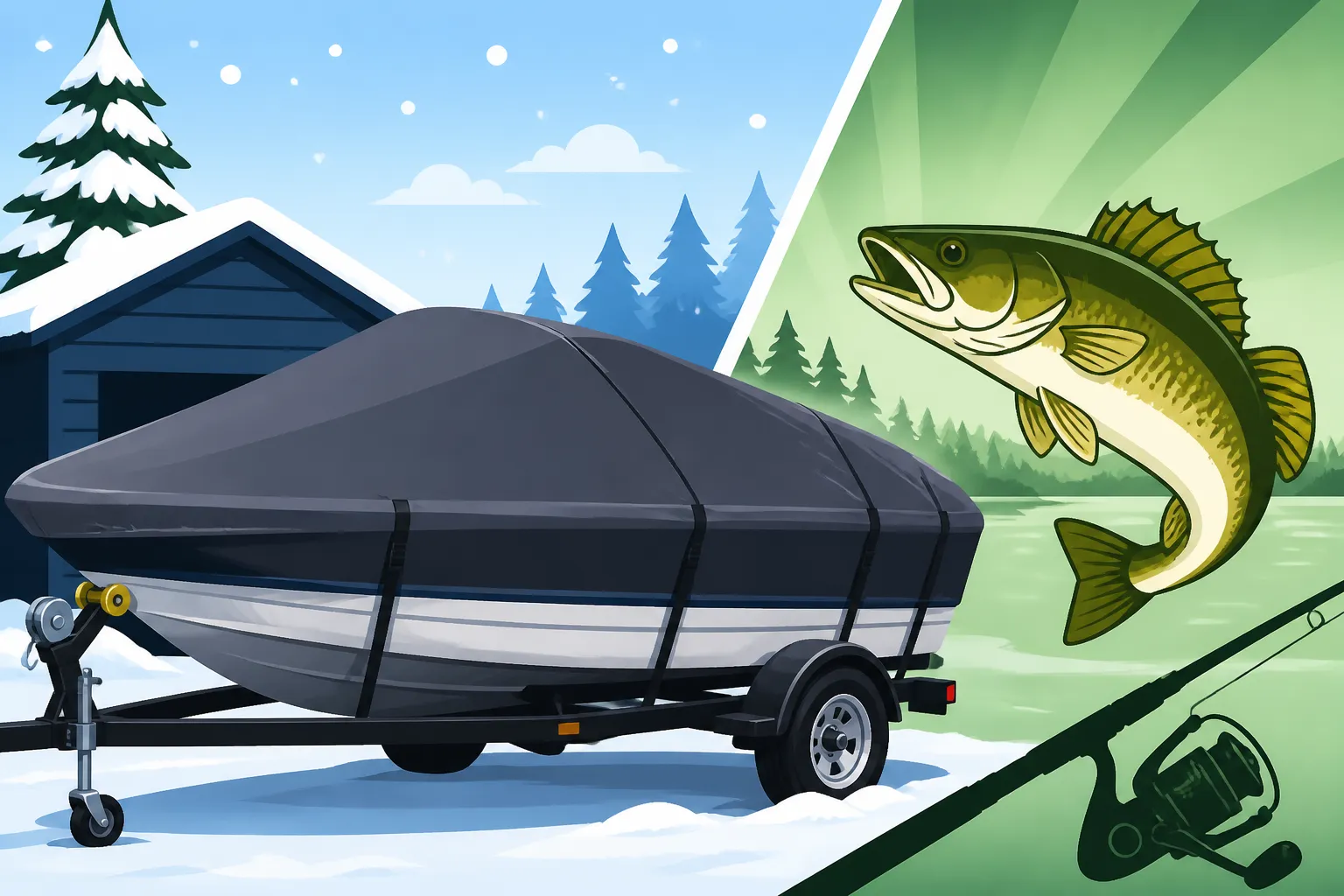
Ah, winter in Ontario. It's beautiful, isn't it? Snow-covered landscapes, crisp air… but for boat owners, it can also be a season of nagging worry. Leaving your prized possession exposed to the relentless elements, from freezing rain and heavy snowfall to harsh UV rays and curious critters, can lead to serious damage and costly repairs come spring. This guide is all about helping you understand why a good boat cover isn't just a luxury but an absolute necessity for winter storage, and what you need to look for to ensure your boat is perfectly protected through the long, cold months.
Why a Quality Boat Cover is Non-Negotiable for Ontario Winters
Let's face it, Ontario winters are no joke. They're long, they're cold, and they throw everything at us – sometimes all in one day! Just tossing a tarp over your boat and hoping for the best simply isn't going to cut it. A high-quality boat cover is your boat's first line of defense, a robust shield against the specific challenges our climate presents.
The Brutal Reality of Ontario's Winter Weather
Think about it: one day you have a foot of fresh, fluffy snow, the next it melts a bit, then freezes solid overnight into a heavy, icy crust. This freeze-thaw cycle is incredibly hard on any exposed surface, and your boat is no exception. A cheap, ill-fitting cover will quickly succumb to the weight of snow and ice, tearing or sagging, creating pockets where water can pool. This pooled water then freezes, expanding and potentially cracking fiberglass, weakening seams, or damaging interior components. We've all seen those boats in storage yards with broken support poles and covers sagging under snow load – that's precisely what we're trying to avoid. A proper winter cover is designed to shed snow and ice, distributing weight evenly and preventing those destructive pooling points. It acts like a robust, impenetrable skin, keeping the harsh elements from ever touching your boat's delicate surfaces.
Protecting Against Pests and Debris
It's not just the weather, either. Winter also brings out the determined little critters looking for a warm, sheltered place to set up shop. Mice, squirrels, and other rodents see your boat as a five-star hotel with a built-in pantry. They'll chew through wiring, upholstery, and even fiberglass to make a nest, leaving behind a mess and damage that can be incredibly frustrating and expensive to repair. A secure, snug-fitting cover, especially one that drapes low and can be tied down effectively, makes it much harder for these uninvited guests to gain entry. Beyond pests, there's always the accumulation of leaves, pine needles, branches, and other organic debris. This can clog drains, stain surfaces, and generally make for a grimy, unpleasant surprise when you unveil your boat in the spring. A robust cover keeps all of this out, meaning less cleaning and more time on the water when the season finally turns.
Maintaining Your Boat's Resale Value
Let’s be honest, our boats are significant investments. Protecting that investment isn't just about avoiding immediate repairs; it's about preserving its long-term value. A boat that has spent its winters properly covered will show far less wear and tear than one left exposed. UV radiation, even in winter, can degrade gel coats, fade upholstery, and crack plastics. Constant exposure to moisture promotes mildew growth and can lead to corrosion in electrical systems. When it comes time to upgrade or sell, a boat that has been meticulously cared for, evidenced by a pristine interior and exterior, will always command a higher price. Think of the cover as an insurance policy for your boat's future, ensuring it looks as good as it performs for years to come.
Key Features to Look for in a Winter Boat Cover
Choosing a boat cover isn't just about grabbing the first one you see. There's a science to it, especially when you're battling the distinct challenges of an Ontario winter. You need to consider materials, fit, and protective qualities carefully to ensure your boat is truly safeguarded.
Material Matters: Durability and Waterproofing
The heart of any good winter boat cover is its material. You're looking for something that's not just waterproof but also incredibly tough and resistant to the elements.
- Polyester vs. Canvas: While traditional canvas sounds nice, modern heavy-duty woven polyester fabrics are often superior for winter. Look for materials with a high denier count (e.g., 600D, 1200D), which indicates thickness and durability. These materials are less prone to tearing and abrasion, which is critical when they're under snow loads or rubbing against sharp edges.
- Coatings: Many quality polyester covers feature specialized coatings on the underside, often acrylic or urethane. These coatings are what truly make the fabric waterproof, preventing water from seeping through the weave. Make sure the coating is robust and applied evenly. Some advanced covers use multiple layers or laminations for enhanced protection.
- Breathability (to a degree): While you want waterproof, you also don't want your boat to suffocate. Some materials offer a degree of "breathability" or are designed to work in conjunction with ventilation systems to allow trapped moisture vapour to escape, preventing mildew buildup. This is a fine balance; you need enough waterproofing to keep the wet out, but enough breathability to let the boat dry.
Imagine a heavy, wet snowstorm hitting your boat. A flimsy, poorly coated cover will absorb water, becoming heavy, sagging, and eventually allowing moisture to wick through. A robust, well-coated cover, on the other hand, will cause the water to bead up and run off, keeping the boat beneath completely dry.
Fit and Security: Tailored vs. Universal
The fit of your boat cover is arguably as important as the material. A cover that's too loose will flap in the wind, causing abrasion against your boat's gel coat and potentially tearing itself apart. One that's too tight might not cover everything or could put undue stress on seams.
- Snug Fit: The ideal winter cover should fit snugly around the hull, extending below the rub rail. This ensures maximum protection and prevents wind from getting underneath and lifting the cover.
- Straps and Buckles: Look for covers with robust, adjustable strap systems that allow you to cinch the cover down tightly. Reinforced stitching around these attachment points is crucial, as this is often where covers fail first under stress. Some covers offer quick-release buckles, which are a godsend when you're trying to secure or remove the cover in freezing temperatures.
- Elastic Hems: A strong elastic cord sewn into the hem helps create that crucial snug fit around the boat's perimeter.
- Reinforced Stress Points: Pay attention to areas where the cover might rub against windshields, cleats, or bow rails. Extra reinforcement in these spots, often with additional layers of material, will significantly extend the life of your cover.
- Ventilation: This might seem counterintuitive for a winter cover, but proper ventilation is key. Covers with integrated vents, often covered flaps, allow air circulation to prevent condensation and mildew buildup without letting in precipitation. Without vents, you create a humid, stagnant environment perfect for mold and mildew.
Anti-Mildew and UV Resistance
Even in winter, UV rays can be surprisingly strong, especially on clear, sunny days with snow reflecting light. A good cover should offer UV protection to prevent the cover itself from degrading and to add an extra layer of defense for your boat's finishes. Furthermore, preventing mildew is paramount. While ventilation helps, some covers are treated with anti-mildew agents. This is particularly important in Ontario where we get significant humidity fluctuations even in winter, and where trapped moisture can become a serious issue. Imagine pulling off your cover in spring only to find fuzzy green patches on your upholstery – a nightmare scenario! Maintaining Your Boat's Resale Value is directly tied to preventing such issues.
Types of Boat Covers for Winter Storage
When it comes to choosing a boat cover for an Ontario winter, you'll generally encounter three main categories, each with its own advantages and considerations. Understanding the differences will help you make the best choice for your boat, your budget, and your storage situation.
Custom-Fit Covers: The Gold Standard
If you're looking for the absolute best protection and a cover that truly fits like a glove, a custom-fit cover is the way to go. These covers are specifically designed and manufactured for your exact make, model, and year of boat, often taking into account any factory-installed accessories like towers, swim platforms, or bow rails.
- Pros:
- Superior Protection: Because they hug every contour of your boat, custom covers offer unparalleled protection against wind, snow, ice, and pests. There's minimal flapping, which reduces wear on both the cover and your boat.
- Excellent Snow Shedding: The tight fit and engineered drape mean snow and ice slide off more easily, preventing pooling and heavy accumulation.
- Aesthetically Pleasing: They look sharp! No one wants their boat to look like a lumpy blob under a tarp.
- Durability: Often made from the highest quality, heavy-duty materials with reinforced stress points, they tend to last longer.
- Cons:
- Cost: This is typically the most expensive option, a significant investment upfront.
- Lead Time: Custom covers need to be made, so you can't just pick one up off the shelf. You'll need to order well in advance of winter.
- Ideal for: High-value boats, boats stored outdoors in exposed locations, owners who want the absolute best protection and longevity. If you're serious about protecting your investment, a custom cover is hard to beat. You might find these through specialized marine canvas shops or directly from some boat manufacturers.
Semi-Custom (Styled-to-Fit) Covers: A Practical Middle Ground
For many Ontario boaters, a semi-custom cover strikes the perfect balance between protection, fit, and affordability. These covers are designed to fit a range of boats within a specific style (e.g., V-hull runabout, center console, pontoon) and length category. They aren't tailored to your exact boat down to the millimeter, but they are much more specific than a universal cover.
- Pros:
- Good Protection: Offers a much better fit and therefore better protection than universal covers, with less flapping and better snow shedding.
- More Affordable: Generally less expensive than full custom covers.
- Readily Available: Easier to find from major marine retailers and online stores like Bass Pro Shops or Amazon.
- Variety of Materials: Available in a good range of durable, waterproof materials.
- Cons:
- May Not Account for All Accessories: If you have unusual aftermarket accessories, the fit might be a bit off in those areas.
- Not as "Perfect" as Custom: While good, it won't be as form-fitting as a truly custom cover.
- Ideal for: Most recreational boaters in Ontario who store their boats outdoors or in carports and want solid protection without the top-tier price tag of a custom cover. These are a popular choice for good reason, offering significant peace of mind.
Universal/Trailerable Covers: Budget-Friendly Options
Universal covers, sometimes called "trailerable" covers (though not all are truly safe for highway speeds), are the most budget-friendly option. They are designed to fit a very broad range of boat shapes and sizes within certain length and beam parameters.
- Pros:
- Least Expensive: The most economical choice, making them accessible to almost any budget.
- Widely Available: Easy to find at almost any marine supply store or online, including popular sites like Amazon.
- Quick Solution: Can be purchased and used almost immediately.
- Cons:
- Loose Fit: The biggest drawback is often the loose, baggy fit. This means more flapping in the wind, increased abrasion, and a higher chance of snow and water pooling.
- Less Durable: Often made from lighter-duty materials that may not stand up to multiple Ontario winters.
- Poor Snow Shedding: Prone to sagging under snow load, requiring more frequent clearing.
- Entry Points for Pests: The looser fit provides more opportunities for pests to get in.
- Ideal for: Boats stored indoors (in a garage or heated storage) where the cover is mainly for dust and light protection, or for very short-term outdoor storage when an immediate, temporary solution is needed. While they can be used outdoors in winter, they require much more vigilance, support, and frequent snow clearing. If this is your choice, be extra diligent about support systems to prevent snow and water accumulation.
Here's a quick comparison of the different types:
| Cover Type | Fit Quality | Protection Level | Price Range | Ideal For Ontario Winter Storage |
|---|---|---|---|---|
| Custom-Fit | Excellent | Superior | High | Best for maximum protection, especially for high-value boats stored outdoors or in exposed areas. Virtually eliminates pooling and flapping, offering peace of mind through the harshest conditions. |
| Semi-Custom | Very Good | High | Medium | Excellent balance of protection and cost. Ideal for most outdoor storage situations in Ontario, providing a snug enough fit to shed snow and deter pests effectively. A solid choice for protecting your investment. |
| Universal/Trailerable | Basic to Fair | Moderate | Low | Best suited for indoor storage (dust, light bumps) or as a very temporary outdoor solution. If used outdoors in winter, it demands constant attention to snow removal and the use of robust support systems to prevent damage from heavy snow loads and pooling water. |
Essential Considerations Beyond the Cover Itself
While the cover itself is paramount, it's only one piece of the winter storage puzzle. To truly protect your boat from the harsh realities of an Ontario winter, you need to think about the entire system.
Support Systems to Prevent Snow and Water Accumulation
This is absolutely critical, especially with the heavy, wet snow and freezing rain we experience in Ontario. A flat or sagging cover will quickly accumulate precipitation, leading to immense weight that can stretch, tear, or even collapse the cover. Worse, pooled water that freezes and expands can cause significant structural damage to your boat.
- Poles and Arches: Invest in a sturdy support system specifically designed for boat covers. This can include adjustable poles that create a peak to shed water, or a series of arches that form a tent-like structure. These systems create a high point, allowing water and snow to run off freely, much like a peaked roof on a house. Companies like Taylor Made or Carver often offer their own proprietary support kits, but many generic options are available.
- Preventing Sag: The goal is to ensure no flat spots where water or snow can collect. Pay particular attention to the bow and stern, and any wide-open areas of your cockpit. You might need multiple support poles, or even a continuous ridge pole, to achieve sufficient runoff. Imagine a heavy snowfall: without proper support, that beautiful new cover could quickly become a giant, water-filled sag, putting hundreds of pounds of stress on your boat. This is where Best Gear for Ontario Trout Fishing can't help you, but proper boat gear definitely can!
Proper Ventilation for Airflow
It might seem counterintuitive to want airflow when you're trying to keep the elements out, but ventilation is absolutely vital. Sealing your boat up completely can create a humid, stagnant environment, which is a breeding ground for mold and mildew. This is especially true after winterizing, as there's often residual moisture.
- Integrated Vents: Many quality winter covers come with strategically placed vents, often in the form of covered mesh panels or baffled openings. These allow air to circulate, carrying away moisture without letting in rain or snow.
- Passive Venting: If your cover doesn't have integrated vents, consider adding passive ventilation points. You can purchase small vent kits that attach to your cover or simply ensure there's a slight gap somewhere (e.g., at the transom) if your storage location is sheltered. The key is allowing air to move through the boat's interior, helping it dry out and preventing that musty, mildewy smell that can ruin upholstery and carpeting. A boat stored with good airflow will smell fresh in the spring, while a sealed-up boat can often be a damp, unpleasant surprise.
Preparing Your Boat for Winter Layup
A cover is only as effective as the winterization process it's protecting. Before you even think about putting the cover on, your boat needs a thorough winter layup. This comprehensive process protects all systems from freezing, corrosion, and deterioration.
- Cleaning: Give your boat a really good scrub, inside and out. Remove all trash, food, and anything that might attract pests. Clean all surfaces, especially any areas that might have accumulated moisture or grime. Waxing the exterior will provide an extra layer of protection under the cover.
- Fuel Stabilizer: Fill your fuel tank (usually 7/8 full to allow for expansion) and add a high-quality fuel stabilizer. Run the engine for a bit to ensure the treated fuel circulates through the entire system. This prevents fuel degradation and keeps your engine happy.
- Battery Care: Remove the battery and store it in a warm, dry place. Put it on a trickle charger to maintain its charge throughout the winter. Leaving it in the boat, especially in cold temperatures, can lead to discharge and potential damage.
- Draining Systems: Drain all water from the engine cooling system, freshwater tanks, pumps, and any other water lines. This is probably the most critical step to prevent catastrophic freeze damage. Use non-toxic antifreeze in your freshwater system and flush heads/sinks.
- Engine Winterization: Beyond fuel, your engine needs internal protection. This typically involves fogging the cylinders, changing the oil and filter, and checking/replacing gear lube. If you're not comfortable doing this yourself, hire a certified marine mechanic – it’s worth the cost.
- Interior Protection: Remove all electronics, cushions, life jackets, and anything else that could be damaged by extreme cold, moisture, or pests. Store these items indoors. Use moisture absorbers like desiccant bags or small dehumidifiers inside the boat to help control humidity.
- Trailer Maintenance: Don't forget the trailer! Check tire pressure, lubricate bearings, and ensure the hitch and lights are in good working order. You don't want surprises when you go to launch in the spring.
By diligently completing these steps, you're not just putting your boat "away" for winter; you're setting it up for a healthy, trouble-free launch come spring. And your winter cover will be protecting an already well-prepared vessel, maximizing its effectiveness. This kind of attention to detail is part of the joy of owning a boat, ensuring you're ready for Best Time of Year to Fish in Ontario the moment spring arrives.
Where to Find Your Ideal Winter Boat Cover
Now that you're armed with the knowledge of what makes a good winter boat cover, the next step is finding one. You've got a few solid options, whether you prefer hands-on shopping or the convenience of online browsing.
Local Marine Retailers and Specialty Shops
Starting local can be a fantastic way to find the right cover, especially if you appreciate personalized advice and the ability to physically inspect products.
- Expert Advice: Your local marine retailer often employs staff who are experienced boaters themselves. They understand the specific challenges of Ontario winters and can offer tailored recommendations based on your boat type and storage situation. They might even know of local custom cover manufacturers. This is invaluable when you're making a significant purchase.
- Quality and Fit: These shops typically carry higher-quality semi-custom or custom options. You can often see material samples, compare stitching quality, and even get a sense of how a cover might fit by looking at similar boats in their lot or showroom.
- Support Systems: They'll also have all the necessary support poles, bows, and other accessories you need to ensure proper snow shedding. This often gets overlooked, but as we discussed, it's absolutely crucial.
- Brand Availability: You'll find reputable brands that have proven their worth in Canadian conditions. Brands like Attwood, Carver, and Taylor Made are often stocked, offering a range of robust options. Many larger stores, like Bass Pro Shops, will have a dedicated marine section with a good selection of covers and accessories. It's a great place to see different materials and designs up close before making a decision.
Online Marketplaces and Direct Manufacturers
For sheer convenience and a wider selection, online shopping is a strong contender. Just be sure to do your homework.
- Vast Selection: Websites like Amazon, as well as dedicated marine supply online stores, offer an enormous range of boat covers from various manufacturers. You can often compare dozens of options with different materials, features, and price points from the comfort of your home.
- Customer Reviews: A huge benefit of online shopping is access to customer reviews. Look for patterns in feedback regarding durability, fit (especially for semi-custom covers), and performance in harsh weather. Pay attention to reviews from people in similar climates to Ontario.
- Direct from Manufacturer: Some high-quality cover manufacturers sell directly from their websites. This can sometimes offer better pricing or access to more specialized, custom options. Brands like EmpireCovers or National Boat Covers have robust online presences.
- Measuring is Key: If you're buying online, measure your boat meticulously. Double-check the length, beam, and height (from the gunwale to the lowest point of the hull). Most online retailers will have detailed measuring guides to help you select the correct size. Don't guess; an incorrectly sized cover, even if it's high quality, won't perform as intended.
Whether you prefer the personal touch of a local shop or the vast selection of online retailers, remember that the goal is the same: to find a durable, well-fitting, and adequately supported cover that will stand up to everything an Ontario winter can throw at it. Protecting your boat from the elements is an investment in many more seasons of enjoyment on the water. Ontario Fishing License Guide for 2026 and Ontario Fishing Regulations Explained are just around the corner when the snow melts and you're ready to hit the water!
Disclaimer
This article is for general informational purposes only and does not constitute professional advice. Laws, prices and regulations vary by location and change over time. Consult a qualified professional for guidance on your specific situation.