Ontario muskellunge season opening date
For many passionate anglers, the thrill of chasing a true freshwater giant like the muskellunge in Ontario is unmatched. But pinning down the exact date when you can legally drop a line for these elusive predators can be surprisingly tricky, with season openers varying significantly across the province’s vast network of lakes and rivers. This comprehensive guide will clear up all that confusion, meticulously detailing the official muskellunge season opening dates by zone, empowering you to plan your legendary muskie hunt with complete confidence and stay on the right side of the law.
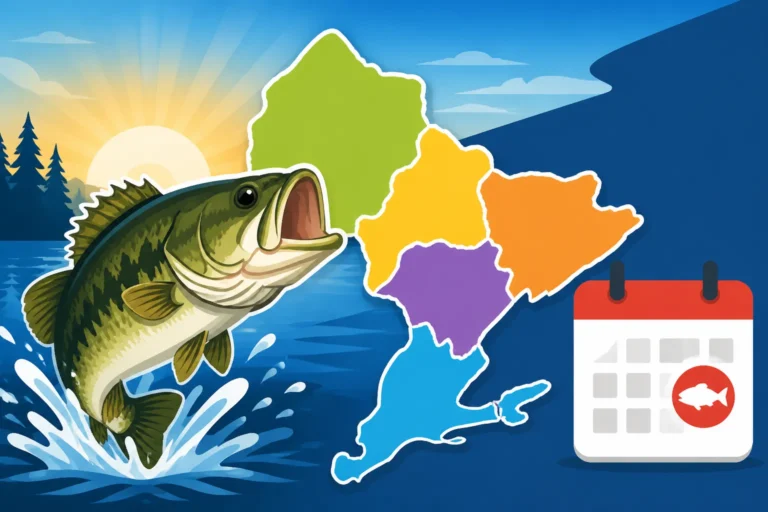
Understanding Ontario's Fisheries Management Zones (FMZs) for Muskie
Ontario is an incredibly diverse province, stretching from the temperate Great Lakes basin all the way up to the wild, remote regions of the Far North. This vast landscape means that fish populations, including the mighty muskellunge, experience different environmental conditions, spawning times, and growth rates depending on where they live. To manage these fisheries effectively and ensure sustainability, the province is divided into distinct Fisheries Management Zones (FMZs).
Why Zones Matter for Muskie Seasons
The system of 20 distinct Fisheries Management Zones in Ontario is fundamental to understanding fishing regulations. Each FMZ has its own specific set of rules, including season dates, catch limits, and size restrictions, designed to protect local fish populations. For muskellunge, this zonal approach is particularly critical. These large, predatory fish are highly sensitive to water temperature changes, which directly impacts their spawning cycles. Consequently, the opening date for muskie season in a southern zone, where waters warm earlier, will almost certainly differ from a northern zone, which might remain ice-bound much later into the spring. For example, the season on Lake St. Clair, part of FMZ 10, typically opens much earlier than lakes in FMZ 2 like Lake Nipigon. Ignoring these zone-specific dates isn't just a minor oversight; it can lead to heavy fines and the potential for inadvertently harming muskie during their vulnerable spawning period. To get a comprehensive overview of how these divisions work, you can explore the topic of Ontario Fisheries Management Zones, Explained.
Think of it like this: trying to use the same planting schedule for a garden in Windsor as you would for one in Thunder Bay simply wouldn't work, right? The same logic applies to fish seasons. The Ministry of Natural Resources and Forestry (MNRF) carefully studies regional biological data, local climate patterns, and even angler pressure to set these dates. These regulations are in place to ensure that muskellunge have ample time to complete their spawning rituals and recover before they become fair game for anglers. This careful management helps maintain healthy, thriving muskie populations for generations to come, which is something every angler should appreciate.
Locating Your Fishing Destination Within an FMZ
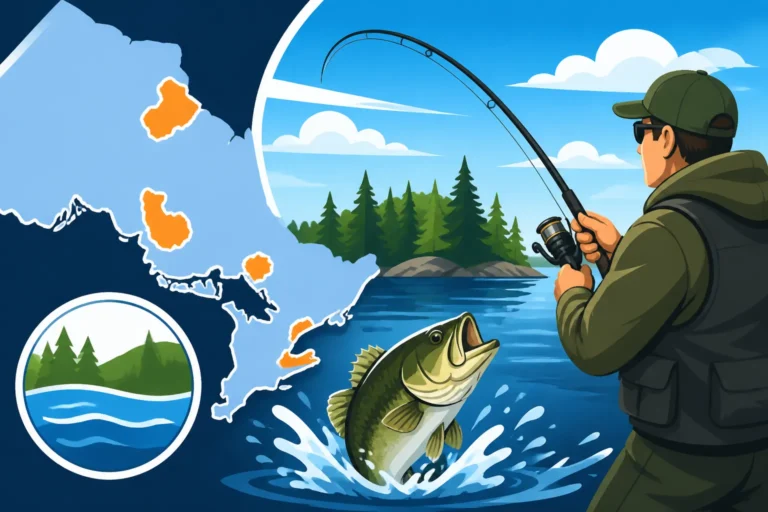
Before you even think about packing your muskie rods, the absolute first step is to identify which Fisheries Management Zone your chosen fishing destination falls into. This isn't always as intuitive as it sounds, especially if you're exploring new waters or planning a trip to a remote lodge. Many larger lakes and river systems can even span multiple zones, making it crucial to know the exact boundaries. For instance, parts of the Ottawa River, a prime muskie destination, flow through different FMZs depending on the specific stretch you're fishing, potentially leading to different opening dates.
Fortunately, the MNRF provides an invaluable online tool called the Fish ON-Line interactive map. This digital resource allows you to zoom in on any body of water in Ontario, click on it, and instantly see its corresponding FMZ, along with specific regulations for that area. It's truly a game-changer for trip planning. Imagine planning a dream trip to the French River, known for its trophy muskies. A quick check on Fish ON-Line would confirm that the river largely falls within FMZ 11, giving you the clarity you need on its specific opening date. Without this crucial step, you could show up to your lodge, eager to fish, only to find the season hasn't opened yet, or worse, you're fishing illegally. You can learn more about this essential tool by checking out How to use the Fish ON-Line interactive zone map.
Taking the time to precisely locate your fishing spot within its respective FMZ is an non-negotiable part of responsible and successful angling in Ontario. It's not just about avoiding penalties; it's about respecting the fish and the ecosystems they inhabit. Always double-check, even for familiar spots, as zone boundaries or regulations can occasionally be adjusted. This due diligence ensures your muskie adventure starts off on the right foot, with you fully informed and ready to target these magnificent fish when they are legally available.
Official Muskellunge Opening Dates Across Key Ontario Zones
While specific dates can sometimes be subject to minor adjustments year to year, there's a general pattern for muskellunge season openers across Ontario. Broadly speaking, southern and central zones, which experience warmer temperatures and earlier thaws, tend to have earlier opening dates than their northern counterparts. However, it's absolutely vital to remember that these are general guidelines, and the official regulations summary is always the final word.
General Opening Dates for Most Southern and Central Zones (FMZ 10, 11, 12, 13, 14, 15, 16, 17, 18, 19, 20)
For the majority of Ontario's southern and central regions, the muskellunge season typically kicks off on the third Saturday in June. This includes many of the province's most renowned muskie fisheries, drawing anglers from across North America. Think about iconic spots like Lake St. Clair (FMZ 10), famous for its abundant muskie population, or the intricate waterways of Georgian Bay and the French River (both largely in FMZ 11). The Kawartha Lakes (FMZ 17) and portions of the St. Lawrence River (FMZ 20) also fall under this general opening date. This timing is a carefully considered decision by the MNRF, allowing sufficient time for muskie to complete their spawning rituals, which usually occur in late spring (April to early June) when water temperatures reach suitable levels, typically between 55-65°F (13-18°C).
The period immediately following spawning is a critical recovery phase for muskie, as they are often exhausted and vulnerable. Keeping the season closed through this time ensures that the adult fish can recuperate, replenish their energy reserves, and contribute to future generations. Anglers targeting these zones on opening day can often find muskie relatively shallow, sometimes still lingering near their spawning grounds in weedy bays or along adjacent structure, as they begin to feed aggressively after their lengthy fast. This can make for some exciting early-season action, though patience and persistence are always key with these elusive predators. You can cross-reference these dates with broader fishing periods by consulting Ontario Fishing Season Dates by Zone.
It's a common mistake for eager anglers to assume all lakes within a certain latitude will share the same opener, but that's not always true. Even within these broad categories, there can be very localized exceptions or specific regulations for certain water bodies. Always treat the third Saturday in June as a strong possibility for these zones, but never as a definitive guarantee without first checking the specific FMZ regulations. This approach not only prevents legal issues but also promotes ethical angling practices that prioritize the health of the fishery.
Northern Zone Exceptions and Later Openers (FMZ 1 to 9)
As you venture further north into Ontario’s expansive wilderness, the climate shifts, and with it, the timing of the muskie season. Lakes in Northern Ontario (FMZs 1 through 9) generally experience colder temperatures and a later ice-out, which pushes back the muskellunge spawning period. Consequently, the opening dates for muskie in these zones are typically later than in the south. Many of these northern zones also open on the third Saturday in June, but some may open even later, often on July 1st. This later start ensures that muskie in these colder waters have the same vital protected period for spawning and recovery as their southern cousins.
Consider legendary northern destinations like Lake of the Woods, Rainy Lake, and Eagle Lake (all within FMZ 5). These vast waterbodies are renowned for their incredible muskie fishing, but their seasons will strictly adhere to the later Northern Zone schedule. Anglers planning trips to the Kenora or Thunder Bay areas, or indeed any of the more remote, fly-in destinations in the far north, absolutely must confirm these later dates. Fishing these waters too early would not only be illegal but could also disrupt delicate post-spawn fish that are crucial for maintaining the region's world-class muskie populations. Understanding the comprehensive Ontario Fishing Regulations Explained can provide broader context for these regional differences.
The reasoning behind these later northern openers is entirely ecological. Muskellunge, like many fish, rely on specific water temperatures to trigger spawning. In the north, those temperatures are reached later in the spring, and the subsequent recovery period is also extended by the cooler conditions. Therefore, pushing back the opening date is a direct conservation measure to ensure the long-term health and vitality of these majestic fish. When planning your northern muskie adventure, patience is a virtue, and thorough research into the specific FMZ is paramount.
| Fisheries Management Zone (FMZ) | General Region | Typical Muskellunge Opening Date | Examples of Key Waters |
|---|---|---|---|
| FMZ 10, 11, 12, 13, 14, 15, 16, 17, 18, 19, 20 | Southern & Central Ontario | Third Saturday in June | Lake St. Clair, Georgian Bay, French River, Kawartha Lakes, St. Lawrence River |
| FMZ 1, 2, 3, 4, 5, 6, 7, 8, 9 | Northern Ontario | Third Saturday in June or July 1st (check specific FMZ) | Lake of the Woods, Rainy Lake, Eagle Lake, Lake Nipigon |
Note: This table provides general guidelines. Always consult the official Ontario Fishing Regulations Summary for the most current and exact dates for your specific FMZ.
Why Muskie Seasons Are Crucial for Conservation
For a fish that can grow to impressive sizes and command such respect from anglers, it's no surprise that muskellunge are managed with specific conservation measures. The implementation of closed seasons isn't arbitrary; it's a scientifically backed strategy to protect these magnificent fish during their most vulnerable life stages. Understanding the "why" behind these regulations can help foster a deeper appreciation for their importance and encourage responsible angling practices.
Protecting Spawning and Post-Spawn Recovery
The primary reason for a closed muskellunge season is to safeguard these fish during their annual spawning period and the critical recovery phase that follows. Muskellunge are spring spawners, typically moving into shallow, vegetated bays and marshy areas when water temperatures rise, often from late April through early June in southern Ontario, and later in the north. During this time, they are highly concentrated, preoccupied with reproduction, and therefore exceptionally vulnerable to angling pressure. Disturbing them during spawning can disrupt their reproductive success, leading to fewer eggs laid or fertilized, or causing fish to abandon their spawning efforts altogether.
Once spawning is complete, muskie enter a crucial post-spawn recovery period. They are often exhausted, have depleted energy reserves, and may be more susceptible to stress and disease. Catching and releasing a muskie during this vulnerable time, even with the best intentions, can significantly reduce its chances of survival. The closed season provides a much-needed respite, allowing them to recuperate, regain strength, and transition back into their normal feeding patterns without the added stress of angler interaction. This biological protection is foundational to maintaining robust muskie populations across Ontario. Responsible anglers understand that this temporary closure directly contributes to the thriving Muskellunge Fishing in Ontario experiences they cherish.
The long-term health of muskie fisheries depends heavily on successful annual spawning and the survival of the adult fish. By respecting the closed season, anglers are actively participating in the conservation effort, ensuring that these incredible predators continue to populate Ontario's waters. It's an investment in the future of the sport, guaranteeing that the next generation of anglers will also have the chance to pursue a trophy muskie.
The Role of Catch and Release
Muskellunge fishing in Ontario, by its very nature, is predominantly a catch-and-release sport. Due to their relatively slow growth rates, long lifespans, and the intense angling pressure they receive, muskie populations cannot sustain high rates of harvest. In fact, many anglers view the act of catching, photographing, and successfully releasing a muskie as the ultimate reward, far more satisfying than keeping one for the table. This philosophy is deeply ingrained in the muskie fishing community and is a cornerstone of conservation efforts.
However, catch and release, while beneficial, is not without its risks to the fish. Proper handling techniques are paramount to ensure the muskie's survival post-release. This means minimizing fight time, keeping the fish in the water as much as possible, using large, knotless rubber landing nets (which are much gentler on fins and slime coat), and having the right tools ready. Essential tools include long-nose pliers and sturdy hook removers, which can be found on platforms like Amazon, allowing for quick and efficient hook extraction. Avoiding contact with their gills and eyes, and supporting their body weight horizontally if lifted for a quick photo, are also critical. For those serious about preserving the health of these fish, diving into topics like Muskie catch and release survival tips is incredibly valuable.
The success of catch and release hinges on every angler's commitment to best practices. A muskie that swims away strong is a muskie that can spawn again, grow larger, and provide another thrilling battle another day. Embracing these techniques is a sign of respect for the fish and the fishery, contributing directly to the robust health of Ontario's muskie populations. It's a testament to the angling community's dedication that muskie fishing remains a vibrant and sustainable pursuit, largely thanks to a culture of responsible catch and release.
Planning Your Muskie Fishing Trip Around the Opening Date
Once you’ve got that crucial opening date marked on your calendar, the real fun of planning begins! Chasing muskellunge isn't just about showing up with a rod; it requires specific gear, a good understanding of early-season fish behavior, and, of course, a diligent check of all current regulations. Being prepared can make all the difference between a frustrating trip and a memorable encounter with a true freshwater titan.
Gear and Preparation for Early Season Muskie
Preparing for an early season muskie trip means thinking about more than just your lures – it’s about having the right tools for the job and dressing for unpredictable conditions. Muskie gear is robust, and for good reason. You’ll need heavy-action casting rods, typically 7.5 to 9 feet long, paired with baitcasting reels capable of handling heavy lines (50-80 lb braided line is standard) and the powerful runs of a large muskie. Large, heavy-duty lures are the norm, including big bucktails, crankbaits, jerkbaits, and soft plastics. Many anglers stock up on these specialized items from online retailers like Amazon, as local shops might not carry the full range of muskie-specific tackle.
Early season often means cooler water temperatures, especially in northern zones, which influences muskie behavior. They might be less active and require slower, more deliberate lure presentations. Packing a variety of lures, from slow-rolling bucktails to neutrally buoyant jerkbaits, will give you options. Beyond the fishing tackle, consider your personal gear. Even in June, Ontario weather can be fickle. Dress in layers, including waterproof outer shells, a warm hat, and gloves, especially if you're on the water at dawn or dusk. A quality pair of polarized sunglasses is also invaluable for spotting subtle changes in structure or following your lure. Don't forget a large, long-handled landing net with rubberized mesh (crucial for protecting the fish) and a long-nose pliers or hook remover for safe de-hooking. For a deeper dive into what to bring, check out Best Muskie Gear for Ontario Waters.
The key to early season success often lies in patience and persistence. Muskie aren't always in a chasing mood right after spawning, but when they decide to strike, it's often with incredible aggression. Having your gear organized and ready will prevent fumbling when that once-in-a-lifetime fish decides to appear boatside. Pre-tying leaders, sharpening hooks, and ensuring your reels are spooled with fresh line are small details that can make a big difference when it counts.
Locating Muskie During the Early Season
Understanding muskie behavior in the early season, shortly after the opener, is crucial for success. These fish are typically transitioning from their post-spawn recovery, and their location will largely be influenced by water temperature and the availability of baitfish. While they might still be somewhat lethargic in colder water, they are also looking to feed and regain their strength after the arduous spawning process.
Often, you'll find early season muskie relating to shallower areas that warm up first, such as expansive weed beds, rocky points adjacent to shallow bays, or areas with fallen timber. These spots provide both cover for ambush and potential foraging grounds where baitfish might congregate. Look for bays that are exposed to direct sunlight for much of the day, as these will hold warmer water. On larger bodies of water like Georgian Bay or Lake St. Clair, focus on extensive shallow flats with good vegetation or rocky shoals. The specific preferences of these fish can vary depending on the body of water; for example, the Muskellunge Habits in Georgian Bay can be quite distinct from those in a smaller, inland lake.
As the season progresses and water temperatures continue to rise, muskie might move slightly deeper, but they often remain associated with structure or vegetation. Using your boat's sonar to identify these features, such as sharp breaks, humps, or submerged weed lines, can be highly effective. Remember, muskie are ambush predators, so they'll position themselves where they can surprise their prey. Pay attention to changes in bottom composition, current breaks, and areas where baitfish schools are visible. Observing these patterns and adapting your approach will significantly increase your chances of locating and enticing these elusive giants.
Checking the Official Regulations Summary
While this guide provides a thorough overview of the general muskellunge opening dates in Ontario, it is absolutely paramount that every angler consults the official Ontario Fishing Regulations Summary before heading out on the water. This document is the definitive source for all fishing rules and regulations in the province, and it's updated annually. Relying solely on general information, even from a well-reseosed blog, could lead to misunderstandings, unintentional violations, and costly fines. The regulations can sometimes have very specific clauses for certain lakes or rivers, even within a general FMZ.
The official summary is readily available in several convenient formats. You can download a digital PDF version directly from the Ontario government website, pick up a physical copy at most ServiceOntario locations, or find them at licensed bait and tackle shops across the province. Before you even purchase your Ontario Fishing License Guide for 2026 or an Ontario Outdoors Card, Explained, make sure you have familiarized yourself with the regulations. Pay particular attention to the "General Regulations" section, then navigate to the specific Fisheries Management Zone that encompasses your planned fishing destination. Look for the "Muskellunge" entry, which will clearly list the opening and closing dates, as well as any specific catch limits or size restrictions that might apply to that zone or even particular water bodies within it. For a complete guide on how to navigate this essential document, refer to Reading the Ontario Fishing Regulations Summary.
Regulations can and do change from year to year, albeit usually with notice. Checking the current year’s summary eliminates any guesswork and ensures you are fully compliant. This simple, yet critical, step is the mark of a responsible and ethical angler. It protects you from legal trouble, but more importantly, it helps safeguard Ontario's incredible fisheries for everyone to enjoy, now and in the future. Don't leave home without knowing the rules – your fishing trip, and the health of the muskie population, depend on it.
Disclaimer
Please remember that fishing regulations are subject to change. While every effort has been made to provide accurate and up-to-date information in this guide, it is your responsibility as an angler to consult the most current official Ontario Fishing Regulations Summary published by the Ministry of Natural Resources and Forestry (MNRF) before heading out to fish. Always adhere to all local, provincial, and federal laws and regulations.