Lake Huron Fishing Spots
Lake Huron is a truly magnificent body of water, but its sheer size and diverse environments can make finding those honey holes a real head-scratcher for even seasoned anglers. It’s easy to feel overwhelmed by the vastness, wondering where to even begin your search for the best fishing spots. This comprehensive guide will cut through the confusion, offering a detailed look at the prime fishing locations, target species, optimal seasons, and crucial tips for a successful and safe angling adventure on the Ontario side of Lake Huron.
Navigating the Vast Waters of Lake Huron for Anglers
Angling on Lake Huron is an experience unlike any other, offering immense opportunities but also demanding respect for its scale and complexity. It’s not just a big lake; it’s a collection of distinct ecosystems, each with its own quirks and charms. Trying to approach it like a smaller inland lake will quickly lead to frustration, which is why a targeted approach is absolutely essential.
Understanding Lake Huron's Unique Geography and Fisheries
Stretching over 23,000 square miles, Lake Huron is the second-largest of the Great Lakes by surface area, shared between Ontario, Canada, and Michigan, USA. The Ontario side is characterized by its stunningly rugged coastline, countless islands, and deep, clear waters. We're talking about everything from the crystal-clear depths of Georgian Bay to the intricate channels of the North Channel, and the more exposed main basin shores down towards Sarnia. This incredible variety means that one day you could be casting for bass in shallow, weedy bays, and the next you could be trolling for salmon in hundreds of feet of water. Understanding these geographical nuances is the first step in unlocking Lake Huron's fishing potential. The lake's deep, cold waters support a healthy population of cold-water species, while its many bays and sheltered areas provide ideal habitat for warm-water fish.
The Sheer Scale: Why Local Knowledge is Key
When you're dealing with a body of water this massive, "just going fishing" isn't really a strategy. The vastness means that conditions can vary dramatically from one area to another, even on the same day. What might be working for a charter boat out of Tobermory might be completely irrelevant to someone fishing near Kincardine. This is where local knowledge, whether gained through years of personal experience, talking to bait shop owners, or hiring a guide, becomes invaluable. Guides, often found through services like FishingBooker, spend countless hours on the water, tracking fish movements, understanding seasonal patterns, and knowing the subtle structures that hold fish. They can save you a tremendous amount of time and effort by putting you directly on the fish, rather than having you blindly search.
Diverse Habitats and What They Mean for Fishing
Lake Huron boasts an astonishing array of habitats. You have the rocky shoals and reefs of Georgian Bay, which are perfect for smallmouth bass and muskie. Then there are the sandy beaches and drop-offs along the main basin, which are highways for migrating salmon and lake trout. The North Channel, with its countless islands and sheltered coves, offers fantastic pike and walleye opportunities in shallower, more protected waters. Each habitat type dictates not only what species you'll find but also the best techniques to use. For example, a rocky point might be ideal for jigging for smallmouth, while a deep-water flat offshore would call for downriggers and spoons for salmon. Recognizing these distinct environments is crucial for adapting your approach and increasing your chances of success.
Prime Fishing Zones Along Ontario's Lake Huron Coastline
Ontario's Lake Huron coastline is a mosaic of incredible fishing opportunities, each region boasting its own unique charm and target species. From the world-renowned Georgian Bay to the tranquil North Channel, there's a fishing adventure waiting for every angler.
The Iconic Georgian Bay: Muskie, Bass, and More
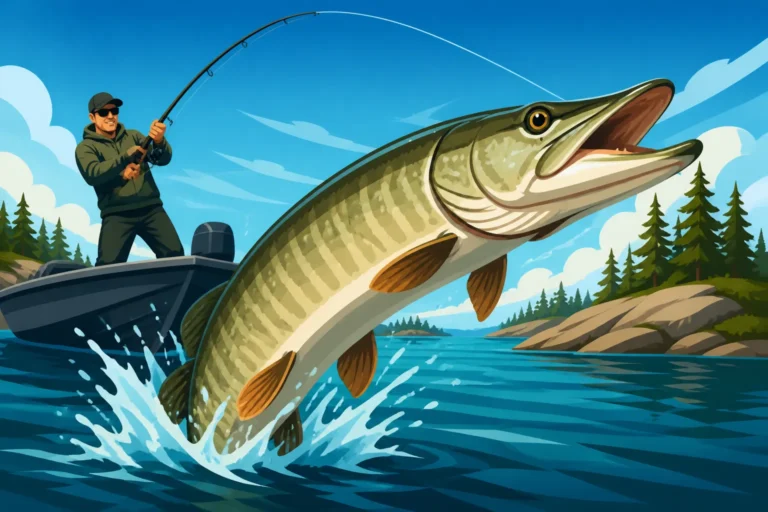
Georgian Bay is often considered a jewel of Lake Huron, and for good reason. Its intricate network of 30,000 islands, clear waters, and rugged Canadian Shield topography creates a truly spectacular fishing environment. This area is a powerhouse for trophy muskie, offering some of the best Muskellunge Fishing in Ontario. Anglers come from all over to cast massive bucktails and glide baits in pursuit of these apex predators. Beyond muskie, Georgian Bay is also legendary for its smallmouth bass. The countless rocky shoals, points, and island structures provide ideal ambush points for these aggressive fish, making it one of the premier Smallmouth Bass Fishing in Ontario destinations.
The fishing here isn't just about the big two, though. You'll find excellent opportunities for walleye in many of the deeper bays, particularly in areas with good weed lines and transition zones. Lake trout also roam the deeper, colder sections of the bay, especially during the warmer months when they retreat from the surface. The accessibility from towns like Parry Sound, Port Severn, and Honey Harbour makes it a popular spot for both weekend warriors and dedicated anglers. When planning a trip, remember that while the fishing can be phenomenal, the vastness of the bay requires good navigation skills and up-to-date charts.
The Serene North Channel: Pike and Lake Trout Havens
Moving north and west from Georgian Bay, you'll enter the North Channel, a sheltered waterway defined by Manitoulin Island to the south and the mainland to the north. This area is breathtakingly beautiful, characterized by towering cliffs, crystal-clear water, and a more remote feel. The fishing here is fantastic for northern pike, which thrive in the many weed-choked bays and inlets. You can often find pike actively cruising the shallow edges, making for exciting sight-fishing opportunities.
The North Channel is also a prime destination for Lake Trout Fishing in Ontario. Its deep, cold waters, especially around areas like the Benjamin Islands or near Killarney, hold healthy populations of lake trout. Trolling spoons or stickbaits, or even jigging vertically in deeper spots, can yield some impressive catches. Additionally, walleye can be found in many of the larger river mouths and sheltered bays, particularly those with a bit more current and nutrient flow. Towns like Little Current and Spanish serve as excellent bases for exploring this unique fishing paradise. This area also sees less pressure than some of the more southerly parts of Lake Huron, offering a more tranquil angling experience.
Southern Shores and the Bruce Peninsula: Salmon and Perch
As you head down the eastern side of Lake Huron, from the tip of the Bruce Peninsula down towards Sauble Beach and Kincardine, the fishing takes on a different flavour. This open water, exposed to the main basin, becomes a highway for migrating Pacific salmon – Chinook and Coho – and offers excellent opportunities for brown trout and rainbow trout (steelhead). Anglers often target these powerful fish by trolling offshore with downriggers, using a variety of spoons and flashers.
The shorelines and nearshore areas here also provide excellent fishing for yellow perch, especially in the shallower bays and harbour areas. Towns like Port Elgin, Southampton, and Goderich are popular spots for both boat and shore anglers looking to intercept these delicious panfish. These southern stretches, particularly around river mouths like the Saugeen River, see incredible salmon and steelhead runs in the fall, drawing passionate anglers eager for a battle. Keep an eye on local reports and weather, as the open water can get rough quickly.
Saugeen Shores and the Southern Basin
Further south, the coastline around Saugeen Shores, encompassing towns like Port Elgin and Southampton, and stretching towards Goderich, offers excellent access to the main basin of Lake Huron. This area is renowned for its excellent pier fishing, especially during the spring and fall runs of salmon and trout. Anglers can often be seen casting spoons and jigs from the piers, targeting Chinook and Coho salmon as they stage before heading up tributary rivers.
Beyond the pier fishing, the offshore waters here are fantastic for trolling for a mixed bag of salmon and lake trout. Charter captains often operate out of these ports, specializing in putting clients on these hard-fighting fish. Nearshore, the shallow bays and areas around rocky structures can hold good numbers of smallmouth bass and yellow perch, providing opportunities for both boat and shore anglers. The sandy bottom transitioning to deeper water makes it an ideal habitat for a variety of species throughout the season.
Top Fish Species to Target in Lake Huron and Their Hotspots
Lake Huron is a true multispecies angler's dream. Whether you're after a freshwater bruiser or a delicious panfish, the lake offers incredible opportunities across its diverse ecosystems. Knowing what you're targeting and where they prefer to hang out is key to a successful trip.
Chasing Giant Muskie and Northern Pike
Lake Huron, particularly the vast expanse of Georgian Bay, is globally recognized as one of the premier destinations for trophy muskie. These freshwater giants require specialized gear and a significant amount of patience, but the reward of landing one is unparalleled. In Georgian Bay, muskie are often found relating to rocky points, weed lines, and submerged structure, especially near deeper water access. The labyrinthine nature of the "30,000 Islands" region, stretching from Port Severn up to Parry Sound and beyond, provides endless prime muskie habitat. Look for areas with current breaks, deep edges, and nearby baitfish concentrations. Charter services specializing in Best Muskie Waters in Ontario can often be found in towns like Parry Sound, targeting specific spots they know hold big fish.
Northern pike, while perhaps not as fabled as their muskie cousins, are abundant throughout Lake Huron's shallower, weedier bays and protected channels, especially in the North Channel and many of Georgian Bay's quieter arms. Pike love to ambush prey from dense cover, so focus your efforts around thick weed beds, fallen timber, and rocky outcrops in depths of 5-15 feet. Areas like the Spanish River delta in the North Channel or quieter bays around Little Current are excellent pike producers. They are aggressive biters and offer a thrilling fight on lighter tackle. Effective techniques for both muskie and pike include casting large spoons, spinnerbaits, jerkbaits, and topwater lures, particularly during low light conditions or when they are actively feeding.
Lake Trout and Pacific Salmon: Deep Water Battles
For those who love the challenge of deep-water angling, Lake Huron's main basin and the deeper sections of Georgian Bay and the North Channel offer phenomenal opportunities for lake trout and Pacific salmon species like Chinook and Coho. Lake trout, being cold-water residents, will typically be found in depths ranging from 50 to 150 feet, especially as the surface waters warm in summer. They relate heavily to underwater structure, such as deep humps, ledges, and drop-offs. Trolling with downriggers, using spoons like Silver Streak or Northern King, or vertical jigging with heavy spoons and tubes, are common methods. Learning How to Catch Lake Trout in Ontario effectively means understanding thermoclines and baitfish locations.
Chinook (King) salmon are powerful, acrobatic fish that make incredible runs once hooked. They typically cruise the open waters of the main basin, often following baitfish schools (like alewives) along temperature breaks. The eastern shore of Lake Huron, from the Bruce Peninsula south to Goderich, is a hotspot for these magnificent fish, particularly from late spring through fall. Coho salmon are similar but generally smaller and often found higher in the water column. Anglers targeting salmon will often deploy multiple rods with downriggers, divers, and planer boards, presenting various spoons, plugs, and flasher/fly combinations at different depths and distances from the boat. Finding a reputable charter through a platform like FishingBooker can significantly improve your chances of success for these pelagic species, as they have the specialized gear and knowledge to locate them in the vast open waters.
Smallmouth Bass, Walleye, and Yellow Perch: Inshore Opportunities
Lake Huron is a fantastic destination for smallmouth bass, especially in Georgian Bay, the North Channel, and many of the rocky nearshore areas along the main lake. These feisty fish love rocky habitat, gravel bottoms, and areas with scattered boulders and ledges. They are incredibly aggressive and will readily strike a variety of lures, including tube jigs, crankbaits, topwaters, and drop shots. The areas around Tobermory, Parry Sound, and the countless islands of Georgian Bay are legendary smallmouth waters. Understanding How to Catch Smallmouth Bass in Ontario often involves targeting transition zones and structural changes.
Walleye populations in Lake Huron are strong, particularly in the North Channel and in many of the larger river systems that feed into the lake, such as the Spanish River. They prefer areas with current, gravel bottoms, and submerged humps, especially during low light conditions. Trolling with crankbaits, drifting with crawler harnesses, or jigging with swimbaits are all effective techniques. While not as widespread as in some other Ontario lakes, targeted efforts can yield excellent results.
Yellow perch, a beloved panfish, are abundant in many of Lake Huron's shallower bays, harbours, and protected areas. They congregate in schools and can provide fast-paced action, making them perfect for family outings or a relaxing day on the water. Look for them around weed edges, docks, and submerged structures in 10-30 feet of water. Live minnows, small jigs tipped with bait, or tiny spoons are all highly effective. Popular perch fishing areas include various harbours along the southern shores, as well as sheltered bays within Georgian Bay and the North Channel.
Here's a quick overview of some prime species and their preferred haunts:
| Species | Primary Fishing Zones | Best Season | Key Baits/Lures | Notes |
|---|---|---|---|---|
| Muskellunge | Georgian Bay (30,000 Islands), North Channel | Summer-Fall | Large Bucktails, Jerkbaits, Topwater | Trophy potential, requires heavy gear. |
| Northern Pike | North Channel, Georgian Bay (weedy bays) | Spring-Fall | Spoons, Spinnerbaits, Jerkbaits | Aggressive, good for active anglers. |
| Lake Trout | Main Basin, Georgian Bay (deep areas), North Channel | Spring-Fall | Spoons, Plugs, Vertical Jigs | Deep water, often requires downriggers. |
| Chinook Salmon | Main Basin (Eastern Shore), Bruce Peninsula | Summer-Fall | Spoons, Plugs, Flashers/Flies | Powerful fighters, offshore trolling. |
| Coho Salmon | Main Basin (Eastern Shore), Bruce Peninsula | Summer-Fall | Spoons, Plugs, Flashers/Flies | Similar to Chinook, often higher in water column. |
| Smallmouth Bass | Georgian Bay (rocky areas), North Channel, Nearshore | Spring-Fall | Tube Jigs, Crankbaits, Topwater, Drop Shot | Abundant, aggressive, great sportfish. |
| Walleye | North Channel, Larger river mouths, deeper bays | Spring-Fall | Crankbaits, Crawler Harnesses, Jigs | Excellent eating, low light feeders. |
| Yellow Perch | Shallow Bays, Harbours, Protected areas | Year-Round | Live Minnows, Small Jigs, Spoons | Panfish favorite, often schooling. |
Optimal Seasons and Conditions for Lake Huron Fishing
Understanding the seasonal movements and preferences of Lake Huron's diverse fish populations is paramount to planning a successful trip. Each season offers unique opportunities and challenges for anglers.
Spring Fishing: Ice-Out Action and Early Runs
Spring on Lake Huron brings with it a surge of renewed fishing activity as the ice recedes and water temperatures begin to rise. This is a fantastic time for targeting lake trout, which can often be found shallower after ice-out, before they retreat to deeper, cooler waters. Trolling spoons or stickbaits closer to shore, particularly near river mouths or rocky points, can be highly effective. The early season also sees active northern pike in shallow, warming bays, eager to feed after the long winter. Spinnerbaits and spoons cast into emerging weed beds can produce excellent results.
For smallmouth bass, spring (post-spawn) offers some of the best topwater action of the year as they patrol rocky shorelines and shallow flats. Walleye also become more active in their spawning areas, often around river mouths and sheltered bays, responding well to jigs and live bait. This is also when the lake's tributaries start seeing runs of rainbow trout (steelhead) and brown trout, attracting fly anglers and spin-fishermen alike. Always remember to check Ontario Fishing Season Dates by Zone to ensure you're fishing legally, as many species have specific opening and closing dates.
Summer Fishing: Warm Waters and Deep Water Tactics
Summer is peak season for many anglers, but on a large, deep lake like Huron, it requires adjusting your tactics. As surface waters warm, cold-water species like lake trout and salmon move to deeper, cooler sections of the lake. This is prime time for offshore trolling with downriggers for Chinook and Coho salmon along the main basin, especially off the eastern shore. Lake trout will also be in these deep-water haunts, often found near deep structure. Using specialized electronics like Best Fish Finders for Ontario Lakes becomes essential for locating baitfish schools and underwater contours.
Nearshore, smallmouth bass remain active around rocky points, shoals, and islands, often moving slightly deeper during midday heat. Early morning and late evening can still provide excellent topwater action. Pike fishing can be good in heavy weed cover, but they might be less active during the hottest parts of the day. Walleye can be found deeper in sheltered bays or moving to main lake points, often feeding during low light. For a deep dive into tactics, consider articles like Best Techniques for Deep Water Summer Lake Trout.
Fall Fishing: Salmon Runs and Trophy Hunting
Fall is arguably one of the most exciting times to fish Lake Huron. The cooling water temperatures trigger aggressive feeding frenzies across many species, and it’s when some of the biggest fish are caught. The most anticipated event is the fall salmon and trout runs up tributary rivers. Anglers flock to river mouths and piers along the eastern shore to target mature Chinook and Coho salmon, as well as rainbow and brown trout, as they stage before moving upstream. Casting large spoons, crankbaits, or drifting roe bags are popular methods.
Offshore, the salmon and lake trout remain active, often moving shallower as the lake cools. This can lead to incredible trolling action. Fall is also prime time for targeting trophy muskie in Georgian Bay. These giants are putting on weight for winter and will aggressively hit large baits. Similarly, smallmouth bass fishing can be exceptional in the fall, with fish schooling up and actively feeding on baitfish before winter. They often move to deeper transitions near rocky structure.
Winter Opportunities: Ice Fishing in Sheltered Bays
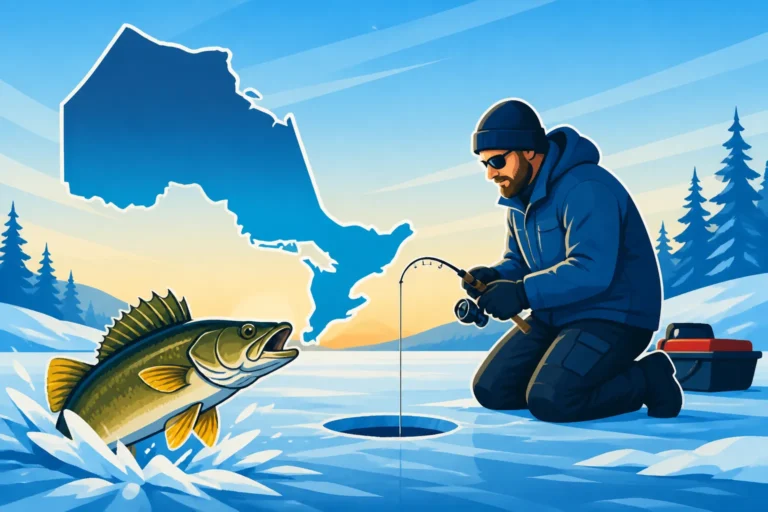
While much of Lake Huron remains unfishable during winter due to its vastness and dangerous ice conditions, certain sheltered bays and shallower areas do offer ice fishing opportunities. The North Channel and numerous protected bays within Georgian Bay often freeze over safely, providing access to excellent winter fisheries. Yellow perch are a prime target, often found in schooling patterns over weed beds or soft bottoms. Small jigs tipped with minnows or maggots are highly effective.
Walleye can also be targeted through the ice in specific locations, typically in deeper bays with current or near known structures. Lake trout ice fishing is also popular in some deeper Georgian Bay locations, often requiring heavy jigs or tip-ups set with dead bait. However, extreme caution is always advised when ice fishing on any part of Lake Huron. Always check local ice conditions, fish with a buddy, and be aware of changing weather. Never venture out onto the main lake, as ice conditions can be unpredictable and dangerous.
Essential Access Points and Angler Resources
Successfully fishing Lake Huron involves more than just knowing where the fish are; it also means knowing how to get to them and what resources are available to help you along the way.
Public Boat Launches and Marinas
Accessing Lake Huron's vast waters typically requires a boat, and thankfully, Ontario offers numerous public boat launches and well-equipped marinas along its coastline. In Georgian Bay, popular launch points include those in Parry Sound, Port Severn, Honey Harbour, and Killbear Provincial Park. These locations offer access to the intricate island systems and open waters of the bay. For the North Channel, launches can be found in towns like Little Current on Manitoulin Island, Spanish, and Killarney. These provide gateways to the calmer, more sheltered waters and excellent pike and lake trout opportunities.
Along the eastern shore of the main basin, towns like Tobermory, Lion's Head, Wiarton (on Colpoy's Bay, a Georgian Bay arm), Port Elgin, Kincardine, and Goderich all boast public launches and marinas. These are crucial for anglers targeting salmon and lake trout offshore, as well as those looking for nearshore bass and perch. When choosing a launch, consider the size of your boat and the expected wave conditions, as open-water launches can be challenging on windy days. Many marinas also offer fuel, bait, tackle, and valuable local advice. Ensure your boat is properly registered and equipped with all required safety gear, as per Ontario Boating Laws for Anglers.
Shore Fishing Accessibility and Piers
While Lake Huron is largely a boater's lake, there are still excellent opportunities for shore anglers, particularly along the eastern shore and in various harbours. Many towns feature extensive piers and breakwalls that provide excellent access to deeper water without the need for a boat. These piers, especially in places like Port Elgin, Kincardine, and Goderich, become prime locations during the spring and fall salmon and trout runs. Anglers casting spoons, spinners, or bait from these structures can have fantastic success.
Beyond piers, certain provincial parks and conservation areas along the coastline offer designated shore fishing spots. Beaches and rocky outcrops can also be productive for smallmouth bass and perch, especially during calmer conditions or early morning/late evening. While shore fishing limits your range, it's a great option for those without a boat or looking for a more relaxed experience. Always respect private property and be mindful of other users in popular shore fishing areas.
Leveraging Charter Services and Local Guides
For many anglers, especially those new to Lake Huron or seeking to target specific, harder-to-find species like trophy salmon or muskie, hiring a local charter or guide is an invaluable investment. These professionals operate specialized boats equipped with the latest electronics, safety gear, and tackle designed for Lake Huron's unique challenges. They possess years of local knowledge, understanding seasonal patterns, fish movements, and the specific structures that hold fish.
A reputable guide can take you directly to the action, teach you effective techniques, and ensure a safe and memorable trip. This is particularly beneficial for targeting deep-water salmon and lake trout, or for navigating the complex waters of Georgian Bay in pursuit of muskie. Many excellent guides can be found and booked through platforms like FishingBooker, where you can read reviews and compare offerings to find the perfect fit for your angling goals. They can provide everything from all the necessary gear to invaluable insights into the lake's ecosystem, allowing you to focus on the fishing without the logistical headaches.
Gear, Techniques, and Safety for Lake Huron Anglers
Fishing Lake Huron successfully and safely requires the right equipment, adapted techniques, and a strong understanding of essential safety protocols. This vast lake demands respect, and being prepared makes all the difference.
Recommended Tackle for Lake Huron's Diverse Fisheries
Given the incredible diversity of fish species and fishing environments on Lake Huron, a range of tackle setups is typically needed. For targeting deep-water lake trout and salmon, heavy-duty trolling rods (often 7-10 feet, medium-heavy to heavy power) paired with large conventional reels spooled with 20-30 lb monofilament or braided line are essential. Downriggers and planer boards are also crucial for presenting lures at precise depths and spreading out lines. For these species, a selection of large spoons (e.g., Northern King, Silver Streak, Dreamweaver), plugs (e.g., J-Plugs, Magnum Rapalas), and flasher-fly combinations are standard. You might want to explore articles like Best Fishing Rods for Ontario Lakes for specific recommendations.
For muskie and large northern pike, stout baitcasting outfits with 7-9 foot heavy or extra-heavy rods are needed, paired with robust baitcasting reels capable of handling large lures and powerful fish. Braided line in the 65-100 lb test range with heavy fluorocarbon or wire leaders is a must to prevent bite-offs. Your tackle box should include an assortment of oversized bucktails, jerkbaits, glide baits, and topwater lures.
Smallmouth bass fishing typically calls for versatile medium-heavy spinning or baitcasting setups (6'6" to 7'6" rods) with 8-15 lb fluorocarbon or braided line with a fluorocarbon leader. A variety of lures, including tube jigs, crankbaits, jerkbaits, topwaters, and soft plastics (e.g., Ned Rigs, drop shots), will cover most situations. For walleye, medium-light to medium power rods with sensitive tips are ideal for jigging or drifting crawler harnesses. Lastly, for yellow perch and other panfish, ultralight spinning gear with 4-6 lb test line is perfect, using small jigs, live minnows, or wax worms. Always carry a net appropriate for the size of fish you might encounter, with a large, rubberized net being ideal for muskie and salmon.
Popular and Effective Fishing Techniques
The vastness of Lake Huron means employing a variety of techniques to effectively target different species and habitats.
- Trolling: This is the most common method for salmon and lake trout in the main basin and deeper parts of Georgian Bay. Using downriggers, divers, and planer boards allows you to cover large areas and present multiple baits at varying depths. Speed and lure colour are crucial variables to experiment with.
- Casting and Retrieving: For muskie, pike, and smallmouth bass in shallower, structured areas, casting is key. Precise casts to rocky points, weed edges, and submerged timber, followed by varied retrieves, can trigger strikes. Topwater lures are particularly exciting for bass and muskie during low light.
- Jigging: Both vertical jigging and casting jigs are effective. For deep-water lake trout, heavy spoons or tube jigs dropped directly below the boat can be deadly when fish are located on structure. For bass and walleye, casting jigs tipped with soft plastics or live bait around rock piles and current seams works well.
- Drifting: Often used for walleye and sometimes perch, drifting with live bait rigs (like worm harnesses) allows you to cover ground slowly, letting the current or wind present your bait naturally.
- Shore & Pier Fishing: Primarily casting spoons, heavy spinners, or bait (often roe bags) during seasonal salmon and trout runs. Also effective for perch and smallmouth in accessible areas.
Regardless of the technique, pay attention to local conditions, water temperature, and baitfish activity. Often, the most successful anglers are those who are willing to adapt and experiment.
Boating Safety and Navigation Considerations
Safety on Lake Huron cannot be overstated. Its immense size, often rapidly changing weather conditions, and sometimes remote locations demand a high level of preparedness.
- Weather Monitoring: Always check marine weather forecasts before heading out and throughout your trip. Lake Huron can go from calm to dangerously rough in a matter of minutes, especially in open water. Pay attention to wind direction and wave height predictions.
- Required Safety Gear: Ensure your boat is equipped with all Canadian Coast Guard-required safety equipment, including life jackets for everyone on board (know the Life Jacket Requirements for Ontario Boaters), a sound-signalling device, bailer/manual pump, throw line, and a fully charged fire extinguisher.
- Navigation: Carry up-to-date nautical charts (paper or electronic), a reliable GPS unit, and understand how to use them. The 30,000 Islands of Georgian Bay, in particular, can be a maze of shoals and islands, demanding careful navigation.
- Communication: Always have multiple means of communication, such as a marine VHF radio, a fully charged cell phone (though coverage can be spotty in remote areas), and ideally, a satellite communication device (like an inReach) for emergencies in areas without cell service.
- Fuel & Supplies: Carry more fuel than you think you’ll need, as distances can be deceiving. Pack extra water, food, and warm clothing, even on sunny days, as temperatures can drop quickly.
- Float Plan: Always tell someone your float plan – where you're going, when you expect to return, and who is with you. This simple step can be a lifesaver if you encounter trouble.
Respecting the power and scale of Lake Huron while being thoroughly prepared will ensure your fishing adventures are not only successful but, most importantly, safe.
Disclaimer
The information provided in this guide is for general informational purposes only. Fishing regulations, season dates, and license requirements can change. Always consult the most current Ontario fishing regulations summary and obtain the necessary licenses, such as the Ontario Fishing License Guide for 2026 and an Ontario Outdoors Card, Explained, before heading out. Exercise caution and common sense when on the water.