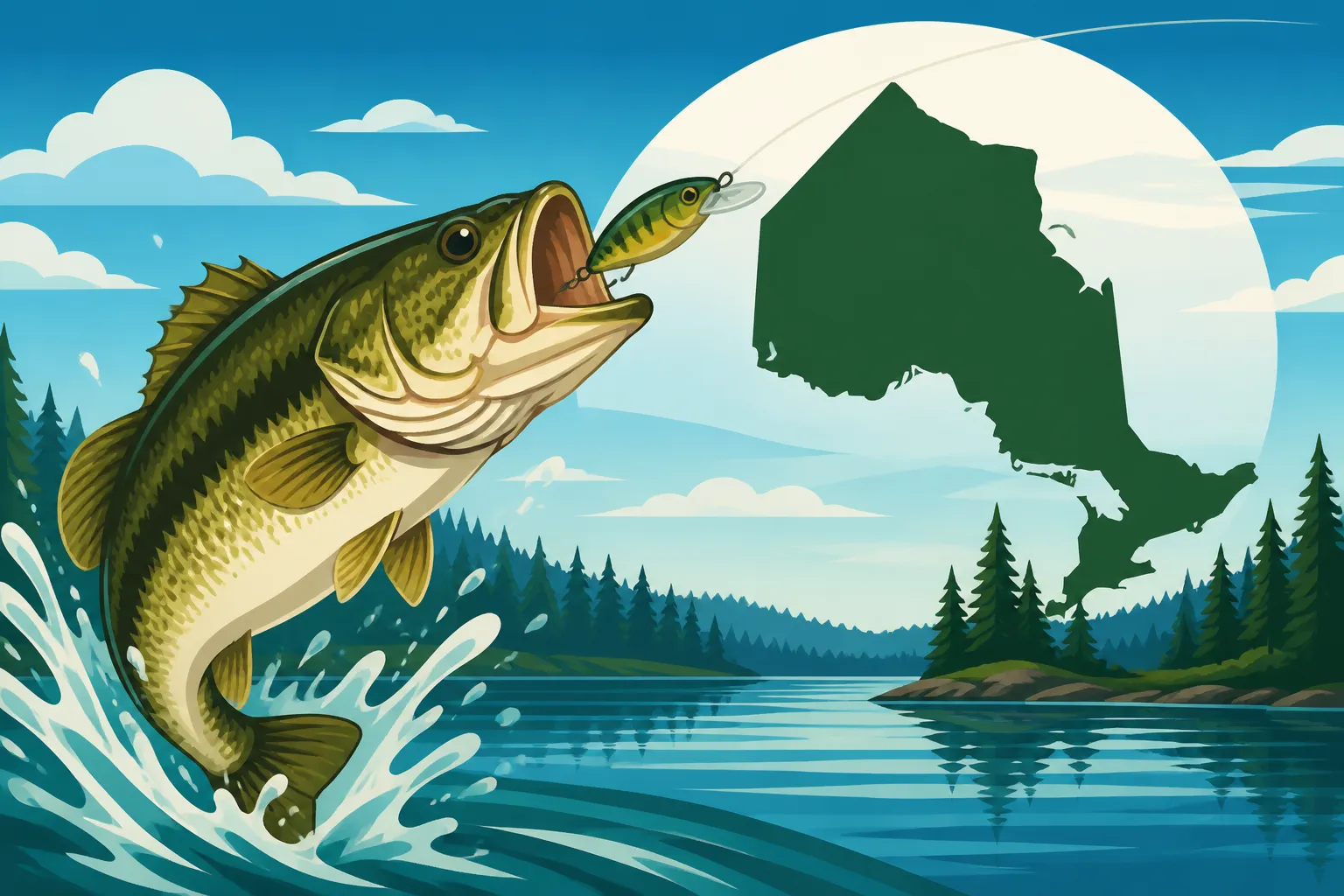
Best largemouth bass lakes in Ontario
Finding those prime largemouth bass lakes in Ontario can sometimes feel like searching for a hidden treasure, especially with so much focus often placed on walleye or northern pike. Many anglers get frustrated trying to pinpoint waters where these feisty, structure-loving fish truly thrive, often spending hours in spots better suited for other species. This guide is here to cut through the guesswork, diving deep into the best largemouth bass lakes across Ontario, detailing what makes them special, and offering practical advice to help you hook into some true Ontario bucketmouths.
The Hunt for Ontario's Largemouth Bass Havens: What to Look For
Largemouth bass are fascinating creatures, and unlike some of Ontario's more cold-water species, they absolutely adore warmth and cover. Understanding their preferred habitat is the first crucial step in locating the best lakes. You're not looking for deep, clear, rocky expanses when targeting largemouth; you're looking for their cozy, food-rich apartments.
Think about areas with dense weed beds – lily pads, cattails, hydrilla, and milfoil are all largemouth magnets. These aquatic plants provide camouflage for ambush predators, shade from the sun, and a buffet of baitfish and insects. Submerged timber, fallen trees, dock structures, and even old tires or brush piles also create prime real estate for these bass. They love to sit in ambush, hidden from their prey, waiting for the perfect moment to strike. Shallow, murky, or stained waters that warm up quickly are often more productive than vast, crystal-clear depths. This preference for warmer water means that lakes with extensive shallow flats and protective coves will generally hold a healthier population of largemouth.
Their movements throughout the season are also key. In the spring, after ice-out, largemouth will move into shallower, sun-drenched bays and coves to warm up and eventually spawn. This is when you'll find them cruising the edges of emergent vegetation. During the heat of summer, they'll often retreat deeper into dense weed beds or under thick canopy cover like lily pads, only coming out to feed aggressively during dawn and dusk, or on overcast days. As fall approaches, they'll become more active, feeding heavily in preparation for winter, often congregating on deeper weed edges or transitional areas before eventually settling into deeper, more stable water as temperatures plummet. For a more comprehensive look at these fascinating fish, check out our guide on Largemouth Bass Fishing in Ontario.
Premier Largemouth Bass Lakes in Southern Ontario
Southern Ontario, with its warmer climate and abundance of shallow, fertile lakes, is undoubtedly the stronghold for largemouth bass in the province. These waters offer a perfect blend of habitat, forage, and accessibility that makes them angler favourites.
Kawartha Lakes System: A Largemouth Paradise
The Kawartha Lakes are legendary for their bass fishing, and it’s no exaggeration to call them a largemouth paradise. This interconnected chain of lakes, rivers, and canals offers an incredible diversity of shallow, weedy, and woody cover that largemouth absolutely thrive in. You could spend a lifetime exploring these waters and still find new honey holes.
Lake Scugog, often lauded as one of the best, is a prime example. It's relatively shallow throughout, with extensive weed beds and excellent lily pad fields. The town of Port Perry, situated on its shores, provides easy access and services. Anglers here often find success pitching jigs and soft plastics into the thick stuff or working topwater frogs over the pads. Just be prepared to get your lure tangled now and then – that's where the bass live!
Further along the chain, Lake Chemong offers similar opportunities, with numerous bays, points, and islands all holding significant largemouth populations. It’s another lake where targeting docks, fallen trees, and weed lines with spinnerbaits or Texas-rigged worms can be incredibly effective. The sheer amount of available structure means bass are always nearby.
Then there's Rice Lake, a truly magnificent largemouth fishery known for producing both numbers and size. Its incredibly fertile waters, shallow average depth, and vast weed flats make it an ideal nursery for baitfish and, consequently, big bass. Look for areas with dense submerged vegetation, especially patches of wild rice, hence the name. Fishing on Rice Lake often involves covering water with crankbaits or exploring weed pockets with flippin' jigs. Many local anglers will tell you that the bass in Rice Lake are aggressive and put up a fantastic fight.
Lake Simcoe and Its Connected Waters
While Lake Simcoe is famous for its smallmouth bass and ice fishing, its shallower bays and connected systems offer fantastic, often overlooked, largemouth opportunities. It’s a testament to the diverse fishing experiences this lake provides.
The numerous canals and shallower bays, particularly on the western and southern sides of the main lake, are where you'll find the largemouth. Areas like Cook's Bay on the southern end, with its extensive cattail marshes, lily pads, and numerous docks, are prime examples. The warmer, shallower water here creates ideal conditions. Look for channels, marinas, and areas where feeder creeks enter the bay.
Don't forget the Holland River system that flows into Cook's Bay. This river and its adjacent wetlands are textbook largemouth habitat. Pitching buzzbaits or frogs into dense cover along the riverbanks can lead to explosive strikes. While you might encounter some smaller fish, the potential for a true trophy largemouth is definitely there. For those keen on exploring the many facets of this renowned waterbody, our comprehensive Lake Simcoe Fishing Guide offers more insights.
St. Lawrence River and Thousand Islands
The St. Lawrence River, particularly the Thousand Islands region, is world-renowned for its diverse fishery, and while smallmouth often steal the spotlight, the largemouth fishing here is truly exceptional. The intricate network of islands, bays, shoals, and dense aquatic vegetation creates an unparalleled habitat.
The key here is targeting the countless sheltered bays and backwaters that feature extensive weed beds, docks, and submerged timber. These areas are often protected from the main current of the river, allowing the water to warm up and fostering rich ecosystems for largemouth. Places like Gananoque Bay, Ivy Lea, and numerous other secluded coves among the islands are fantastic. Flipping jigs, Texas-rigging soft plastics, or throwing topwater frogs around these structures will be your go-to tactics. The largemouth here are strong, often larger than average, and thrive in this bountiful environment. It’s an angler's dream, offering picturesque scenery alongside incredible fishing. If you're planning a trip to this area, services like FishingBooker can help connect you with local guides who specialize in bass fishing, ensuring you make the most of your time on the water.
Unveiling Largemouth Opportunities in Northern Ontario
While Southern Ontario boasts the highest density of prime largemouth waters, don't overlook the northern reaches of the province. Largemouth bass have steadily expanded their range northward over the decades, aided by warmer temperatures and human introductions, opening up new and exciting opportunities for anglers willing to explore.
Smaller Lakes and Remote Ponds
Northern Ontario's vast landscape is dotted with countless smaller lakes and ponds, many of which are home to thriving populations of largemouth bass. These aren't always the massive, well-known fisheries, but rather the quieter, sometimes overlooked gems. You often find these bass in lakes with a good mix of shallow, dark-bottomed areas that warm quickly, along with ample vegetation like lily pads and reeds, and submerged wood.
Lakes in regions like the Sudbury area, Parry Sound, and even around Thunder Bay have pockets of fantastic largemouth fishing. Often, these are smaller, less-pressured waters that can yield surprisingly big fish. Access might be more challenging, sometimes requiring a portage or exploring Crown Land, but the reward of finding an untouched largemouth haven is well worth the effort. It’s here that the spirit of adventure truly comes alive. Remember to always check local regulations for any specific lake you plan to fish, as rules can vary.
The French River and Georgian Bay's Interior
Even within vast northern water systems like the French River and Georgian Bay, dedicated largemouth bass zones exist. These areas are typically sheltered, shallower bays and back channels that provide the warmer water and dense cover largemouth prefer, distinguishing them from the deeper, rockier domains favoured by smallmouth.
The French River, particularly its more sluggish, weedy sections and back bays, can be surprisingly productive for largemouth. Look for areas with heavy lily pad fields, wild rice, and extensive submerged vegetation away from the main current. The interconnectedness of the river system means there’s an abundance of diverse habitat to explore. Guides on FishingBooker who specialize in the French River often know these specific largemouth hideouts.
Similarly, within Georgian Bay's complex coastline, numerous secluded inlets and interior lakes that drain into the bay can hold excellent largemouth. These are often characterized by warmer, stained water and thick aquatic growth, providing a stark contrast to the vast, clear, windswept main lake. Exploring these nooks and crannies, perhaps by kayak or canoe, can lead to incredible fishing experiences for species like largemouth. If you're interested in alternative fishing methods to explore these areas, you might find our guide on Best Kayak Fishing Spots in Ontario helpful.
| Lake System | Key Features for Largemouth Bass | Common Lures/Techniques | Average Bass Size (estimate) |
|---|---|---|---|
| Kawartha Lakes | Extensive weed beds, lily pads, docks, varied structure, shallow. | Jigs, soft plastics, topwater frogs, spinnerbaits | 1.5 – 4 lbs, potential 5+ lbs |
| Lake Simcoe (Bays) | Cattail marshes, lily pads, canals, docks in shallow bays (Cook's Bay) | Buzzbaits, jigs, Texas-rigged worms | 1 – 3 lbs, potential 4+ lbs |
| St. Lawrence River | Sheltered bays, islands, docks, submerged timber, dense vegetation. | Flippin' jigs, soft plastics, topwater frogs | 2 – 5 lbs, potential 6+ lbs |
| French River | Weedy back bays, lily pad fields, slower current areas. | Spinnerbaits, topwater, weedless soft plastics | 1.5 – 3 lbs, potential 4+ lbs |
Practical Strategies for Landing More Largemouth
Once you’ve identified your chosen largemouth bass lake, it’s time to think about how to actually catch them. Success often comes down to matching your gear and approach to the specific conditions and behaviour of these aggressive fish.
Best Lures and Techniques
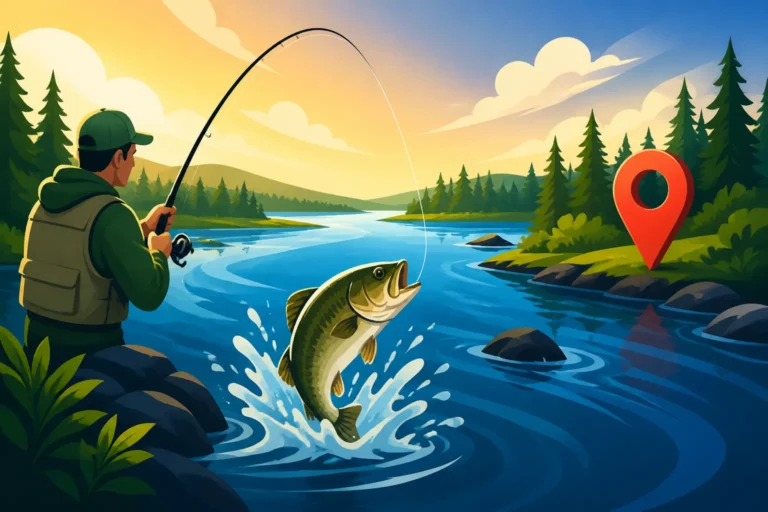
Largemouth bass are not typically shy, and they respond well to a variety of presentations. Topwater lures are incredibly exciting and effective, especially during low light conditions or over dense mats of weeds. Frogs, buzzbaits, and poppers cast directly onto lily pads or along weed edges can provoke explosive strikes. There's nothing quite like watching a big largemouth erupt through the vegetation to engulf your bait.
For targeting denser cover like submerged wood or thick weeds, weedless setups are essential. Texas-rigged soft plastics, such as Senkos, worms, or creature baits, can be flipped or pitched into the tightest spots. Flippin' jigs with a chunk trailer are also highly effective for punching through heavy cover. Spinnerbaits and chatterbaits are excellent for covering water, especially along weed lines or around sparse cover, their flash and vibration often provoking reaction strikes. Don't forget crankbaits for exploring deeper weed edges or rocky transitions. For more detailed insights on specific presentations, our article on Best Techniques for Largemouth Bass in Ontario Ponds provides excellent tips.
Navigating Regulations and Seasons
Before you head out, always, always make sure you're up-to-date on the current regulations. Ontario's fishing rules, including season dates, catch limits, and size restrictions, can vary significantly depending on the Fisheries Management Zone (FMZ) you're fishing in. What's legal on Lake Scugog might be different from the St. Lawrence River, for example. You’ll need to understand your Ontario Fishing Regulations Explained before you even cast a line. Specifically for bass, pay close attention to the Ontario Bass Opener Dates by Zone, as these can shift slightly each year and are crucial for ensuring a legal and ethical fishing trip.
You'll also need a valid Ontario fishing license, which means understanding the Ontario Fishing License Guide for 2026 is a must. If you're boating, familiarize yourself with Ontario Boating Laws for Anglers to ensure safety and compliance on the water. Conservation is a big part of Ontario fishing, and knowing and respecting the rules helps protect these fantastic largemouth bass fisheries for everyone.
Planning Your Expedition and Finding Guides
Planning your trip involves more than just picking a lake and packing your tackle. Consider when you're going – the Best Time of Year to Fish in Ontario for largemouth is generally from the post-spawn period in late spring through early fall, when water temperatures are optimal. If you're travelling to a new area, particularly a large and complex system like the St. Lawrence River, consider hiring a local fishing guide. They possess invaluable knowledge of the local waters, current conditions, and where the fish are biting. Services like FishingBooker are excellent resources for finding reputable local guides who can put you on fish, making your trip much more efficient and successful. They can also often suggest accommodations near the best fishing spots. Whether you’re looking for a rustic cabin on a remote northern lake or a comfortable lodge near the Kawarthas, a little planning goes a long way to ensure a memorable fishing adventure.
Disclaimer
The information provided in this guide is for general informational purposes only and is subject to change. Always consult the most current Ontario Fishing Regulations Summary for specific rules, limits, and season dates before heading out on the water. Fishing conditions and fish populations can vary, and personal safety should always be your top priority.