Best crappie lakes in Ontario
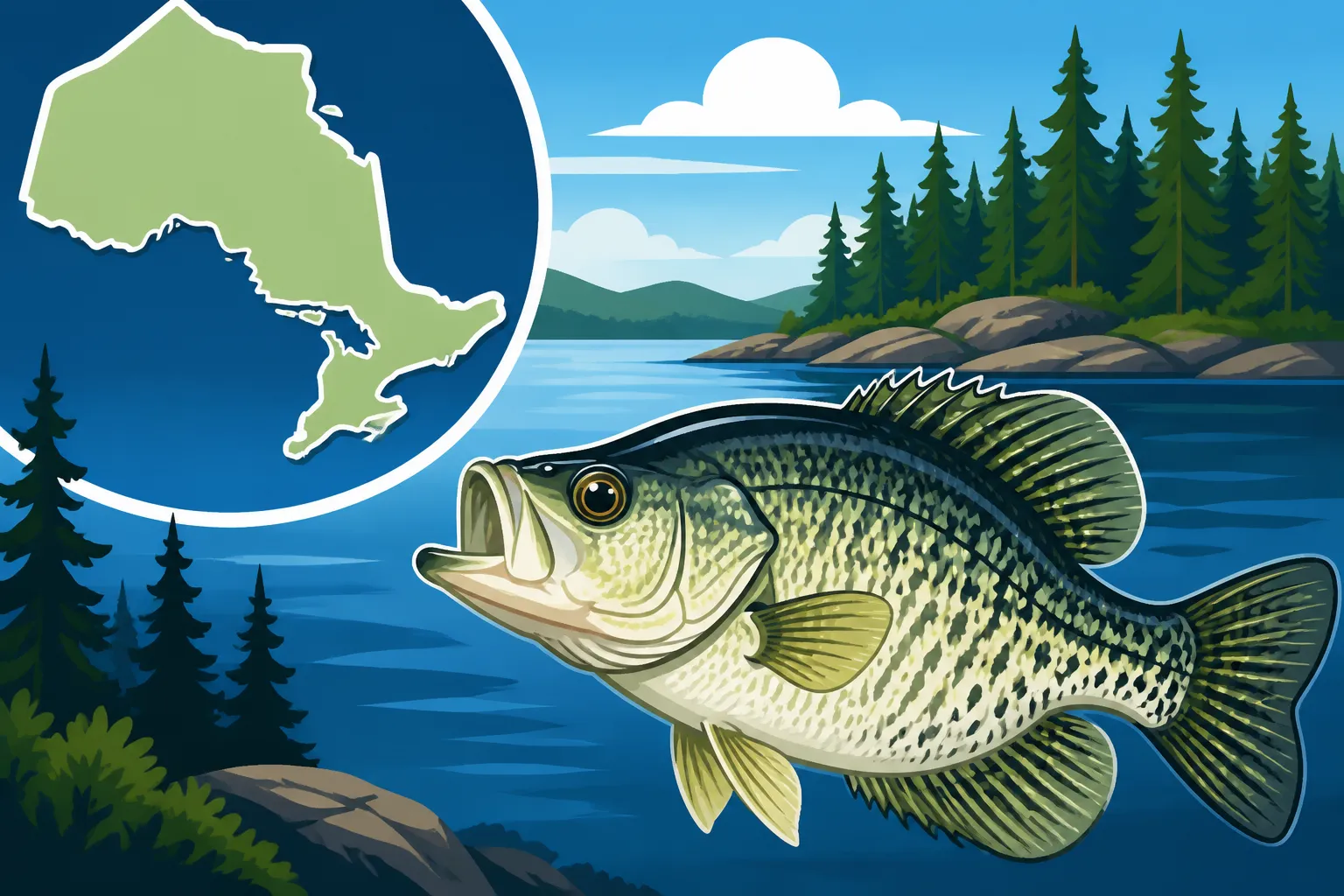
There’s nothing quite like the excitement of finding a big school of crappie, pulling out slab after slab of those delicious panfish. But let's be honest, finding those honey holes in Ontario's vast network of lakes and rivers can feel like searching for a needle in a haystack. This guide is here to cut through the guesswork, helping you pinpoint the best crappie lakes across the province and giving you the insider tips to make your next crappie fishing adventure a resounding success.
Understanding Ontario's Crappie Habitat and Seasons
Crappie, whether black or white, are truly fantastic fish to target, known for their aggressive bites and excellent table fare. But they're also a bit particular about where they like to hang out. Understanding their preferred habitats and seasonal movements is absolutely crucial to finding them consistently in Ontario. It's not just about picking a lake; it's about understanding the specific spots within those lakes at different times of the year.
Key Characteristics of Crappie Lakes
When we talk about "best crappie lakes," what are we really looking for? Crappie thrive in lakes that offer a good mix of shallow, weedy cover, submerged timber, and deeper open water access. They love areas with standing reeds, lily pads, brush piles, and fallen trees. These structures offer them protection from predators, ambush points for baitfish, and a place to warm up in the sun or escape the heat.
Look for lakes that have plenty of natural cover. In southern Ontario, many of our lakes, especially those in the Kawartha Lakes system, are naturally fertile with abundant vegetation, which is ideal. Conversely, some of the clearer, deeper lakes might have crappie, but they'll often be concentrated in specific bays or backwaters that replicate these conditions. A healthy crappie population also requires a good forage base, usually smaller baitfish and invertebrates. So, if a lake is known for its robust populations of shiners or small minnows, chances are the crappie are doing well too. Water clarity also plays a role; crappie tend to prefer somewhat stained or turbid waters, as it helps them camouflage and ambush prey more effectively than in crystal-clear conditions. However, they can adapt, as long as cover is present.
Best Times to Target Crappie in Ontario
Timing is everything when it comes to crappie fishing in Ontario. They’re active year-round, but certain seasons offer truly phenomenal opportunities. Knowing when and where to find them can drastically improve your catch rates.
- Spring (Pre-Spawn and Spawn): This is arguably the most exciting time for crappie. As water temperatures climb into the 50s Fahrenheit (around 10-15°C), crappie move into shallow bays, channels, and along shorelines to spawn. They'll be found around emergent vegetation, submerged brush, and docks. This is when they are most aggressive and concentrated, making them easier targets. The action starts just after ice-out, often in April and May, depending on the specific zone and how quickly the ice melts. For more on how these fish behave, check out our guide on Panfish Fishing in Ontario.
- Summer: Once spawning is complete, crappie tend to disperse and move to deeper, cooler waters, often suspending over weed lines, brush piles, or around deep-water structures. They might still move shallow during low light conditions (dawn/dusk) or on overcast days, but generally, you'll be looking for them in 10-25 feet of water. Finding these suspended schools requires a good fish finder, but once you locate them, the action can be steady.
- Fall (Pre-Winter Feeding Frenzy): As water temperatures cool down again, crappie will once again become more active, feeding heavily in preparation for winter. They'll often move back towards deeper weed edges or concentrate near main lake points and channel drop-offs, sometimes schooling up tightly. This can be another fantastic time to catch a lot of fish before the ice forms.
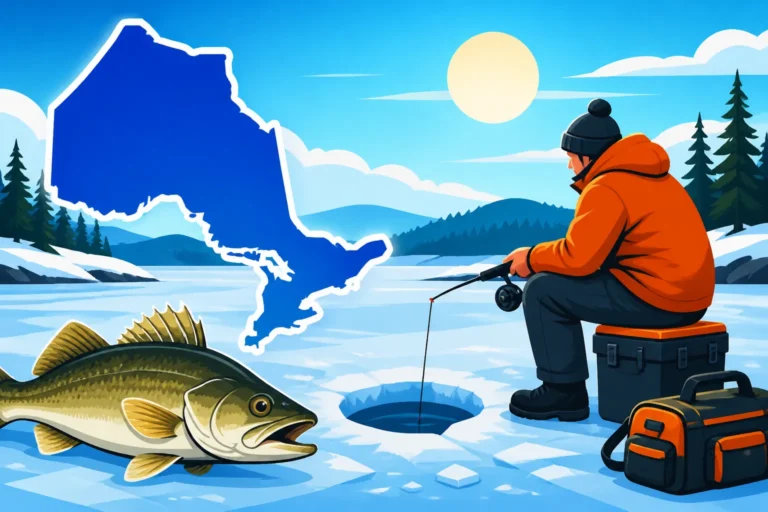
- Winter (Ice Fishing): Crappie are a prime target for ice anglers in Ontario. Once the ice is safe, crappie can be found in a variety of depths, often relating to the edges of deeper weed beds, submerged humps, or basin areas. They tend to suspend at specific depths, so experimenting with your presentation depth is key. Many popular lakes become bustling hubs for ice fishing, and finding the right ice hut setup is part of the fun. For more on cold weather tactics, read up on Ice Fishing in Ontario.
Top Crappie Lakes in Southern Ontario
Southern Ontario, with its generally warmer climate and abundance of fertile, interconnected waterways, is a crappie angler's paradise. Many lakes here are easily accessible and offer fantastic fishing opportunities for both boat and shore anglers.
Lake Simcoe and its Tributaries
Lake Simcoe is widely celebrated as one of Ontario's premier ice fishing destinations, but its crappie fishery thrives throughout the open water season too. While Simcoe itself is a large, deep lake, the crappie action often heats up in its shallower bays and connecting rivers and creeks.
- Key Areas: Look to bays like Cook's Bay and Kempenfelt Bay, especially in early spring and late fall. The connecting rivers, such as the Holland River, are absolute goldmines during the spring crappie run. These areas warm up faster, drawing crappie in to spawn among the flooded timber and emergent reeds. In summer, crappie can be found suspending in deeper parts of these bays or moving to adjacent main lake structure.
- Why it's Great: Lake Simcoe offers consistent crappie fishing with the potential for genuinely large slabs. The sheer size of the lake means there's always new water to explore, and the infrastructure for anglers is excellent. You can find detailed information about fishing this iconic body of water in our comprehensive Lake Simcoe Fishing Guide.
- Insider Tip: In early spring, target the shallow, dark-bottomed areas that absorb sunlight. A small jig under a float is deadly here. For ice fishing, look for those basin areas just off deeper weed lines.
Kawartha Lakes System
The Kawartha Lakes, a chain of interconnected lakes and rivers, are a mosaic of prime crappie habitat. These lakes are relatively shallow, fertile, and chock-full of aquatic vegetation and submerged wood, providing everything a crappie could want.
- Key Lakes: Rice Lake is often touted as a top crappie destination. Its extensive weed beds, shallow bays, and numerous islands create perfect ambush points. Sturgeon Lake, Buckhorn Lake, and Pigeon Lake also hold excellent crappie populations. The beauty of the Kawarthas is that you can often boat from one lake to another, effectively expanding your fishing grounds.
- Why it's Great: The sheer abundance of crappie in the Kawarthas is what makes them so special. It's not uncommon to catch dozens of fish in a single outing, though finding the "slabs" requires a bit more searching. The interconnected nature also allows for diverse fishing experiences, from quiet back bays to more open water. For general information on the system, our Kawartha Lakes Fishing Guide is a great resource.
- Insider Tip: Focus on channels and narrows between lakes, especially where current is present. Crappie will stack up in these areas, particularly during migration periods. Small minnows or tiny tubes fished near submerged logs are highly effective. If you're looking for an experienced local perspective, platforms like FishingBooker can help you find a guide who knows these intricate waterways inside and out.
Rideau Canal and Connecting Waters
The historic Rideau Canal system, stretching from Kingston to Ottawa, is more than just a scenic waterway; it's a phenomenal crappie fishery. This system includes numerous lakes, rivers, and man-made channels, all of which offer varied crappie habitat.
- Key Areas: Lakes such as Big Rideau Lake, Upper Rideau Lake, and Newboro Lake are well-known for their crappie. The smaller, often overlooked bays and sections of the canal itself, with their abundant docks and submerged structure, can be incredibly productive.
- Why it's Great: The Rideau system provides a unique fishing experience, combining natural lakes with tranquil canal sections. The crappie here can be plentiful, and the system's diverse structure means you can often find fish even when other lakes are slow. Anglers can explore vast stretches of water. For a broader overview of the area, you can check out our article on Rideau Lakes Fishing Spots.
- Insider Tip: Look for crappie under docks and along seawalls, especially in the afternoon when these structures provide shade. Small jigs or minnows presented vertically are often the ticket.
Renowned Crappie Hotspots in Northern Ontario
While southern Ontario gets a lot of the crappie hype, don't overlook the incredible opportunities in Northern Ontario. The vast, less pressured lakes of the north can produce some truly giant crappie, often in pristine settings away from the crowds.
Lake of the Woods and Surrounding Lakes
When you think of Northern Ontario fishing, Lake of the Woods immediately comes to mind for its walleye and muskie, but this massive body of water, and its numerous satellite lakes, are also fantastic for crappie.
- Key Areas: With over 14,500 islands and countless bays, finding crappie in Lake of the Woods requires focus. Concentrate on the more sheltered, shallower bays that have extensive weed beds and submerged timber. The areas around Kenora, Sioux Narrows, and Nestor Falls all offer excellent access to crappie habitat. Many smaller, interconnected lakes in the region, often with names like Crow Lake or Lake Minaki, also hold impressive crappie populations.
- Why it's Great: The crappie here are often less pressured and can grow to impressive sizes. The wilderness setting provides an unparalleled fishing experience. If you’re willing to explore, you might just find your own secret crappie haven.
- Insider Tip: Crappie in these northern lakes often relate to deeper rock piles adjacent to weed lines, especially in colder water. Vertical jigging with a small spoon or tube jig can be very effective. If you're unfamiliar with the area, utilizing a service like FishingBooker to hire a local guide can be invaluable for pinpointing these remote crappie schools.
Smaller Inland Lakes and Ponds
Beyond the major bodies of water, Northern Ontario is dotted with thousands of smaller, unnamed, or less-traveled lakes and ponds. Many of these hidden gems hold fantastic crappie populations that rarely see a lure.
- Key Areas: These can be tricky to identify without local knowledge or extensive mapping, but look for smaller lakes accessible via logging roads or portages. Lakes that are slightly stained, have good access to sunlight in bays, and feature plenty of deadfall or submerged stumps are prime candidates.
- Why it's Great: The solitude and the potential for catching genuinely unpressured crappie make these spots incredibly appealing. These lakes often offer a more "wilderness" fishing experience.
- Insider Tip: Don't be afraid to try smaller, lesser-known lakes, especially those that aren't primarily known for other species. A portable fish finder and a canoe or kayak can help you quickly assess crappie potential in these waters. Many of these waters are part of the vast network of Best Crown Land Fishing Lakes in Ontario.
Gear and Techniques for Ontario Crappie
Once you've found your crappie hotspot, having the right gear and techniques makes all the difference. Crappie are not usually leader-shy, but a subtle presentation is often more effective, especially for larger, more educated fish.
Essential Gear for Crappie Anglers
You don't need a massive tackle box to chase crappie, but a few key items will significantly increase your success.
- Rods and Reels: An ultralight or light action spinning rod, typically 5.5 to 7 feet long, paired with a small spinning reel (500-1000 size) spooled with 4-6 lb monofilament or fluorocarbon line is perfect. This setup allows for sensitive feel and casting small lures. For specific recommendations, check out our guide on the Best Tackle for Panfish.
- Lures and Baits:
- Jigs: Small marabou jigs, tube jigs, and hair jigs in 1/32 to 1/8 ounce sizes are incredibly versatile. Popular colors include white, black, chartreuse, pink, and motor oil.
- Small Spoons: Tiny ice fishing spoons or casting spoons can be effective, especially when jigging for suspended crappie.
- Soft Plastics: Micro-sized grubs, crappie magnets, and small creature baits rigged on tiny jig heads.
- Live Bait: Minnows are crappie candy! Small fathead minnows, shiners, or even small leeches under a bobber are often irresistible.
- Floats/Bobbers: A sensitive slip float or clip-on bobber is crucial for presenting baits at specific depths, especially when crappie are suspended.
- Terminal Tackle: A selection of small hooks (size 6-10), split shots, and swivels.
- Electronics: A good fish finder is invaluable for locating submerged structure and suspended crappie, particularly during summer and winter. Many portable options exist for kayak or small boat anglers.
Effective Crappie Fishing Techniques
Crappie are schooling fish, so once you find one, you're likely to find more!
- Jigging: This is perhaps the most popular and effective method.
- Vertical Jigging: Best for suspended fish or when fishing over structure. Drop your jig or small spoon directly below the boat or ice hole and twitch it gently. Pay close attention to your line for subtle bites. This is a go-to technique for Jigging for Perch Through the Ice, and it works wonders for crappie too.
- Casting and Retrieving: Cast a small jig or soft plastic near cover (weed lines, docks, brush piles) and retrieve it slowly with a stop-and-go motion, allowing the lure to fall tantalizingly.
- Float Fishing: Suspending a live minnow or a small jig under a bobber is a classic crappie technique. Set your float stopper to the depth where you expect the crappie to be. The visual strike of a bobber disappearing is always exciting! This is especially effective in shallow cover or when crappie are holding at a consistent depth.
- Trolling: In larger lakes, slow trolling with small crankbaits or jigs behind a minnow can be an effective way to cover water and locate schools of crappie, especially in open water during summer.
- Spider Rigging: For boat anglers, spider rigging involves using multiple rods spread out from the boat, each with a different bait or lure presented at varying depths. This is a highly efficient way to cover water and determine the crappie's preferred depth and presentation. This is particularly popular in the more expansive Kawartha and Rideau systems.
Crappie Lakes Comparison Table
| Lake System | Primary Crappie Species | Key Features | Best Season | Typical Size (inches) | Primary Access |
|---|---|---|---|---|---|
| Lake Simcoe | Black Crappie | Large bays, connecting rivers, deep basin | Spring, Winter | 8-12 | Public launches, marinas |
| Kawartha Lakes | Black Crappie | Interconnected lakes, extensive weeds, timber | Spring, Fall | 7-11 | Numerous launches, canal system |
| Rideau Canal System | Black Crappie | Lakes and channels, docks, diverse structure | Spring, Summer | 8-12 | Public launches, lock stations |
| Lake of the Woods | Black Crappie | Vast, thousands of islands, remote bays | Summer, Fall | 9-14 | Resorts, public launches, float plane |
| Smaller Northern Lks | Black Crappie | Remote, unpressured, abundant natural cover | All Seasons | 9-15 | Crown land access, portages |
Remember, crappie are schooling fish, so when you find one, slow down and thoroughly work the area. They often relate to specific structures, so use your electronics to mark brush piles, submerged trees, or distinct weed edges. A keen eye on your rod tip or bobber for the slightest twitch can be the difference between a slow day and a banner day.
Disclaimer
The information provided in this guide is for general informational purposes only and is not intended as legal or professional advice. Fishing regulations, season dates, and limits are subject to change by the Ontario Ministry of Natural Resources and Forestry (MNRF). Always consult the most current Ontario Fishing Regulations Summary before heading out on the water. Fishing conditions can vary, and personal safety should always be your top priority.