Best fishing spots on the Severn River
Oh, the Severn River! It's a real gem in Ontario, isn't it? But if you've ever tried to fish it without some local knowledge, you know it can feel like a sprawling, unpredictable beast. Anglers often struggle to pinpoint exactly where the fish are hiding, especially with its mix of river current, lake sections, and complex structures. This guide is here to cut through that confusion, helping you unlock the Severn River's best fishing spots so you can spend less time searching and more time reeling in those memorable catches.
Understanding the Severn River's Unique Fisheries
The Severn River is far more than just a single stretch of water; it's a dynamic system that weaves its way through Central Ontario, connecting Lake Couchiching to Georgian Bay. Part of the larger Trent-Severn Waterway, it presents a fascinating array of habitats, from swift-moving currents and rocky rapids to expansive, lake-like sections and tranquil backwaters. This incredible diversity is precisely what makes it such a phenomenal fishery, but it also means you can't approach every section with the same strategy.
A River of Contrasts: Upper, Middle, and Lower Sections
To truly understand where to find fish on the Severn, you need to break it down into its distinct personalities. The river changes dramatically as it flows westward.
The Upper Severn, closer to Lake Couchiching, often feels more like a slow, meandering river with significant weed growth and shallower areas. Here, you'll encounter a lot of current breaks and transition zones where fish like largemouth bass, pike, and panfish love to ambush prey. The water might be a bit warmer and murkier in some spots, creating ideal conditions for these species. Anglers often find success by focusing on the edges of extensive weed beds or fallen timber.
Moving downstream, you hit the Middle Severn, which includes areas around the locks and rapids, like Swift Rapids and the Big Chute Marine Railway. This section is characterized by more pronounced current, rocky outcroppings, and deeper pools. These areas are magnets for species that thrive in moving water, such as walleye and smallmouth bass. The churning water around the locks creates oxygenated havens and brings baitfish to the surface, making them prime feeding grounds. It's a fantastic place to cast towards eddies and current seams.
Finally, the Lower Severn opens up as it approaches Georgian Bay. Here, the river widens considerably into sections that resemble small lakes, with Sparrow Lake being a prime example, before narrowing again and eventually emptying into the vast expanse of Georgian Bay. This lower stretch offers a mix of deep rocky structures, expansive flats, and submerged shoals. The influence of Georgian Bay brings in bigger fish, especially trophy muskie and pike, which follow baitfish into these more open, yet still current-rich, environments. Understanding the nuances of these different sections is your first step to consistent success on the Severn River.
Key Fish Species to Target on the Severn
The Severn River is a multi-species angler's paradise, home to an impressive variety of game fish. Knowing what you're after helps immensely in planning your attack.
Walleye are a perennial favourite, and the Severn River is well-known for them, especially in the more current-laden sections of the middle river. They love those deeper pools, current breaks, and rocky bottoms. During their Ontario Walleye Opener Dates by Zone season, you'll find them actively feeding.
Muskellunge (Muskie) are the apex predators here, especially as you get closer to Georgian Bay. These giants lurk in weed lines, along rocky drop-offs, and around submerged structures, waiting for an unsuspecting meal. Chasing muskie is often a quest for a lifetime fish, and the Severn offers legitimate opportunities for trophy-sized specimens. If you're looking for that thrill, remember their specific Ontario Muskellunge Season Dates and Limits before heading out.
Northern Pike are abundant throughout the river, particularly in the weedy bays and slower-moving sections. They are aggressive eaters and provide excellent action for anglers of all skill levels. You'll find them often holding tight to cover, ready to dart out and strike anything that passes by.
Bass, both Smallmouth and Largemouth, thrive in the Severn. Smallmouth prefer the rocky, current-swept areas and deeper points, offering incredible fights on light tackle. Largemouth gravitate towards the shallower, weedier bays and areas with lots of submerged timber. Both species provide fantastic sport fishing, especially during the warmer months. You can find excellent advice on How to Catch Smallmouth Bass in Ontario in our dedicated guide.
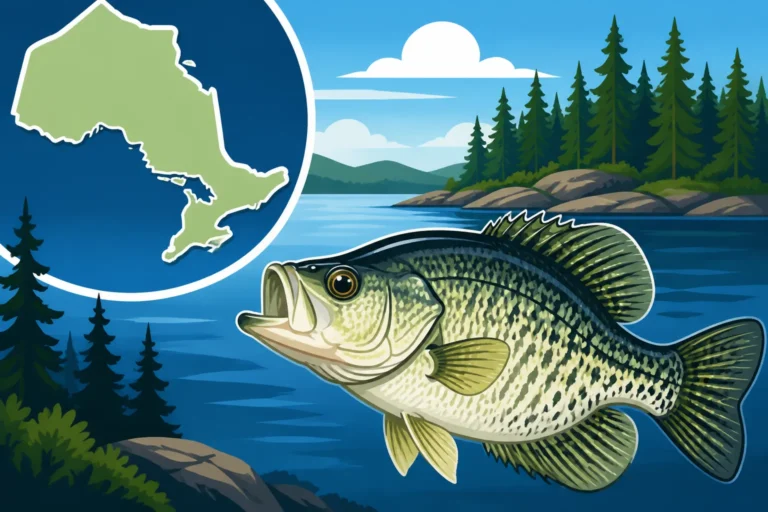
Finally, Panfish like crappie, bluegill, and perch are plentiful, especially in the shallower, calmer bays. These are fantastic for family outings or for those looking for consistent action. While often overlooked, a good panfish bite can make for an incredibly fun day on the water and a delicious shore lunch.
Prime Fishing Hotspots on the Severn River
Now, let's talk brass tacks: where exactly should you drop a line? The Severn River has a few key areas that consistently produce, offering diverse opportunities depending on your target species and preferred fishing style.
Areas Near Swift Rapids and Big Chute Marine Railway
These are arguably some of the most dynamic and productive areas on the entire river, primarily due to the strong current and dramatic changes in depth and structure created by the locks and rapids.
Near Swift Rapids, you'll find a confluence of moving water and deeper sections. Walleye absolutely love these conditions. Look for current breaks – any point where the fast water meets slower water, like behind large boulders, submerged humps, or the upstream and downstream sides of islands. Eddies, those swirling pockets of calmer water adjacent to the main current, are prime ambush points for walleye and smallmouth bass. Drifting jigs tipped with a minnow or worm, or casting crankbaits that dive to the appropriate depth, can be incredibly effective here. The deep scour holes below the rapids also hold big fish that are seeking refuge and waiting for food to drift by.
The Big Chute Marine Railway area presents similar opportunities but with its own unique character. The locks themselves act as bottlenecks, concentrating fish and baitfish. Below the locks, where the water churns and creates turbulence, you'll often find schools of active feeders. Both smallmouth bass and walleye will stack up here, especially during prime feeding times. Look for any underwater structure – rock piles, sudden drop-offs, or even remnants of old docks or cribs. These provide cover and current relief. Jigging spoons or heavy swimbaits can be deadly when fished vertically in these deeper, turbulent areas. Always be mindful of boat traffic around the railway itself, especially during peak summer months.
The Expansive Waters of Sparrow Lake
As the Severn River flows downstream from the lock systems, it opens up into the beautiful and surprisingly large Sparrow Lake. This is a significant transition from a true river environment to a more lake-like fishery, offering a whole new set of opportunities and challenges.
Sparrow Lake is known for its excellent populations of both smallmouth and largemouth bass, as well as northern pike and walleye. For largemouth bass, focus your efforts on the extensive weed beds, lily pad fields, and shallow, woody cover found in the lake's many bays and inlets. Topwater frogs, weedless jigs, and Texas-rigged plastics are go-to baits here. The warmer, shallower water in these bays also holds plenty of panfish, making it a great spot for beginners or those seeking consistent action.
Smallmouth bass will be found more on the rocky points, humps, and shoals that dot the lake. Areas where the bottom transitions from soft mud to hard rock are particularly productive. Look for these fish on your sonar and target them with drop shots, tube jigs, or small crankbaits. The deeper edges of these structures are often holding larger smallmouth.
Walleye in Sparrow Lake tend to relate to the deeper basins, submerged humps, and main lake points, especially during the day. They might move shallower to feed during low light conditions or at night. Trolling crankbaits along contours or jigging blade baits on deep structure can be effective. Meanwhile, Northern Pike will patrol the edges of the weed lines and around any significant cover, always on the lookout for a meal. Large spoons, spinnerbaits, or even live minnows under a float can entice these toothy predators.
Hidden Gems in the Lower Severn Closer to Georgian Bay
As the Severn River completes its journey and approaches the vastness of Georgian Bay, the character of the fishery shifts once again. This section is often overlooked by those who focus on the upper river or the Bay itself, but it holds some true hidden gems, especially for those targeting larger, more elusive fish.
The influence of Georgian Bay becomes palpable here. The water can be clearer, and the prevalence of rocky shoreline and deep-water access increases. This is prime territory for muskie and larger northern pike. These big predators will follow baitfish migrating in and out of Georgian Bay, making the lower Severn a critical migratory corridor and feeding ground. Look for pronounced rocky points, deeper weed lines adjacent to open water, and especially any areas where current flows around islands or through narrow channels. Casting large bucktails, glide baits, or soft plastics can provoke explosive strikes from these giants. Finding a reputable local guide through a service like FishingBooker can significantly increase your chances of success for these trophy fish, as they often have intimate knowledge of their patterns and preferred locations.
Beyond the muskie, this section also holds some impressive smallmouth bass, particularly where rocky structures meet deeper water. The countless inlets and small bays also offer opportunities for largemouth bass and panfish, though the overall environment leans more towards the cooler, rockier preferences of smallmouth. Pay attention to changes in bottom composition and current. Subtle depth changes along a rocky shoreline can hold schools of baitfish, and consequently, bigger game fish. This area demands a keen eye for structure and a willingness to explore, often rewarding anglers with solitude and exceptional catches.
Essential Techniques and Tackle for Severn River Success
To really make the most of your time on the Severn, it's not just about knowing where to go, but how to fish once you're there. The river's diverse environments demand a versatile approach.
Mastering River Current Strategies
Fishing in current can be intimidating, but it's also incredibly rewarding because fish in moving water are often more active and predictable. They position themselves to conserve energy while waiting for food to be delivered to them by the current.
The key is to identify current breaks and seams. These are areas where fast water meets slow water, creating an edge that fish love to sit in. This could be behind a large boulder, a fallen tree, an island, or even a subtle indentation in the shoreline. Casting your lure upstream of these areas and allowing the current to carry it naturally into the strike zone is a highly effective technique. For species like walleye and smallmouth, this "drift fishing" approach with jigs, live bait, or even bottom-bouncing rigs can be incredibly productive.
Jigging is another cornerstone technique for current. Use heavier jigs (like 3/8 oz to 1/2 oz or more, depending on current strength and depth) to maintain bottom contact. Work your jig with short, sharp lifts and drops, allowing it to tumble and dance downstream. This mimics struggling baitfish or crawfish being washed along the bottom. For more tips on this, check out our guide on How to Catch Walleye in Ontario.
When fishing around the powerful currents near the locks, safety is paramount. Always be aware of your boat positioning and follow all Ontario Boating Laws for Anglers.
Recommended Lures and Baits
Having the right arsenal can make all the difference. Here’s a breakdown of what typically works well on the Severn:
- Jigs: From small 1/16 oz finesse jigs for panfish and crappie to 1/2 oz or heavier jigs for walleye and bass in current. Tipping them with live minnows, worms, or soft plastic trailers (grubs, shads) is almost always a good idea. Consider durable options from brands like Northland or Berkley.
- Crankbaits: Deep-diving crankbaits are excellent for walleye in deeper sections or when trolling through Sparrow Lake. Medium-diving crankbaits work well for bass and pike along weed edges and rocky points. Popular colours include firetiger, perch patterns, and various shad imitations. Rapala and Storm are reliable brands.
- Spinnerbaits: Fantastic for northern pike and largemouth bass, especially when fished around weed beds and submerged timber. The flash and vibration really call out to aggressive fish.
- Topwater Lures: For explosive bass action in the mornings and evenings, especially in the shallower, weedier bays. Poppers, walk-the-dog baits, and hollow-bodied frogs (for lily pads) are excellent choices.
- Live Bait: Minnows (shiners, suckers) are king for walleye, pike, and even large bass. Worms are universally appealing to panfish, bass, and often walleye. Crawfish are a smallmouth bass favourite. Using live bait, particularly under a float or on a bottom rig, is a consistent producer.
- Muskie Specific Baits: For the truly dedicated, large bucktails (e.g., from Musky Innovations), glide baits, soft plastics like Bull Dawgs, and oversized crankbaits are essential. Our Best Muskie Gear for Ontario Waters guide offers even more insights.
For a comprehensive look at what to bring, consult our guide on the Best Tackle Box Setup for Ontario Anglers.
Seasonal Considerations for Peak Fishing
The Severn River fishes differently throughout the year, and understanding these patterns will drastically improve your success.
Spring (Ice-out to early June): This is prime time, especially after ice-out, as fish become incredibly active following the long winter. Walleye will be concentrated in spawning areas and then move to adjacent deeper holes and current breaks. Pike are also very active and accessible in shallow bays. Bass seasons are typically closed or catch-and-release only in spring, so always check the Ontario Fishing Regulations Explained for specific dates. The waters are often colder and fish are looking for easy meals.
Summer (June to August): As the water warms, fish spread out more. Largemouth bass move into heavy cover in shallower bays, while smallmouth bass relate to rocky points and deeper structures. Walleye will move to deeper, cooler water, often suspending over humps or relating to deep current seams. Early mornings and late evenings are key for topwater action and shallower bites. Mid-day often requires fishing deeper or finding shaded cover.
Fall (September to November): This is another fantastic time, especially for trophy fish. Muskie and pike become incredibly aggressive, fattening up before winter. They’ll be found on deep weed edges, rocky drop-offs, and along primary migration routes. Walleye will also become more concentrated again in deeper holes and current areas, feeding heavily. This is often the time for big baits and big fish. The cooler temperatures also mean fewer recreational boaters, offering a more peaceful angling experience.
Navigating the Severn River and Planning Your Trip
Fishing the Severn River can be an incredibly rewarding experience, but a little planning goes a long way, especially when it comes to access and leveraging local expertise.
Public Access Points and Boat Launches
While the Severn River is well-trafficked by recreational boaters on the Trent-Severn Waterway, finding public boat launches that are convenient for anglers is crucial. Many sections of the river are lined with cottages and private properties, so knowing your access points is key.
For accessing the Upper Severn and Sparrow Lake, communities like Orillia (which connects to Lake Couchiching, the Severn's headwaters) or smaller towns along the waterway offer various municipal and private marina launches. For instance, the Port of Orillia offers excellent access to Lake Couchiching and, by extension, the Severn River. Further downstream, several resorts and private marinas around Sparrow Lake often provide public launch facilities for a fee. Some popular spots to consider looking for access include areas near Washago or Hamlet.
Around the Middle Severn, particularly near the Swift Rapids and Big Chute Marine Railway, access can be a bit more limited directly at the locks due to their operational nature. However, there are often public or private launches upstream or downstream a short distance. Smaller, less developed launches might require a bit of searching on local maps, but they offer access to prime current fishing zones.
The Lower Severn leading into Georgian Bay often has good access through communities like Port Severn. Here, you'll find several marinas and public launches, as this area serves as a gateway to Georgian Bay. These launches are usually well-maintained and suitable for larger fishing boats that might tackle the more open waters of the lower river and the Bay itself. When considering what kind of vessel to bring, our guide on the Best Boats for Ontario Lakes and Rivers can offer valuable insights. Always check current conditions and launch fees, as these can change seasonally.
Local Resources and Guides
Sometimes, the best way to crack the code on a new body of water is to tap into local knowledge. The Severn River is no exception.
Local Bait and Tackle Shops: These are goldmines of information. Stores in towns like Orillia, Waubaushene, or Port Severn will not only stock the right lures and baits for the local conditions but their staff often have up-to-the-minute reports on what's biting, where, and on what. Don't be shy about asking questions! They can tell you about recent trends, water levels, and even point you towards specific areas that have been hot.
Fishing Guides: For those who want to maximize their time or specifically target a challenging species like muskie, hiring a local fishing guide is an invaluable investment. A professional guide knows the river's secrets, the seasonal patterns, and exactly which techniques are producing. They often have specialized equipment and boats that are perfectly suited for the Severn's diverse conditions. You can find excellent, experienced guides who specialize in the Severn River region by searching platforms like FishingBooker. This service allows you to compare guides, read reviews, and book trips tailored to your target species and preferences, ensuring you get the most out of your outing. FishingBooker makes it easy to connect with pros who live and breathe this waterway, turning a good fishing day into a truly unforgettable one.
Online Forums and Social Media: Local fishing groups on Facebook or dedicated Ontario fishing forums can also be great places to gather current information and connect with other anglers who share their experiences on the Severn. Just remember to treat any shared "secret spots" with respect and discretion!
No matter how you plan your trip, always consult the Ontario Fishing Regulations Summary before heading out. Regulations, season dates, and possession limits can vary by zone and species, and staying compliant ensures you have a trouble-free and enjoyable experience.
Here's a quick summary of some prime spots and what to expect:
| Section of Severn River | Prime Location Example | Key Fish Species | Best Techniques | Notes |
|---|---|---|---|---|
| Upper Severn | Weedy bays near Washago | Largemouth Bass, Pike, Panfish | Spinnerbaits, Jigs, Topwater, Live Worms | Focus on weed edges, fallen timber, calmer waters. Good for family fishing. |
| Middle Severn | Swift Rapids, Big Chute Marine Railway | Walleye, Smallmouth Bass, Pike | Heavy Jigs, Crankbaits, Drift Fishing with Live Bait | Current breaks, eddies, deep scour holes. Be mindful of boat traffic and current strength. |
| Sparrow Lake | Rocky points, extensive weed beds | Smallmouth Bass, Largemouth Bass, Walleye, Pike | Drop Shots, Tube Jigs, Trolling Crankbaits, Topwater Frogs | More lake-like conditions. Diverse structure, excellent for multiple species. |
| Lower Severn | Port Severn area, Georgian Bay influence | Muskie, Large Pike, Smallmouth Bass | Large Bucktails, Glide Baits, Deep Crankbaits | Deeper, rockier water, direct influence from Georgian Bay. Best for trophy hunters. |
Disclaimer
Please be aware that fishing conditions, regulations, and access points can change. Always consult the most current Ontario fishing regulations from the Ministry of Natural Resources and Forestry (MNRF) before your trip. Exercise caution on the water, especially in areas with strong current or heavy boat traffic, and prioritize safety above all else.