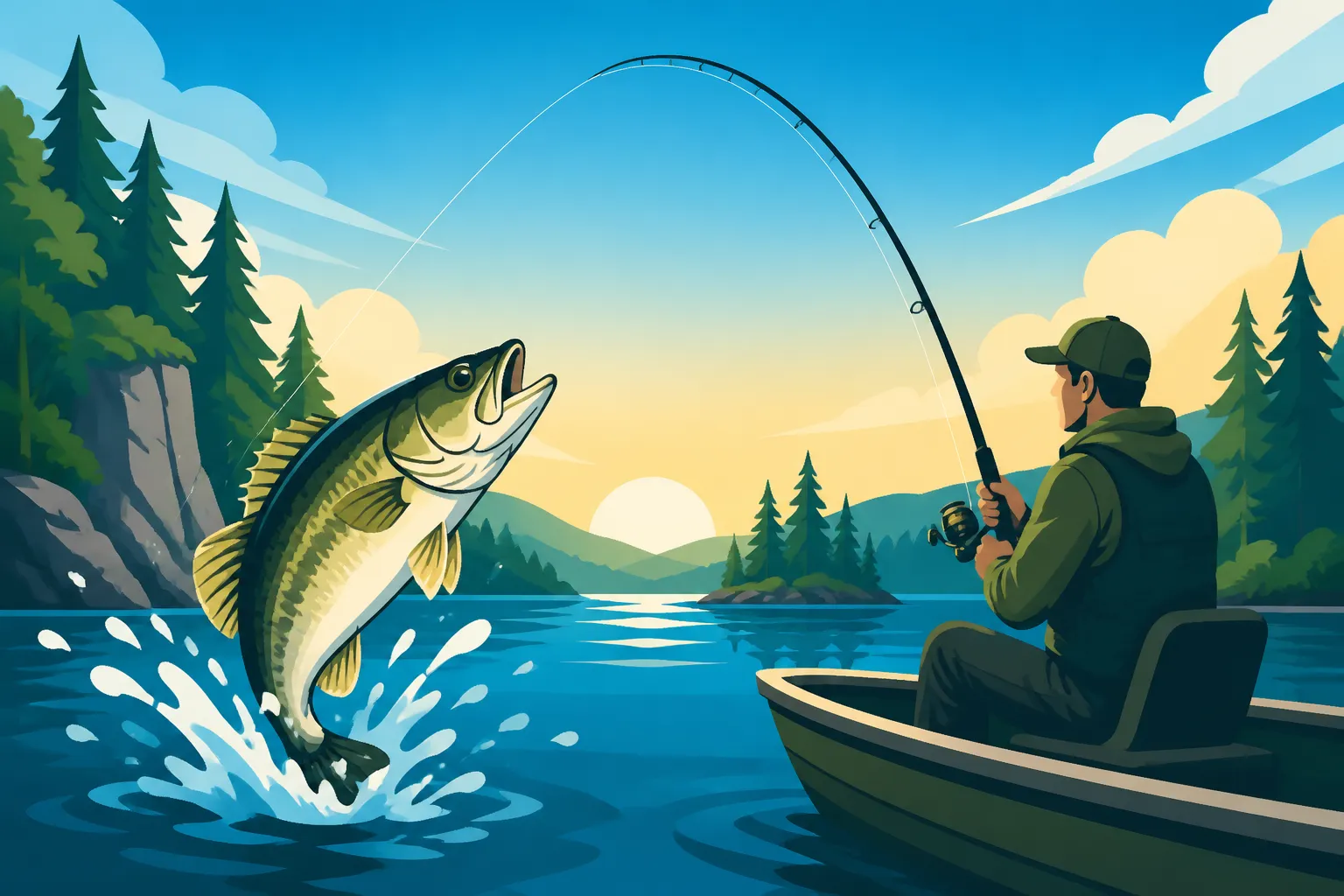
Best fishing spots in Haliburton Highlands
Trying to find those perfect fishing spots in a region as vast and beautiful as the Haliburton Highlands can feel a bit like searching for a needle in a haystack, especially when you're craving both quantity and quality in your catch. It's easy to get overwhelmed by the sheer number of lakes, wondering which ones actually deliver. This guide is here to cut through the confusion, offering you a breakdown of the best fishing spots in Haliburton Highlands, along with tips and tricks to make your next angling adventure a resounding success.
The Allure of Haliburton Highlands for Anglers
The Haliburton Highlands is a truly special place, renowned for its rugged Canadian Shield landscape, dense forests, and, crucially for us anglers, its literally hundreds of sparkling lakes and rivers. This isn't just a pretty backdrop; it's a diverse aquatic ecosystem that supports a fantastic array of fish species. From the feisty smallmouth bass that patrol rocky shorelines to the elusive lake trout lurking in deep, cold waters, and the ever-popular walleye found in many of its larger systems, the Haliburton Highlands offers something for every type of angler. The sheer variety here means you can spend years exploring and still discover new honey holes. It’s not just about the fish, though; it’s about the experience – the quiet solitude of a morning mist rising off the water, the call of a loon, and the stunning sunsets that paint the sky.
A Landscape Shaped for Fishing Diversity
The geological history of the Haliburton Highlands has truly shaped its fishing potential. Carved by glaciers, the region boasts an intricate network of deep, clear lakes, shallow, weedy bays, and connecting rivers and streams. This diverse aquatic geography creates a multitude of habitats, allowing a wide range of fish species to thrive. For instance, the deeper, oligotrophic (nutrient-poor) lakes with their cold, oxygen-rich waters are prime territory for native lake trout. Meanwhile, shallower, more fertile lakes with abundant aquatic vegetation provide ideal conditions for species like northern pike and largemouth bass. Understanding this natural diversity is key to appreciating why the fishing here is so exceptional and why you can target different species just a short drive apart.
Beyond the Catch: The Haliburton Experience
While reeling in a trophy fish is undoubtedly a highlight, the Haliburton Highlands offers an entire experience that transcends just the angling itself. Many of the best fishing spots are nestled within pristine wilderness areas, offering opportunities for wildlife viewing, hiking, and simply unwinding in nature. Imagine a day where you start with a successful morning of Walleye Fishing in Ontario, then spend the afternoon paddling a quiet lake, spotting deer or even a moose along the shore. The abundance of cottages, resorts, and campgrounds also means that you can easily turn a day trip into a week-long family vacation, blending serious fishing with other recreational activities. For those who appreciate the broader outdoors experience, Haliburton Highlands is truly a destination that keeps on giving.
Top Lakes for Popular Game Fish Species
When most anglers think about fishing in Ontario, they often picture reeling in classic species like walleye, smallmouth bass, and lake trout. The Haliburton Highlands delivers on all fronts, with several prominent lakes standing out as consistent producers for these beloved game fish. Knowing which lakes excel for which species can save you valuable time and greatly increase your chances of a memorable catch.
Kennisis Lake for Lake Trout and Smallmouth Bass
Kennisis Lake, a substantial body of water known for its remarkable clarity and depth, is a true gem in the Haliburton chain. Located northeast of Haliburton village, it’s actually made up of two distinct lakes, Big Kennisis and Little Kennisis, connected by a narrows. This lake is primarily a cold-water fishery, making it a prime destination for lake trout. Anglers often target these deep-dwelling fish using downriggers or by jigging deep structure with heavy spoons or tubes, especially during the warmer months when trout descend to cooler depths.
But don't let its trout reputation overshadow its excellent smallmouth bass fishery. The lake's abundant rocky points, shoals, and underwater structure provide perfect habitat for Smallmouth Bass Fishing in Ontario. You'll find success casting crankbaits, topwater lures in the mornings and evenings, or working tube jigs and Ned rigs along drop-offs. Public boat launches are available, and many cottages line its shores, making access fairly straightforward. When planning your trip, remember to consult the specific regulations for Kennisis, as catch and possession limits can vary.
Lake Kashagawigamog for Walleye and Smallmouth Bass
"Kash" as it's often affectionately known, is another cornerstone of the Haliburton Highlands fishing scene, forming part of a five-lake chain that includes Soyers Lake, Head Lake, Grass Lake, and Canning Lake. This interconnected system offers incredible diversity. Lake Kashagawigamog itself is particularly celebrated for its walleye population. The lake features numerous shoals, weed lines, and deeper channels where walleye love to ambush baitfish. Trolling with worm harnesses or crankbaits along the contours, or jigging with minnows or plastics on structure, are highly effective methods here.
Beyond walleye, Kashagawigamog also offers fantastic smallmouth bass action, particularly around its many rocky points and transition areas where hard bottom meets softer sediment. Look for fallen timber and submerged rocks, especially during the pre-spawn and post-spawn periods. Access is good, with several public launches and resorts catering to anglers. Given its connection to other lakes, this system offers the potential for extended exploration and diverse catches, truly embodying the spirit of Best Fishing Lakes in Ontario.
Drag Lake for Lake Trout and Bass
Drag Lake, situated just south of Haliburton village, is another deep, oligotrophic lake that shines as a lake trout fishery. Similar to Kennisis, its cold, clear waters are ideal for these powerful salmonids. Early season and late fall are prime times for targeting lake trout closer to the surface with spoons and crankbaits. As the water warms, you'll need to go deeper, employing tactics like vertical jigging over submerged humps or slow trolling with downriggers. The presence of significant structure, including steep drop-offs and rocky reefs, provides ample hiding spots for these fish.
While lake trout are the main draw, Drag Lake also offers a healthy population of both smallmouth and largemouth bass, especially in its shallower bays and around any weed growth. Smallmouth will typically hug the rocky shores and points, while largemouth will be tucked into the denser vegetation. Pay attention to the transitions between these habitats. Several access points exist, including public launches, making it a popular choice for both locals and visitors. If you're looking for a challenging but rewarding lake trout experience, coupled with solid bass opportunities, Drag Lake is definitely worth a visit.
Here's a quick overview of these top Haliburton Highlands lakes:
| Lake Name | Primary Species Targeted | Key Features & Tips | Best Access Points | Unique Regulations/Notes |
|---|---|---|---|---|
| Kennisis Lake | Lake Trout, Smallmouth Bass | Deep, clear water; rocky points. Use downriggers for lakers, topwater for smallmouth. | Public launches on Big & Little Kennisis. | Check specific zone limits for Lake Trout. |
| Lake Kashagawigamog | Walleye, Smallmouth Bass | Part of a 5-lake chain; shoals, weed lines. Troll/jig for walleye, cast for bass. | Several public launches and resort accesses. | General Zone 15 regulations apply, verify for specifics. |
| Drag Lake | Lake Trout, Smallmouth/Largemouth Bass | Deep, clear, cold water; steep drop-offs. Deep jigging for lakers, explore bays for bass. | Public launch available. | Good spring/fall lake trout opportunities near surface. |
Exploring Rivers, Smaller Lakes, and Remote Access Spots
While the large, well-known lakes in the Haliburton Highlands certainly offer fantastic fishing, don't overlook the incredible opportunities that lie within its network of rivers, smaller, often quieter lakes, and more remote access points. These spots can provide different angling experiences, from fly fishing for brook trout to discovering unpressured bass populations. Getting off the beaten path often means more solitude and a greater sense of wilderness adventure.
The Burnt River System for Pike and Bass
The Burnt River is a significant waterway that meanders through a good portion of the Haliburton Highlands, eventually flowing into the Trent-Severn Waterway. This river system is renowned for its northern pike and both largemouth and smallmouth bass. The river's character varies greatly along its length, offering a mix of slower, wider sections with extensive weed beds and shallower, faster-moving areas with rocky bottoms.
For pike, focus on the weed lines and areas with submerged timber. Spinnerbaits, large spoons, and topwater lures can be incredibly effective, especially during low-light conditions. Bass will be found in similar cover, with largemouth preferring the thickest weeds and lily pads, and smallmouth favoring rocky current breaks and eddies. Access to the Burnt River can be found at various public bridges and some conservation areas. It’s a great system for canoe or kayak anglers who can navigate its varied terrain. Consider reading up on Best Fishing Rivers in Ontario for more general river fishing strategies that can be applied here.
Catch and Release Gems for Brook Trout
For the dedicated trout angler, the Haliburton Highlands holds a number of smaller, sometimes less accessible lakes and streams that are actively managed for brook trout. Many of these are stocked by the Ministry of Natural Resources and Forestry (MNRF) and offer a fantastic opportunity to target Ontario's official provincial fish. These often fall under special regulations, sometimes designated as "catch and release only" or with specific gear restrictions to protect the fragile trout populations.
To find these gems, you'll often need to consult the detailed Ontario Fishing Regulations Explained summary, specifically looking at the "Special Regulation Waters in Ontario" section for Fishing Management Zone (FMZ) 15. Lakes like Little Esson Lake, while not strictly catch and release, offer good brook trout opportunities. Many truly remote brook trout lakes require portaging or hiking to access, making them perfect for those seeking a true wilderness fishing experience. Light spinning gear with small inline spinners or spoons, or a fly rod with dry flies, nymphs, or small streamers, are excellent choices for these waters. Remember, these fragile ecosystems require careful handling and swift release to ensure future fishing.
Kayak and Canoe Adventures in Remote Lakes
Some of the most rewarding fishing experiences in Haliburton Highlands come from exploring its myriad smaller, often unnamed or lesser-known lakes that aren't easily accessible by larger boats. These are perfect for kayak or canoe anglers willing to paddle a bit further or even portage. These remote waters often hold healthy populations of smallmouth bass, northern pike, and even panfish, with less fishing pressure than the larger, more popular lakes.
Before heading out, consult detailed topographic maps or utilize mapping apps to identify potential access points, portage routes, and potential fish-holding structures. Look for small Crown land lakes or those within provincial parks (but remember that Ontario Provincial Park Fishing Guide rules still apply). For instance, areas around Algonquin Highlands offer numerous smaller lakes that can be explored by paddle craft. Using a service like FishingBooker might also connect you with local outfitters who know these secluded spots and can provide rental gear or guided trips to safely access them. These trips require self-sufficiency, but the reward of pristine waters and unpressured fish is often well worth the effort.
Planning Your Haliburton Highlands Fishing Adventure
A successful fishing trip in the Haliburton Highlands, or anywhere in Ontario for that matter, goes far beyond just picking a good spot. It involves thoughtful preparation, understanding the local rules, and having the right gear. Taking the time to plan will ensure a smooth, enjoyable, and productive outing.
Essential Gear and Tackle Considerations
The diverse fishing opportunities in Haliburton Highlands mean that your gear choices will depend heavily on your target species. For general multi-species angling, a medium-light to medium power spinning rod and reel combo with 6-10 lb test line is a versatile choice, capable of handling everything from panfish to decent-sized bass and walleye. For targeting Lake Trout Fishing in Ontario in deeper waters, you might want a heavier action rod capable of jigging heavier spoons or handling downriggers, paired with 15-20 lb braided line.
When it comes to tackle, a good selection of crankbaits, jigs (from 1/8 oz to 1 oz), soft plastics (grubs, tubes, creature baits), and inline spinners will cover most situations. Live bait, like worms and minnows, is often highly effective for walleye and panfish. Don't forget essentials like pliers, a measuring tape (for slot limits), a sturdy landing net (a crucial piece of Best Muskie Gear for Ontario Waters even for other species), and a good pair of polarized sunglasses to cut glare and spot structure. A well-organized tackle box or bag is key; consider a Best Tackle Box Setup for Ontario Anglers that suits your style.
Navigating Regulations and Licensing
Fishing in Ontario requires adherence to provincial regulations, which are designed to conserve fish stocks and ensure sustainable angling. Before you cast a line, ensure you have a valid Ontario fishing license. You can easily purchase one online, at a ServiceOntario location, or through authorized license issuers. For comprehensive details, check out the Ontario Fishing License Guide for 2026 or Where and How to Buy an Ontario Fishing License. Remember that residents and non-residents have different license types and costs, and youth under 18 often have exemptions, as do seniors over 65, though an Outdoors Card is still usually required.
Beyond the license, familiarize yourself with the Ontario Fishing Regulations Summary. The Haliburton Highlands primarily falls within Fishing Management Zone (FMZ) 15, but always double-check the specific lake or river you plan to fish, as some waters have unique, site-specific regulations (e.g., slot limits, bait restrictions, or season closures). Understanding Ontario Bag and Possession Limits by Species is crucial, as is knowing the Ontario Fishing Season Dates by Zone for your target species. Penalties for fishing without a license or violating regulations can be steep, so it's always better to be safe than sorry.
Accommodations and Local Services
The Haliburton Highlands is well-equipped to host anglers, offering a wide array of accommodations from rustic campsites to cozy cottages, charming B&Bs, and full-service resorts. Many resorts and cottage rentals are located directly on prime fishing lakes, offering boat rentals, docking facilities, and local advice. When booking, inquire about fishing packages or guide services they might offer.
For those looking to enhance their fishing experience with local expertise, hiring a fishing guide can be invaluable. Guides know the local waters intimately, understand fish patterns, and can provide all necessary gear. Platforms like FishingBooker are excellent resources for finding and booking reputable local guides and charters in the Haliburton Highlands. They can connect you with guides specializing in specific species or techniques, ensuring a tailored and productive outing. Additionally, the towns of Haliburton, Minden, and Bancroft offer bait and tackle shops where you can pick up supplies, get local tips, and find friendly faces.
Responsible Angling and Conservation in the Highlands
As anglers, we have a responsibility to protect the natural beauty and biodiversity that makes the Haliburton Highlands such a fantastic fishing destination. Practicing responsible angling ensures that these pristine waters and healthy fish populations will thrive for future generations. It's about more than just following the rules; it's about adopting an ethos of conservation in everything we do on the water.
Catch and Release Best Practices
While keeping a few fish for a fresh meal is a wonderful part of the fishing experience, practicing catch and release, especially for larger breeding fish, is vital for maintaining healthy populations. This is particularly true for species like lake trout and muskie, which have slower growth rates. When you decide to release a fish, follow these best practices:
- Minimize Fight Time: Bring the fish in as quickly as possible to reduce stress.
- Handle with Care: Keep the fish in the water as much as possible. If you must lift it, support its entire body horizontally, especially larger fish. Avoid touching the gills or eyes.
- Use Barbless Hooks: Crushing the barb on your hooks makes removal much easier and less damaging.
- Proper Hook Removal: Use pliers or a dehooking tool to quickly remove the hook. If the fish is deeply hooked, cut the line as close to the hook as possible.
- Revive the Fish: Hold the fish gently in the water, facing into the current, until it can swim away under its own power. Don't simply toss it back.
By taking these steps, you significantly increase the fish's chances of survival, contributing directly to the health of the fishery.
Protecting Waterways and Habitats
The health of the fish is directly tied to the health of their habitat. It's crucial to minimize our impact on the waterways of the Haliburton Highlands. This means:
- Pack It In, Pack It Out: Leave no trace. Take all your trash, including fishing line scraps, bait containers, and food wrappers, back with you.
- Prevent Invasive Species: Clean, Drain, Dry! Always clean your boat, trailer, and gear (waders, boots) before moving from one body of water to another. This prevents the spread of invasive species like zebra mussels or Eurasian watermilfoil, which can devastate native ecosystems.
- Respect Shorelines: Avoid trampling fragile vegetation along riverbanks and lake shores, as this can lead to erosion and damage spawning habitat.
- Mind Your Propeller: Be aware of shallow areas and weed beds. Propeller scars can destroy vital aquatic vegetation that provides food and shelter for fish.
These simple actions collectively make a huge difference in preserving the natural beauty and angling quality of the region.
Supporting Local Conservation Efforts
Many local organizations and initiatives in the Haliburton Highlands are dedicated to conservation, habitat restoration, and responsible fisheries management. Supporting these groups, whether through volunteering, donations, or simply adhering to their recommendations, is another way to contribute. The Ontario Ministry of Natural Resources and Forestry (MNRF) is the primary government body responsible for managing Ontario's fisheries, and staying informed about their programs and regulations, such as the Ontario Fisheries Management Zones, Explained can help you fish responsibly. By engaging with and respecting these efforts, we can ensure that the Haliburton Highlands remains a premier fishing destination for generations to come.
Disclaimer
The information provided in this guide is for general informational purposes only. Fishing regulations, season dates, and limits can change frequently. Always consult the most current official Ontario Fishing Regulations Summary published by the Ontario Ministry of Natural Resources and Forestry (MNRF) before heading out on any fishing trip. It is your responsibility to know and follow all applicable laws and regulations.