Best time of year for trophy lake trout in Ontario
Anglers often dream of landing a true trophy lake trout in Ontario, but knowing precisely when these magnificent fish are most vulnerable to being caught can feel like searching for a needle in a haystack. These giants of the deep demand specific strategies and an understanding of their seasonal movements. This guide dives deep into the seasonal patterns and environmental factors that dictate the best times of year to target those monster lakers, helping you strategize your next big fishing adventure for a memorable catch.
Understanding the Seasonal Dance of Ontario Lake Trout
To consistently find trophy lake trout, you first need to understand that these fish are intrinsically linked to cold water. Unlike many other species that tolerate a wider range of temperatures, lake trout thrive in chilly environments, typically preferring water between 45 and 55 degrees Fahrenheit (7 to 13 degrees Celsius). This preference dictates their entire annual migration pattern within a lake, moving from shallow waters to extreme depths and back again.
Their large size, often extending beyond 30 inches and weighing over 15 pounds for a true trophy, means they require ample food and specific conditions to grow. Factors like forage availability, oxygen levels, and, crucially, water temperature, guide their movements throughout the year. Knowing this foundational behavior is key to unlocking the best windows for targeting a laker of a lifetime.
How Water Temperature Drives Lake Trout Movement
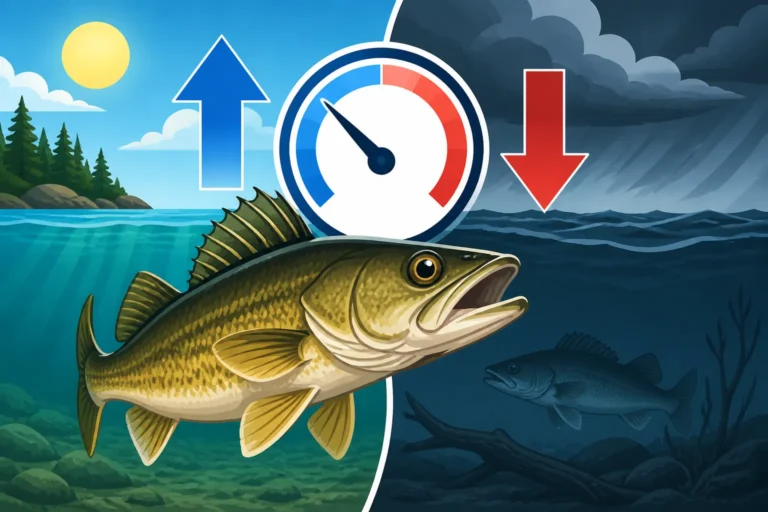
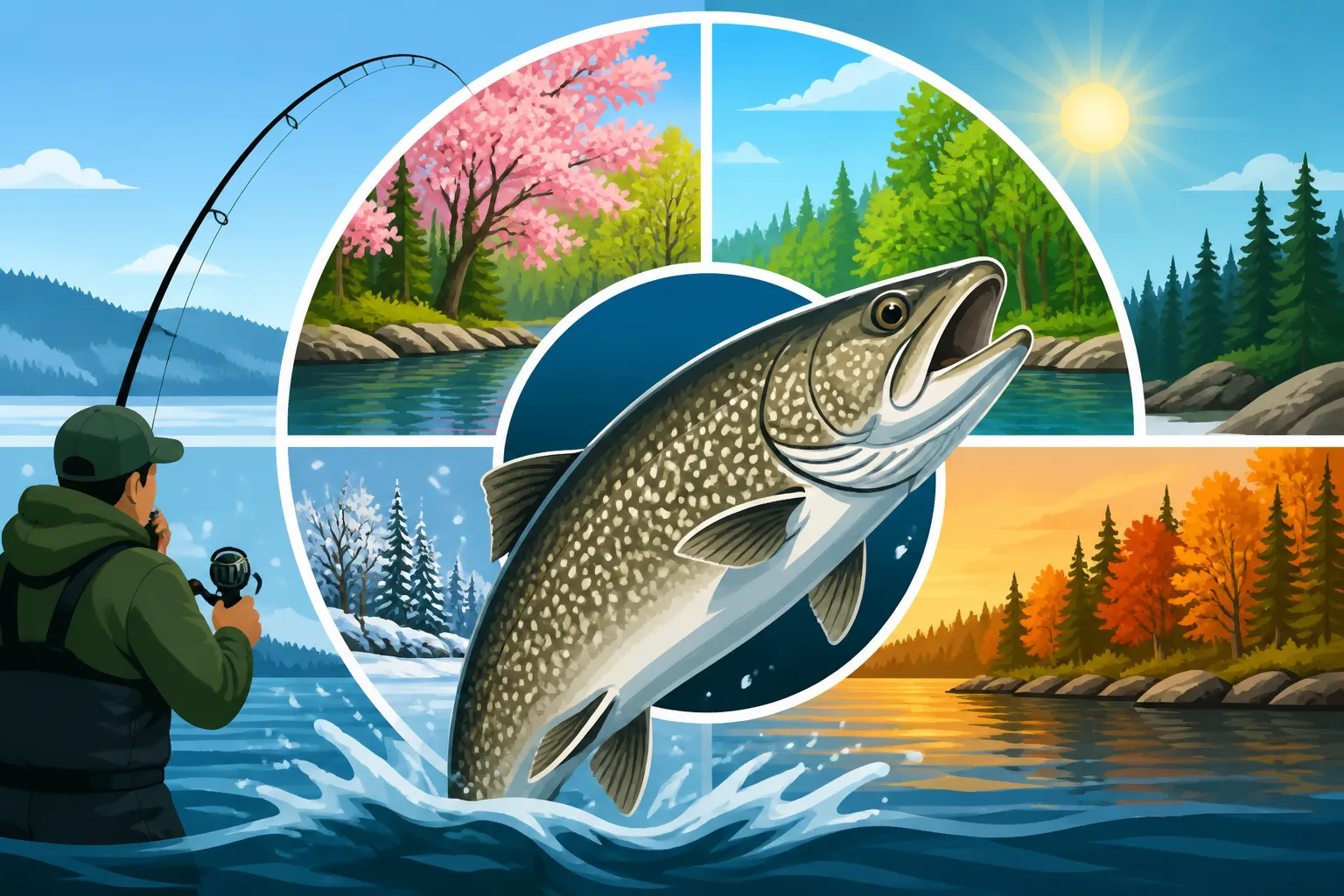
As the seasons change, so does the thermal structure of Ontario's deep, oligotrophic lakes—the kind of lakes lake trout call home. In spring, after the ice melts, surface waters are still cool, allowing lake trout to roam relatively shallow, often in depths as little as 10-20 feet, where they actively feed. As summer progresses, the sun warms the upper layers of the lake, forming a distinct thermocline—a boundary between warm surface water and colder deep water. This forces lake trout into the colder, oxygen-rich depths below the thermocline, often 50-150 feet or more, following their preferred temperature range.
Come fall, as air temperatures drop and the surface water cools, the thermocline breaks down, and the entire water column "turns over," becoming a more uniform temperature. This allows lake trout to once again spread out and move into shallower areas, driven by their impending spawning season. Finally, in winter, under a blanket of ice, the water column once again becomes thermally stratified, but in reverse, with the coldest water just under the ice and slightly warmer water at the bottom, offering another opportunity to intercept fish at various depths. This constant search for their ideal temperature range is what defines their annual cycle.
Lake Trout Spawning and Post-Spawn Behavior
Lake trout are fall spawners in Ontario, typically laying their eggs from late September through November, depending on the specific lake and region. They prefer rocky shoals, reefs, and points, often in relatively shallow water (10-40 feet), where their eggs can settle into crevices and be protected from currents and predators. This pre-spawn period is incredibly important for anglers targeting trophies, as these fish move into more accessible, shallower areas and are aggressively feeding to build up energy reserves for spawning. Understanding the optimal timing for this is crucial for anyone aiming for the best time of year for trophy lake trout in Ontario. You can dive deeper into their reproductive cycle by reading about the Lake Trout Spawning Season in Ontario.
After spawning, lake trout will disperse from their breeding grounds, often heading back to deeper water as winter sets in. However, they remain somewhat active, needing to replenish their energy stores. While post-spawn can be a good time to catch them, the most aggressive feeding window often occurs just before spawning when they are at their heaviest and most concentrated in specific areas. Targeting them during this pre-spawn staging can lead to truly memorable catches.
Prime Seasons for Trophy Lake Trout
When it comes to landing that absolute monster lake trout, two seasons stand out as offering the most consistent opportunities in Ontario: spring right after ice-out, and the fall pre-spawn period. These windows capitalize on distinct behavioral patterns that make trophy fish more accessible and aggressive.
Spring: Aggressive Feeding After Ice-Out
The spring period, immediately following ice-out, is arguably one of the most exciting times to target trophy lake trout. As the ice recedes, the entire water column is still very cold, allowing these deep-water dwelling fish to move into surprisingly shallow areas, often just 10 to 30 feet deep. They are hungry and aggressive, having spent a long winter under the ice, and are eager to feed on available baitfish like ciscoes, smelt, and even juvenile whitefish.
During this time, you can often find lakers cruising along rocky shorelines, points, and shallow reefs where baitfish congregate. Casting large spoons, crankbaits, or even big swimbaits can be incredibly effective. The sheer accessibility of these fish in shallower water, without the need for specialized deep-water gear, makes spring a fantastic opportunity for anglers of all skill levels to connect with a big one. Just be mindful of local regulations and season openers, as some lakes might have delayed openings for lake trout. For comprehensive information on how to maximize your chances, check out our guide on How to Catch Lake Trout in Ontario.
Fall: Pre-Spawn Power Fishing
The other undisputed champion season for trophy lake trout is the fall, particularly the weeks leading up to their spawning period. As lake temperatures begin to drop and the lake "turns over," lake trout once again move from their deep summer haunts into shallower, rocky areas where they will eventually spawn. This migration to the spawning grounds triggers an intense feeding frenzy as they stock up on energy for reproduction.
During this pre-spawn phase, you'll find lakers concentrated on traditional spawning reefs, rocky points, and shallow ledges, often in 20-50 feet of water. They are at their absolute heaviest, girthy with roe or milt, and are aggressively striking at large presentations. Trolling big spoons, crankbaits, or even live bait (where permitted) can be incredibly productive. This is the time when you're most likely to encounter a truly enormous, fat lake trout. Remember to consult the Ontario Lake Trout Limit and Possession Rules for your specific fishing zone, as regulations can vary.
Challenging, Yet Rewarding Times for Big Lakers
While spring and fall often offer the most accessible trophy opportunities, dedicated anglers can still find success during the more challenging summer and winter months. These seasons require different approaches, but the rewards can be just as significant for those who put in the effort.
Summer: The Deep Water Hunt
Summer fishing for lake trout is a game of depth and precision. As the surface waters warm, lake trout retreat to the coldest, deepest parts of the lake, often seeking out depths from 60 to over 150 feet, staying below the thermocline. This means you'll need specialized gear and techniques to reach them effectively. Downriggers are almost essential for consistently presenting lures at specific depths, and heavy jigs or spoons are key for vertical presentations.
During summer, lake trout will often suspend over deep basins or hug the bottom near underwater humps, points, and drop-offs where cold water meets structure. Look for areas with schools of baitfish, which you can often pinpoint with a quality fish finder. Early mornings and late evenings can sometimes bring fish a bit shallower, but generally, expect to be working deep water. While more challenging, hooking a massive laker from the depths on a hot summer day is an incredibly satisfying experience. To refine your strategy, explore Best techniques for deep water summer lake trout for advanced tips. A good fish finder is invaluable here, and you can find excellent options on Amazon.
Winter: Patience on the Ice
Ice fishing for lake trout in Ontario is a fantastic way to spend the colder months, and while often associated with catching numbers of smaller fish, trophy lakers are certainly within reach. Similar to summer, winter fishing usually means targeting deep water, though lake trout can sometimes be found shallower early and late in the ice season. Focus your efforts on deep points, underwater islands, and steep breaks that drop into the main basin.
Heavy jigging spoons, like Williams Wabler or Meegs, tipped with a minnow head, are classic winter lake trout baits. Deadsticking a large minnow on a separate rod can also be highly effective. The key is patience and persistence, often drilling many holes and covering different depths until you locate active fish. A good portable ice fishing sonar unit is a game-changer for finding fish and understanding the bottom structure. For those venturing out, consider what makes a Best jigging spoon for winter lake trout. Amazon offers a wide range of reliable ice fishing gear to help you prepare for the colder weather.
Essential Gear and Tactics for Trophy Success
Chasing trophy lake trout isn't just about knowing when to go; it's also about having the right tools and strategies. These powerful fish demand robust tackle and a thoughtful approach to presentation.
Trolling and Jigging Strategies for Deep Water
When lake trout are deep, whether it's summer or winter, trolling and jigging are your bread and butter. For trolling, downriggers are paramount for keeping your lures at the precise depth where fish are holding. Use large spoons (like Northern King or Silver Streak), stickbaits (like Rapala Deep Tail Dancer or Challenger), or even large flasher/fly combinations. Vary your speeds and make wide turns, as these changes in lure action can often trigger strikes. Trolling speed is critical; generally, 2-3 mph is a good starting point, but let the fish tell you what they prefer on any given day. To really dial in your technique, check out Trolling Techniques for Ontario Lake Trout. For specific depths, don't miss our guide on How deep to troll for lake trout in summer.
Jigging, on the other hand, is more about vertical presentation. Heavy jigging spoons, substantial tube jigs, or even large soft plastic swimbaits rigged on heavy jig heads are excellent choices. Drop your bait to the desired depth, then use an aggressive lift-and-fall retrieve, often imparting a lot of action before letting it settle. Watching your sonar for fish approaching your bait is incredibly exciting and effective. Consider adding a VMC Tingler Spoon to your tackle box, readily available on Amazon, for deep water jigging.
Choosing the Right Baits and Lures
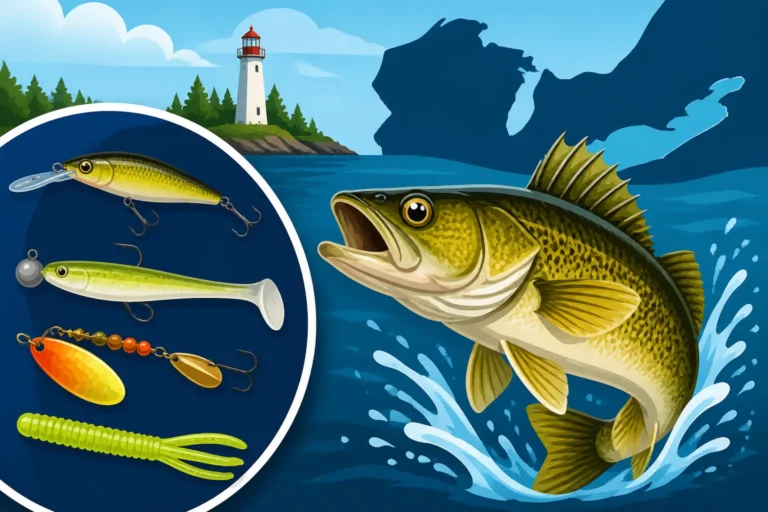
Trophy lake trout are apex predators, and their diet consists primarily of larger baitfish. Therefore, your lures should mimic these prey items. For areas with ciscoes or smelt, go with silver, blue, or white spoons and crankbaits that imitate these forage fish. In systems with abundant suckers or sculpins, consider lures with brown, green, or orange patterns that blend in with the bottom.
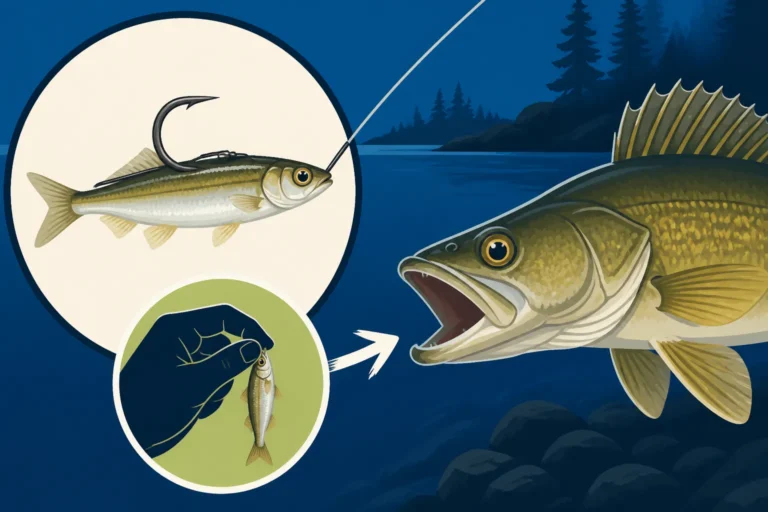
Large spoons (3-6 inches), deep-diving crankbaits, and heavy tube jigs (4-6 inches) are all excellent choices. For live bait, where permitted, large minnows or suckers can be incredibly effective, especially when still-fishing or drift-fishing in key areas. Remember, a larger presentation often attracts larger fish. Always ensure your hooks are sharp and strong enough to handle a powerful trophy laker. Our guide on Best bait for lake trout in deep water provides more in-depth recommendations. For a comprehensive overview of tackle, check out Best Gear for Ontario Trout Fishing.
| Season | Typical Depths (Approx.) | Key Tactics | Recommended Lures/Baits | Trophy Potential |
|---|---|---|---|---|
| Spring | 10-40 feet | Casting, Trolling, Jigging | Large spoons, Crankbaits, Swimbaits, Big minnows | High |
| Summer | 60-150+ feet | Downrigger Trolling, Vertical Jigging | Heavy spoons, Deep-diving crankbaits, Tube jigs | Medium-High |
| Fall | 20-60 feet | Trolling, Casting, Live Baiting (pre-spawn) | Large spoons, Stickbaits, Big minnows, Suckers | High |
| Winter | 30-100+ feet | Vertical Jigging, Deadsticking | Heavy jigging spoons, Tube jigs, Large minnows | Medium-High |
Ultimately, while there are prime times, dedicated effort, understanding lake trout behavior, and adapting your tactics to the specific conditions of the season will significantly increase your chances of landing a true trophy lake trout in Ontario. The biggest lake trout ever caught in Ontario didn't just happen by chance; it was the result of preparation and persistence.
Disclaimer
Fishing regulations, including season dates, catch limits, and permitted gear, can change. Always consult the most current Ontario Fishing Regulations Summary for the specific zone you plan to fish before heading out. This guide provides general information and should not replace official government resources.