Best jerkbait color for early spring walleye
Getting out on the water in early spring, especially here in Ontario, can be incredibly rewarding, but it often brings a unique challenge: those walleye can be finicky. The water is still cold, light conditions can be unpredictable, and finding the right presentation, including the perfect lure color, feels like cracking a secret code. This guide is all about helping you understand the nuances of jerkbait colors for those first few weeks of walleye season, ensuring you're ready to tackle whatever conditions Mother Nature throws at you.
Understanding Early Spring Walleye Behavior and Water Conditions
Early spring fishing for walleye in Ontario is a whole different ballgame compared to the warmer months. As the ice recedes and water temperatures slowly start to climb, walleye are transitioning from their deep wintering holes to shallower spawning grounds. This is a crucial period, and their behavior is heavily influenced by the still-chilly water and often fluctuating conditions. They might be staging, feeding aggressively in short bursts, or holding tight to structure, and understanding these movements is key to choosing not just the right lure, but the right color.
The Impact of Cold Water on Walleye Metabolism
When the water is cold, typically anywhere from just above freezing up to the low 40s or 50s Fahrenheit (around 4-10 degrees Celsius), walleye metabolism slows down considerably. This means they're not expending a ton of energy chasing down fast-moving prey. They become more opportunistic, looking for an easy meal. Your presentation needs to reflect this, and that includes the visual appeal of your jerkbait. A flash of color or a subtle, natural presentation can trigger a strike from a lethargic fish that might otherwise ignore a bait moving too quickly. Think about it: if you're feeling sluggish, you're not running a marathon, you're likely going for comfort food. Walleye are similar; they want an easy "meal" that looks worth the effort.
Water Clarity and Light Penetration in Early Spring
Early spring often brings a mix of water conditions. After ice-out, many lakes and rivers can be quite stained or murky due to snowmelt runoff and churning waters, especially in larger systems like parts of Lake Erie or even certain areas of Lake Simcoe. This stained water dramatically reduces light penetration. On the flip side, some smaller, clear-water lakes, especially those with minimal inflow, might clear up quickly. The amount of light getting down to your lure is paramount when selecting a color. In dark, stained water, you need colors that stand out and create a strong silhouette. In clear water, subtle, natural hues often perform better. It's a constant observation game out on the lake – always be checking the water clarity around your boat and adjusting your choices.
Pre-Spawn Staging and Feeding Habits
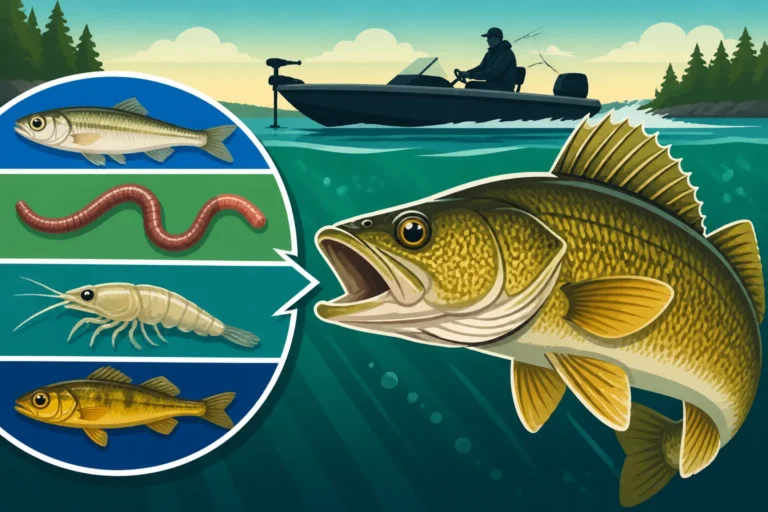
Before walleye move onto their actual spawning beds, they often stage in nearby areas – points, shoals, rock piles, or channel edges – where they can feed and conserve energy. They're trying to bulk up for the rigors of spawning. At this time, they're keenly focused on baitfish like shiners, ciscoes, or even perch. Your jerkbait color choice should ideally mimic these local forage species. If the baitfish in a particular area are silver and black, a lure in that pattern will likely be more effective than, say, a bright chartreuse, unless the water is exceptionally murky. Being observant about what local baitfish look like and where they're concentrated can give you a significant edge in these crucial pre-spawn weeks.
The Science of Jerkbait Colors: Why it Matters
Choosing a jerkbait color isn't just about what looks good to us; it's about what the walleye see and how they react to it. Their vision is different from ours, especially in low light conditions, which are common for early spring walleye fishing. Understanding the basic principles of light, water, and fish vision can dramatically improve your success.
How Walleye See Color in Different Depths and Conditions
Walleye have excellent low-light vision, making them formidable nocturnal and crepuscular predators. Their eyes are adapted to detect movement and contrast, especially in dimmer conditions. However, the way they perceive colors changes with depth and water clarity. Water absorbs different wavelengths of light at varying rates. Red light, for example, is absorbed very quickly, disappearing within the first few feet of water. Blues and greens penetrate much deeper. This means a bright red lure at 15 feet might appear as a dull gray or black to a walleye.
In stained or turbid water, all light penetration is reduced, and colors can lose their vibrancy much faster. This is why high-contrast patterns and fluorescent colors become more critical, as they can still create a visual presence even when true color is diminished. It's not necessarily that the walleye see the exact "chartreuse" as we do, but they perceive a brighter, more distinct form against the murky background. For anglers targeting walleye across Ontario, from the clear depths of Lake Huron to the stained flows of the French River, this understanding is vital for selecting effective jerkbait colors. How to use the Fish ON-Line interactive zone map can sometimes offer insights into water body characteristics.
Mimicking Natural Forage vs. Triggering Reaction Strikes
The perennial debate among anglers is whether to "match the hatch" or "throw something totally different" to trigger a bite. For early spring walleye, both approaches have their merits, and the best choice often depends on the specific conditions.
- Mimicking Natural Forage: This involves selecting jerkbait colors that closely resemble the baitfish walleye are feeding on in that particular body of water. If you're fishing a lake known for its abundant yellow perch, a jerkbait with a distinct perch pattern (green back, orange belly, vertical bars) can be deadly. Similarly, if shiners are prevalent, silver and black or silver and blue patterns are excellent choices. This approach relies on the walleye's natural instinct to feed on familiar prey. Many anglers find great success replicating the look of minnows, smelt, or shad that are common in specific Ontario waters. Best Baits for Walleye on Lake Erie often highlights this principle.
- Triggering Reaction Strikes: Sometimes, walleye aren't actively feeding but can be coaxed into a strike by an aggressive or unusual presentation. This is where brighter, more unnatural colors or patterns come into play. A vibrant firetiger, a bold chartreuse, or a hot pink can stand out dramatically in stained water or low light, provoking an impulsive strike from a fish that might otherwise ignore a more subtle offering. The flash and contrast create an irresistible target that the walleye can't ignore, even if they're feeling a bit sluggish. This is particularly effective during colder periods or after a significant weather change, like a cold front, where fish become less active. How to Catch Walleye During a Cold Front in Ontario provides more context on this.
The key is to experiment and let the fish tell you what they prefer on any given day. Start with a natural offering, but don't be afraid to switch to a bolder pattern if the bite is slow.
Top Jerkbait Colors for Early Spring Walleye in Ontario
So, with all that in mind, what are the go-to jerkbait colors for Ontario's early spring walleye? Based on countless hours on the water and insights from seasoned anglers, certain colors consistently rise to the top, each with its ideal application.
Natural and Realistic Patterns
These colors are designed to imitate the walleye's natural prey, making them a fantastic starting point, especially in clearer water or when fish are being particularly picky.
- Perch Patterns: Ontario is teeming with yellow perch, a primary food source for walleye in many lakes. Jerkbaits with green or olive backs, cream or orange bellies, and distinct vertical bars are highly effective. This pattern is often a winner on lakes like Lake Simcoe, Lake Nipissing, and many of the larger Kawartha Lakes. It's a classic for a reason.
- Cisco/Shad/Smelt Patterns: These silvery patterns are crucial, especially on larger, deeper lakes where ciscoes (also known as lake herring) or smelt are present. Look for jerkbaits that have a chrome or silver body, often with a blue, black, or even purple back. These colors are fantastic for mimicking dying baitfish after the spawn or those still holding in cooler water. Lakes in Northern Ontario, such as Lake of the Woods or Eagle Lake, where ciscoes are abundant, often see great success with these natural silver hues.
- Gold/Bronze: While not a direct mimic of a single baitfish, gold and bronze patterns offer a natural, shimmery flash that can be incredibly appealing in slightly stained or tea-stained waters. These colors reflect light differently than chrome, often creating a more subdued, yet highly visible, glint. It's a great choice for those overcast days or when fishing rocky, shallow areas with a bit of natural tannin in the water.
Bright and High-Contrast Patterns
When the water is murky, light is low, or you need to grab a walleye's attention, these colors cut through the gloom and provoke strikes.
- Firetiger: This is arguably one of the most iconic and consistently effective walleye colors, especially in stained water. The combination of bright green, yellow, orange belly, and black stripes creates an incredibly high-contrast profile that walleye can easily spot, even in low visibility. It's a go-to for many anglers fishing rivers or larger, murkier lakes and often excels when the weather is cloudy or during dawn and dusk.
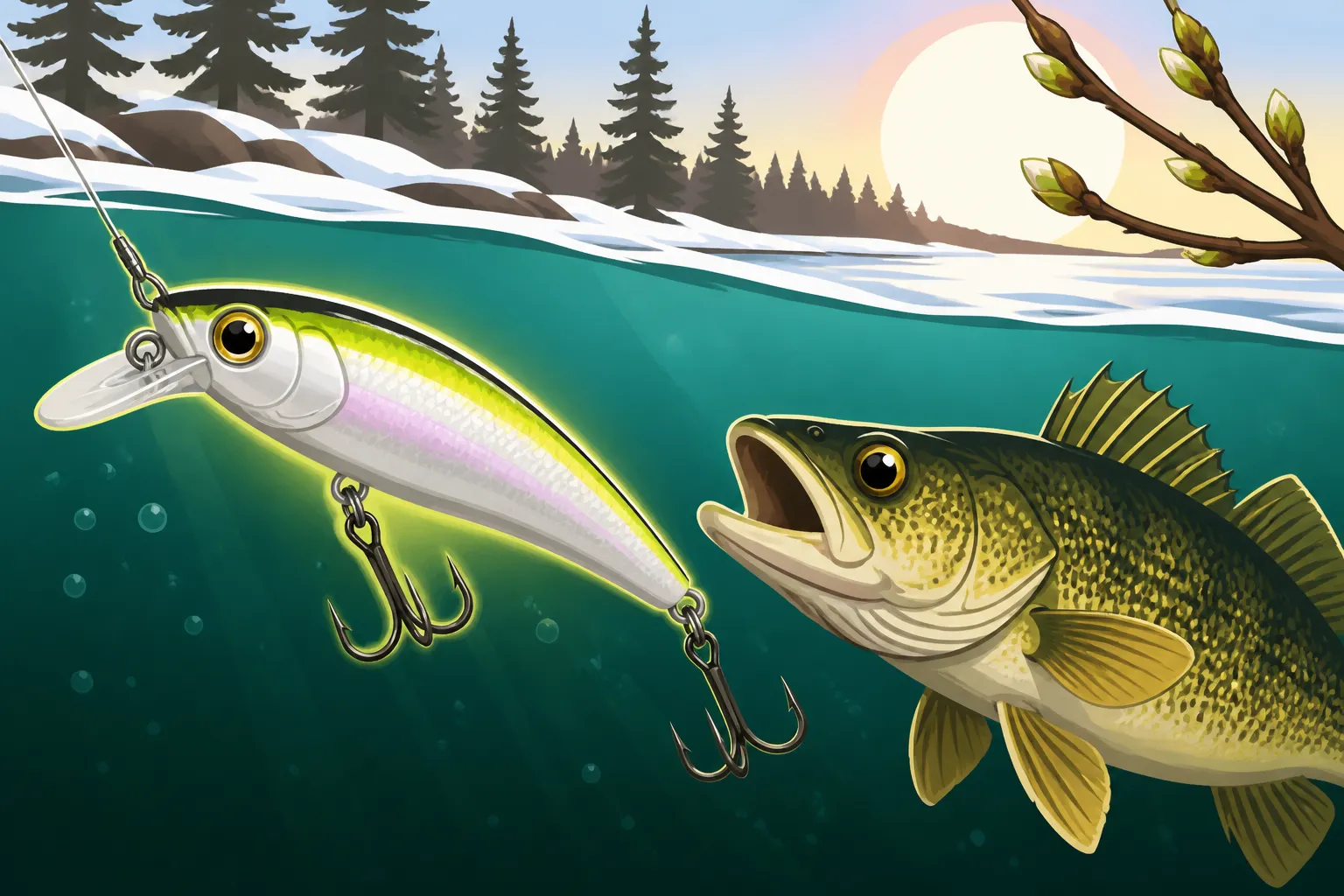
- Chartreuse/Fluorescent Green: Pure chartreuse or bright fluorescent green jerkbaits are beacons in stained or dark water. Their intense glow can draw fish from a distance, making them excellent search baits. These colors are also effective on overcast days or in very deep water where other colors fade quickly. Don't underestimate the power of a solid chartreuse when the bite is tough or conditions are less than ideal.
- Orange/Hot Pink: While perhaps less common as a primary choice, a bright orange or hot pink accent on a jerkbait, or even a full lure in these colors, can be surprisingly effective in specific situations. They can provide an aggressive flash in stained water or when walleye are keying into specific distressed baitfish that might have a reddish tint. These are often great "change-up" colors when the more traditional patterns aren't producing.
Subtle and Ghostly Options
Sometimes, the walleye want something more understated, especially in clear water or under bright sun. These options offer a more subtle appeal.
- Ghost/Transparent: Jerkbaits with semi-transparent or "ghost" finishes, often with subtle scales or internal flashes, can be incredibly effective in very clear water and bright sunshine. They offer a natural shimmer without being overly flashy, perfectly mimicking a baitfish that's slightly camouflaged. They provide just enough visual interest without spooking wary fish.
- Chrome/Blue: A classic combination, chrome with a blue back is a highly versatile and effective color, particularly in clear to lightly stained water. The chrome reflects ambient light, creating a natural flash, while the blue provides a subtle contrast that mimics many types of baitfish. It's a reliable choice for sunny days or when fishing clear lakes and reservoirs across Ontario.
Here's a quick reference table to help guide your jerkbait color selection:
| Water Clarity | Light Conditions | Recommended Jerkbait Colors | Why It Works | Examples of Ontario Waters |
|---|---|---|---|---|
| Stained/Murky | Low Light (Overcast, Dawn/Dusk) | Firetiger, Chartreuse, Hot Pink, Gold | High contrast, maximum visibility, strong silhouette | Bay of Quinte, Grand River, parts of Lake St. Clair |
| Stained/Murky | Bright Sun | Firetiger, Gold, Bright Orange | Still offers contrast, but natural shimmer in gold helps | Lower Niagara River, portions of Lake Erie after runoff |
| Clear | Low Light (Overcast, Dawn/Dusk) | Chrome/Blue, Natural Perch, Silver/Black | Mimics natural baitfish, subtle flash without being overwhelming | Lake Simcoe, Lake of the Woods, Georgian Bay North Channel |
| Clear | Bright Sun | Ghost/Transparent, Silver/Blue, Perch | Natural, subdued flash, less likely to spook wary fish | Many Northern Ontario lakes, Bruce Peninsula waters |
| Tea-Stained | Any Light | Gold/Bronze, Firetiger, Perch | Natural glow in stained water, strong contrast | Algonquin Park lakes, many smaller Shield lakes |
Remember, these are starting points. Always let the fish dictate your choices. A handy tackle box or bag with a variety of these colors, easily accessible, is key for quick changes on the water. You can find a huge selection of these jerkbaits at popular fishing retailers like Bass Pro Shops, or even online through platforms like Amazon, offering a convenient way to stock up on all the variations you might need.
Factors Beyond Color: Maximizing Your Jerkbait Success
While color is undeniably a huge piece of the puzzle, it's just one element in a successful early spring walleye strategy. The action of your jerkbait, its size, the retrieve, and even the type of water you're fishing all play critical roles in getting those walleye to commit.
Jerkbait Action, Size, and Profile
The "jerk" in jerkbait is all about erratic, darting action, mimicking a wounded baitfish. Early in the spring, with cold water, a subtle, slower action is often more effective than an aggressive, wide-sweeping dive. Walleye are often less willing to chase, so a bait that suspends in the strike zone for an extended period after a twitch or two can be deadly. Look for models labeled "suspending" if you can.
- Size: Early spring walleye aren't always looking for the biggest meal. A 3-5 inch jerkbait is often a sweet spot, resembling common baitfish like shiners, smelt, or smaller perch. Don't go too small, as walleye are still looking for a meal, but oversized baits might be ignored.
- Profile: A slender, minnow-like profile is generally preferred. This silhouette is universally recognized as baitfish, and the slim design often allows for that tantalizing dart and pause.
- Rattle: Whether a jerkbait has a rattle or not can also be a factor. In stained or murky water, a loud rattle can help walleye locate your lure. In very clear water, or when fish are pressured, a silent jerkbait might be more effective to avoid spooking them. It's a good idea to carry both.
Retrieve Speed and Pausing Techniques
How you work your jerkbait is just as important as the lure itself, especially in cold water. Forget fast, aggressive retrieves; think slow and deliberate.
- Cast it out: Make a long cast to cover water.
- Submerge and twitch: Engage your reel and give the rod tip a sharp downward twitch or two to get the bait to its running depth.
- Pause: This is the most crucial part in cold water. Let the bait sit absolutely still. In cold water, these pauses can last anywhere from 5 to 10 seconds, or even longer, especially if you're targeting lethargic fish. Many strikes happen on the pause.
- Repeat: Give another one or two twitches, then pause again. Vary the length of your pauses until you find what the fish prefer. On really tough days, I've had success with pauses up to 15-20 seconds. It feels unnatural to us, but that's often what it takes.
Don't be afraid to experiment. Sometimes a single twitch and a long pause is all it takes. Other times, a double twitch followed by a shorter pause might be the ticket. Spring Walleye Fishing Techniques for Ontario elaborates further on these crucial tactics.
Water Temperature and Depth Considerations
As mentioned, water temperature dictates walleye metabolism and activity. Target areas where the water is slightly warmer, even by a degree or two, as these small differences can concentrate fish. Often, shallower bays, dark bottom areas, or areas near current breaks will warm up faster.
- Depth: In early spring, walleye often hold in depths of 10-25 feet, but they will push shallower, sometimes into just a few feet of water, as they move towards spawning areas or to feed on warmer days. Your jerkbait needs to be able to reach these depths effectively. Pay attention to the dive curve of your lure; some are designed for shallower presentations, while others can get down deeper. Knowing Best water temperature for walleye fishing can really help pinpoint where they'll be.
By combining the right jerkbait color with appropriate action, retrieve, and a keen understanding of walleye behavior and conditions, you'll significantly increase your chances of a memorable early spring walleye outing in Ontario. Always observe, adapt, and enjoy the challenge! For more general tips on targeting these fantastic fish, check out How to Catch Walleye in Ontario. And for specifics about the fish themselves, consider reading up on Walleye Spawning Season in Ontario. Don't forget, having the Best Tackle for Ontario Walleye makes a huge difference, and you can stock up on versatile options at your local Bass Pro Shops or find a wide selection of choices online at Amazon.
Disclaimer
This article is for general informational purposes only and does not constitute professional advice. Laws, prices and regulations vary by location and change over time. Consult a qualified professional for guidance on your specific situation.