Ontario Fishing License Guide for 2026
It can feel overwhelming trying to figure out all the rules and regulations just to enjoy a peaceful day out on the water, especially when you're just looking to cast a line in Ontario. With so many different license types, age requirements, and places to buy them, it’s easy to get confused and even make a costly mistake. This comprehensive guide is here to untangle all the complexities of the Ontario fishing license system for 2026, ensuring you're fully prepared and legal for your next angling adventure.
Understanding the Foundation of Ontario Fishing Licenses
Before you even think about dropping a line into one of Ontario's beautiful lakes or rivers, there's one non-negotiable item you need: a valid fishing license. This isn't just a piece of paper; it's your official permission slip from the Ontario Ministry of Natural Resources and Forestry (MNRF) to participate in one of the province's most cherished pastimes. Skipping this crucial step can lead to significant fines and a lot of unnecessary hassle, turning a relaxing day into a stressful one.
Why You Absolutely Need an Ontario Fishing License
Imagine planning a perfect weekend getaway, rods packed, bait ready, and your favorite fishing buddy by your side. You get to your spot, cast out, and then a conservation officer approaches. If you can't produce a valid license, that dream day quickly becomes a nightmare. Beyond the legal obligation, the revenue generated from fishing license sales plays a vital role in funding essential conservation programs. These programs support fish stocking initiatives, habitat restoration, and scientific research that ensures healthy fish populations for generations to come. So, when you buy a license, you're not just buying permission; you're investing in the future of Ontario's incredible fisheries.
Furthermore, adhering to the licensing requirements is a sign of respect for the resource and your fellow anglers. It helps the MNRF manage pressure on certain species and ensures sustainable fishing practices. Think of it as joining a very large, passionate community dedicated to protecting what we love. Without this system, overfishing would quickly deplete stocks, impacting everyone's ability to enjoy the sport. It's a small price to pay for access to world-class fishing.
The Outdoors Card: Your Key to Angling in Ontario
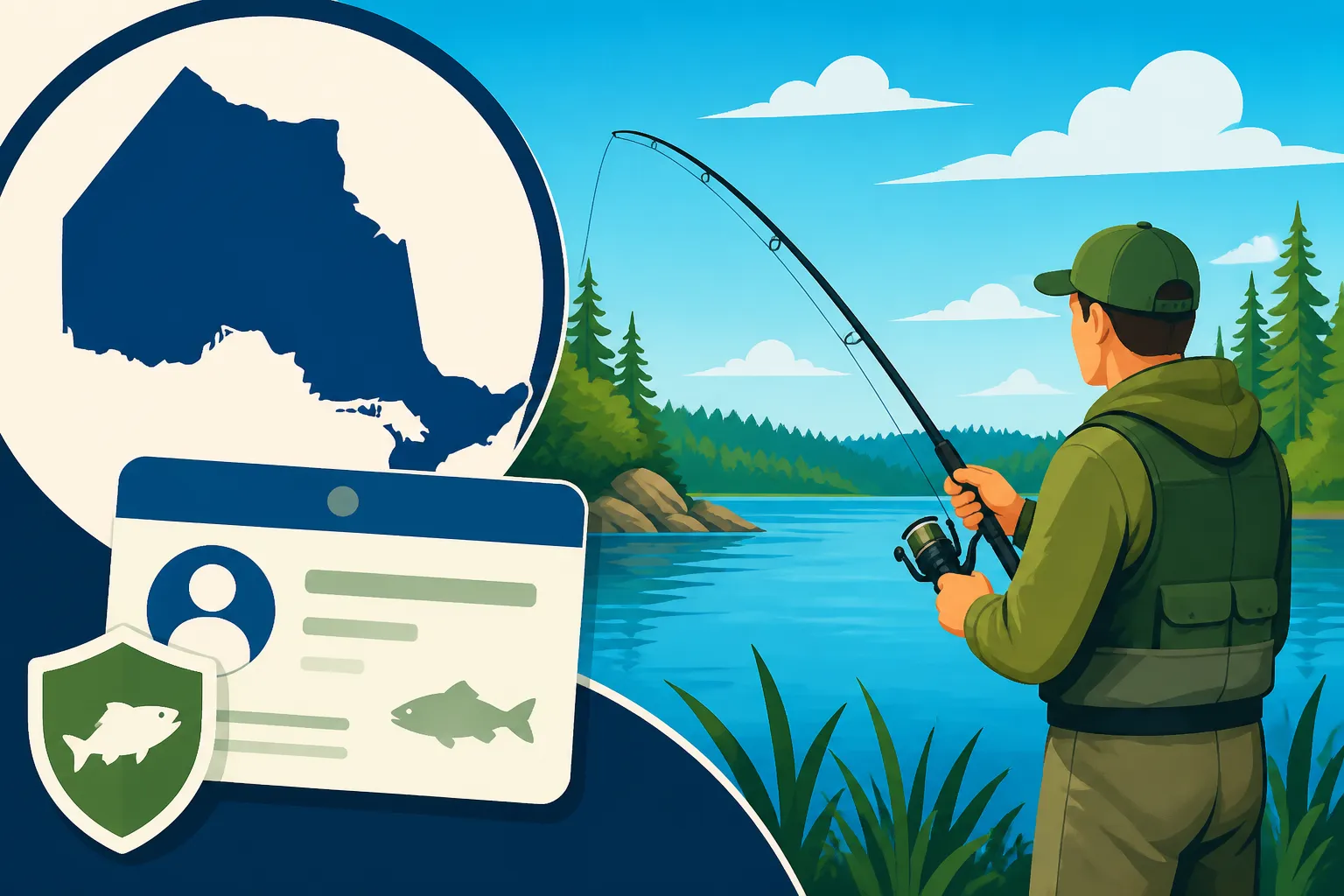
Many people mistakenly think the Outdoors Card is their fishing license, but it's actually something more fundamental. The Outdoors Card is a base identification card, similar to a driver's license, that you need to hold before you can purchase any hunting or fishing licenses in Ontario. It's valid for three calendar years and acts as your permanent customer number within the MNRF's licensing system. Think of it as your passport to outdoor activities in the province. Without it, you simply cannot buy a fishing license. You can learn more about the specifics of the Ontario Outdoors Card, Explained in our detailed guide.
When you first apply for an Outdoors Card, you'll provide your personal information, which is then linked to your unique card number. This system helps the province track participation, manage resources, and ensures that everyone who purchases a license is properly identified. It streamlines the process for subsequent license purchases, as your information is already on file. So, keep it safe, because it's the gateway to all your future angling and hunting adventures in Ontario.
Differentiating Between Sport and Conservation Licenses
Ontario offers two main types of fishing licenses: a Sport Fishing License and a Conservation Fishing License. While both allow you to fish, they come with very different catch limits and regulations, and understanding the distinction is crucial. The choice you make will directly impact how many fish you can keep and in what sizes, so it's not a decision to take lightly.
A Sport Fishing License is for anglers who want to keep a larger number of fish, up to the published limits for each species and zone. If you're planning a trip where a good portion of the experience involves bringing home a substantial cooler of walleye or perch for dinner, this is likely the license for you. However, it's essential to meticulously check the specific limits for each species you target and the particular Fisheries Management Zone (FMZ) you'll be fishing in. These limits can vary widely, and exceeding them, even with a Sport License, is a serious offense. For a comprehensive overview, check out our article on Ontario Sport vs Conservation Fishing License.
On the other hand, a Conservation Fishing License is designed for anglers who primarily practice catch-and-release or only wish to keep a very small number of fish. The catch and possession limits for a Conservation License are significantly reduced, often half or less than those for a Sport License. This option is popular among those who prioritize the sustainability of fish stocks and enjoy the thrill of the catch more than the harvest. It's a fantastic choice if you're introducing kids to fishing, or if you're just happy to spend a day on the water, perhaps keeping one or two panfish for a quick shore lunch. Always double-check the limits in the current regulations summary, as they are subject to change annually.
Who Needs a License and Who Gets a Break?
It’s easy to assume everyone needs a license, but Ontario’s regulations have specific age cut-offs and residency definitions that impact who must purchase one and who is exempt. Understanding these nuances can save you money and ensure compliance, especially if you’re planning a family trip or hosting out-of-province guests. Don't just guess; clarify these details to avoid any surprises on the water.
Age Requirements and Exemptions for Anglers
Generally speaking, if you are between the ages of 18 and 64, you're required to have a valid Outdoors Card and an accompanying fishing license to fish in Ontario. This applies to both residents and non-residents. This age bracket represents the majority of anglers, and it’s where most of the licensing revenue comes from to support our provincial fisheries.
However, there are some very welcome exemptions to these rules that make fishing accessible to a broader audience. For instance, children under the age of 18 do not require an Outdoors Card or a fishing license to fish in Ontario. This is a fantastic incentive to get young people hooked on fishing, encouraging them to enjoy the outdoors without an initial financial barrier. They are, however, subject to the catch and possession limits of a Conservation Fishing License, regardless of whether the accompanying adult holds a Sport or Conservation license. Our guide on Ontario Youth Fishing License Exemption Under 18 provides more details.
Similarly, seniors aged 65 and over also do not require an Outdoors Card or a fishing license. This is a wonderful way to honor the contributions of older generations and allow them to continue enjoying the sport they love without added costs. Like youth anglers, seniors fishing under this exemption are subject to the catch and possession limits of a Conservation Fishing License. If they wish to take advantage of Sport Fishing limits, they would need to purchase a license. You can find more information about this in our article: Ontario Senior Fishing License Exemption at 65.
Residency Defined for Licensing Purposes
The cost and type of fishing license you need will depend heavily on whether you are considered an Ontario resident or a non-resident. This might seem straightforward, but residency can sometimes be a bit tricky to define, especially for those who split their time between provinces or countries. The MNRF has specific criteria that determine your status.
For the purpose of fishing licenses, an Ontario resident is generally defined as a person who has resided in Ontario for a period of at least six consecutive months immediately prior to applying for a license. You must also primarily live in Ontario and file your income taxes here. Proof of residency, such as an Ontario driver's license, health card, or utility bills, may be required. This distinction is important because resident licenses are significantly less expensive than non-resident ones, reflecting the local tax contributions that help fund these programs.
A non-resident, by contrast, is anyone who does not meet the above criteria for Ontario residency. This includes residents of other Canadian provinces, as well as international visitors. If you're coming from Manitoba, Quebec, or any other province, or from the United States or abroad, you'll need to purchase a non-resident license. This ensures that everyone contributes fairly to the management of Ontario's fish stocks. Our guide on Resident vs Non-Resident Fishing License Costs in Ontario dives deeper into the cost differences.
Special Exemptions: Indigenous Peoples and Disabled Anglers
Ontario also extends specific fishing license exemptions to certain groups, recognizing unique circumstances and rights. These exemptions are an important part of making fishing accessible and respectful of diverse communities.
For Indigenous Peoples, the recognized Aboriginal and treaty rights to fish for food, social, and ceremonial purposes are protected. This means that First Nations, Inuit, and Métis people may fish without an Ontario fishing license under specific conditions, primarily for subsistence or cultural practices, provided they follow applicable federal and provincial regulations related to conservation. It's important to understand that these rights are distinct from recreational fishing licenses and are governed by different legal frameworks.
Furthermore, anglers with certain disabilities may also be eligible for specific exemptions or discounts on their fishing licenses. For instance, residents of Ontario with a disability that prevents them from fishing in the usual manner, and who receive disability benefits, may qualify for a free fishing license. This generally requires documentation from a qualified medical professional or proof of eligibility for specific government disability support programs. These provisions are in place to ensure that everyone, regardless of physical challenges, has the opportunity to enjoy the therapeutic and recreational benefits of fishing.
Navigating the Costs: What to Expect for 2026
The cost of an Ontario fishing license can vary quite a bit depending on your residency status and the type of license you choose (Sport or Conservation), as well as the duration. It’s not just a flat fee, so knowing these differences beforehand will help you budget for your angling trips. Be prepared for a few different components that make up the final price. Our article on How Much Does an Ontario Fishing License Cost provides a more in-depth breakdown.
Resident Fishing License Costs for 2026
For Ontario residents, the cost of a fishing license for 2026 will generally remain quite reasonable, especially when considering the incredible fishing opportunities available throughout the province. There are options for both one-year and three-year licenses, allowing you to choose what best suits your angling frequency and budget. A one-year Sport Fishing License typically offers full privileges, while a one-year Conservation License comes at a slightly lower price point, reflecting the reduced catch limits.
Opting for a three-year license is often the most cost-effective choice for dedicated anglers. While the initial outlay is higher, the per-year cost is usually less than purchasing three individual one-year licenses. This also has the added benefit of saving you the hassle of annual renewals, letting you focus more on planning your next trip to Lake Simcoe Fishing Guide or the beautiful French River. Keep in mind that these costs are in addition to the mandatory Outdoors Card fee, which is also valid for three years.
Non-Resident Fishing License Costs for 2026
Non-residents, whether from other Canadian provinces or international visitors, face higher license fees compared to Ontario residents. This is a common practice across jurisdictions to help offset the costs of resource management, as non-residents typically don't contribute to the provincial tax base that supports these programs. Similar to residents, non-residents have the option of purchasing one-year or three-year licenses, and can choose between Sport and Conservation categories.
Additionally, non-residents often have access to shorter-duration licenses, such as an 8-day Sport or Conservation Fishing License. This is incredibly convenient for those planning a specific fishing vacation, like a week-long trip to the Best Walleye Lakes in Ontario. These short-term options are priced proportionally, offering flexibility without requiring a full annual commitment. For a complete look at non-resident pricing, delve into our Non-Resident Annual Fishing License Cost in Ontario guide.
Understanding the Additional Fees: Outdoors Card and HST
When you're calculating the total cost of your fishing license, it's crucial not to forget about the additional fees that will be applied. The first and most important is the Outdoors Card itself. As mentioned, this is a separate purchase that serves as your identification number and is valid for three years. So, if you're a new angler or your existing Outdoors Card is expiring, you'll need to factor in this cost alongside your fishing license. It's a foundational expense that every license holder (unless exempt) must bear.
Furthermore, like most goods and services in Ontario, the Harmonized Sales Tax (HST) is applied to the purchase of both your Outdoors Card and your fishing license. This 13% tax will be added to the listed prices, so always remember to factor it in when budgeting. While it might seem like a small detail, overlooking HST can lead to a slight discrepancy in your expected total. The final price you see during an online transaction or at a ServiceOntario location will include this tax, providing transparency during your purchase.
Here's a simplified table illustrating typical approximate 2026 costs, excluding HST, as exact 2026 figures may be slightly adjusted:
| License Type | Residency | Duration | Approx. Cost (CAD, pre-HST) |
|---|---|---|---|
| Outdoors Card | All | 3 Years | $8.50 |
| Sport Fishing License | Resident | 1 Year | $31.00 |
| Sport Fishing License | Resident | 3 Years | $88.50 |
| Conservation Fishing License | Resident | 1 Year | $19.00 |
| Conservation Fishing License | Resident | 3 Years | $54.00 |
| Sport Fishing License | Non-Resident | 1 Year | $60.00 |
| Sport Fishing License | Non-Resident | 3 Years | $170.00 |
| Sport Fishing License | Non-Resident | 8 Day | $36.00 |
| Conservation Fishing License | Non-Resident | 1 Year | $36.00 |
| Conservation Fishing License | Non-Resident | 3 Years | $102.00 |
| Conservation Fishing License | Non-Resident | 8 Day | $22.00 |
Note: These are approximate costs based on recent years and do not include the 13% HST. Actual 2026 fees are subject to change by the MNRF.
Where and How to Purchase Your License
Gone are the days when you had to track down a specific tackle shop or government office just to get your fishing license. Ontario has made the process much more convenient, offering several avenues for purchase. Whether you prefer the ease of online transactions or a more traditional in-person experience, there's an option that will work for you. For a comprehensive guide on all options, refer to Where and How to Buy an Ontario Fishing License.
Buying Your License Online: The Digital Convenience
For many anglers, especially those comfortable with technology, purchasing an Ontario fishing license online is by far the easiest and quickest method. The MNRF's online licensing service, often called FISHANDHUNT.MNRF.GOV.ON.CA, is available 24/7, meaning you can buy your license from the comfort of your home, at any time that suits you. This is particularly handy for last-minute trip planning or if you live far from authorized vendors.
The online portal allows you to purchase or renew your Outdoors Card, buy your fishing license, and even view your past purchases. You'll need an active email address and a credit card to complete the transaction. The system will guide you through the process, from selecting your license type and duration to confirming your details. Once completed, you'll receive a confirmation and a printable version of your license instantly. This digital convenience means you can be ready to hit the water almost immediately. For step-by-step instructions, our guide on How to Buy an Ontario Fishing License Online is a great resource.
In-Person Purchase Options: ServiceOntario and Authorized Vendors
If you prefer a more traditional approach, or simply don't have access to a computer or printer, you still have plenty of options for purchasing your fishing license in person. ServiceOntario centres are official government locations where you can handle various provincial services, including buying your Outdoors Card and fishing license. The staff there can assist you with any questions and ensure you get the correct documentation. They also offer a handy way to resolve any issues that might come up, such as lost card inquiries.
In addition to ServiceOntario, there's a vast network of authorized license issuers spread throughout the province. These are typically independent businesses like tackle shops, sporting goods stores, and even some general stores in smaller communities. Local bait and tackle shops are excellent resources, as the staff often possess a wealth of local fishing knowledge to go along with your license purchase. Brands like SAIL, Canadian Tire, and many smaller, family-run stores are common places you’ll find authorized issuers. Many of these locations also offer additional fishing supplies, from hooks and line to the perfect bait, so it's a convenient one-stop shop. You might even find some handy gear on Amazon to complement your local purchases.
Printing and Carrying Your License: Digital vs. Paper
Once you've successfully purchased your fishing license, the next step is ensuring you have a valid copy on hand while you're fishing. The MNRF offers flexibility in how you carry proof of your license, accommodating both digital and traditional preferences. This is a common point of confusion for many anglers, so understanding the acceptable methods is key to avoiding issues during a compliance check.
For those who purchase online, you'll receive a printable version of your license. You can simply print this out and carry it with you. A physical copy is always a reliable backup, especially if you're heading to remote areas where cell service might be spotty. Alternatively, many anglers prefer the convenience of carrying a digital copy on their smartphone or other mobile device. This is perfectly acceptable, as long as the digital copy is easily accessible and readable by a conservation officer upon request. Just make sure your device is charged! Our guide on Printing or Carrying a Digital Fishing License in Ontario offers more details on the practicalities.
It's crucial that whichever method you choose, your Outdoors Card and fishing license are clearly legible and can be presented quickly. Conservation officers are performing their duty to ensure the sustainability of our fisheries, and being prepared makes their job, and your day, much smoother. Always keep your physical Outdoors Card with you, even if you are carrying a digital copy of your fishing license, as both components form your complete legal authorization to fish.
License Validity, Renewals, and What Happens If You Lose It
Understanding the lifespan of your fishing license and Outdoors Card, as well as the process for renewing them, is essential for uninterrupted angling. No one wants to be caught off guard with an expired license. It’s also important to know what steps to take if your documents are lost or damaged, ensuring you can quickly get back out on the water without penalty.
Understanding Your License's Expiration Date
Most Ontario fishing licenses, whether one-year or three-year, are valid for a specific period that aligns with the calendar year. A one-year license purchased at any point in 2026 will typically expire on December 31, 2026. This calendar-year system makes it fairly straightforward to remember when your license is due for renewal. The three-year licenses follow the same pattern, expiring on December 31 of the third year. Always double-check the exact expiration date printed on your physical or digital license to be absolutely sure.
It's a common mistake to think your license is valid for a full 365 days from the date of purchase. If you buy a one-year license in November, it will still expire on December 31st of that same year, not the following November. This distinction is crucial and often catches new anglers or those who only fish late in the season off guard. Marking your expiration dates on a calendar or setting a reminder on your phone can prevent you from accidentally fishing with an expired license.
Renewing Your Outdoors Card and Fishing License
Renewing your Outdoors Card and fishing license is a straightforward process, especially if you use the online system. You can typically renew both your Outdoors Card and your fishing license well in advance of their expiration dates. The online portal will usually send you an email reminder as your expiration date approaches, which is a helpful nudge to get it sorted.
To renew online, you'll simply log in to your account, verify your personal information, select the desired license type and duration, and complete the payment. If you prefer to renew in person, you can visit any ServiceOntario centre or an authorized license issuer. They will be able to look up your existing Outdoors Card number and process your renewal for both the card and your fishing license. It's often a good idea to renew both at the same time if they are expiring around the same period, simplifying the administrative task.
Lost or Damaged Licenses: Replacement Policy
Accidents happen. Whether your Outdoors Card slips out of your wallet on the boat or your printed license gets soaked in a sudden downpour, knowing how to get a replacement is important. The good news is that replacing a lost or damaged Outdoors Card or fishing license in Ontario is a relatively simple process.
For digital copies, if you lose your phone, you can simply log into the online licensing system from another device and download or print a new copy of your fishing license. If you've lost your physical Outdoors Card, you'll need to apply for a replacement. This can be done online through the MNRF's licensing portal or in person at a ServiceOntario centre. There's typically a small fee associated with replacing a lost Outdoors Card, but it's a small price to pay for peace of mind and to ensure you remain legal while fishing. Always have a backup plan, whether it's a digital photo of your license or keeping your physical card in a waterproof container.
The Legalities: Penalties for Fishing Without a License
It might seem like a minor infraction, but fishing without a valid license in Ontario is a serious offense, and conservation officers do take it very seriously. The penalties can be substantial, often far outweighing the cost of a license itself. It's a risk simply not worth taking, so understanding the potential consequences is paramount. This is detailed further in our article, Fishing Without a License in Ontario: Penalties.
The Consequences of Non-Compliance
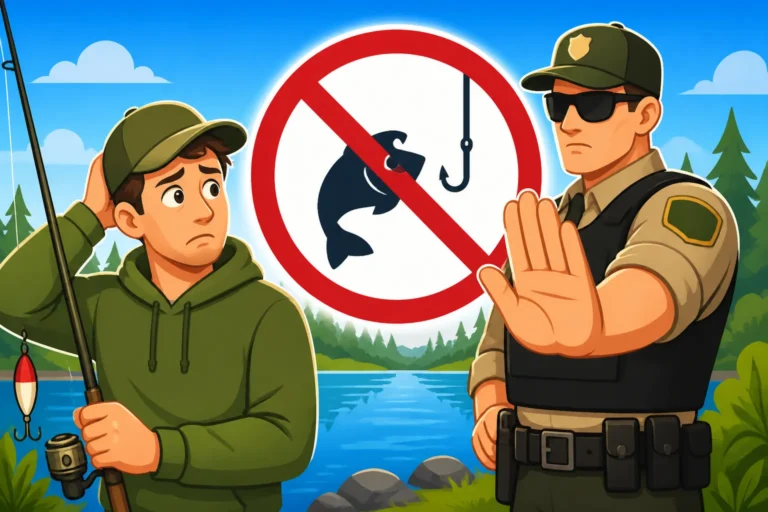
If you are caught fishing without a valid Outdoors Card and fishing license, you could face hefty fines. These fines are designed to be a deterrent and can run into hundreds of dollars for a first offense. Beyond the financial penalty, you might also have your fishing equipment seized, and in some cases, you could even be prohibited from obtaining a fishing license for a period of time. Imagine having your favourite rod and reel confiscated – that would certainly put a damper on your fishing season!
Furthermore, fishing without a license can lead to a court appearance, which means additional time, stress, and potentially higher legal costs. It's not just about the money; it's about the disruption to your life and the blot on your record. Conservation officers are authorized peace officers and their directives must be followed. It’s far better to spend a few moments and a few dollars to ensure you're compliant than to face these avoidable consequences.
Understanding Enforcement and Spot Checks
Ontario's conservation officers are out on the water and in fishing access points across the province specifically to ensure that anglers are following the rules. This includes performing routine spot checks to verify licenses and ensure compliance with catch limits and other regulations. These checks are a vital part of protecting our natural resources and are not meant to harass anglers. They are a necessary component of effective fisheries management.
When a conservation officer approaches, they will identify themselves and politely ask to see your Outdoors Card and fishing license. They may also ask to inspect your catch and your fishing gear. It’s important to cooperate fully and respectfully. Being uncooperative can escalate the situation and potentially lead to additional charges. Remember, these officers are dedicated to upholding the law and preserving the fisheries for everyone, so treat them with the respect they deserve.
Avoiding Common Licensing Mistakes
Many of the issues anglers face regarding licenses are due to simple misunderstandings or oversights. A common mistake is assuming that if you're just "dunking a worm" or not actively targeting anything, you don't need a license. If your line is in the water and you are attempting to catch fish, you need a license (unless exempt by age or status). Another frequent error is fishing with an expired license, as discussed earlier. Always check the expiry date on your Outdoors Card and fishing license.
Another pitfall is relying on someone else's license. Your license is specific to you and cannot be transferred or shared. Each person actively fishing needs their own valid license, even if they are fishing from the same boat or shore with a licensed angler. By being diligent about these common mistakes and staying informed, you can avoid any run-ins with enforcement and ensure your fishing trips are always enjoyable and stress-free.
Beyond the License: Other Important Regulations to Know
While securing your fishing license is the first crucial step, it's certainly not the last. Ontario's fishing regulations are a comprehensive system designed to protect and manage the province's diverse aquatic ecosystems. Ignoring these additional rules can be just as problematic as fishing without a license, so a thorough understanding is key for any responsible angler. Our article, Ontario Fishing Regulations Explained, goes into much more detail.
Ontario Fishing Regulations Summary: Your Go-To Guide
Every year, the Ontario Ministry of Natural Resources and Forestry (MNRF) publishes an updated Fishing Regulations Summary. This document is your bible for all things related to legal fishing in the province. It outlines everything from general rules to species-specific limits, open seasons, and special regulations for particular bodies of water. You can obtain a physical copy from ServiceOntario centres or authorized license vendors, or easily access a digital version on the MNRF website.
This summary is not just recommended reading; it's absolutely essential. It explains things like bait restrictions, gear limitations (e.g., maximum number of lines), and rules around live bait. Many anglers keep a digital copy downloaded on their phone or a printed copy in their tackle box or boat for quick reference. It's impossible to memorize every single rule for every single lake, so having this resource handy is invaluable. Our guide to Reading the Ontario Fishing Regulations Summary offers tips on how to navigate this important document.
Understanding Fishing Zones and Species-Specific Rules
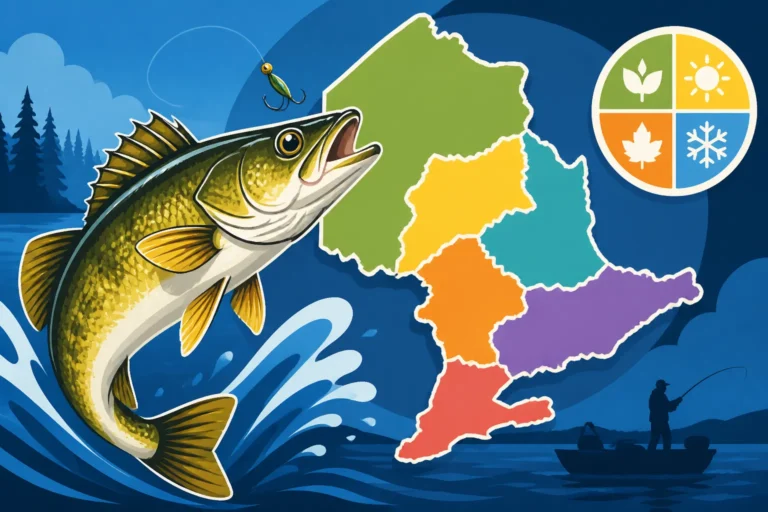
Ontario is a massive province with incredibly diverse aquatic habitats, which is why it's divided into 20 distinct Fisheries Management Zones (FMZs). Each of these zones can have unique regulations tailored to the specific fish populations and environmental conditions within that area. What's legal in FMZ 11 for walleye might be completely different in FMZ 20. This complexity can be a hurdle for new anglers, but it’s a necessary management tool. You can find a more in-depth explanation in Ontario Fisheries Management Zones, Explained.
Within each FMZ, there are also species-specific rules for popular fish like walleye, muskie, bass, and trout. These rules dictate everything from daily catch limits and possession limits to minimum or maximum size restrictions (slot limits), and specific open and closed seasons. For example, the Ontario Walleye Opener Dates by Zone can vary widely depending on where you are in the province, as can the Ontario Bass Opener Dates by Zone. These regulations are in place to protect spawning fish and ensure sustainable populations, so always consult the summary for the specific zone and species you're targeting.
Boating Requirements for Anglers
Many fishing adventures in Ontario involve a boat, whether it's a small canoe, a fishing kayak from Amazon, or a powerful bass boat. If you plan on using a motorized vessel, there are additional regulations you need to be aware of, primarily governed by federal law (Transport Canada) but enforced by provincial authorities and conservation officers. The most significant of these is the requirement for a Pleasure Craft Operator Card (PCOC). You can read more about this in Ontario Boating Laws for Anglers.
A PCOC is essentially a boating license that proves you have the basic knowledge to operate a powered watercraft safely. Anyone operating a boat with a motor needs one, regardless of age or horsepower. Even if you're just using a small electric trolling motor on your fishing kayak, you still need this card. In addition to the PCOC, all boats must carry specific safety equipment (e.g., life jackets for every passenger, a whistle, bailing device, etc.), and there are rules regarding boat registration and licensing. Ensuring your vessel is properly equipped and you are appropriately licensed is just as important as your fishing license for a safe and legal day on the water.
Planning Your Ontario Fishing Adventure
With your license secured and regulations understood, you're now ready to plan an unforgettable fishing adventure in Ontario for 2026. From knowing the best times to fish to finding those elusive honey holes, a little planning goes a long way in ensuring a successful and enjoyable trip. Ontario's vast network of lakes and rivers offers endless possibilities, no matter what species you're chasing.
Key Dates to Remember: Opener Seasons and Family Fishing Weekends
One of the most exciting parts of planning is looking forward to those critical dates on the calendar. Ontario's fishing seasons are tied to specific opener dates for various species, which are designed to protect fish during their spawning periods. For many, the walleye opener or the bass opener marks the unofficial start of summer fishing. Always check the official Ontario Fishing Season Dates by Zone for 2026 to ensure you're fishing legally. These dates are crucial and can vary by zone and species, so don't assume they are uniform across the province.
Beyond the regular seasons, Ontario also hosts several "Family Fishing Weekends" throughout the year. During these special events, Canadian residents can fish anywhere in Ontario without needing a fishing license! This is an incredible opportunity to introduce friends and family, especially kids, to the joys of fishing without the upfront cost of a license. While you don't need a license during these weekends, all other fishing regulations, including catch limits and gear restrictions, still apply. These weekends are incredibly popular, so mark the Ontario Family Fishing Weekend Dates for 2026 on your calendar!
Finding Fishing Spots: Resources and Tools
Ontario is home to literally hundreds of thousands of lakes and rivers, offering a lifetime of fishing opportunities. Finding the best spots can be part of the adventure, and there are many resources available to help you narrow down your search. Government mapping tools, local tourism offices, and online forums are all excellent places to start.
The MNRF's Fish ON-Line interactive map is an invaluable digital resource that allows you to explore different lakes, view species presence, access bathymetric (depth) charts, and even see specific regulations for that body of water. It's like having a digital tour guide for Ontario's fisheries at your fingertips. Local bait shops are also treasure troves of information, offering real-time tips on what's biting and where. For some inspiration, check out our guides to the Best Fishing Lakes in Ontario and Best Fishing Rivers in Ontario.
Preparing Your Gear: Essentials for a Successful Trip
Once you've got your license and a target spot, it’s time to think about your gear. Having the right equipment can make all the difference between a frustrating day and a fantastic one. Beyond your rod, reel, and tackle, consider practical items that enhance safety and comfort. A good quality cooler is essential for keeping your catch fresh or your lunch cool. Waterproof bags or containers for your phone, keys, and license are also highly recommended.
Depending on the time of year, proper clothing is vital. Layering is key for spring and fall fishing, and good rain gear is a must for unpredictable Ontario weather. Don't forget bug spray in the warmer months! Investing in a good pair of polarized sunglasses will help you spot fish and submerged structure, and protects your eyes from UV rays. You can find a vast selection of these essentials, from tackle boxes to rain jackets, on Amazon to ensure you're fully prepared for whatever Ontario's waters throw your way.
Disclaimer
The information provided in this guide is intended for general informational purposes only and is subject to change. While we strive to provide accurate and up-to-date information, fishing regulations and license requirements are determined by the Ontario Ministry of Natural Resources and Forestry (MNRF) and can be modified at any time. It is always the angler's responsibility to consult the most current official Ontario Fishing Regulations Summary and verify all licensing requirements directly with the MNRF or a ServiceOntario centre before fishing.