Largemouth Bass Fishing in Ontario
For many anglers across Ontario, the pursuit of largemouth bass is more than just a hobby; it's a deep-seated passion, often riddled with moments of pure exhilaration and occasional frustration. These feisty, often elusive fish, love their heavy cover and can challenge even the most seasoned angler. This comprehensive guide is designed to peel back the layers of mystery surrounding largemouth bass fishing in our incredible province, helping you understand their habits, locate prime spots, choose the right gear, and master the techniques that lead to a successful day on the water.
Understanding Ontario's Largemouth Bass
Before you can effectively chase largemouth bass, you've got to understand what makes them tick. They're not just any fish; they're intelligent predators with distinct preferences that, once understood, can dramatically improve your fishing success. Getting inside their "heads," so to speak, is the first step to filling your livewell or simply enjoying a fantastic day of catch and release.
The Biology of the Black Bass
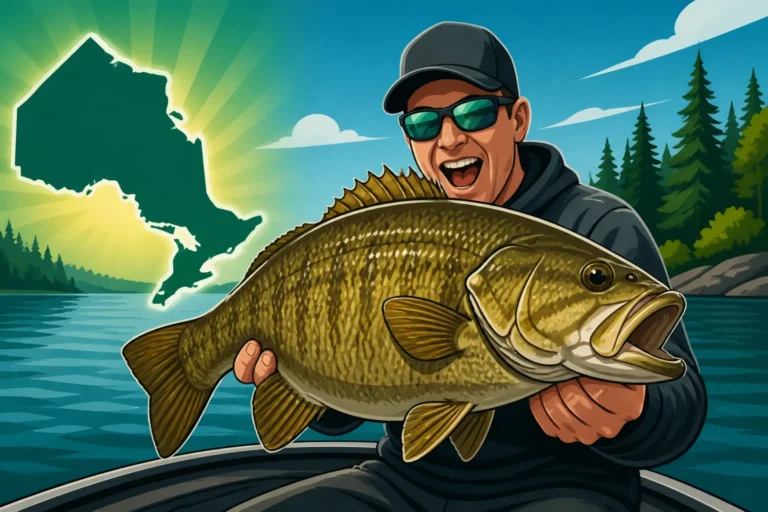
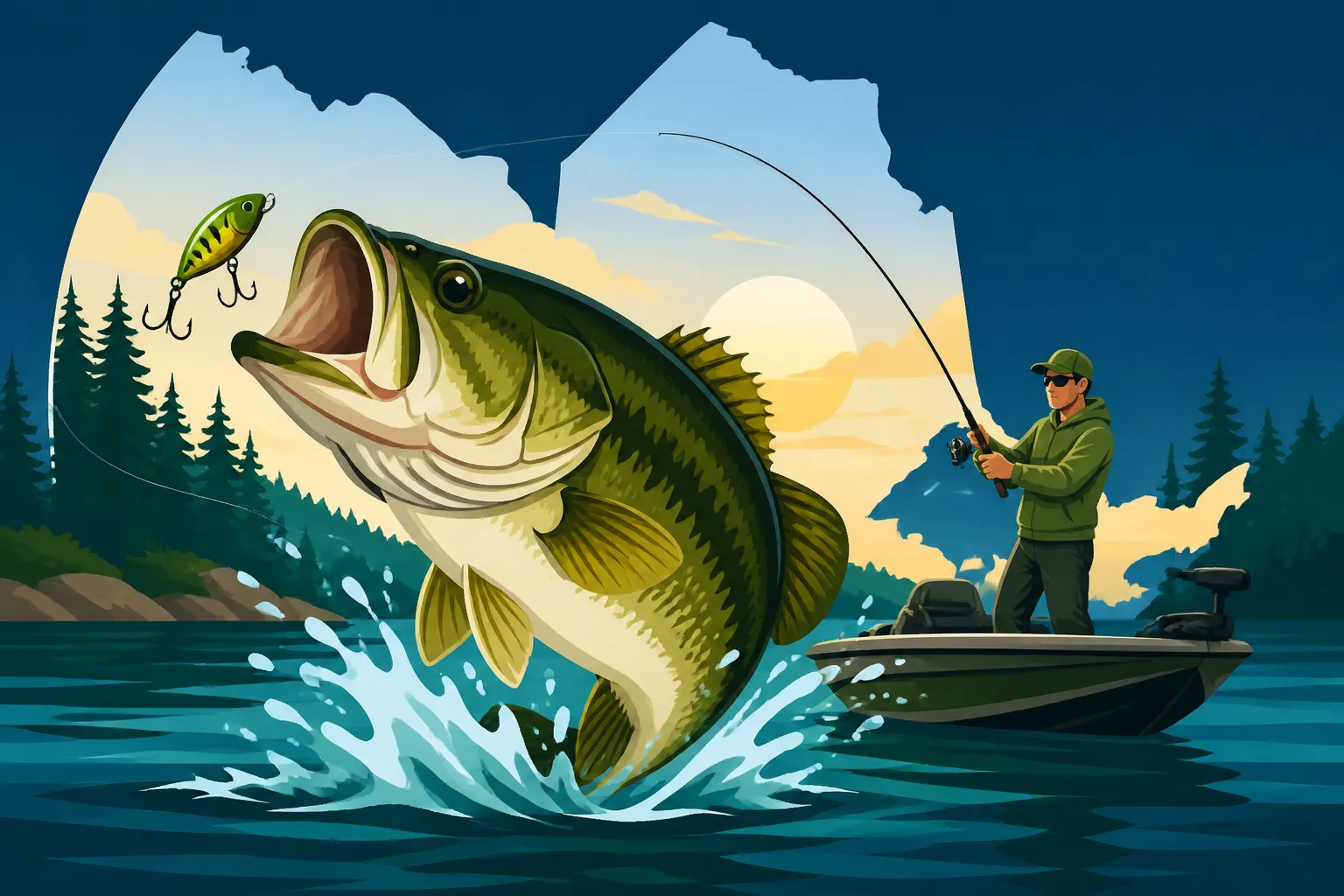
The largemouth bass (scientific name: Micropterus salmoides) is a member of the sunfish family, but don't let that fool you – they are apex predators in many of Ontario's aquatic ecosystems. Known for their distinct large mouth (the jaw extends beyond the eye), dark lateral line, and often mottled green coloration, they are perfectly camouflaged for their preferred ambush habitats. They are warmwater fish, meaning they thrive in temperatures that would send many trout species packing, and their metabolism is closely tied to water temperature, influencing their feeding patterns and activity levels.
These fish are incredibly adaptable, making them prevalent in diverse waters across Ontario. From the slow, weedy rivers of southern Ontario to the expansive, rock-lined lakes of cottage country, largemouth bass have carved out a niche. Their growth rate can be quite impressive given stable food sources and suitable habitat, with trophy-sized fish reaching several pounds. Knowing their basic biology helps you anticipate their behaviour, whether you're dealing with sluggish fish in cooler water or aggressive feeders in the heat of summer.
One fascinating aspect of largemouth biology is their parental care. Unlike many fish that simply broadcast their eggs and leave them to fate, male largemouth bass construct and guard nests, fanning the eggs and protecting the fry from predators. This dedicated parental effort is crucial for the survival of the young and is one of the reasons regulations often include a closed season during the spawn to protect these vulnerable stages. Understanding this aspect not only makes you a better angler but also a more responsible steward of the fishery.
Preferred Habitats and Structure
Largemouth bass are creatures of cover and structure. They aren't generally found cruising open, barren expanses of water. Instead, they relate closely to anything that offers them an advantage – whether it's shade, an ambush point, or protection from predators. Think of it from their perspective: they're always looking for an easy meal or a safe haven. This means you should be focusing your efforts on specific types of underwater features.
Prime largemouth bass habitat includes dense weed beds (like lily pads, coontail, milfoil, and hydrilla), submerged timber (fallen trees, brush piles, stumps), rock piles, docks, boat lifts, and even man-made structures like bridge pilings or culverts. Any abrupt change in depth or bottom composition, such as a drop-off or a transition from sand to rock, can also hold fish. These features provide shelter, shade from the sun, and crucial ambush points for darting out and ambushing unsuspecting baitfish or crayfish.
When you're out on the water, spend less time casting blindly into open water and more time dissecting these high-probability areas. Use your electronics to identify subtle depth changes or hidden timber, and pay close attention to visual cues like emergent weeds or shadows cast by overhanging trees. How to use the Fish ON-Line interactive zone map can be a fantastic resource for scouting potential structure from home, giving you a head start on what areas might hold these elusive fish. Remember, if it looks "fishy" to you, it probably looks even better to a largemouth bass.
Largemouth Bass vs Smallmouth Bass Identification
It's a common dilemma, especially for new anglers: you've got a bass on the line, but is it a largemouth or a smallmouth? While both are incredible sport fish, they have different habits, preferred habitats, and often respond to different presentations. Being able to tell them apart quickly is not just a point of pride; it's essential for adhering to specific regulations which can vary between species in some zones.
The most straightforward way to differentiate between the two is by their mouths. As the name suggests, the largemouth bass has a jawline that extends noticeably past the back of its eye when its mouth is closed. The smallmouth bass, on the other hand, has a jawline that typically ends directly below or slightly in front of the eye. This is the "big mouth" versus "small mouth" distinction that gave them their names!
Beyond the mouth, look at their colouring and body shape. Largemouth bass tend to have a more elongated body with a distinct, often broken, dark lateral stripe running along their sides. Their coloration is usually a deeper green, often with dark blotches. Smallmouth bass, in contrast, are usually bronze or golden-brown, with vertical bars or stripes rather than a lateral line. They also have redder eyes and tend to be more compact and football-shaped. Remember, Largemouth Bass vs Smallmouth Bass Identification is a crucial skill for any Ontario angler, ensuring you're fishing legally and effectively.
Where to Find Largemouth Bass in Ontario
Ontario is a vast province with an incredible array of fishing opportunities, and largemouth bass are widely distributed. Knowing where to start can feel overwhelming, but focusing on the right types of water bodies and understanding their specific characteristics will guide you toward success. It's about thinking like a bass and predicting where they'd be most comfortable and have the best access to food.
Top Largemouth Lakes and Rivers
When it comes to top-tier largemouth bass fishing, Ontario truly shines. Many regions boast fantastic fisheries that consistently produce quality fish, and some even have the potential for true trophy catches. Southern Ontario, with its warmer waters and abundant vegetation, is particularly renowned. Lakes like Simcoe, Rice Lake, Lake Scugog, and the numerous Kawartha Lakes are legendary for their healthy largemouth populations. These lakes are typically shallower, often with extensive weed flats, lily pad fields, and plenty of docks and fallen trees, which are exactly what largemouth bass love. The Kawartha Lakes Fishing Guide is an excellent resource for anyone looking to explore that region.
Further afield, larger water bodies like the Bay of Quinte on Lake Ontario's north shore, while famous for walleye, also hold impressive largemouth in its many weedy back bays and protected areas. The St. Lawrence River also offers phenomenal largemouth opportunities, particularly in its quieter channels and bays with abundant aquatic vegetation. Don't overlook the smaller, lesser-known lakes either, particularly those with plenty of shallow, weedy areas and submerged wood. While Best Fishing Lakes in Ontario might highlight a variety of species, many of those same lakes are also top-notch for largemouth.
Even rivers can be excellent, provided they have slow-moving sections, oxbows, and backwaters with good cover. The slower stretches of the Trent-Severn Waterway, for example, offer fantastic largemouth habitat with endless weed lines, docks, and submerged structures. Always check local regulations, as seasons and limits can vary even between adjacent bodies of water. For a truly comprehensive list, check out Best Largemouth Bass Lakes in Ontario for detailed information on specific hotspots.
Key Habitat Features to Target
Largemouth bass are ambush predators, and their entire existence revolves around finding the best places to hide and wait for a meal. This means that successful largemouth anglers don't just fish a lake; they fish the features within that lake. Identifying and understanding these key habitats is paramount.
Look for classic largemouth cover: expansive beds of lily pads, dense mats of submerged milfoil, coontail, or hydrilla. These offer shade, oxygen, and a buffet line of baitfish. Cast your lures right into the thickest parts of these weeds, or along their edges. Fallen trees, known as laydowns, that extend into the water are another goldmine. Bass will sit right among the branches, using them as cover. Boat docks are also incredible attractors; the shade they provide on sunny days, coupled with the structure of their pilings, makes them irresistible to bass.
Beyond visible cover, consider changes in the bottom composition or depth. A rocky point jutting out into a soft, muddy flat can hold bass, as can a deep weed edge where a weed flat drops off into deeper water. These transition zones often concentrate baitfish and provide bass with easy access to both shallow feeding grounds and deeper, cooler water. Don't forget about man-made structures too – old bridge abutments, submerged cribs, and even discarded tires can provide valuable habitat. The key is to be observant, using both your eyes and your electronics, to pinpoint these bass magnets.
Public Access and Provincial Parks
One of the great things about fishing in Ontario is the abundant public access, including a fantastic network of provincial parks and Crown land. Many provincial parks, while offering camping and other recreational activities, also provide excellent fishing opportunities for largemouth bass, often with well-maintained boat launches or shore fishing access points. For example, parks in the Kawartha Lakes region, or even some closer to major urban centres, can be surprising hotbeds.
When planning a trip to a provincial park, always check their specific fishing regulations. Some parks might have special rules, such as electric motors only, or specific catch-and-release zones. Generally, if you have a valid Ontario Fishing License Guide for 2026 and adhere to the Ontario Fishing Regulations Explained, you'll be good to go. Beyond parks, numerous public boat launches, conservation areas, and municipal access points dot the landscape, offering entry to prime largemouth waters. Don't be afraid to explore Google Maps or local tourism websites to find these hidden gems. Remember, a little research before you leave home can save you a lot of driving around once you're there.
Optimal Seasons and Conditions for Largemouth Bass
Largemouth bass are warmwater fish, and their activity levels are heavily influenced by water temperature. Understanding how the seasons and various weather conditions affect their behaviour is key to being in the right place at the right time with the right presentation. There's no single "best" time to fish for largemouth; rather, there are optimal approaches for each phase of the year.
Spring: Pre-spawn and Spawn Periods
Spring is an exciting, albeit sometimes challenging, time to chase largemouth bass. As ice melts and water temperatures slowly climb from the low 40s (Fahrenheit) into the 50s and 60s, bass move from their deeper wintering holes into shallower, warmer bays and protected areas. This "pre-spawn" period is all about feeding; they're bulking up before the energy-intensive spawning ritual. They'll be aggressively hunting for protein-rich meals, making them quite susceptible to a well-placed lure. Focus on sunny, shallow flats adjacent to deeper water, especially those with some emergent vegetation or dark bottoms that absorb heat.
As water temperatures continue to rise, typically into the mid-60s, the "spawn" begins. Male bass will fan out beds in shallow, hard-bottomed areas, often near cover. Females will move in to lay their eggs, and then the males guard the nests with incredible aggression. During this phase, bass are highly territorial and can be caught by sight-fishing or by irritating them off their beds. However, many anglers practice catch and release during the spawn to protect the fishery and ensure future generations of bass. It's a critical time for the species, and responsible angling means minimizing disturbance to these vulnerable fish. Knowing When largemouth bass spawn in Ontario is crucial for both success and conservation.
Post-spawn, the bass can be a bit lethargic as they recover, but as soon as they regain energy, they'll resume feeding, often staging on deeper structure near their spawning grounds before transitioning to their summer patterns. The key in spring is to track water temperatures and understand which stage of the spawn the bass are in, then adjust your locations and lure choices accordingly.
Summer: Prime Time Action
Ah, summer in Ontario! This is arguably the most popular time for largemouth bass fishing, and for good reason. With stable warm water temperatures, usually in the 70s (Fahrenheit) and sometimes higher, bass are highly active and feeding regularly. Their metabolism is high, and they're constantly looking for food, often relating closely to the abundant vegetation that has grown up throughout the lake.
During summer, largemouth bass will often follow a "deep-to-shallow" pattern throughout the day. In the low light of early morning and late evening, they'll often push into very shallow water, cruising weed edges, lily pads, and under docks for easy meals. As the sun climbs higher and temperatures peak, they'll often retreat to the shade of dense overhead cover (like thick lily pads or matted vegetation), deeper weed lines, or under docks. Punching through thick cover, flipping jigs into dense brush, or working topwater lures in low light are all classic summer strategies.
The abundance of baitfish, frogs, and insects during summer provides a diverse diet for largemouth, making them susceptible to a wide range of lures. Look for areas with a good mix of cover, bait, and access to deeper water where bass can retreat if conditions get too hot or bright. Summer fishing can be incredibly productive, with explosive topwater bites and powerful fights in thick cover.
Fall: Feeding Frenzy Before Winter
As summer begins to fade and the first cool nights arrive, signaling the impending winter, largemouth bass enter another intense feeding period: the fall turnover. Water temperatures begin to drop, and the bass know they need to pack on calories to survive the lean winter months. This can lead to some truly epic fishing days, as fish become very aggressive.
During the fall, baitfish schools often group up, and largemouth bass will actively pursue them. Look for schools of baitfish on your electronics, or watch for signs of active feeding like splashing on the surface. Bass might move out of the densest summer cover and relate more to hard structure like rock piles, points, and deep weed lines, or suspended over baitfish in open water. While the very shallow bite might diminish, deeper structure becomes increasingly important.
The fall fishing window can be shorter than summer, but the rewards can be significant, often yielding some of the biggest bass of the year. Pay close attention to cold fronts, which can sometimes shut the bite down temporarily, but generally, the trend of cooling water means increasingly aggressive fish until temperatures drop significantly and they move to their wintering holes.
Essential Gear for Ontario Largemouth Bass Fishing
Having the right tools for the job is crucial when targeting Ontario largemouth. While you don't need to break the bank to get started, investing in quality gear tailored to bass fishing will make your experience more enjoyable and successful. It’s about matching your equipment to the specific techniques you'll be using and the environments you'll be fishing in.
Rod and Reel Combinations
For largemouth bass, a versatile rod and reel setup is your best friend. Generally, most anglers will use either spinning or baitcasting setups, and often a combination of both.
Spinning Gear: A medium-heavy power spinning rod, typically 6'6" to 7'6" in length, paired with a 2500 or 3000 series spinning reel, is a fantastic all-around choice. This setup is excellent for casting lighter lures, finesse techniques like drop-shotting or wacky rigs, and for working smaller topwaters or crankbaits. It's also very user-friendly for beginners. Look for a rod with a fast action, meaning the top third or quarter of the rod bends easily, which helps with casting accuracy and sensitivity. Many reliable options are available on Amazon at various price points.
Baitcasting Gear: For heavier cover fishing, throwing larger lures, or punching through thick vegetation, a baitcasting setup is indispensable. A medium-heavy to heavy power baitcasting rod, often 7' to 7'6" long, with a fast action, is ideal. Pair this with a baitcasting reel with a gear ratio suitable for your technique – higher ratios (7.1:1 or 8.1:1) are great for quickly retrieving line after a strike or for burning spinnerbaits, while lower ratios (6.4:1 or 5.3:1) are better for powerful retrieves with deep-diving crankbaits or swimbaits. Baitcasting gear offers more control and power, particularly when extracting a big bass from heavy cover. For further reading, check out Best Rods for Ontario Lakes for more specific recommendations.
Line Choices and Leaders
The type of fishing line you choose significantly impacts your lure presentation, sensitivity, and ability to land fish. Each type has its pros and cons, and often a combination is best for largemouth bass.
Monofilament (Mono): This is a classic choice, known for its stretch, which can act as a shock absorber, and its forgiving nature. Mono is excellent for topwater lures (as it floats), crankbaits (where its stretch helps with treble hook sets), and for general-purpose fishing. It's affordable and easy to manage. Typically, 10-17 lb test is common for largemouth.
Fluorocarbon (Fluoro): Invisible underwater and with very little stretch, fluorocarbon is a favourite for its sensitivity and direct feel. It sinks, which can be an advantage for fishing jigs and soft plastics on the bottom. Its low visibility makes it perfect for clear water conditions or for spooky fish. Use 10-20 lb test for main line applications, or as a leader when paired with braided line. The benefits of fluorocarbon for clearer waters are undeniable, and you can find excellent options from reputable brands on Amazon.
Braided Line: Strongest by diameter, with virtually no stretch, braided line offers incredible sensitivity and power for pulling fish out of thick cover. It floats, making it useful for topwater, but its opaque nature means it's often paired with a fluorocarbon leader (6-10 feet long) to provide invisibility at the lure. Braided line in 20-50 lb test is common, especially for flipping, pitching, or punching heavy cover. The direct feel allows you to detect even the slightest bite.
Tackle Box Essentials
Your tackle box is your mobile arsenal, filled with the lures and terminal tackle needed for various situations. For largemouth bass, certain items are non-negotiable staples.
Lures: A good selection of lures is critical. Start with some topwater options like poppers, walking baits, and hollow-bodied frogs for fishing over thick weeds. Crankbaits (shallow, medium, and deep divers) are excellent for covering water and targeting different depths. Spinnerbaits and chatterbaits are versatile for various depths and cover types, especially around weeds and wood. Jigs (flipping, pitching, and football jigs) with various trailers are superb for targeting heavy cover or deeper structure. Soft plastics, such as Senkos, worms, creature baits, and swimbaits, rigged in a variety of ways (Texas rig, Carolina rig, wacky rig, Neko rig), are probably the most versatile and effective category. You can buy these in convenient kits or individually on Amazon.
Terminal Tackle: Don't overlook the small stuff! A selection of hooks (EWG worm hooks, straight shank, wacky rig hooks, drop shot hooks), bullet weights (tungsten is preferred for sensitivity but lead works fine), swivel snaps, and beads are crucial. Pliers, line clippers, a measuring tape, and a good landing net are also essential. Remember that Best Tackle for Panfish might seem different, but many of the same principles of having a diverse array of small tools apply. Always have extra line, a first-aid kit, and plenty of water on hand.
| Lure Type | Best Conditions / Use Case | Typical Retrieval | Advantages |
|---|---|---|---|
| Topwater (Popper, Walker, Frog) | Early morning/evening, cloudy days, over thick weeds/pads | Stop-and-go, walk-the-dog, slow twitch | Exciting visual strikes, effective over heavy cover, draws fish from afar |
| Crankbaits (Shallow/Deep Diver) | Covering water, targeting specific depths, along weed lines/rock | Steady retrieve, stop-and-go, deflecting off structure | Excellent for reaction strikes, covers large areas quickly, mimics baitfish |
| Spinnerbaits / Chatterbaits | Weeds, wood, moderate depth, windy conditions, murky water | Steady retrieve, slow roll, yo-yo | Vibrates and flashes to attract fish, weedless design, versatile |
| Jigs (Flipping, Football) | Heavy cover, deeper structure, vertical presentation | Flipping/pitching, hopping, dragging on bottom | Versatile with trailers, good for targeting specific spots, mimics craws |
| Soft Plastics (Worms, Senkos, Creature Baits) | All conditions, finesse fishing, punching heavy cover, picky fish | Dragging, twitching, deadsticking, drop-shotting | Highly versatile, natural look/feel, countless rigging options, subtle |
Top Techniques and Lures for Largemouth Bass
Now that you know what largemouth bass are all about and have your gear ready, it's time to dive into the exciting world of techniques and lures. There's an art and a science to presenting a lure effectively, and mastering a few key approaches will significantly boost your catch rate. It's about figuring out what the bass want and giving it to them in a way they can't resist.
Topwater Excitement
Few things in fishing compare to the heart-stopping explosion of a largemouth bass blowing up on a topwater lure. This technique is not just effective; it's incredibly thrilling and often yields some of the most aggressive strikes. Topwater fishing is best in low light conditions (early morning, late evening), on cloudy days, or when bass are actively feeding in shallow water or over thick vegetation.
Poppers: These lures have a cupped face that "pops" or "chugs" water when twitched, mimicking a struggling baitfish or frog. Cast them near cover and retrieve with short, sharp twitches, pausing between pops to let the ripples dissipate.
Walking Baits: Also known as "Spooks" after the famous Heddon Zara Spook, these lures glide side-to-side across the surface with a rhythmic "walk-the-dog" retrieve. This action is incredibly realistic and irresistible to bass. It takes a bit of practice to master, but it's well worth the effort.
Hollow-Bodied Frogs: Designed to be fished directly over dense lily pads, matted grass, or heavy slop, these weedless lures can be cast into places no other lure can go. Work them with short hops and pauses, letting them sit on top of the cover before twitching them into open pockets. The key with frog fishing is to wait a second or two after the strike before setting the hook to ensure the bass has fully engulfed the lure. Best topwater lure for dawn bass fishing articles often highlight these types of lures.
Subsurface Lures and Presentations
While topwater is exciting, many times bass are holding just below the surface or deeper, requiring a different approach. Subsurface lures allow you to cover more water, probe different depths, and entice bites when bass aren't looking up.
Crankbaits: These lipped lures dive to various depths depending on their design and the retrieve speed. Shallow-diving crankbaits are great for covering flats and shallow weed lines, while medium and deep divers can reach bass holding on deeper structure. The key is to "bang" them off cover – deflecting a crankbait off a log or rock often triggers a reaction strike. Experiment with different colours and sizes to match the local forage.
Spinnerbaits: With their flashing blades and pulsating skirt, spinnerbaits are incredibly versatile. They can be slow-rolled along the bottom, burned just under the surface, or even buzzed over weeds. They're particularly effective in stained or murky water where the vibration and flash help bass locate them. Their weedless design makes them ideal for fishing through moderate cover. How to fish a spinnerbait for Ontario lake bass is a fundamental technique for many bass anglers.
Chatterbaits (Bladed Jigs): These lures combine the flash and vibration of a spinnerbait with the profile of a jig. The unique bladed head creates an intense vibration that bass can feel from a distance, making them deadly for covering water and fishing around sparse to moderate cover. A steady retrieve often works best, but experimenting with stop-and-go motions can also be effective.
Soft Plastics and Finesse Tactics
When bass are pressured, finicky, or simply holding tight to cover, soft plastics and finesse tactics often save the day. These presentations mimic natural forage with unparalleled realism and subtlety, making them irresistible to even the most reluctant bass.
Texas Rig: This is perhaps the most fundamental soft plastic rigging for bass. A bullet weight is threaded onto the line, followed by a soft plastic (worm, creature bait, fluke) rigged weedless on an EWG (Extra Wide Gap) hook. This setup is incredibly versatile for fishing through weeds, wood, and rocks without snagging. Pitch it into cover, let it sink, and slowly drag or hop it along the bottom.
Wacky Rig / Neko Rig: These finesse presentations involve hooking a stick bait (like a Senko) through its middle. The ends of the worm wiggle enticingly on the fall, driving bass wild. A wacky rig is typically weightless or lightly weighted, while a Neko rig uses a small nail weight inserted into one end for a faster, head-down fall. Both are deadly for pressured fish or when bass are suspended near cover.
Drop Shot: A classic finesse technique, the drop shot involves tying a hook directly to the main line, with a weight attached below it. This allows you to present a soft plastic bait (often a small worm or minnow imitation) suspended at a precise depth above the bottom, keeping it in the strike zone longer. It's incredibly effective for targeting fish on vertical structure, deeper edges, or when bass are reluctant to chase.
Conservation and Regulations for Largemouth Bass in Ontario
Being a responsible angler means more than just catching fish; it means understanding and respecting the rules designed to protect our precious fisheries. Ontario's largemouth bass populations are generally healthy, but careful management and angler adherence to regulations are essential for their continued sustainability.
Ontario Largemouth Bass Regulations
Before heading out, it's absolutely critical to familiarize yourself with the current Ontario Fishing Regulations Explained. These regulations are put in place by the Ministry of Natural Resources and Forestry (MNRF) to ensure sustainable fishing for all species, including largemouth bass. The province is divided into Fisheries Management Zones (FMZs), and regulations, including open seasons, catch limits, and size restrictions, can vary significantly from one zone to another. What's legal on one lake might not be on another, even if they're relatively close!
Typically, largemouth bass will have a closed season during their spawning period to protect them when they are most vulnerable and concentrated on their nests. This usually occurs in spring and early summer. Once the season opens, there will be daily catch limits (the number of fish you can keep in a day) and possession limits (the number of fish you can have in your possession at any time). You'll also need to know whether you're fishing under a "Sport" or "Conservation" fishing license, as these dictate different limits. For instance, a Conservation license generally has lower limits than a Sport license, encouraging a more sustainable approach. Ontario Bag and Possession Limits by Species is a must-read for specific numbers. Always carry your valid Ontario Outdoors Card, Explained and fishing license, either physically or digitally, when fishing.
Catch and Release Best Practices
Many largemouth bass anglers practice catch and release, especially for larger fish, to help preserve trophy fisheries and ensure future generations of strong bass. If you plan to release fish, it's vital to do so in a way that maximizes their survival.
Minimize Handling: The less time a fish is out of water and handled, the better its chances of survival. Try to keep the fish in the water as much as possible, especially during hook removal.
Use Appropriate Tools: Barbless hooks can make hook removal much easier. Keep a pair of long-nosed pliers or a dehooker handy, particularly for lures with treble hooks.
Support the Fish Properly: If you must take the fish out of the water for a quick photo, support its full weight horizontally with one hand under its belly and the other gently gripping the lower jaw. Never hold a large bass vertically by just its jaw, as this can cause severe internal damage.
Revive if Necessary: If a fish seems sluggish or stressed after a fight, gently hold it upright in the water, facing into a mild current, until it regains its strength and can swim away on its own. Do not pump it back and forth; this actually pushes water the wrong way over its gills.
By following these simple practices, you contribute directly to the health of Ontario's bass fisheries, ensuring that more anglers can enjoy the thrill of catching these fantastic fish for years to come.
Managing Your Harvest
While catch and release is widely encouraged, especially for larger breeding-size fish, there's absolutely nothing wrong with keeping a legal limit of bass for a delicious meal, provided you're adhering to all regulations. If you choose to harvest, focus on keeping smaller to medium-sized fish, often referred to as "eaters." These fish are typically more abundant, taste excellent, and removing them can sometimes even benefit the overall population by reducing competition for food.
Before you decide to keep fish, be aware of any consumption advisories for the specific body of water you're fishing. Health Canada and provincial authorities sometimes issue guidelines regarding how much fish from certain lakes or rivers should be consumed due to contaminants. This information is usually available on the MNRF website or through local health units.
When harvesting, ensure you humanely dispatch the fish and store it properly on ice to maintain freshness. Remember your Ontario Sport vs Conservation Fishing License dictates how many fish you can keep, so always double-check your license type and the specific FMZ regulations. Responsible harvesting is about taking only what you need, within the legal limits, and respecting the resource.
Troubleshooting Common Largemouth Bass Fishing Challenges
Every angler, no matter how experienced, faces days when the largemouth bass just aren't cooperating. It's easy to get frustrated, but these challenges often present opportunities to learn and adapt. The ability to troubleshoot and adjust your approach on the fly is a hallmark of a truly skilled angler.
Dealing with Finicky Bass
There will be days when the bass seem to have lockjaw, ignoring everything you throw at them. This can be due to a variety of factors: high pressure, clear water, post-frontal conditions, or simply a lack of aggression. When you encounter finicky bass, it's time to slow down, downsize, and often switch to finesse techniques.
If you've been throwing power fishing lures like crankbaits and spinnerbaits without success, try a weightless Senko fished on a wacky rig, a small jig and craw trailer, or a drop shot rig with a tiny soft plastic. Focus on making quiet, accurate casts and letting the lure sit longer in the strike zone. Sometimes, a subtle quiver or a slow drag is all it takes. Also, consider changing your line to a lighter fluorocarbon leader to reduce visibility, especially in clear water. Sometimes, a slight alteration in retrieve speed or a change in lure colour can make all the difference. Remember, bass are predators, but they're also opportunists, and a subtle, easy meal can be more appealing than a fast-moving, hard-to-catch one when they're not aggressive.
Fishing Pressured Waters
Many of Ontario's most popular largemouth bass lakes see a lot of angler traffic, especially on weekends and holidays. Bass in these "pressured" waters become highly educated and wary of common presentations. They've seen it all before! To succeed, you need to think outside the box and present something they haven't seen, or present familiar lures in an unfamiliar way.
This is where varying your angles and presentations comes in. Instead of casting directly at a dock, try skipping a jig way under it, deep into the shade. If everyone is throwing green pumpkin worms, try a different colour or a different soft plastic shape. Use longer casts to avoid spooking fish, and be as quiet as possible in your boat. Early morning or late evening often provides a brief window of less pressure and more aggressive fish. In some cases, seeking out less obvious or harder-to-reach cover can pay off, as these areas might hold less-pressured fish. Being observant of what other anglers are doing and then doing something different is a good starting point.
Adapting to Weather Changes
Weather plays a huge role in bass behaviour. A sudden cold front, a rapid temperature drop, or even persistent strong winds can drastically alter where bass hold and how they feed. Being able to adapt to these changes is a crucial skill.
Cold Fronts: After a cold front passes, bass often become lethargic and move deeper or bury themselves in the thickest cover. The bite typically slows down significantly. In these conditions, opt for slower presentations like jigs, Texas rigs, or drop shots, worked very slowly. Focus on vertical presentations and target tight cover or deep-water features.
Warm Fronts/Rising Temperatures: Conversely, a warming trend can activate bass, moving them shallower and making them more aggressive. This is when power fishing techniques like crankbaits, spinnerbaits, and even topwaters can shine, especially in the pre-spawn.
Wind: Wind can be a blessing or a curse. A light chop on the water can break up the surface, making bass less wary and often positioning them to feed on wind-blown baitfish. This is a great time for spinnerbaits or crankbaits. However, strong winds can make boat control difficult and make fishing certain lures impossible. On very windy days, seek out protected bays or shorelines that the wind is blowing into, as these areas often concentrate baitfish and therefore bass.
Beyond the Catch: Enjoying Your Largemouth Bass Experience
Fishing for largemouth bass in Ontario is about so much more than just the fish you catch. It's about the entire experience – the beauty of our lakes, the thrill of the chase, the camaraderie with fellow anglers, and the satisfaction of a day well spent outdoors.
Cleaning and Preparing Your Catch
If you decide to keep a legal limit of largemouth bass, you're in for a treat! Largemouth bass are excellent eating fish, with firm, white, flaky flesh that holds up well to various cooking methods. Proper cleaning and preparation are key to maximizing their flavour.
Filleting: The most common method is to fillet the fish, removing the skin and any remaining bones. Start by cutting behind the gill plate, down to the backbone, then turn your knife and run it along the backbone towards the tail. Repeat on the other side.
Skinning: Once you have the fillets, carefully remove the skin. Lay the fillet skin-side down, hold the tail end firmly, and use a sharp fillet knife at a shallow angle to separate the flesh from the skin.
Cooking Methods: Bass fillets can be pan-fried, baked, grilled, or even deep-fried. A simple pan-fry with a light breading or seasoning is a classic and delicious way to enjoy them. Remember that Is Largemouth Bass Good to Eat? is a question often asked, and the answer is a resounding yes! Always ensure the fish is cooked thoroughly.
The Joy of the Pursuit
Ultimately, largemouth bass fishing offers a unique blend of challenge, relaxation, and connection with nature. Whether you're a seasoned pro or just starting out, there's always something new to learn, a new technique to master, or a new lake to explore. The moments of peace on a quiet lake at dawn, the exhilarating fight of a strong bass, or the simple joy of sharing an outing with friends and family are what truly make this pursuit special.
Embrace the learning curve, celebrate every catch (and every release!), and appreciate the incredible natural beauty that Ontario offers. Each cast is an act of hope, and every retrieve is a chance to connect with one of our province's most beloved sport fish. Tight lines, fellow anglers!
Disclaimer
This article is for general informational purposes only and does not constitute professional advice. Laws, prices and regulations vary by location and change over time. Consult a qualified professional for guidance on your specific situation.