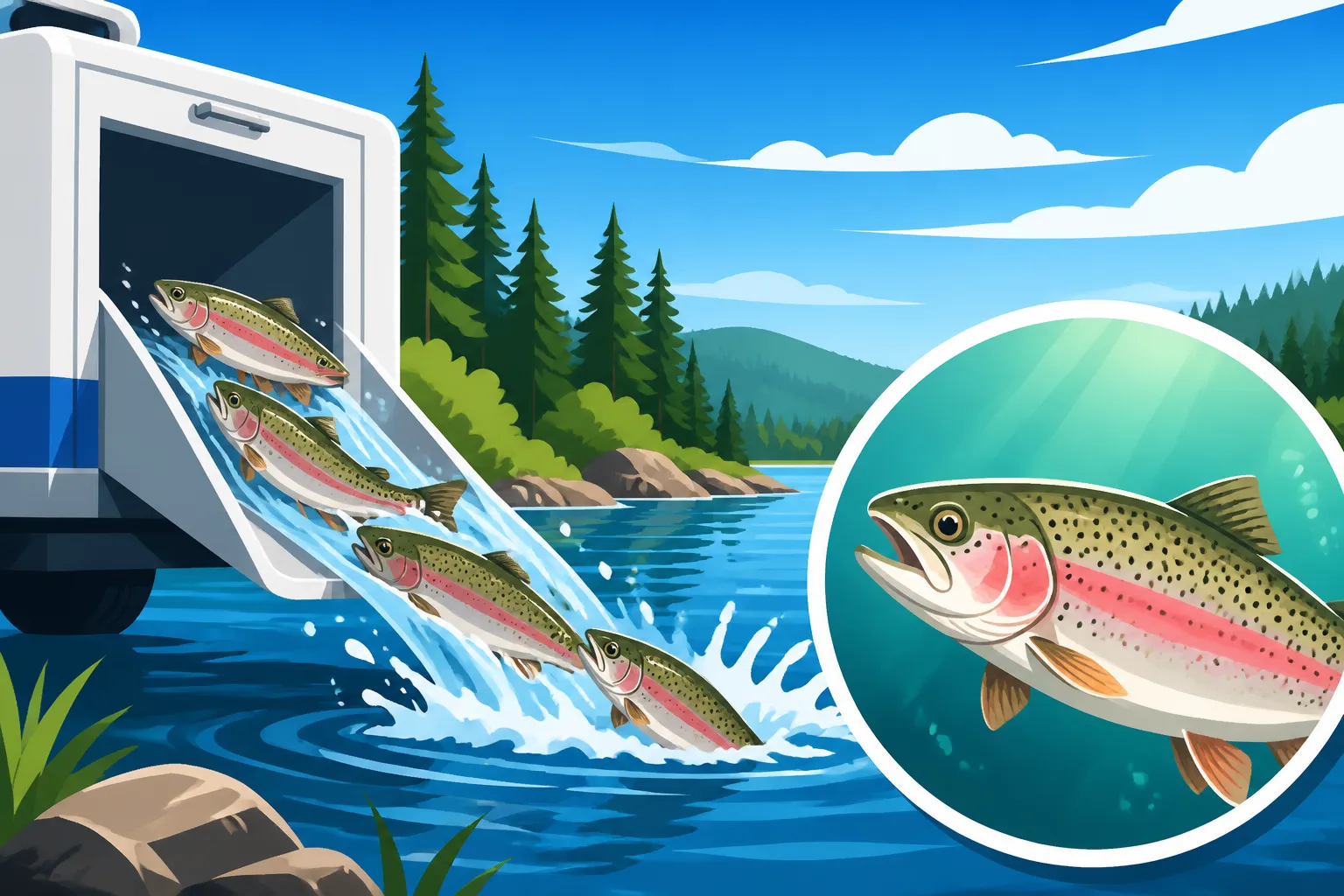
Rainbow Trout Stocking in Ontario
For many anglers in Ontario, the thrill of a bent rod and a screaming reel is a cherished experience, but finding consistent action, especially for beginners or those introducing kids to fishing, can sometimes feel like a real challenge. That's where the thoughtful program of rainbow trout stocking steps in, creating accessible and vibrant fishing opportunities across our beautiful province. This comprehensive guide will explore everything you need to know about rainbow trout stocking in Ontario, from why it happens to how you can best target these exciting fish, ensuring your next outing is a memorable one.
Why Ontario Stocks Rainbow Trout and Why It Matters to Anglers
The practice of stocking fish might seem purely utilitarian, but when it comes to rainbow trout in Ontario, it's a multi-faceted approach that serves both the fish and the folks who love to catch them. It's not just about putting fish in water; it's about enriching our outdoor heritage and ensuring future generations can enjoy the same thrills we do.
Enhancing Fishing Opportunities Across the Province
Let's be honest: not every lake or pond in Ontario has the ideal natural conditions to support a thriving population of wild, self-sustaining rainbow trout. Many smaller, accessible water bodies might not have the cold, oxygen-rich water required for trout to spawn successfully, or they might face pressure from other predator species. This is where stocking becomes a game-changer. By introducing hatchery-raised rainbow trout into these waters, the province creates fantastic "put-and-take" fisheries that offer consistent action.
Imagine taking a child fishing for the first time. The last thing you want is for them to get bored waiting for a bite. Stocked lakes often provide that immediate gratification, making it an incredibly rewarding experience for novice anglers. It’s a brilliant way to ensure that even in areas without natural trout streams, there are still ample opportunities to chase these beautiful, hard-fighting fish. This commitment to diverse fishing experiences is one of the pillars of Ontario's fisheries management.
Supporting Tourism and Local Economies
Beyond the direct angling benefit, rainbow trout stocking plays a significant role in supporting the economies of countless small towns and communities across Ontario. When a lake is known for its excellent stocked trout fishery, it attracts anglers from near and far. These visitors buy bait, lures, tackle, and even fishing rods from local shops. They fill up their gas tanks at local stations, grab meals at diners, and sometimes book accommodations for a weekend getaway.
Think about a place like the Kawartha Lakes region, or some of the provincial parks that actively manage stocked trout lakes. The influx of anglers, especially during peak seasons, injects vital funds into these communities. It’s a cycle where responsible fisheries management directly translates into economic benefit, proving that outdoor recreation is a powerful driver for local businesses. Best Fishing Lakes in Ontario often feature a mix of wild and stocked fisheries, catering to a wide range of angler preferences and experiences.
Balancing Ecosystems and Native Species
While stocking is primarily for recreational fishing, it's also done with ecological considerations in mind. The Ministry of Natural Resources and Forestry (MNRF) carefully evaluates water bodies before stocking to ensure that the introduced rainbow trout won't negatively impact native fish populations or the delicate balance of the existing ecosystem. They assess factors like water temperature, depth, existing fish species, and potential for natural reproduction.
In many cases, rainbow trout are stocked in waters where they are not expected to establish a self-sustaining population, meaning they are primarily there for anglers to catch. This "put-and-take" model minimizes the long-term ecological footprint, allowing for high recreational value without disrupting sensitive natural balances. It’s a thoughtful approach that prioritizes both fishing enjoyment and environmental stewardship. Sometimes, you'll find special regulation waters where native species are protected, making stocked lakes even more important for general angling access.
How Rainbow Trout Stocking Works in Ontario
Have you ever wondered about the journey a rainbow trout takes from a tiny egg to a feisty fish at the end of your line? It's a fascinating and meticulously planned process that involves specialized facilities, dedicated staff, and a deep understanding of aquatic biology.
The Role of Ontario's Fish Culture Stations
At the heart of Ontario's stocking program are the provincial fish culture stations. These sophisticated facilities are essentially "fish nurseries" where millions of fish, including rainbow trout, are raised each year. These stations provide a controlled environment where eggs can be incubated, hatched, and the young fish (fry and fingerlings) can grow safely until they reach a size suitable for stocking.
Staff at these stations are experts in aquaculture, carefully managing water quality, diet, and disease prevention. They work diligently to ensure the fish are healthy, robust, and ready to thrive once released into Ontario's lakes and rivers. It's a huge undertaking that requires scientific precision and a passion for fisheries. For those interested in the broader regulatory framework, understanding Ontario Fishing Regulations Explained can shed light on the province's commitment to managing these resources.
From Hatchery to Hook: The Stocking Process
Once the rainbow trout reach a certain size – typically fingerlings (a few inches long) or yearlings (around 6-10 inches) – they are ready for their new homes. The stocking process itself is a significant logistical operation. Fish are carefully transferred from the hatchery tanks into specialized tanker trucks equipped with oxygenated water. These trucks then transport the fish to various lakes and ponds across the province, sometimes traveling hundreds of kilometres.
At the stocking site, the fish are gently released into the water, often through a large pipe or by hand, minimizing stress and ensuring their best chance of survival. The goal is to release them into areas where they can quickly disperse and adapt to their new environment. The exact timing and locations are carefully chosen based on factors like water temperature, existing habitat, and accessibility for anglers.
Understanding Stocking Schedules and Locations
One of the most common questions anglers have is, "Where and when are they stocking?" The good news is that the MNRF is quite transparent about its stocking programs. They typically publish stocking reports and schedules, often available online, which detail the species, number of fish, and the specific water bodies receiving them. This information is invaluable for planning your fishing trips.
These schedules often show stocking occurring in spring and fall, as these seasons offer ideal water temperatures for trout survival and dispersal. For example, a local pond might get a fresh batch of rainbow trout in April, making it a prime spot for family fishing weekends. It's always a good idea to consult the official provincial resources for the most up-to-date information. While specific dates change year to year, understanding Ontario Fishing Season Dates by Zone can give you a general idea of when different fisheries open and close, guiding your search for stocked waters.
| Season | Typical Stocking Period | Why This Season? |
|---|---|---|
| Spring | April to early June | Water temperatures are cool, ideal for trout survival. |
| Fall | September to late October | Cool water, less stress on fish, extends fishing season. |
| Winter | Limited | Primarily for ice fishing in specific, managed lakes. |
| Summer | Very Limited | High water temperatures are stressful for trout. |
Remember, these are general guidelines. Always check the official MNRF stocking reports for precise details on your chosen fishing area.
Finding Stocked Rainbow Trout Waters Near You
Okay, so you're convinced that stocked rainbow trout offer fantastic fishing, but how do you actually find these magical spots? It's easier than you might think, especially with modern resources at our fingertips.
Utilizing Online Resources and Local Intel
Your first stop should always be the official government website for Ontario's Ministry of Natural Resources and Forestry (MNRF). They usually have a dedicated section for fisheries management and stocking reports. This online database allows you to search for stocked lakes and ponds by region, species, and even the year of stocking. It's a goldmine of information! Another fantastic tool is the Fish ON-Line interactive map. This map allows you to visually explore different bodies of water, showing stocking locations, fish species present, and even regulations for specific areas.
Beyond official sources, don't underestimate the power of local intel. Visit a reputable bait and tackle shop in the area you plan to fish. The folks working there are often lifelong anglers with a wealth of knowledge about local hotspots, recent stocking events, and what's biting. Online fishing forums and social media groups dedicated to Ontario fishing can also be great resources for up-to-the-minute reports and shared experiences. Sometimes, even a quick search on Amazon for "Ontario fishing maps" can reveal detailed guides for specific regions.
Recognizing Characteristics of Stocked Lakes and Ponds
While not an exact science, stocked rainbow trout waters often share some common characteristics. These are typically smaller, more accessible lakes or ponds, often in or near urban and suburban areas, or within provincial parks. They might have public access points, boat launches (for smaller craft), or designated shore fishing areas.
The presence of amenities like picnic tables, washrooms, or even playgrounds can also be a clue, as these locations are often managed for general public recreation, including fishing. Think about those "community ponds" or smaller conservation area lakes that are easy to get to. These are prime candidates for receiving regular rainbow trout stockings. Keep an eye out for signs posted by local conservation authorities or the MNRF that might indicate a stocked fishery or specific regulations.
Seasonal Considerations for Best Success
Timing your visit to a stocked lake can significantly impact your success. The period immediately following a spring or fall stocking is often the most productive. The newly released trout are usually quite hungry and adapting to their new surroundings, making them more willing to bite.
In spring, as the ice comes off, these fish are active and spread out. By summer, especially in shallower ponds, water temperatures can rise to levels that stress rainbow trout. During these warmer months, you might find them in deeper, cooler pockets if available, or they may become less active. Fall stockings, on the other hand, provide a renewed burst of activity as temperatures cool, offering excellent fishing right up until ice forms. For those who enjoy Ice Fishing in Ontario, some lakes are even stocked specifically for winter angling, providing opportunities to jig for rainbows through the hard water.
Fishing Techniques and Gear for Stocked Rainbow Trout
One of the great things about stocked rainbow trout is their eagerness to bite, especially when they're fresh from the hatchery. This makes them an excellent target for anglers of all skill levels. However, having the right gear and knowing a few key techniques can definitely put more fish in your net.
Essential Gear for Bank and Boat Anglers
For most stocked trout scenarios, especially when fishing from shore or a small boat, you don't need highly specialized gear. A lightweight spinning rod and reel combo is perfect. A rod in the 6 to 7-foot range with a light or medium-light action will provide good casting distance and sensitivity for detecting subtle bites. Pair this with a small spinning reel spooled with 4 to 6-pound monofilament or fluorocarbon line. Monofilament is a great all-around choice, offering good knot strength and stretch, while fluorocarbon is less visible underwater and can be a good option for finicky fish.
If you're a fly angler, a 3 to 5-weight fly rod outfit is ideal for these smaller, accessible waters. You'll want a weight-forward floating line to present your flies effectively. Don't forget a small landing net – essential for safely handling fish, especially if you plan to practice catch and release. A good pair of polarized sunglasses will help you spot subtle movements in the water and protect your eyes from glare. You can find a wide range of suitable rods, reels, and accessories on Amazon, from beginner-friendly combos to more specialized trout setups. For more detailed gear advice, check out Best Fishing Rods for Ontario Lakes or Best Fly Rods for Ontario Trout Streams.
Popular Baits and Lures for Hungry Stockers
Stocked rainbow trout are often opportunistic feeders, meaning they're generally not too picky! This opens up a world of possibilities for what you can use.
- Prepared Baits: The classic "PowerBait" (often shaped into a small ball on a treble hook) is incredibly effective. It floats, gets scented, and comes in a variety of bright colours that really grab a trout's attention. Dough balls, corn, or even pieces of marshmallow can also work wonders.
- Live Baits: Small worms (like red wigglers or pieces of nightcrawlers) are universally appealing to trout. Rig them on a small hook (size 8-12) under a bobber or on a light bottom rig.
- Spinners: Small inline spinners, like those from Mepps or Panther Martin, in sizes 0 to 2, are excellent. Their flashing blades and vibrations mimic baitfish, triggering aggressive strikes. Gold, silver, and firetiger patterns are perennial favorites.
- Spoons: Tiny casting spoons, such as a Little Cleo or Kastmaster, can be deadly when retrieved with a slow, erratic wobble. Again, silver and gold are great starting points.
- Jigs: Small marabou jigs or plastic grub tails (1/32 to 1/8 oz) fished under a bobber or slowly retrieved can also entice strikes, especially if tipped with a small piece of worm.
- Flies: If you're fly fishing, basic patterns like Woolly Buggers, Hare's Ears, Prince Nymphs, or even small dry flies (like an Adams or Elk Hair Caddis) can be very productive, especially if there's an insect hatch occurring. For specific recommendations, Fly Patterns for Ontario Trout Streams offers excellent guidance.
Here's a quick comparison of common baits/lures for stocked rainbow trout:
| Bait/Lure Type | Description | Best Application | Pros | Cons |
|---|---|---|---|---|
| PowerBait | Scented, moldable dough bait, often brightly colored. | Still fishing from shore or boat, on a light bottom rig. | Highly effective, easy to use, floats off bottom. | Can be messy, not natural looking. |
| Worms | Live worms (red wigglers, pieces of nightcrawlers). | Still fishing under a bobber or on a bottom rig. | Natural, universally appealing, good movement. | Can be harder to keep on hook, less durable. |
| Small Spinners | Inline spinners with flashing blades (Mepps, Panther Martin). | Casting and retrieving from shore or boat. | Great for active fish, covers water quickly, strong vibration. | Can snag on weeds or bottom, requires constant retrieve. |
| Small Spoons | Metal spoons that wobble and flash (Little Cleo, Kastmaster). | Casting and retrieving, vertical jigging in deeper water. | Good casting distance, attractive flash, versatile. | Can be heavy for ultralight setups, limited depth control without sinker. |
| Small Jigs | Marabou or plastic grub jigs. | Fished under a bobber, slow retrieve, or vertical jigging. | Mimics small baitfish or insects, subtle presentation. | May require tipping with bait for added attraction. |
| Flies (Nymphs) | Weighted fly patterns imitating aquatic insects (Hare's Ear, Prince Nymph). | Fly fishing, dead-drifted or slowly stripped. | Very natural presentation, effective for picky fish. | Requires fly fishing gear and technique. |
Tactics for Different Seasons and Water Conditions
Spring: As mentioned, spring after ice-out and initial stocking is prime time. Fish are usually shallow and active. Focus on areas near shore, inlets, or drop-offs. Use a variety of baits and lures, as trout will often hit anything that looks appetizing. A slow retrieve with spinners or spoons can be very effective.
Summer: If the water remains cool enough, trout will often move to deeper sections of the lake where temperatures are more stable. Try fishing closer to the bottom with worms or PowerBait, or slowly trolling small spoons or spinners from a boat. Early morning and late evening bites are often best during the warmer months.
Fall: Similar to spring, cooling temperatures in the fall reinvigorate trout. They'll be actively feeding in preparation for winter. Fish can be found throughout the water column, so experiment with different depths. Spinners, spoons, and live bait are all excellent choices. For anglers seeking a more challenging experience, Fly Fishing for Trout in Ontario provides great insights into targeting trout with artificial flies.
Winter (Ice Fishing): For ice fishing, small jigs tipped with a maggot, wax worm, or a piece of Berkley Gulp! are very popular. Dead-sticking a small spoon or even a worm under a bobber in a separate hole can also be productive. Look for fish suspended off the bottom, often in 10-25 feet of water, using a fish finder.
Regardless of the season, remember that presentation is key. Use light line, small hooks, and natural movements to entice bites. Don't be afraid to experiment with different baits and retrieve speeds until you find what the fish are keying in on that day. And always check the Ontario Fishing Regulations Summary before you head out, as rules can vary by zone and water body.
Conservation and Responsible Angling Practices
While stocked fisheries are designed to provide ample angling opportunities, it's still crucial to practice responsible angling. Our actions on the water have a direct impact on the health of the fishery and the enjoyment of others.
Understanding Bag Limits and Regulations
Every body of water in Ontario, especially those managed with stocking programs, has specific regulations regarding what you can keep. This includes daily bag limits (how many fish you can harvest in one day) and possession limits (how many fish you can have in your possession, including those at home). These limits are designed to ensure sustainable fishing pressure on the stocked populations.
It's your responsibility as an angler to know and follow these rules. Before heading out, consult the official Ontario Fishing Regulations Summary. This document outlines all the rules, including specific regulations for different Fisheries Management Zones (FMZs) and even special regulation waters. For instance, Ontario Bag and Possession Limits by Species will clearly list what applies to rainbow trout. Ignoring these rules can lead to significant fines and the loss of your fishing privileges, which nobody wants!
Catch and Release Best Practices
Even in "put-and-take" fisheries, practicing proper catch and release when you don't intend to keep a fish is a sign of a responsible angler. While stocked trout are often quite hardy, improper handling can still lead to delayed mortality.
Here are some key tips for healthy catch and release:
- Minimize Fight Time: Land the fish as quickly as possible to reduce exhaustion.
- Use Barbless Hooks: Crushing the barb on your hook makes removal much easier and less damaging to the fish's mouth. Many anglers even go a step further and purchase specific barbless hooks, which are readily available through retailers like Amazon.
- Keep Fish in Water: Avoid removing the fish from the water if you can. If you must, keep it out for the shortest time possible for a quick photo.
- Wet Hands: Always wet your hands before touching a fish. Dry hands can remove the protective slime coat, making the fish susceptible to disease.
- Gentle Handling: Support the fish horizontally, especially around its belly. Avoid squeezing or holding it by the jaw vertically, as this can damage internal organs or the jaw itself.
- Proper Release: Allow the fish to recover in the water, holding it gently until it swims away under its own power. Sometimes a gentle forward and backward motion can help push water over its gills.
Supporting Sustainable Fisheries
Being a responsible angler goes beyond just following the rules; it's about contributing to the long-term health of our fisheries. This can involve several actions:
- Report Poaching: If you witness illegal fishing activity, report it to the MNRF or your local conservation authority. Protecting our natural resources is everyone's job.
- Clean Up: Pack out everything you pack in, and perhaps even a little more. Leave no trace of your visit. Fishing line, bait containers, and other litter can be harmful to wildlife.
- Educate Others: Share your knowledge of responsible angling practices with fellow anglers, especially newer ones. We all learn from each other.
- Support Conservation Efforts: Consider joining or supporting organizations dedicated to fisheries conservation and habitat restoration. Their work directly benefits the fish populations we all love to pursue.
By embracing these conservation principles, we ensure that the excellent rainbow trout stocking program in Ontario continues to provide joy and challenge for generations of anglers to come. It’s a wonderful way to connect with nature and enjoy the bounty of our province, all while doing our part to protect it. Best Time of Year to Fish in Ontario also emphasizes the importance of respecting seasonal closures and limits.
Disclaimer
This article is for general informational purposes only and does not constitute professional advice. Laws, prices and regulations vary by location and change over time. Consult a qualified professional for guidance on your specific situation.