Endangered and Protected Fish Species in Ontario
It can be incredibly disheartening to realize that some of Ontario's most precious aquatic residents are facing an uphill battle for survival. Many anglers feel a genuine connection to our lakes and rivers, but the sheer volume of information, and misinformation, about which fish are truly vulnerable can be overwhelming. This guide is designed to cut through the confusion, helping you understand which fish species are endangered or protected in Ontario, what those designations mean for you as an angler, and practical steps you can take to become a vital part of their recovery and protection.
The Importance of Protecting Ontario's Aquatic Heritage
Ontario is blessed with an incredible diversity of freshwater fish, from the mighty Lake Sturgeon to the vibrant Redside Dace. However, this rich natural heritage is under constant threat from various human activities and environmental changes. As anglers, we have a unique front-row seat to these changes and a profound responsibility to understand and protect the vulnerable species that share our waters. Ignoring these challenges risks losing parts of our natural legacy forever, impacting not just the fish themselves, but the entire intricate ecosystem, and ultimately, our fishing opportunities down the line.
Why Some Fish Species Become Vulnerable
The decline of fish populations is rarely due to a single cause; it's often a complex web of interconnected factors. Habitat loss and degradation are huge culprits. Think about urban sprawl, agricultural runoff, and industrial development encroaching on crucial spawning grounds or polluting nursery areas. Dams and other barriers can fragment rivers, cutting off migratory routes essential for species like the American Eel. Invasive species, like the Round Goby, also play a significant role, outcompeting native fish for food and habitat, or even preying on their eggs and young.
Climate change, with its unpredictable weather patterns, altered water temperatures, and changes in oxygen levels, further stresses these delicate populations. Overfishing, while heavily regulated now, has historically contributed to the decline of some species, and illegal poaching remains a threat in certain areas. It's a sad reality that sometimes, the very things we love about a place, like easy access for fishing, can inadvertently put pressure on its most vulnerable inhabitants if we're not careful and knowledgeable.
The Role of Legislation: Endangered Species Act
In Ontario, the primary legal framework for protecting at-risk species is the Endangered Species Act (ESA). This act provides legal protection for species designated as "at risk," including fish. It prevents harm to these species and their habitats, offering a layer of defense against activities that could push them further towards extinction. The federal Species at Risk Act (SARA) also plays a role, especially for aquatic species, providing additional protections.
These acts define several categories for species status:
- Extirpated: A species that no longer exists in the wild in Ontario but still exists elsewhere in the world.
- Endangered: A species facing imminent extirpation or extinction.
- Threatened: A species that is likely to become endangered if steps are not taken to address factors threatening it.
- Special Concern: A species that may become threatened or endangered because of a combination of biological characteristics and identified threats.
Understanding these designations is crucial, as they dictate the level of protection a species receives and, importantly, what anglers are permitted or prohibited from doing in relation to them. The government's goal isn't to stop fishing, but to ensure that our actions don't inadvertently hasten the decline of these vulnerable populations. Reading the Ontario Fishing Regulations Summary is always the first step to staying informed.
Identifying Ontario's Critically Endangered Fish
Encountering an endangered fish in Ontario's waters is a rare occurrence, but knowing how to identify them is paramount. It means you can take appropriate action if you do, ensuring their safety and your compliance with conservation efforts. Misidentification could lead to accidental harm or even legal consequences if a protected fish is mistakenly kept.
Spotlight on Specific Endangered Species
Ontario is home to several fish species listed as endangered, and each faces unique challenges. One such example is the Eastern Sand Darter. This tiny, bottom-dwelling fish prefers clear, sandy-bottomed rivers and streams, often found in parts of southwestern Ontario. They are highly sensitive to habitat disturbance, siltation, and pollution, which makes their survival precarious in increasingly developed areas.
Another significant endangered species is the American Eel. These remarkable fish undertake an incredible migration from the Sargasso Sea to freshwater systems across Eastern North America, including many Ontario rivers and lakes, spending decades maturing before returning to the sea to spawn. Dams that block their upstream migration and hydroelectric turbines are major threats to their survival, severely limiting their access to critical habitat. When you’re out on the water, consider if your actions could impact their journey.
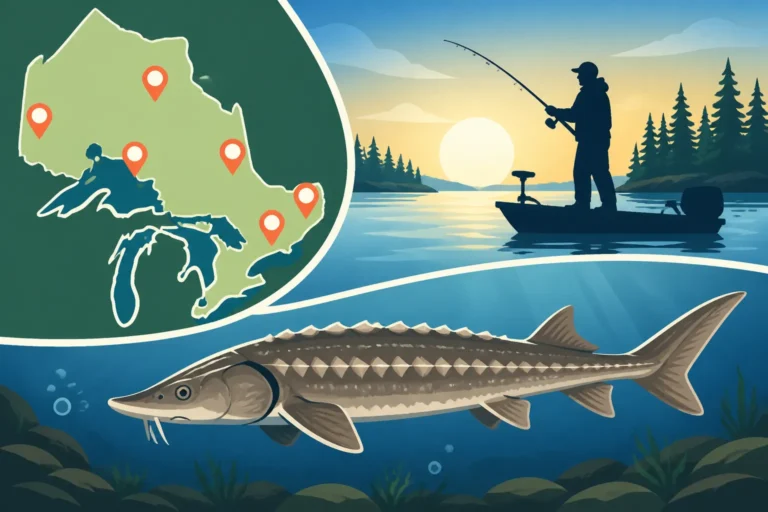
The Lake Sturgeon is another magnificent and ancient fish, the largest freshwater fish in Ontario, which has faced severe declines due to overfishing and habitat alteration in the past. While still listed as endangered in many parts of Ontario, dedicated conservation efforts are underway, and specific waterways might have special regulations for them. If you’re fishing in larger rivers or lakes that historically supported sturgeon, like portions of the French River or Rainy Lake, keeping an eye out for this species is vital. You can learn more about them in Lake Sturgeon in Ontario Rivers.
How to Distinguish These Rare Catches
Identifying an endangered fish on the fly can be tricky, especially if you're not intimately familiar with the specific characteristics of various species. However, there are some general tips that can help:
- Know Your Local Species: Before heading out, especially to a new area, take a few minutes to research the common and uncommon fish species that inhabit those particular waters. A good waterproof fish identification guide is an invaluable tool to keep in your tackle box, and you can often find excellent options on Amazon.
- Eastern Sand Darter: These are small, slender fish, typically no more than a few inches long, with translucent bodies and a series of dark spots or dashes along their sides. They are often found partially buried in sand.
- American Eel: Unmistakable with their snake-like, elongated bodies, usually dark brown or olive on top and lighter underneath. They have continuous dorsal, caudal, and anal fins, creating a single long fin along their back and belly.
- Lake Sturgeon: These ancient fish have a distinctive shark-like tail, bony plates (scutes) along their body instead of scales, and four barbels (whiskers) under their snout. Their mouth is sucker-like and located underneath their head. They can grow to be very large, often several feet long.
When in doubt, it’s always best to assume a fish is protected, treat it with extreme care, and release it as quickly and gently as possible. Never try to "identify" a fish by bringing it home or keeping it out of water for an extended period. Snap a quick photo while it's in the net or water if you need help with identification later.
Threatened and Special Concern Species You Might Encounter
Beyond the critically endangered, Ontario also has a significant number of fish species classified as Threatened or Special Concern. While their situation may not be as dire as endangered species, they are still vulnerable and require careful handling and consideration from anglers. Knowing these species helps ensure we don't inadvertently push them closer to the brink.
Recognizing Threatened Fish
Threatened species are those that are likely to become endangered if factors affecting their vulnerability are not reversed. One such example is the Pugnose Shiner. This small, silvery minnow, found in clear, vegetated lakes and slow-moving rivers, is highly sensitive to turbidity and habitat degradation. They have a distinctive, upturned mouth (hence "pugnose") and an oblique dark stripe along their side. Losing the aquatic plants they rely on for cover and food due to shoreline development or invasive species like Eurasian Watermilfoil directly impacts their numbers.
Another threatened species is the Northern Madtom. This small catfish, identified by its smooth skin (no scales), adipose fin, and venomous spines on its dorsal and pectoral fins (handle with care!), prefers clear, shallow rivers with rocky or gravelly bottoms. It's often found under stones during the day. Like many bottom-dwellers, it's very susceptible to siltation and pollution, which degrade its preferred habitat and smother its food sources. Anglers using live bait or bottom-fishing techniques in appropriate habitats might encounter them, though they are quite secretive.
Species of Special Concern
Species of Special Concern are those that might become threatened or endangered due to biological characteristics and identified threats. While not immediately at risk, they are on conservationists' radar. The Aurora Trout is a fantastic example, known for its vibrant red-orange belly. This unique subspecies of Brook Trout is found in only a handful of specific lakes in northeastern Ontario and is managed through highly restrictive rotational closures to allow populations to recover. Aurora Trout: Ontario's Rare Rotational Species explains how these careful management strategies are crucial for their survival. If you're fishing in the Temagami region, always check the local zone regulations, as catching these requires extreme vigilance and adherence to specific rules, often catch-and-release only.
Another notable species of special concern is the Redside Dace. This small, colourful minnow is a true gem of Ontario’s coldwater streams, easily recognized by its bright red and yellow stripe along its sides during spawning season. They are primarily found in headwater streams within the Greater Toronto Area and other parts of southern Ontario. Their habitat is under immense pressure from urbanization, agricultural runoff, and the resulting changes in water quality and temperature. Because of their delicate nature and specific habitat requirements, even slight disturbances can have significant impacts. For more in-depth information on this unique fish, you can refer to Redside Dace Protected Status.
Understanding Rotational Closures and Special Regulations
For species like the Aurora Trout, and others that face unique vulnerabilities, Ontario sometimes implements very specific management strategies, including rotational lake closures or special regulation waters. These are not blanket rules across the province; rather, they are highly localized and designed to give specific populations a chance to recover or thrive without fishing pressure for a period.
For example, a lake might be open for fishing for a few years, then closed entirely for several more, allowing sensitive species or their prey to rebound. Other special regulations might include:
- Catch and Release Only: Absolutely no harvesting of the fish is permitted.
- Single Barbless Hooks: To minimize injury to released fish.
- Specific Gear Restrictions: Prohibiting certain bait types or lures that could cause undue harm.
- Reduced Seasons or Limits: Shorter fishing windows or drastically reduced bag limits.
It is absolutely crucial to consult the current Ontario Fishing Regulations Summary booklet or the Fish ON-Line interactive map before you head out, especially if you're exploring new waters. Regulations can change annually, and what was legal last year might be prohibited this year in certain zones or for specific species. Always verify the rules for the specific Fisheries Management Zone (FMZ) you plan to fish in, as outlined in Ontario Fisheries Management Zones, Explained. Ignorance of the law is not an excuse, and penalties for violating these special regulations can be severe.
| Species Name | Conservation Status (Ontario) | Key Identification Features | Typical Habitat | Angler Action if Caught |
|---|---|---|---|---|
| Eastern Sand Darter | Endangered | Small, slender, translucent, dark spots/dashes, partially buries in sand. | Clear, sandy-bottomed rivers/streams, SW Ontario. | Immediate, gentle release. |
| American Eel | Endangered | Snake-like body, continuous dorsal/caudal/anal fins, dark olive/brown. | Rivers and lakes with access to ocean (Great Lakes basin). | Immediate, gentle release. |
| Lake Sturgeon | Endangered | Shark-like tail, bony scutes, 4 barbels, sucker mouth, very large. | Large rivers and lakes, often deep water. | Immediate, gentle release, check FMZ rules. |
| Pugnose Shiner | Threatened | Small, silvery, upturned mouth, dark lateral stripe. | Clear, vegetated lakes and slow rivers. | Immediate, gentle release. |
| Northern Madtom | Threatened | Small, smooth-skinned catfish, adipose fin, venomous spines. | Clear, shallow rivers with rocky/gravelly bottoms. | Immediate, gentle release, avoid spines. |
| Aurora Trout | Special Concern | Brook Trout subspecies, vibrant red-orange belly. | Restricted, specific coldwater lakes in NE Ontario. | Immediate, gentle release, adhere to rotational closures. |
| Redside Dace | Special Concern | Small, colourful minnow, red/yellow stripe in spawning season. | Headwater coldwater streams, especially GTA. | Immediate, gentle release. |
Practical Steps for Anglers to Promote Conservation
As anglers, we're not just users of the resource; we're often its most passionate advocates and first line of defense. Every time we head out, we have an opportunity to make choices that either support or hinder conservation efforts. Embracing responsible fishing practices is perhaps the most impactful way we can contribute to the long-term health of Ontario's fish populations, including those most at risk.
Best Practices for Catch and Release
For any protected species, or when you’re fishing waters where you intend to release your catch, practicing proper catch and release is absolutely critical for fish survival. It's not enough to simply unhook a fish and toss it back; how you handle it makes all the difference.
Here are some essential tips:
- Use Appropriate Gear: Choose gear that matches the fish you're targeting. Using ultralight gear for a large, powerful fish can prolong the fight, exhausting the fish to the point where it can't recover. Conversely, too heavy gear can tear mouthparts.
- Barbless Hooks: Crimp down the barbs on your hooks or use barbless hooks. This makes removal much easier and reduces tissue damage. You can find barbless hooks or tools to easily crimp barbs on Amazon.
- Minimize Handling: Keep the fish in the water as much as possible. If you must lift it for a photo, do so quickly, supporting its body horizontally, especially larger fish. Avoid squeezing the fish or touching its gills. The slime coat protects them from disease, so minimize contact.
- Use a Good Net: A large, knotless, rubberized landing net helps protect the fish's fins and slime coat. Small, abrasive nets can cause significant damage. You can find excellent options for best landing net for catch and release that prioritize fish safety.
- Quick Hook Removal: Use needle-nose pliers or a hemostat to quickly remove hooks. If a fish is deeply hooked, especially in the gills or throat, cut the line as close to the hook as possible rather than trying to rip it out. The hook will often rust away or be expelled.
- Revive Properly: If a fish seems sluggish, hold it gently in the water, facing into a mild current, until it can swim away under its own power. Don't simply toss it back; give it time to regain its strength. For larger, more sensitive species like Muskie, specific techniques like "fizzing" may be necessary, and you can learn about these in Muskie Catch and Release Survival Tips.
Remember, the goal is for the fish to swim away strong, not just alive.
Minimizing Your Impact on Fragile Habitats
Our physical presence in and around Ontario's waterways can inadvertently harm sensitive ecosystems. Simple mindful actions can go a long way in protecting critical fish habitats:
- Stay on Marked Trails: When accessing fishing spots, stick to established trails and access points to avoid trampling sensitive vegetation that prevents erosion or serves as important insect habitat.
- Wade Wisely: If wading, be aware of where you step. Avoid disturbing spawning beds (redds), which are often visible as cleared-out depressions in gravel bottoms. Also, be careful not to dislodge rocks or stir up excessive silt, which can smother eggs or aquatic insects. Understanding Wading Techniques for Ontario Trout Streams is key to minimizing impact.
- Protect Shorelines: Avoid damaging shoreline vegetation, which provides essential cover, food, and erosion control. If you're launching a boat or kayak, do so carefully to prevent prop scars in shallow areas or damage to emergent plants.
- Leave No Trace: Always pack out everything you pack in, including fishing line, broken lures, and food wrappers. Even biodegradable items can take time to break down and can introduce non-native elements to the ecosystem. Best Cooler for a Fishing Boat should also include space for your trash!
- Clean Your Gear: Before moving between different bodies of water, always clean your boat, trailer, waders, and fishing gear. This prevents the accidental spread of invasive species, diseases, and parasites, which can devastate native fish populations.
By being observant and respectful of the environment, we contribute to the overall health of the ecosystem, which in turn supports all fish species, especially those already struggling.
Supporting Sustainable Fishing Practices
Beyond individual actions, supporting broader sustainable fishing practices is crucial. This involves understanding and respecting regulations and advocating for sound fisheries management.
- Adhere to Bag and Possession Limits: Always respect Ontario Bag and Possession Limits by Species. These limits are set based on scientific data to ensure healthy fish populations. Taking more than your fair share, even if you think it's "just one more," can collectively impact a species.
- Understand Slot Limits and Size Restrictions: Many species have slot limits, meaning fish only within a certain size range can be kept, or minimum/maximum size restrictions. These protect critical spawning stock and allow younger fish to grow. For example, Ontario Smallmouth Bass Slot Limits exist in specific zones for this very reason.
- Report Violations: If you witness illegal fishing activity, such as exceeding limits, fishing out of season, or using illegal methods, report it to the Ministry of Natural Resources and Forestry (MNRF). It’s an uncomfortable but necessary part of being a responsible steward.
- Educate Others: Share your knowledge with fellow anglers, especially beginners. Teach them about conservation ethics and the importance of protecting vulnerable species.
- Support Conservation Organizations: Many non-profit organizations are dedicated to aquatic conservation in Ontario. Supporting them, either through membership, donations, or volunteering, contributes to larger-scale habitat restoration, research, and advocacy efforts.
By consciously choosing sustainable practices, we ensure that future generations can enjoy the same rich fishing heritage we do today.
Reporting and Resource: Being a Responsible Steward
Even with the best intentions, encounters with protected species or observations of concerning activities can happen. Knowing what to do in these situations is a vital part of being a responsible angler and helps conservation authorities effectively manage and protect Ontario's fish populations.
What to Do if You Catch a Protected Species
The absolute priority if you believe you’ve caught an endangered, threatened, or special concern fish is to minimize harm and ensure its immediate, gentle release.
Here’s a step-by-step guide:
- Stay Calm and Act Quickly: The longer the fish is out of the water or stressed, the lower its chances of survival.
- Identify if Possible: If you can positively identify it as a protected species while it's still in the water or a net, proceed immediately to release. If you're unsure, treat it as protected.
- No Photos (Unless Very Quick and Safe): While a photo can help with identification, it should only be attempted if it won't unduly stress the fish or keep it out of the water for more than a few seconds. A quick photo while the fish is still in the net or water is best.
- Gentle Release: Use pliers or a hemostat to quickly remove the hook. If the hook is deep, cut the line as close to the hook as possible. Gently place the fish back in the water, supporting its belly, and allow it to swim away on its own.
- Record Details (After Release): Once the fish is safely released, make a mental note or jot down details such as the species (if known), approximate size, date, time, and exact location (GPS coordinates are ideal if you have them).
- Report the Catch: Contact the Ministry of Natural Resources and Forestry (MNRF) to report the incidental catch. This data is incredibly valuable for monitoring populations and understanding distribution. Provide as much detail as possible, including your observations about the fish’s health upon release. This is not about getting in trouble; it’s about contributing to scientific knowledge and conservation.
Remember, the goal is always the well-being of the fish. Your quick and careful actions can make a real difference in its survival.
Where to Find More Information and Report Concerns
Staying informed and knowing who to contact are essential tools for conservation-minded anglers. The provincial government and various organizations provide a wealth of resources.
- Ontario Fishing Regulations Summary: This is your definitive guide for all fishing rules, including specific regulations for protected species and special waters. It’s updated annually and available online or at most license vendors. This booklet also contains contact information for reporting violations or inquiries.
- Fish ON-Line: The Ministry of Natural Resources and Forestry's online mapping tool, Ontario Fish ON-Line Interactive Zone Map, Explained, provides detailed information about specific lakes and rivers, including regulations, species present, and management zones. It's an indispensable planning tool.
- Government of Ontario Website: The main government website for the Ministry of Natural Resources and Forestry has dedicated sections on endangered species, conservation efforts, and scientific reports. It’s a great place to deepen your understanding.
- Reporting Violations: If you witness any activity that you suspect is illegal or harmful to fish populations or habitats, you should report it. The MNRF operates a toll-free tip line, the TIPS line, which is the primary contact for reporting natural resources violations. You can typically find this number prominently displayed in the fishing regulations summary. Do not confront individuals directly; simply observe, gather details (location, time, description of activity/individuals/vehicles), and report it. Your identity will remain confidential.
- Conservation Authorities and Local Organizations: Many local conservation authorities and non-governmental organizations conduct habitat restoration, monitoring, and public education. They are often excellent local resources for information and ways to get involved directly in conservation efforts in your area.
- Specialized Guides: For deep dives into specific species or identification, dedicated field guides or books can be incredibly helpful. Websites like Amazon often carry a wide selection of regional fish identification guides that can be a valuable addition to any angler's library.
By leveraging these resources, you become an even more informed and effective advocate for Ontario’s precious and vulnerable aquatic life.
Disclaimer
This article is for general informational purposes only and does not constitute professional advice. Laws, prices and regulations vary by location and change over time. Consult a qualified professional for guidance on your specific situation.