Ontario record largemouth bass weight
For many of us who live and breathe fishing in Ontario, there’s nothing quite like the thrill of feeling that solid thump on the end of your line, knowing it could be the fish of a lifetime. Chasing trophy largemouth bass can be a truly addictive pursuit, but sometimes it feels like those giants are just mythical creatures. This guide is all about setting our sights high, diving deep into what it takes to catch a monster largemouth in our province, and shedding light on the elusive provincial record.
Unveiling Ontario's Largemouth Bass Record
It's a question whispered around campfires and debated in tackle shops: "What's the biggest largemouth ever caught in Ontario?" The pursuit of a record-breaking fish isn't just about bragging rights; it's about pushing the boundaries of skill, knowledge, and sheer determination. For anglers dedicated to targeting largemouth bass, understanding the pinnacle of what's been achieved in Ontario provides both a benchmark and a powerful source of inspiration.
The Weight of History: The Current Record Holder
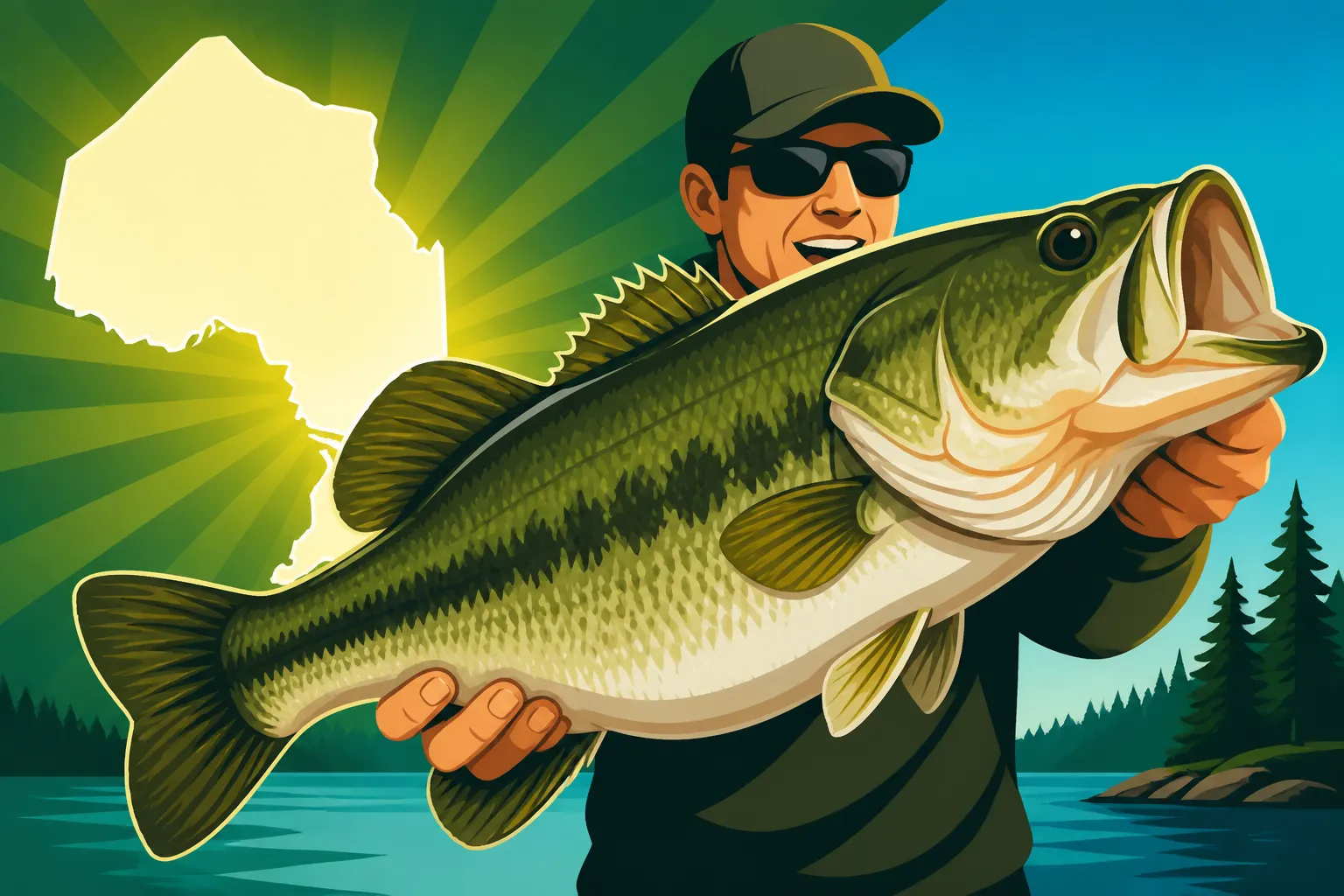
While some provincial records are shrouded in the mists of time or subject to debate, the Ontario record for largemouth bass stands as a testament to the potential of our waters. The current provincial record largemouth bass weighed in at a massive 10.43 pounds. This incredible fish was caught in 1976 by Patrick Leese, and it still holds strong decades later. Just imagine the fight that fish put up! A largemouth over 10 pounds is a true goliath in any water, let alone in Ontario. It's a weight that many anglers dream of, often considered the ultimate achievement in freshwater bass fishing. This record reminds us that even after all these years, the chance to tie or even break such an achievement still exists in the hidden coves and weed lines of our diverse lakes.
Why Pursue a Record-Breaking Largemouth?
Beyond the sheer size and the glory of the catch, the pursuit of a record-breaking largemouth bass is often about the journey itself. It refines your skills, deepens your understanding of fish behaviour, and connects you more intimately with Ontario's aquatic environments. Think about the dedication it takes – countless hours spent scouting new spots, experimenting with different baits, and mastering various techniques. This isn't just about luck; it's about persistent effort and learning from every cast, every missed strike, and every fish brought to the boat.
For many, it’s also about the challenge of finding those elusive older, larger fish that have learned to avoid pressure and are masters of their domain. These fish are often smarter, more cautious, and require a different approach than their smaller, younger counterparts. The satisfaction of outsmarting one of these venerable giants, whether it's a personal best or a provincial contender, is unparalleled. It's a game of chess played on the water, and every move counts. Plus, imagine the stories you’d have to tell!
Understanding What Makes a Trophy Largemouth in Ontario
You don't just stumble upon a 10-pound largemouth every day – or ever, for most of us! These aren't your typical pond bass. Trophy largemouth are products of specific environmental conditions, abundant food sources, and, crucially, time. Understanding these factors is key to knowing where to focus your efforts. Ontario has many fantastic bass fisheries, but only a select few consistently produce true giants. For a more general overview, you might find our guide on Largemouth Bass Fishing in Ontario helpful.
Key Factors for Giant Bass Growth
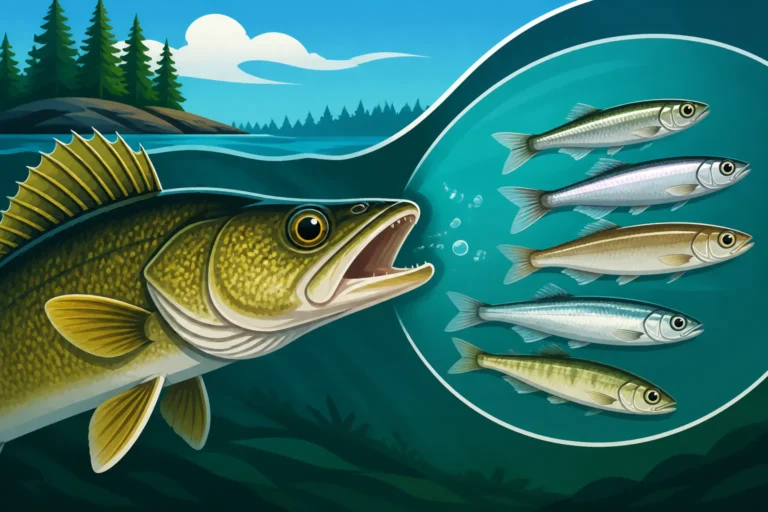
Largemouth bass, like all fish, need a perfect storm of conditions to grow to truly epic proportions. First and foremost, they need ample food. This means lakes and rivers with thriving populations of baitfish like shiners, gobies (where present), or alewives, as well as a good supply of crayfish, frogs, and even small waterfowl or rodents. The more high-protein food available, the faster and bigger a bass can grow.
Secondly, water temperature and growing season length play a huge role. While Ontario's seasons are shorter than those in southern states, some of our deeper, richer lakes can sustain growth over many years. Largemouth thrive in warmer waters, which allow for faster metabolism and therefore more feeding opportunities. A consistent, long summer helps them pack on the pounds.
Finally, and perhaps most importantly, age and protection from fishing pressure are critical. A 10-pound largemouth isn't a young fish; it's an old, wise survivor. Lakes with good catch-and-release practices and special regulations that protect large breeding females are more likely to produce these giants. They need to live long enough to reach that size, and that means avoiding predators, anglers, and harsh environmental conditions. Understanding what water temperature largemouth bass prefer can also give you an edge in finding optimal feeding zones.
Prime Ontario Waters for Lunker Largemouth
While the record books might keep the exact location of past catches a bit mysterious, certain regions and types of waters in Ontario are renowned for producing bigger-than-average largemouth bass. Generally, you’ll want to look at large, fertile lakes with abundant aquatic vegetation, plenty of cover, and a diverse forage base. Think about waters in Southern Ontario, which often have slightly longer growing seasons and richer ecosystems.
The Kawartha Lakes region, for instance, is famous for its excellent largemouth fishing, with many lakes offering prime habitat. Lake St. Clair, while known more for its smallmouth, also holds some absolute monster largemouth in its vast weed beds and canals. Even some of the larger, shallower bays of the Great Lakes tributaries can hide true lunkers. It's not just about the big names, though; sometimes, smaller, less pressured lakes with ideal conditions can yield surprising results. Our guide to the Best Largemouth Bass Lakes in Ontario can provide more specific guidance on where to start your search for those elusive giants.
| Largemouth Bass Size Category | Typical Weight Range (Ontario) | Key Characteristics & Habitat |
|---|---|---|
| Average | 1 – 3 lbs | Common, found in most suitable waters, active feeders, often in shallower cover. |
| Good Sized / Keeper | 3 – 5 lbs | A respectable catch, good fight, often found in slightly deeper or denser cover, showing some age. |
| Trophy | 5 – 8 lbs | A truly impressive fish, often targeted by serious anglers. Requires specific habitat, abundant food, and often found in less pressured areas. |
| Lunker / Giant | 8+ lbs | Extremely rare, the pinnacle of largemouth fishing. These fish are typically very old, have lived in exceptionally rich environments, and are highly elusive. This is the range where provincial records sit. |
Tactics and Gear for Targeting Monster Largemouth
Chasing record-sized largemouth isn't just about being in the right place; it's about having the right tools and knowing how to use them. These fish are survivors, and they won't fall for just any old trick. You need to be methodical, patient, and prepared to throw some heavy-duty gear. Whether you're a seasoned angler or looking to step up your game, focusing on specialized tactics and gear can make all the difference.
Essential Lures and Baits for Big Bass
When you're after a true lunker, you often need to "upsize" your offerings. Big fish often prefer a bigger meal, meaning larger lures that represent a substantial caloric intake.
- Jigs (Football, Flipping, Swim Jigs): These are absolute staples. A heavy jig, often 1/2 oz to 1 oz, with a bulky soft plastic trailer (like a craw or creature bait), can penetrate dense cover where big bass hide. Flipping and pitching these into thick lily pads, submerged timber, or heavy grass is a deadly tactic. For those looking for robust options, you can find a wide variety of these jigs and trailers on Amazon.
- Swimbaits (Hard and Soft): Larger profile swimbaits, both segmented hard baits and soft plastic models up to 8 inches or more, perfectly imitate larger baitfish. They can be incredibly effective when slowly retrieved over grass beds or around offshore structure.
- Large Spinnerbaits and Chatterbaits: With big blades and heavy skirts, these baits create a lot of vibration and flash, triggering aggressive strikes from dominant bass. They're excellent for covering water and probing the edges of weed lines or submerged brush.
- Topwater Frogs and Rats: When the bass are in thick, matted vegetation, a weedless frog or rat imitation can be irresistible. The explosion of a giant bass breaking through the slop to eat a topwater frog is one of the most exciting bites in fishing. These often come in larger sizes, perfect for enticing a big fish.
- Deep Diving Crankbaits: On deeper lakes, crankbaits that can reach depths of 15-20 feet or more are essential for targeting bass relating to offshore humps, rock piles, or deep weed edges. Choose models with a wide wobble and realistic patterns.
Remember, presentation is key. These aren't just lures; they're tools to be presented with precision and patience.
Rods, Reels, and Line Built for Battle
To effectively fish large baits and handle a potentially record-breaking fish, your gear needs to be robust. Light tackle just won't cut it.
- Rods: Look for heavy or medium-heavy power baitcasting rods, typically 7 to 8 feet long. These longer rods provide better casting distance, leverage for fighting big fish, and the backbone to pull them out of heavy cover. Fast or extra-fast actions are generally preferred for sensitivity and quick hooksets. You can find excellent options for specific applications through various online retailers like Amazon, often reading reviews to find the best fit for heavy cover bass fishing.
- Reels: A high-quality baitcasting reel with a strong drag system and a good gear ratio is crucial. While many different gear ratios work, a versatile option around 7.1:1 allows for both quick retrieves and power when needed. A smooth, powerful drag is non-negotiable for fighting big fish without breaking line or snapping a rod.
- Line: For targeting big largemouth, especially in heavy cover, braided line is king. 50 to 80 lb test braid offers incredible strength, sensitivity, and resistance to abrasion. You can tie a fluorocarbon leader (20-30 lb test) for a less visible presentation in clear water, or go straight braid in thick vegetation. Fluorocarbon main lines in the 17-25 lb range are also excellent for deep-diving baits or clearer water conditions, offering low stretch and good abrasion resistance. For more on selecting the right setup, check out our guide on Best Fishing Rods for Ontario Lakes.
Utilizing Technology to Find the Giants
Modern fishing technology can be an invaluable asset in locating and targeting trophy largemouth bass. These aren't "magic buttons," but they significantly increase your efficiency and understanding of the underwater world.
- Fish Finders and Sonar: High-definition side-imaging and down-imaging sonar units allow you to scan vast areas quickly and pinpoint isolated cover, submerged weed lines, rock piles, and even individual large fish. This is crucial for finding those hidden spots that hold big bass. Investing in a quality unit, such as those available on Amazon, can pay dividends. Look for units with clear screens and powerful transducers. Best Fish Finders for Ontario Lakes offers more insight.
- GPS and Mapping: Detailed lake maps, often integrated into your fish finder or available on apps, show contours, depths, and bottom composition. Marking waypoints of productive areas, baitfish schools, or unique structure allows you to return to these spots precisely. Many big bass relate to specific, often small, pieces of structure or cover that are easily missed without accurate mapping.
- Trolling Motors with Spot-Lock: These devices are game-changers. A GPS-enabled trolling motor with a "spot-lock" feature allows you to hold your boat precisely over a piece of structure or along a weed line, even in wind or current, freeing you up to focus on fishing. This precision is vital when trying to pick apart a specific area where a lunker might be lurking.
Remember, technology enhances your fishing, but it doesn't replace time on the water, observation, and developing a keen angler's intuition. It's a tool, not a substitute for skill.
Responsible Angling: Catching and Conserving Your Trophy
Catching a record-class largemouth bass is an incredible achievement, but it comes with a significant responsibility: ensuring the fish's survival after the catch. These older, larger fish are often the prime breeders in a population, contributing significantly to future generations. Proper handling and adherence to conservation principles are paramount, particularly when dealing with such magnificent specimens. Even if you're not targeting a record, general Ontario Bag and Possession Limits by Species are important to know.
Best Practices for Handling Record-Class Fish
- Minimize Fight Time: While thrilling, a prolonged fight can exhaust a large fish, making it less likely to survive. Use appropriate heavy tackle to land the fish quickly and efficiently.
- Wet Hands Only: Always wet your hands before touching a fish. Dry hands can remove the protective slime coat, leaving the fish vulnerable to disease.
- Support the Fish Properly: Never hold a large bass vertically by its jaw alone. This can dislocate its jaw or damage internal organs due to its heavy body weight. Always support the belly with your other hand, holding the fish horizontally. If possible, keep the fish in the water as much as you can.
- Quick Photo and Release: If you plan to take photos, have your camera ready. Get your measurements (length and girth for replicating mounts) and photos quickly, then return the fish to the water. The less time it's out of water, the better its chances.
- Revive the Fish: If the fish seems stressed or lethargic, hold it gently by the tail and jaw in the water, moving it back and forth to force water over its gills until it regains strength and can swim away on its own.
- Consider Replicas: If you catch a truly record-worthy fish, consider taking accurate measurements and photos, and then releasing it. A replica mount, made from these details, allows you to preserve the memory without taking the life of a valuable breeding fish.
The Role of Conservation in Future Records
Every angler plays a part in ensuring the health and future of Ontario's fisheries. Catch-and-release is a cornerstone of responsible angling, especially for trophy species like largemouth bass. By releasing these large fish, you're not only giving another angler the chance to catch them, but you're also allowing them to continue their crucial role in spawning and contributing to the population's genetics. This is particularly important for species like largemouth bass where larger females produce a higher quantity and quality of eggs.
Supporting local conservation efforts, understanding and adhering to Ontario Fishing Regulations Explained, and educating fellow anglers on best practices all contribute to a sustainable fishery. The provincial record for largemouth bass is a historical mark, but with continued dedication to conservation, future generations of anglers will also have the opportunity to chase, and perhaps even break, such a monumental achievement. Let's all do our part to keep Ontario's waters thriving for years to come.
Disclaimer
This article is for general informational purposes only and does not constitute professional advice. Laws, prices and regulations vary by location and change over time. Consult a qualified professional for guidance on your specific situation.