Are There Gar in Ontario Rivers?
Many anglers, especially those new to Ontario's vast waterways or even seasoned veterans, are often surprised, and sometimes even a little startled, to learn that there's a prehistoric-looking fish lurking beneath the surface that isn't a pike or a muskie. The thought of encountering a creature with an alligator-like snout and rows of needle-sharp teeth can be a bit jarring, making you wonder what exactly is swimming alongside your favourite walleye or bass. This guide is here to shed light on that mysterious fish: the gar, confirming their presence in our province's rivers and lakes, detailing where to find them, how to identify them, and offering practical advice for targeting and safely handling these incredible aquatic dinosaurs.
The Truth About Gar in Ontario: They're Here!
It's true, gar are indeed a native species in Ontario, and they've been calling our waters home for a very, very long time. For many, seeing a gar for the first time can be an almost alien experience; they simply don't look like any other fish we commonly encounter up here. Their long, slender bodies and distinctive snouts instantly set them apart. There’s a certain thrill in knowing that such a unique and ancient predator is part of our local fishing scene, even if they sometimes get mistaken for something more common, or, worse, for an invasive species. They are a legitimate part of Ontario's diverse fish fauna, thriving in specific niches across the province.
Species of Gar You Might Encounter
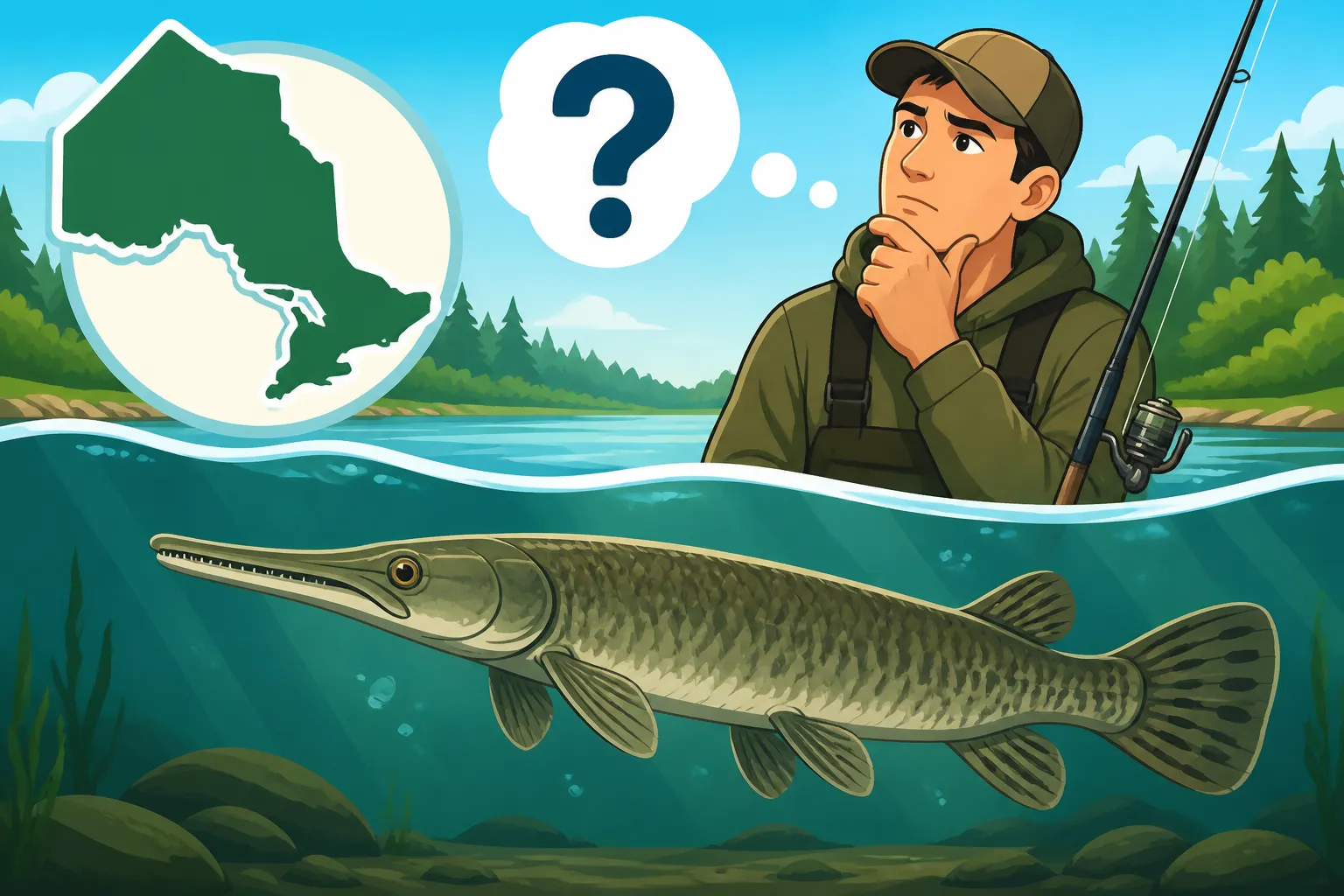
While there are several species of gar found across North America, the Longnose Gar is the primary species you'll encounter in Ontario. These are the ones responsible for those memorable, sometimes startling, sightings near the surface on a hot summer day. They are easily recognizable by their extremely elongated snout, which is typically twice as long as the rest of their head, giving them that undeniable "longnose" descriptor. Their bodies are torpedo-shaped, covered in tough, diamond-shaped ganoid scales that are more like armour than typical fish scales. It's this unique combination of features that makes them so distinct and, let's be honest, pretty cool to look at. You won't find Alligator Gar or Spotted Gar this far north, so if you're reeling in a gar in Ontario, it's almost certainly a Longnose.
Where Gar Call Home in Ontario Waters
Longnose Gar prefer warm, relatively shallow, and often weedy waters. You'll frequently find them in bays, backwaters, and sluggish sections of larger rivers, as well as in the quieter areas of big lakes. They love to lurk in areas with dense aquatic vegetation, where they can ambush unsuspecting prey. Think about those areas where the sun warms the water, and there's plenty of cover for small fish to hide – that's prime gar territory.
Some of Ontario's most prominent gar hotspots include the western basin of Lake Erie, the Thames River, the Grand River, and parts of the St. Lawrence River system. You can also find them in certain areas of Lake Huron and some of its tributaries, as well as in Lake St. Clair. They are often less common in the colder, deeper, or fast-flowing waters of Northern Ontario, preferring the more temperate conditions of the southern and central parts of the province. If you're out on a warm day, look for them sunning themselves just below the surface, sometimes looking like floating sticks or logs, waiting for the perfect moment to strike.
Identifying and Understanding Ontario's Gar
Beyond their general "prehistoric" look, there are specific characteristics that help identify a Longnose Gar, and understanding their behaviour can greatly increase your chances of finding and catching them. They are truly fascinating creatures, perfectly adapted to their environment. Learning these nuances will not only improve your angling success but also deepen your appreciation for these unique fish.
Key Identification Features of Longnose Gar
To avoid confusing a gar with a pike or a muskie, which are also long, predatory fish in Ontario, here are the key features of a Longnose Gar:
- Snout: This is the dead giveaway. A Longnose Gar has an incredibly long, narrow snout, almost like a needle or a pair of tweezers. It's much longer and more slender than the broader, duck-bill-like snout of a pike or muskie. This snout is lined with many sharp, conical teeth.
- Body Shape: They have a very elongated, cylindrical body. While pike and muskie are also long, gar often appear even more snake-like due to their consistent body width from head to tail, tapering only slightly.
- Scales: Their ganoid scales are distinctive. They are hard, diamond-shaped, and interlocking, forming a tough, almost impenetrable armour. If you run your hand against them (carefully, not near the teeth!), they feel incredibly rough, unlike the smoother, cycloid scales of other fish.
- Dorsal Fin Placement: The dorsal fin (the one on their back) is set very far back on their body, almost directly above the anal fin, much closer to the tail than to the head. In pike and muskie, the dorsal fin is also set back, but not quite as dramatically as on a gar.
- Colouration: Generally, they are olive-brown to green on top, fading to lighter shades on their sides and a white belly. They often have dark spots on their fins and sometimes along their body, but these spots are usually smaller and less pronounced than the distinct markings on a Spotted Gar (which isn't found here).
| Feature | Longnose Gar | Northern Pike | Muskellunge |
|---|---|---|---|
| Snout | Extremely long, narrow, needle-like | Broad, flattened, duck-bill shape | Broad, flattened, duck-bill shape, larger than pike |
| Scales | Tough, diamond-shaped, interlocking (ganoid) | Smooth, cycloid (typical fish scales) | Smooth, cycloid (typical fish scales) |
| Body Shape | Very elongated, cylindrical, snake-like | Elongated, torpedo-shaped, muscular | Very elongated, robust, powerful |
| Dorsal Fin | Set far back, directly above anal fin | Set far back, distinct from anal fin | Set far back, distinct from anal fin, slightly larger |
| Colouration | Olive-green/brown, lighter belly, subtle spots | Greenish with lighter, bean-shaped spots/bars | Grey/brown/green with darker spots, bars, or clear |
| Tail Fin Shape | Rounded | Forked | Forked (more pointed lobes than pike) |
This table should give you a quick visual comparison if you're trying to identify a fish that doesn't quite fit the typical mold. If you're still unsure, always refer to a detailed Fish Species Identification Guide for Ontario for precise details.
Gar Behavior and Habitat Preferences
Gar are masters of ambush predation. They are often seen motionless, camouflaged amongst weeds, waiting for smaller fish to swim by. Their long, narrow snout allows them to quickly snatch prey with a sideways swipe of their head, rather than a direct frontal attack. They are incredibly patient hunters. You might spot them "gulping" air at the surface, especially in warm water. This isn't just for show; gar have a modified swim bladder that functions like a primitive lung, allowing them to breathe atmospheric air when oxygen levels in the water are low. This adaptation enables them to thrive in water bodies that might be stressful for other fish, giving them a competitive edge.
Juvenile gar often congregate in schools, particularly in shallow, protected areas. As they grow, they become more solitary, though you can still find multiple large gar in prime habitats. They are generally most active during the warmest parts of the day and through the summer months, aligning perfectly with their preference for warm water. Understanding these habits is key to successful gar fishing. If you're thinking about chasing other species, knowing the Ontario Fishing Seasons by Zone and Month and Best Time of Year to Fish in Ontario will help, but for gar, specifically, summer afternoons are often your best bet.
Fishing for Gar in Ontario Rivers and Lakes
Catching a gar can be an incredibly unique and challenging experience. Their hard, bony mouths and the way they strike can make traditional hooksets difficult. Many anglers find themselves frustrated with missed bites, but with the right approach, you can definitely land one of these impressive fish. It's a different kind of fight, full of head shakes and sometimes acrobatic leaps, making it truly memorable.
Tackle and Techniques for Gar
Given their unique mouth structure, specific tackle and techniques are often employed.
- Rods and Reels: You'll want a medium-heavy to heavy spinning or baitcasting setup, capable of handling larger fish and delivering accurate casts. A 7-foot rod with a fast action is a good all-around choice. Paired with a reel spooled with 20-30 lb braided line is ideal. Braided line offers superior sensitivity and strength, crucial for feeling those subtle gar takes and muscling them out of heavy cover.
- Leaders: Gar have incredibly sharp teeth, so a bite-proof leader is essential. While steel leaders work, many gar anglers prefer heavy fluorocarbon (50-80 lb) as it's less visible and still quite abrasion-resistant. For those truly dedicated to gar, some even use specialized "rope lures" (discussed below) which eliminate the need for a traditional hook.
- Baits and Lures:
- Live Bait: Small minnows or shiners are incredibly effective. You can suspend them under a float near weed lines or drift them in current. The key is to let the gar take the bait and chew on it for a while before attempting a hookset. Their bony mouth makes it hard to set a hook immediately.
- Cut Bait: Strips of oily fish like cisco or smelt can also be very productive.
- Soft Plastics: Sometimes, a soft plastic jerkbait or flukes rigged weedless can entice a strike.
- Rope Lures: This is where gar fishing gets really unique. A rope lure is essentially a frayed piece of nylon rope (like a piece of clothesline) tied to your line. When a gar bites it, their teeth get tangled in the fibres, allowing you to reel them in without a traditional hook. These are highly effective and cause minimal harm to the fish, making them great for catch and release. You can often find these specialized items or materials to make them on online retailers like Amazon.
- Treble Hooks: If using traditional lures, small, strong treble hooks are necessary, but expect a lot of misses due to their bony snout. Sometimes, a single, larger treble hook on a modified lure can improve hookup ratios.
- Hookset: This is perhaps the most challenging aspect. When a gar takes a bait, resist the urge to set the hook immediately. Let them run with it for 10-20 seconds, allowing them to fully swallow the bait or get tangled in a rope lure. Then, reel down until you feel pressure and sweep-set the rod firmly. Even then, many gar are lost boatside.
For general gear advice, looking at resources like Best Fishing Rods for Ontario Lakes or Best Tackle Box Setup for Ontario Anglers can give you a starting point for heavy-duty setups that might be adapted for gar.
Best Times and Places to Target Gar
As mentioned, gar love warm water, so summer is prime time. Look for them on sunny, calm afternoons when the water temperatures are at their highest. They'll often be visible just below the surface, sunning themselves or lurking in ambush. Early mornings and evenings can also be productive, especially in slightly cooler conditions.
Focus your efforts on:
- Shallow, Weedy Bays: These are classic gar hangouts, providing both cover and food.
- Sluggish River Sections: Areas where the current is slow and there's plenty of submerged vegetation.
- Open Water Near Cover: Sometimes they'll patrol the edges of weed beds or lily pads, moving into slightly more open water but always close to their ambush points.
- Structure: Fallen trees, old docks, or submerged brush piles can also hold gar, offering them additional ambush opportunities.
When you see a gar on the surface, approach cautiously to avoid spooking it. A well-placed cast with a live minnow or a rope lure just past them can often elicit a strike.
Handling and Releasing Gar Responsibly
Gar can be quite a handful, both literally and figuratively, due to their size, strength, and formidable teeth. Safe handling is paramount for both the angler and the fish.
- Gloves: Heavy-duty fishing gloves are highly recommended to protect your hands from their sharp teeth and rough scales.
- Lip Grippers: A good quality set of lip grippers is invaluable. Gar have a hard, bony snout, and a lip gripper can give you excellent control without putting your hands in harm's way. Products available on Amazon often include heavy-duty options for handling toothy fish.
- Net: A large, rubberized landing net, similar to what you might use for Best Landing Net for Muskie, can help secure the fish boatside. However, their long bodies can sometimes make them awkward to net.
- Unhooking Tools: Long-nosed pliers or jaw spreaders are essential for removing hooks, especially if the gar has swallowed the bait. Again, think about tools like Best Pliers for Unhooking Pike, as they'll serve a similar purpose here.
- Release: Gar are generally hardy fish, but like any species, they benefit from a quick and careful release. Support their body horizontally and allow them to recover before letting them swim off. Avoid holding them vertically by the head, as this can damage their internal organs.
Remember, gar fishing is about the experience and the challenge of catching a unique native species. Treat them with respect, handle them safely, and ensure they swim away strong.
Dispelling Myths and Appreciating Gar
Gar have often been misunderstood, sometimes labeled as "trash fish" or nuisances due to their appearance and predatory nature. However, these ancient fish play a vital role in our aquatic ecosystems and, for those adventurous enough, can even be a culinary delight. It's time to appreciate them for the fascinating creatures they are, rather than dismissing them.
Are Gar Edible? Addressing the Culinary Question
Yes, Longnose Gar are absolutely edible, and many people consider them quite delicious! Their meat is firm, white, and flaky, similar to some other freshwater fish. The challenge, however, lies in the preparation. Because of their tough, bony, armour-like scales, filleting a gar is not like filleting a walleye or a bass. You can't just scale and fillet them with a standard knife.
Typically, you need a sturdy pair of tin snips or heavy-duty kitchen shears to cut through their hard skin along the back and belly, then peel back the armour to expose the meat. The "backstrap" and tail meat are usually the most sought-after portions. Once you get past the unique filleting process, the meat can be grilled, fried, baked, or smoked. It's worth trying if you're up for the challenge and want to experience something new!
The Ecological Role of Gar in Ontario's Ecosystem
Far from being a nuisance, gar play an important ecological role as top predators in the warm, weedy environments they inhabit. They help control populations of smaller fish, including some invasive species and forage fish, contributing to a healthy and balanced ecosystem. Their presence indicates a certain level of ecological health in these specific warm water environments.
Gar are also living fossils; their lineage traces back millions of years, making them a testament to evolutionary success. They possess unique adaptations, such as their bony armour and the ability to breathe air, which have allowed them to persist and thrive for eons. Appreciating gar means recognizing their place in the intricate web of life that makes up Ontario's incredible fisheries. They are truly one of the more unique and intriguing species that call our beautiful province home.
Disclaimer
This article is for general informational purposes only and does not constitute professional advice. Laws, prices and regulations vary by location and change over time. Consult a qualified professional for guidance on your specific situation.